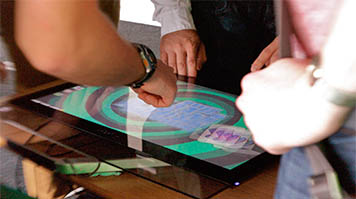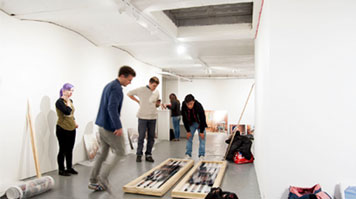

This is a practice-based film making module that helps you to practically learn the techniques and technologies for moving the camera. These skills are learnt in the context of thinking about a diverse range of bodies on screen and a diverse range of screen based practices, and what these bring to our experience of the moving image, including ideas of identity and difference, the dynamism and energy of movement itself, and the metaphorical potential of physically embodied and performative people and characters.
Assessment: 100% coursework: Short film portfolio (50%) and short group-based video projects (50%).
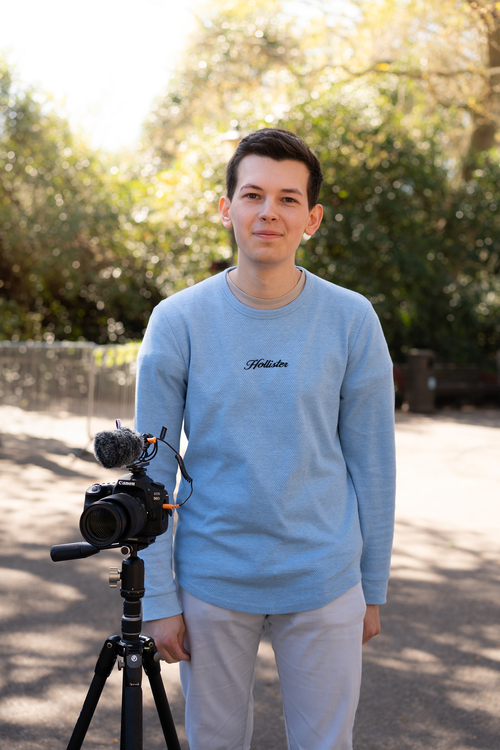
This module introduces working with digital video cameras, lights, sound and video editing software. You'll light and shoot a short scene consisting of a conversation between two people. In the process you'll be introduced to what it means to ‘cover’ a scene, and to the practicalities of editing together sound and image from different shots and different takes. You'll also be introduced to key production management skills such as: scheduling, call sheets and budget considerations. This module introduces key professional and technical skills required to work with film and television industry, with a focus on narrative. You will be introduced to sustainable working practices via BAFTA Albert Sustainable Production scheme, whilst engaging with the British Film Institute’s Diversity and Inclusion Standards. You will work with a range of digital video cameras, lights, sound and industry standard editing and post-production software. You'll light, shoot and edit a range of short films, whilst being introduced to key concepts in narrative filmmaking. Assessment: 100% coursework, made up of 2 minute video group -work (60%) and individual reflection (40%).
This module introduces you to a range of different approaches to the study of film and television. You will develop a historical knowledge of film and TV, and build a range of research and academic skills to prepare you for a career in this exciting industry. The module covers a diversity of genres and film movements and introduces you to a range of narrative and critical approaches. You will learn about film style with a focus on the elements of mise-en- scene, camera work, editing and sound. Assessment: coursework 100%, in two parts: Students individually create a research poster related to one of the films screened in the first half of the module (50%) and students individually write a 1500 word essay related to a film screened in the second half of the module (50%).
In this module you'll conduct research into a documentary subject and collaboratively develop and produce a short documentary film. We'll explore different conventions, styles and methodological frameworks for creating compelling non-fiction stories and experiences. This exploration will encourage you to reflect on the ethical and aesthetic implications of certain approaches, and will guide you as you negotiate the difficult matter of representing real events and people while simultaneously managing the challenges of film production. You'll develop your pitching skills and the importance of group work and project selection processes. Assessment: pitch and portfolio (30%), plus group production of a documentary (70%).
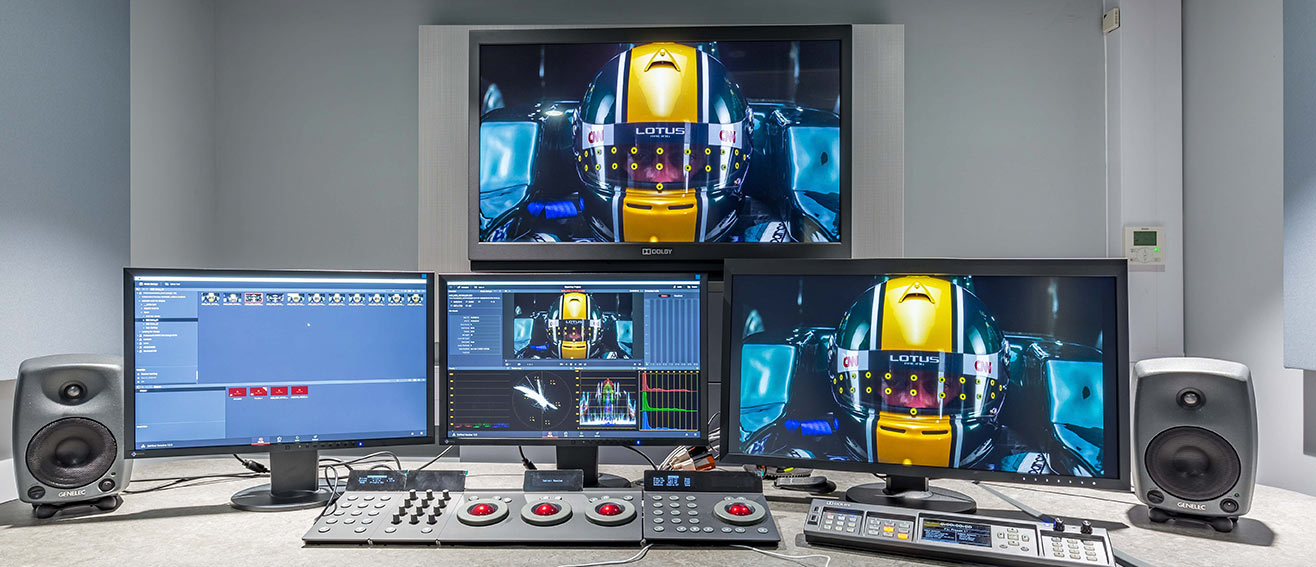
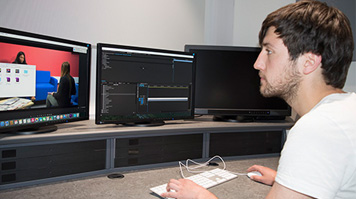
This offers both practical training in the use of post-production software, and practice-led seminars that explore the history and theory of montage. You'll explore editing techniques while thinking conceptually about what editing means in different contexts. This module will develop your practical skills and introduce you to different theoretical and ideological approaches to editing, from the political formalism of dialectical montage, to the poetics of collage, and the suturing instinct of continuity editing. Assessment: 3 minute montage (70%) and written analysis (30%).
The goal of this module is to achieve recording of the highest quality location sound. to best facilitate students’ filmmaking ambitions. Sound is the one element that will most expose any shortcomings in your film production standards and getting to grips with the basics here will go a long way towards improving the quality of your films. A big part of learning to record great sound is learning to listen, which in turn requires an understanding of the characteristics of different kinds of sound, and the behaviour of sound in different environments. Such considerations as these are central to the module, while instruction on the most common filmmaking situations and the most common problems encountered when recording sound will give you a firm grounding in recording techniques and technologies. You can pursue your interest in sound further with Sound on Film, an optional module in your second year. Assessment: short drama with sound (group work) 100%.