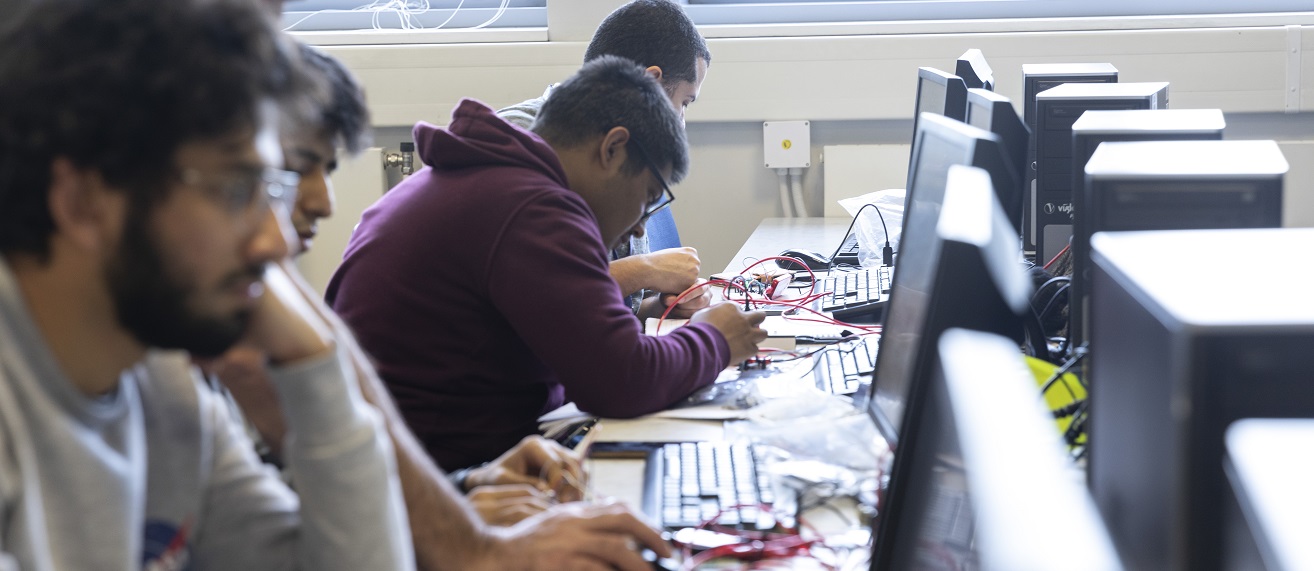




Computational tools are central to modern engineering practice. This module introduces how engineering problems can be represented using mathematical models and explored through simulation. You will learn how simulations are built, tested and used to support engineering analysis and decision-making. Through hands-on computing workshops, you will develop confidence in modelling simple systems, interpreting results and communicating findings clearly. The skills gained are transferable across all engineering disciplines and form a foundation for later analytical and design work. Assessment method: 100% coursework.
Design and Practice develops the essential academic, professional and creative skills needed for engineering study and future careers. You will explore design methodologies, creative problem-solving, teamwork and project management, alongside written communication and computer-aided design (CAD). The module introduces sustainability, professional standards and the role of engineers in industry and society. Personal development planning is embedded throughout, helping you build confidence, employability and a clear sense of direction within your chosen engineering discipline. Assessment method: 100% coursework.
Engineering Mathematics provides the mathematical foundation required for all engineering degrees. Designed to support students from a wide range of backgrounds, the module develops key skills needed to solve engineering problems at an early stage. You will study core mathematical techniques and learn how they are applied in engineering contexts. The module also introduces computational tools, such as MATLAB, to support problem-solving. By the end, you will be better prepared to apply mathematics confidently throughout your studies. Assessment method: 100% coursework.
This module introduces the fundamental scientific principles that underpin engineering analysis and design. You will explore key concepts relating to forces, energy and physical systems, learning how idealised models are used to understand and solve engineering problems. Emphasis is placed on developing analytical thinking and problem-solving skills that apply across disciplines. The knowledge gained provides a strong foundation for later study in areas such as mechanical, thermal, structural and systems engineering. Assessment method: 100% coursework.
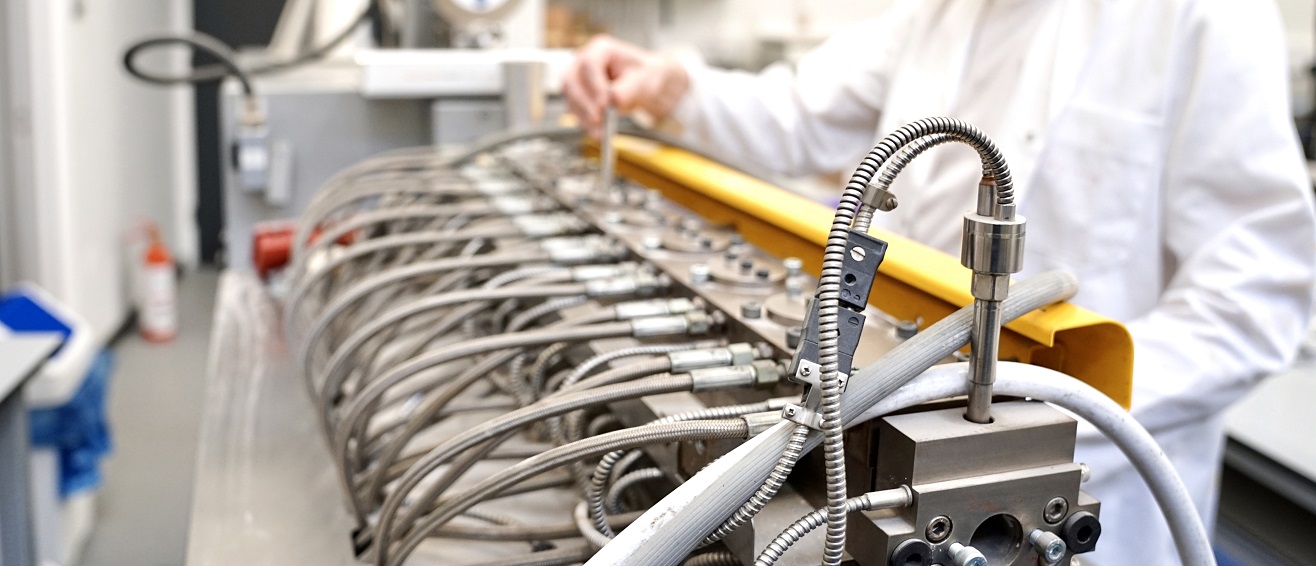
Materials Engineering introduces the fundamental principles governing the behaviour and selection of engineering materials. You will explore how the structure of metals, polymers, ceramics and composites influences their properties and performance. The module considers how materials are processed and chosen for real applications, balancing functionality, sustainability and cost. Learning is supported through lectures, laboratories and group activities, encouraging practical understanding and collaboration across engineering disciplines. Assessment method: 100% coursework.
Measurement is fundamental to all areas of engineering. This module introduces the principles behind how engineers obtain meaningful information from real systems and use it to support analysis, design and decision-making. You will explore core ideas relating to measurement, data quality and uncertainty, alongside an overview of instrumentation used in engineering practice. Practical activities develop confidence in experimental work, data handling and interpretation, building transferable skills relevant across all engineering disciplines. Assessment method: 100% coursework.