Book an open dayGet info and updates

icon_cup_red.svg

Gain advanced scientific and professional training aligned with the IBMS designed to address workforce needs across healthcare, pharmaceutical, and biotechnology sectors.

icon_rocket_red.svg

Develop cutting‑edge laboratory, bioinformatics and research skills through research informed teaching and a substantial research project.

icon_people_red.svg

Build essential leadership, management, quality, and governance competencies to support progression into senior roles within clinical pathology services.

Overview

Become an advanced biomedical scientist ready to shape the future of diagnostics, therapeutics and disease understanding.

Our MSc in Biomedical Science delivers cutting-edge training in molecular biology, infection science, cancer biology, and point-of-care technologies through hands-on practicals, real-world case studies, and research-informed teaching. Aligned with IBMS standards, it develops the scientific, analytical, and professional skills needed across healthcare, pharmaceutical, and biotechnology sectors, while also building leadership, management, quality, and governance expertise for progression into senior clinical pathology roles. A major research project allows you to specialise, strengthen advanced laboratory skills, and produce impactful scientific work. This future-focused Master’s is designed to help you lead, innovate, and excel in biomedical science. Please note that completion of an IBMS-accredited MSc does not meet requirements for HCPC registration unless you already hold an IBMS-accredited undergraduate (BSc Hons) degree.

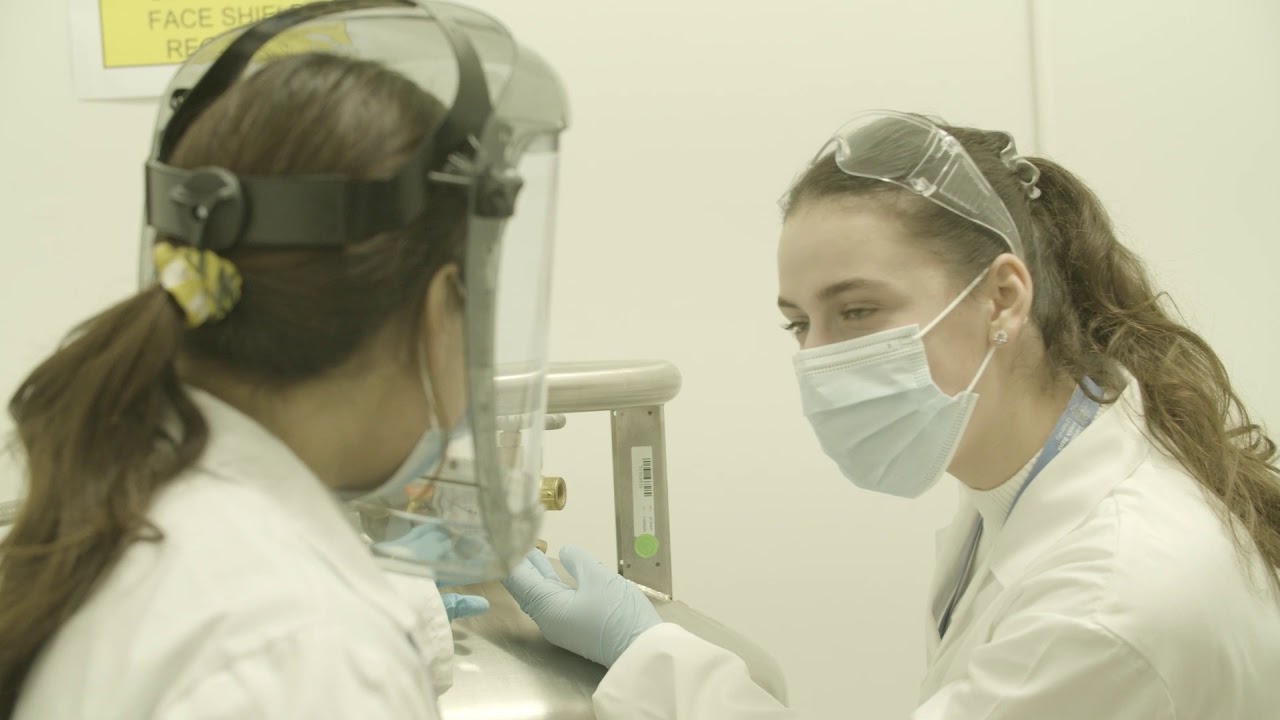
Biomedical facilities at LSBU

If you are ready to take a deeper look at human health and disease, this course could be the right next step. It is designed for graduates and professionals who want to develop advanced skills and move into more specialised or senior roles.

If you enjoy applying science to real healthcare challenges, working with data and laboratory techniques, and thinking critically about complex problems, you will find this course both challenging and rewarding. Above all, this course is for those who are serious about progressing their career and making a meaningful contribution to the future of biomedical science.

Is this course right for me?

If you’re fascinated by human health, the study of disease and the science behind our biological makeup, then this course is for you. If you’re the kind of person who enjoys hands-on, practical work grounded in data and theory, then this course is for you. If you want to see your work create real, tangible positive change on the world around you, then this is the course for you.

Above all though, if you’re hungry to create your own version of success, then LSBU is right for you. Because the making of you doesn’t begin and end with just your degree, everything that’s brought you here today is part of your story; your experiences, the life you’ve lived, the skills you’ve gained and the goals you’re chasing.

Not only do we see this, but we value that in you. We’re not in the business of forcing you into moulds, instead we’re here to help you break them. If you’re ready to embark on a journey of hard work, fulfilment and self-discovery, then Biomedical Science at LSBU is definitely right for you.

Course Accreditations


Institute of Biomedical Science

Course Content

What will I learn?

You will develop advanced understanding of human health and disease across key areas such as molecular biology, infection science and cancer biology. The course combines theory with practical laboratory work and data analysis to reflect real clinical and research environments.

You will gain confidence in a range of modern laboratory techniques and learn how to interpret complex biological and clinical data. You will also develop the ability to design, conduct and evaluate research using appropriate scientific and statistical methods.

Teaching is informed by current practice in healthcare, research and industry, ensuring your learning remains relevant and up to date. Alongside subject knowledge, you will strengthen your professional and transferable skills to support progression into specialist roles or further study.

This module provides an in-depth exploration of the fundamental and emerging concepts in cancer biology, integrating molecular, cellular, and clinical perspectives. You will critically examine the origin and progression of cancer, focusing on advanced topics related to the molecular hallmarks, oncogenic transformation and the dysregulation of key signalling networks that drive cancer development and metastasis. The module also addresses current approaches in cancer diagnostics such as the use of big data, and therapeutic strategies. You will engage in collaborative group work to analyse landmark discoveries in the field, enhancing their ability to critically evaluate primary literature and synthesise complex information. This module is designed to equip you with a comprehensive understanding of advanced topics in cancer and their applications in clinical settings.

This module delivers advanced knowledge of microbiology (bacteriology, virology, mycology and parasitology) within the broader context of infection science. You will examine mechanisms of infection, antimicrobial resistance, and current therapeutic strategies. Emphasis is placed on the interconnected application of these principles across medical microbiology, where pathogenicity, diagnosis, treatment, and infection control are understood as mutually reinforcing processes that together shape effective responses to infectious disease. Through case-based learning and the interpretation of complex clinical and laboratory data, you will develop critical scientific and analytical skills. The module supports progression into specialist roles in clinical microbiology and infection science. 

This module will introduce and apply cutting-edge molecular biology technologies and their applications.  Starting by understanding the molecular basis of disease, we will explore the forefront of molecular research that allows for scientific discoveries. We will develop and apply the extensive molecular toolbox to answer biological problems. 

This module equips you with leadership and management skills essential for senior roles in Biomedical Science. It explores governance, risk, finance and quality systems within laboratories. You will examine organisational structures, responsibilities of Biomedical Scientists and professional conduct. Topics include HR, training, confidentiality, safe practice and workload metrics. Attention is also given to socio‑ethical dimensions of scientific practice, ensuring students can navigate diverse professional contexts with integrity and sensitivity. Emphasis is placed on reflective practice. Students will critically assess their knowledge, skills, and development within operational and managerial contexts, preparing them for autonomous practice and career progression. 

This module provides you with advanced knowledge and practical (in silico) skills in the structural and functional aspects of protein engineering and its therapeutic applications in biomedical science. The module covers the role of protein structure and function in biological systems and biotechnology modifications of molecules such as enzymes and monoclonal antibodies. The module covers protein engineering principles and practical (in silico) skills in designing and modifying proteins for therapeutic applications. You will develop a deep understanding of protein structure and how protein structure is engineered to meet therapeutic and industrial applications in biomedical science. 

This module provides you with advanced knowledge and practical skills in bioinformatics and research methodologies, tailored to tackle contemporary challenges in biomedical science. You will explore standard research methods as well as computational tools and statistical techniques for analysing large-scale biological data. Emphasis is placed on the integration of bioinformatics with experimental research methods, equipping students to design, execute, and evaluate biomedical science research. You will also receive training on open science, ethics and responsible research conduct. By engaging with case studies, you will enhance your ability to critically assess research literature and apply findings to real-world biological problems. 

This module provides students with the opportunity to undertake an independent, in-depth research project within a relevant area of biomedical sciences. Under academic supervision, you will apply advanced scientific principles and rigorous research methodologies to answer a research question. The project involves critical analysis of current literature, experimental design, data collection, statistical analysis and interpretation of results. You will develop key skills in scientific writing, project management, and oral communication. 
This module provides students with the opportunity to undertake an independent, in-depth substantial research project within a relevant area of biomedical sciences. In this module, the research project extends to 2 years. The extended research project involves substantially more research activity than the standard research project. The learning outcomes are the same but the level of research activity to be undertaken is a substantial, in-depth investigation of the dissertation topic and there is more time provided for critical understanding, analysis and experimental design. Students selecting the extended research project option will receive more supervision hours and significantly more independent research time and higher potential for scholarly output. Under academic supervision; you will apply advanced scientific principles and rigorous research methodologies to answer a research question. The project involves critical analysis of current literature, experimental design, data collection, statistical analysis, and interpretation of results. You will develop key skills in scientific writing, project management, and oral communication through the production of a detailed dissertation and participation in a viva voce examination. 

The Placement Year gives students the opportunity to expand, develop and apply the knowledge and skills gained during the taught year in a real work‑based environment. This year offers valuable professional experience and supports students in building confidence, independence and sector‑ready competencies.

Students choosing the placement route are responsible for independently finding and securing their own placement. Suitable opportunities may include roles within pharmaceutical or biotechnology companies, research organisations, or other employers offering work that aligns with the curriculum. All placements must be relevant to the programme, and the total duration must be a minimum of 42 weeks within the placement year.

Students aiming for IBMS‑recognised training should be aware that this MSc will not meet the requirements for HCPC registration, unless you already hold an IBMS-accredited undergraduate (BSc Hons) degree.

Teaching and Assessment

How will I learn?

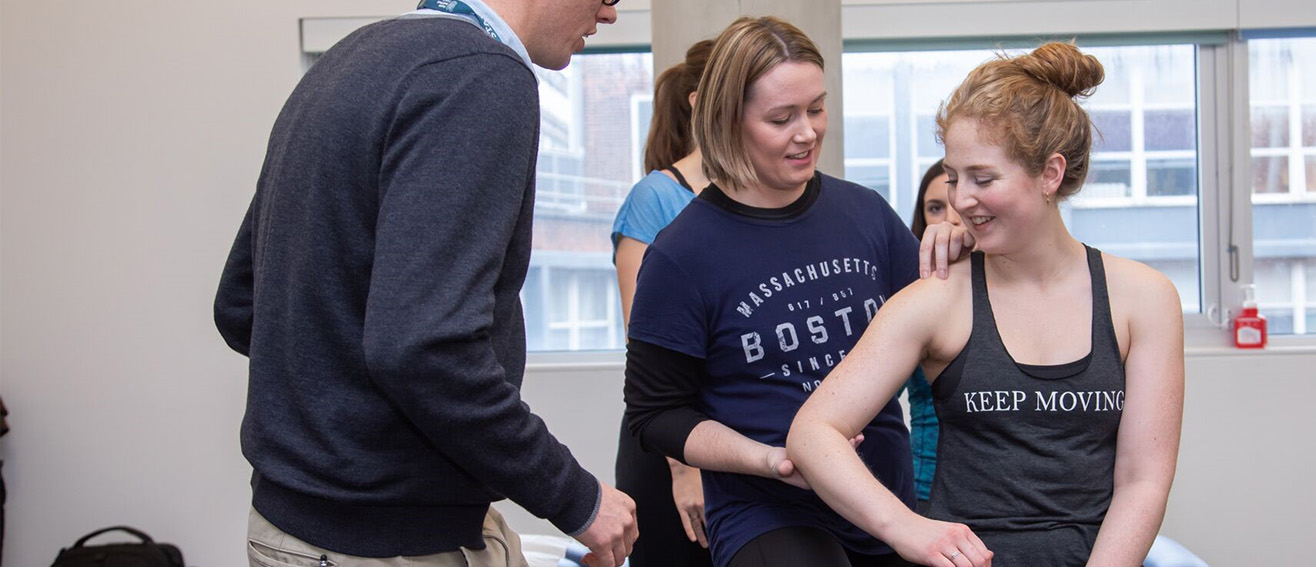
At Master’s level, you’ll move far beyond foundational skills translating advanced scientific theory into rigorous laboratory practice and applying complex concepts to real biomedical challenges. Your learning is driven by a blend of research‑informed lectures, high‑level practical sessions, data‑driven workshops and collaborative problem‑solving, creating an environment where you actively engage, question, analyse and work as part of a professional scientific community. This approach mirrors the expectations of modern biomedical workplaces, preparing you to operate confidently, independently and collaboratively in research, clinical and industrial settings.

You’ll train in specialist teaching and research laboratories equipped with industry‑standard technologies, gaining the technical and analytical capabilities needed for careers in biomedical science, biomedical research, pharmaceuticals, biotechnology, or further professional study. Throughout the programme, you’ll be supported by experienced academics and technical staff who are committed to your development as an advanced biomedical scientist.

Careers

What's in it for me?

Your next step into advanced biomedical science starts here

This MSc is designed for ambitious scientists seeking to shape the future of diagnostics, therapeutics, and disease understanding. At LSBU, you will develop cutting-edge expertise in molecular biology, infection science, cancer biology, and point-of-care technologies, delivered through hands-on practicals, real-world case studies, and research-informed teaching from experts with experience across clinical, research and industry settings.

You will develop advanced scientific, analytical, and leadership skills that are highly sought after across healthcare, pharmaceutical, and biotechnology sectors. With strong industry links and a curriculum aligned to professional standards, you will graduate ready to enter a field with significant workforce demand.

Alongside specialist training, you’ll build the leadership, management, quality and governance skills essential for progression into senior roles within clinical pathology services. And with a major research project at the heart of the course, you’ll deepen your expertise, strengthen your laboratory competence and produce impactful scientific work that sets you apart.

This is a future‑focused, professionally grounded Master’s that empowers you to lead, innovate and excel in a rapidly evolving biomedical landscape.

  • Accreditation by the Institute of Biomedical Science (IBMS), giving you recognition in the field and the option to register with the Health and Care Professional Council.
  • Expert insight from a wide range of academics who have worked in research, clinical practice, industry, and education.
  • Strong connections with industry stakeholders such as the NHS, research facilities and private companies in the healthcare sector.
  • Support, guidance and care at every step (93% of students say staff have supported their learning well, Discover Uni).
LSBU CareerSmart is your ultimate gateway to career success. Our innovative programme is designed to ensure you graduate with more than just a degree, providing the support you need to stand out in a competitive job market. We've got all the tools you need, including:
  • AI Powered Career Sets - Get instant personalised feedback on your CV and cover letter by submitting it via our AI powered career tool.
  • Gamification Interviews - Get ready to pass those interviews with unlimited training access to our gamification interviews and psychometric tests!
  • Personalised Career Development Dashboard - Keep up with your skills progression with free access to practical assessments, LinkedIn learning, mentoring, and industry-standard facilities.
We understand that you’re in the driver’s seat of your career, which is why we’re committed to matching your passion and energy every step of the way.

Entry Level Requirements

    • Academic entry criteria: 2.2 in BSc (Biomedical Science) or closely related courses such as BSc (Hons) Bioscience and BSc (Hons) Biochemistry. Other courses will be assessed on a case-by-case basis.
    • Non-academic e ntry criteria: Professional qualification of equivalence status and associated work experience, or an equivalent qualification deemed suitable by the Biomedical Science team.
    • English language requirements - if your first language is not English you should have an IELTS 6.5 with no element below 6.0.
    • Applicants are required to submit one academic reference.
    • If you are intending to do your research project in your workplace, an additional letter of support from your employer is required.

Choose your country

  • Afghanistan
  • Albania
  • Algeria
  • Angola
  • Argentina
  • Australia
  • Austria
  • Azerbaijan
  • Bahrain
  • Bangladesh
  • Barbados
  • Belgium
  • Botswana
  • Brazil
  • British Council Women in STEM Scholarships
  • Bulgaria
  • Cambodia
  • Cameroon
  • Canada
  • Chile
  • China
  • Colombia
  • Croatia
  • Cyprus
  • Czech Republic
  • Denmark
  • Dominican Republic
  • Egypt
  • Estonia
  • Ethiopia
  • Finland
  • France
  • Gambia
  • Georgia
  • Germany
  • Ghana
  • Greece
  • Hungary
  • India
  • Indonesia
  • Iran
  • Iraq
  • Ireland
  • Italy
  • Jamaica
  • Japan
  • Jordan
  • Kazakhstan
  • Kenya
  • Kuwait
  • Latvia
  • Lebanon
  • Libya
  • Lithuania
  • Luxembourg
  • Malaysia
  • Malta
  • Mauritius
  • Mexico
  • Mongolia
  • Morocco
  • Myanmar
  • Nepal
  • Netherlands
  • New Zealand
  • Nigeria
  • Norway
  • Oman
  • Pakistan
  • Poland
  • Portugal
  • Qatar
  • Romania
  • Russian Federation
  • Saudi Arabia
  • Senegal
  • Serbia
  • Sierra Leone
  • Singapore
  • Slovakia
  • Slovenia
  • Somalia
  • South Africa
  • South Korea
  • Spain
  • Sri Lanka
  • Sweden
  • Switzerland
  • Thailand
  • Trinidad and Tobago
  • Tunisia
  • Turkiye
  • Uganda
  • Ukraine
  • United Arab Emirates
  • United States of America
  • Uzbekistan
  • Venezuela
  • Vietnam
  • Zambia
  • Zimbabwe

Apply today

Find out more about the application process and apply today.

Apply now

Apply

Course delivery modes and application methods

Mode Duration Start date Application code Application method
Full-time 1 year September 6197 Direct to LSBU
Full-Time; Extended Research Project 2 years September 6198 Direct to LSBU
Full-time; With Placement 2 years September 6199 Direct to LSBU
Part-time 2 years September 6200 Direct to LSBU

How to apply

International students

International applicants can apply directly to LSBU and should consult our international how to apply guide for further information on the application process and key dates.

Accommodation

Prepare to start

Applicant events
After you’ve received your offer we’ll send you emails about events we run to help you prepare for your course. You’ll also be invited to our Applicant Taster Day so keep your eyes peeled!

Enrolment
Before you start your course, we’ll send you information on what you’ll need to do before you arrive and during your first few days on campus. You can read about the process on our enrolment pages.

Fees

United Kingdom

£13320

Tuition fees for home students

International

£19620

Tuition fees for international students

Tuition fees are subject to annual inflationary increases. Find out more about tuition fees for Undergraduate courses.

For more information, including how and when to pay, see our fees and funding section for undergraduate students.

Please check your fee status and whether you are considered a Home, EU or International student for fee-paying purposes and for our regulatory returns, by checking at the the UK Council for International Student Affairs (UKCISA) find your fee status page.

Visit our Policies and procedures page for details on fees policies.

Possible fee changes

The University reserves the right to increase its fees in line with changes to legislation, regulation and any government guidance or decisions.

The fees for international students are reviewed annually and the University reserves the right to increase the tuition fees to reflect increased costs of delivery and to maintain an a high-quality student experience. This increase would be no more than Consumer Prices Index (CPI) increases plus 5%.

Scholarships

We offer several types of fee reduction through our scholarships and bursaries. Find the full list and other useful information on our scholarships page.

Contact information

UK Course Enquiries

International team enquiry

Discover Uni Key Information

Register your interest