DENTAL HYGIENE BSc (Hons)

Overview

Contemporary Dental Hygiene

The BSc (Hons) Dental Hygiene is delivered in partnership with the Eastman Dental Hospital.  It presents with academic and clinical training pathways working in dental hospitals, general dental practices, and local communities aiming to meet the dental care needs of society today and in the future.

This programme is designed to be a leader and driver in the delivery of dental health care by supplying training and patient service (within the remit of the Dental Hygienist) with innovative ideas that foster our Trust values of – safety, kindness, improving and teamwork.

The BSc (Hons) Dental Hygiene (DH) programme aims for graduates to be ‘safe beginner’ clinicians, registerable with the General Dental Council.  Training is constructed to intertwine clinical skill with building a resilient clinician who is able to meet the increased demands of a changing population. By encouraging a focus on personal development and harnessing transferable skills you will become an adaptable member of the workforce who can work autonomously as well as undertake a whole host of health care employment opportunities.

This course has been provisionally accepted for accreditation by the General Dental Council. It is undergoing the normal process for full approval.

You will be able to:

  • Train in a world-leading and state of the art facilities
  • Be trained by a team who are leaders in the field of dentistry
  • Focus on personal qualities enabling you to be an autonomous learner and competent clinician
  • Experience a personalised learning journey with a small cohort size

Why Dental Hygiene at LSBU?

Working with our highly experienced dental teams allowing you to experience the real-world work environment.
Our course leads to professional registration with the General Dental Council as a Dental Hygienist.
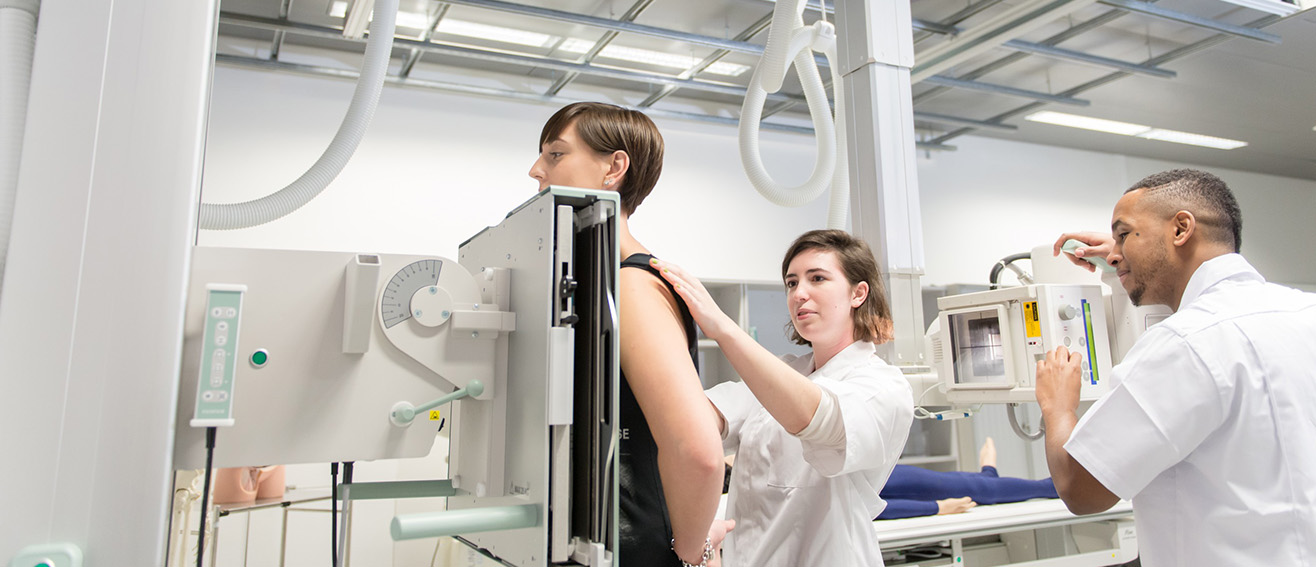
Dedicated facilities for simulation training laboratories at our Central London sites offering highly realistic virtual reality training.
Access to patients in year one.
A range of clinic placements within the Dental Hospital, Primary Care and the community allows for a diverse patient mix and experience.
LSBU Health and Social Care graduates are the second highest paid amongst all London Modern university graduates, and the sixth highest in the UK one year after graduating (DfE LEO data 2022).
Students on this course could be eligible to receive a non-repayable amount of up to £11,000 per academic year with the NHS Learning Support Fund.

Mode Duration Start date Application code Application method
ModeFull-time Duration3 years Start dateSeptember Application codeB751 Application method UCAS

Course Accreditations

  • General Dental Council

Location

London South Bank University student union is located at 103 Borough Rd, London SE1 0AA.

If you are visiting our Southwark Campus, you may wish to use our downloadable campus map (PNG File 466 KB). For information on accessibility, see our DisabledGo access guides. See our location page for more details.

Entry Level Requirements

Need further information? Call us on 0800 923 8888 to discuss entry requirements.

A Level BBB (must include Biology) or;

BTEC National Diploma DDM in Science or professionally relevant subject (we do not accept Health and Social Care) or;

Access to HE Diploma in Science or similar with 18 level 3 credits which must be in science; 30 Distinctions and 15 Merits or;

Equivalent level 3 qualifications also considered worth 120 points (must include science).

Applicants must hold 5 GCSEs A-C including Maths, English and Science or equivalent (reformed GCSEs grade 4 or above).  English and Maths must in place at the time of application

Applications are welcome from those with a nationally recognised dental nursing qualification, 2 years relevant dental experience (this must be post qualification) and Access to HE in Science (60 credits total) 45 credits level 3 graded Merit (15 credits being in Biology) OR A level – BB (must include biology).  Must include level 2 maths and English which should be in place at the time of application.

IELTS

All students whose first language is not English, must have IELTS-Academic English language proficiency at a minimum of IELTS band 7.0 in each component (must be within two year validity).

Specific entry requirements for our program include several important criteria to ensure the safety, suitability, and preparedness of all students.

Overseas students

The course is currently not open to international students.

European students with indefinite leave to remain may apply however we will not be able to confirm this until after validation and you will also need to already have a NARIC certificate in place alongside your overseas qualifications.

Application via  UCAS and following the admission and enrolments procedure.

Missing English and Maths qualifications?

If you do not have the required English and Maths qualifications needed to satisfy the entry requirements for this programme, we have courses available at our partner College that you can take to upskill in these areas. Find out more at South Bank College.

Advanced entry

If you have already completed some studies at another university, we may be able to consider you for advanced entry. Please see our advanced entry page for more information.

United Kingdom

£9790

Tuition fees for home students

International

£

Tuition fees for international students

Tuition fees are subject to annual inflationary increases. Find out more about tuition fees for Undergraduate or Postgraduate courses.

  • Full-time

    full-time

    BSC (Hons) Dental Hygiene (FT) - Year 1

    The fee shown is for entry 2026/27
    UK fee: £9790 International fee: £
    AOS/LSBU code: 5622 Session code: 1FX00
    Total course fee:

    * The full amount is subject to fee increases, the total shown below is based on current fees.

    UK: £29370

    BSC (Hons) Dental Hygiene (FT) - Year 2

    The fee shown is for entry 2026/27
    UK fee: £9790 International fee: £
    AOS/LSBU code: 5622 Session code: 2FX00
    Total course fee:

    * The full amount is subject to fee increases, the total shown below is based on current fees.

    UK: £29370

    BSC (Hons) Dental Hygiene (FT) - Year 3

    The fee shown is for entry 2026/27
    UK fee: £9790 International fee: £
    AOS/LSBU code: 5622 Session code: 3FX00
    Total course fee:

    * The full amount is subject to fee increases, the total shown below is based on current fees.

    UK: £29370

The international fee for this course shows as "£0" because this course is not open to international students.

For more information, including how and when to pay, see our fees and funding section for undergraduate students.

Please check your fee status and whether you are considered a Home, EU or International student for fee-paying purposes and for our regulatory returns, by reading the UKCISA regulations.

See our Tuition Fees Regulations (PDF File 391 KB) and Refund Policy (PDF File 775 KB).

Possible fee changes

The University reserves the right to increase its fees in line with changes to legislation, regulation and any government guidance or decisions.

The fees for international students are reviewed annually and the University reserves the right to increase the tuition fees to reflect increased costs of delivery and to maintain an a high-quality student experience. This increase would be no more than Consumer Prices Index (CPI) increases plus 5%.

Scholarships

We offer several types of fee reduction through our scholarships and bursaries. Find the full list and other useful information on our scholarships page.

International students

International applicants can apply directly to LSBU and should consult our international how to apply guide for further information on the application process and key dates.

Course delivery modes and application methods

Mode Duration Start date Application code Application method
Mode Full-time Duration 3 years Start date September Application code B751 Application method UCAS

Applications for September 2026 will open on Monday 3rd November 2025

Personal statement

Your personal statement helps us to assess your interest, knowledge and insight into the specific profession you are applying for and is an important part of our selection process. You should ensure that you demonstrate the personal qualities / skills to becoming a healthcare professional and the values embedded within the NHS constitution and General Dental Council Standards.

There will also be a face-to-face interview at the Eastman Dental Hospital (held during February 2026) which will consist of 2 parts, including a range of questions and a test which will assess your communication and comprehension.

See our top tips for writing your personal statement.

Considering your application

Your application will be circulated to a number of potential supervisors who will look at your academic qualifications, knowledge, experience and insight to the profession.

There will also be a face-to-face interview at the Eastman Dental Hospital (held during February 2026) which will consist of 2 parts, including a range of questions and a test which will assess your communication and comprehension.

If you are successful you will be offered a place on a course and informed of the next enrolment date. The whole process normally takes between six to eight weeks, from receipt of your application to a decision being made about your application at the School.

Results

If you are unsuccessful in your application to LSBU for this year you cannot apply through UCAS Extra or Clearing. However, you can apply for the following year.  It is important that you read the comments in the results statement so that you are prepared for any other interviews you may have.

Prepare to start

Disclosure Barring Service (DBS)

All pre-registration students need to be DBS cleared before going on placement. You’ll need to have an enhanced DBS check even if you have had one before and will not be able to go on placement until this is complete.

The DBS process is not difficult but can take some time so it's best to get started as soon as you receive your email. You will receive the email during Summer before the start of the programme commencement.

DBS update service

If you're part of the DBS update service, your subscription is up to date and you already have a DBS certificate, please bring in your original green DBS certificate for the document check. To take advantage of the update service, your certificate needs to be classified as 'Enhanced' and workforce must be listed as 'Adult and Child'. If you have any queries, please email us at hscdbsoh@lsbu.ac.uk.

How to complete your DBS

Our DBS supplier, Verifile, will send you an email with all the details you need to complete your DBS.

Verifile will give you instructions to log into their system and complete your personal details and information. To complete the process, you'll need your passport or driving licence and 5-year address history including dates when you moved in/out.

You can use your application number to track the progress of your DBS.

When you've finished, your Disclosure Statement will be mailed to the most recent address in your submission, so please make sure it's correct. We don't automatically receive a copy of this Statement, which is why we need you to bring it in as part of the next step.

Frequently asked questions

My Social Work friends said they need to pay. Do I need to pay?

Only Social Work applicants need to pay for their DBS. It costs £46 and can be purchased on our online store.

What do I need to declare on my DBS?

Please include any and all major and minor, spent and unspent convictions, cautions, warning and reprimands, even if they relate to juvenile offences or seem trivial or unimportant. Some minor offences will not prevent you from going on placement or being offered a place on your course, but still need to be reviewed so it’s best to be honest and include everything. Also, the more information you include about any offences can help reduce the time it takes to assess them.

I’ve applied for/had a DBS in past. Do I need to do it again?

Yes, you do. You need to have an up-to-date DBS. Once you have received the email from our DBS supplier make sure you start the process straight away. All details of how to do this will be outlined in the email. If you don’t complete your DBS in the timeframe given, we may withdraw your offer even if term has already started. So it’s important that you get started as soon as you receive the email.

Why do I need an enhanced DBS check?

Government legislation requires all Higher Education Institutions who offer courses where students may come into unsupervised contact with children or vulnerable adults to have this check. These checks also help us to ensure duty of care to our students, and create a safer environment for patients seen by our students.

Who reviews my DBS?

As part of the University’s admissions process, declarations of any offence may be referred to a virtual panel made up of senior managers from partner NHS Trusts and/or other sectors within Health and Social Care. Any DBS that is considered by the panel will be anonymised. The panel members then deliberate and make a recommendation whether the application be rejected, accepted or request further information or documents.

When will I hear back from the panel about my DBS?

If you have declared an offence, we might ask for more information from you in writing which will help the panel make a decision. Once your declaration has been referred to the panel it can take up to 28 working days to be processed.

Which address do I use?

You need to put your current address on your DBS application because this is where your Statement will be mailed. If you’ve moved house between submitting and receiving your DBS, make sure you have mail forwarding set up so that you’ll receive your statement. If you’ve moved recently, make sure you have proof of your new address (such as a new bank statement) to bring for your document checks.

I’ve lost my statement. What do I do?

If you’ve lost your statement you will need to pay £46 to purchase a new one.

I’ve had my application rejected due to my DBS declaration/disclosure. Can I appeal the decision?

Yes. If your application has been rejected due to your DSB declaration/discloser, you will be sent a letter to confirm this. There will be instructions in the letter about how you can appeal and which supporting information you need to provide. Once a decision has been made you will receive a letter from the School Executive Team.

Document check

Once you have completed the online part of the DBS process, you will need to produce three accepted documents from this list (PDF File 248 KB) to be verified.

Document check on campus

Southwark: Southwark Student Help Desk in the K2 building Monday – Friday between 9am-11am or 1pm-4pm

Document check at the Post Office

If you’re not able to come to campus, you can get your documents checked and certified at the Post Office for a fee of £10.50. To do this, make photocopies of your three accepted ID documents and take your DBS form, copies and originals of your documents to the Post Office. The Post Office will stamp the form and photocopies and given them back to you. Email your post office receipt, stamped form and stamped documents to hscdbsoh@lsbu.ac.uk.

Occupational Health (OH)

An exciting part of many of our Health and Social Care courses is the opportunity to learn off-campus and work with patients, clients and/or service users. Before you start, we need to make sure that you have the correct levels of immunisations.

Questionnaire

Once you have enrolled, students will be asked to complete an occupational health check, the first part is completing an online questionnaire sent from our occupational health provider.

GP appointment

The second part of your occupational health check is to get any inoculations that you may need from your GP. When attending your GP appointment, please take printed copies of these two documents with you.

Vaccination Screening Advisory Letter (PDF File 126 KB)
GP Vaccination and Screening History (PDF File 117 KB)

Occupational Health appointment

After these steps are complete you will receive an email from OHWorks Ltd inviting you to attend an appointment on-campus with an Occupational Health Nurse. These appointments take place during the week and sometimes when your classes have already started.

The OH team have prepared this guide (PDF File 588 KB) which outlines what to expect at each stage. If you have queries or concerns about your Occupational Health clearance or inoculations please contact the Occupational Health team.

Frequently asked questions

Do I need to be double vaccinated?

Yes - government legislation advises that everyone must be double vaccinated to work in a health care setting with effect from 1 April 2022.

What if I can’t make my OH appointment?

Please contact the OH team to reschedule at least 48 hours in advance. Remember that you won’t be able to go on placement until you’re cleared.

I’ve already registered with LSBU’s Disability and Dyslexia Support Unit (DDS). Do I still need to tell the OH Nurse about my condition?

Yes. Tell the OH Nurse about all conditions including specific learning difficulties even if you’ve declared these in the past. This will allow us to make reasonable adjustments whilst you’re on placement.

If I’ve declared a condition to the OH Nurse, do I need to register with LSBU’s Disability and Dyslexia Support Unit as well?

The information you share with the OH Nurse will be treated with confidence, meaning that it won’t be automatically shared with the DDS team. The DDS team can help you to receive support for your lectures, assignments and exams so it’s worth to register with them and provide evidence of your condition if you need this support.

Numeracy practice

Before starting your course, you may want to check or practice your numeracy skills. The National Numeracy Challenge is a free online tool that helps you learn, revise and quiz your essential numeracy skills. You’ll also be able to get a certificate to show your efforts.

Enrolment and Welcome Week

Before you start your course we’ll send you information on what you’ll need to do before you arrive and during your first few days on campus. You can read about the process on our new students pages.

Uniforms

Most placements and some practical sessions in our skills laboratories will require you to wear a uniform and name badge. You will be measured for uniforms specific to your course as part of your Welcome Week activities after enrolment. In the meantime, we have prepared answers to frequently asked questions that you might find useful.

Students are not allowed to wear false nails, false eyelashes, jewellery or nail polish, as part of the trust uniform policies. All uniforms require students to be bare below the elbow for infection control purposes.

Frequently asked questions

Do I get a uniform for when I go on placement?

Yes, LSBU will supply you with uniforms for your placement with the exception of Social Work and Health and Social Care BSc students who are not required to wear uniforms for their placements.

Which uniforms will I receive?

Nursing and midwifery students will receive two pairs of trousers, three tunics and a name badge. Polo shirts will be issued instead of tunics for students studying mental health nursing, physiotherapy, chiropractic and sport rehabilitation. ODP students will receive one set of scrubs top and trousers.

How long do the uniforms need to last?

The items are to last for the duration of your programme of study.

How do I know what size I am?

A measuring and distribution service will be available by the uniform provider at Southwark campus. As garments are fitted for work purposes they need to allow for flexibility of movement so it’s best to have the uniform provider measure you up.

Am I able to request a longer tunic?

You can request a longer tunic for religious or medical reasons. To do this, you should advise the uniform supplier at the measuring session. These tunics are 2 inches longer and sleeves finish just above the elbows. Due to infection control, full length sleeves are not permitted.

Can I use a preferred name or a nickname on my name badge?

Name badges are professional and need to include your formal names.

What do I do if I lose or damage my name badge?

You can order a replacement name badge direct with the uniform provider. Badges need to be worn at all times when you are at placement.

Can I order more uniforms?

You are welcome to purchase additional items at Work in Style. You will need to log in using your student ID and then follow the step-by-step instruction. Please note that dresses are not available.

Can I try on my uniforms?

You should try on your uniforms the day you receive them so that the staff at the measuring service can help arrange any size exchanges. If you choose not to try on your uniforms and require different sizes at a later date you will need to purchase these through the uniform provider’s online portal at your own cost.

What do I do with my uniform after I complete my studies?

They are yours to keep – you do not need to return the garments.

Practice placements

Most health and social care courses’ practice placements will operate outside normal working hours e.g. evenings, nights, weekends and bank holidays.

Holidays

Your holiday periods will not follow the normal University timetable because of placements. You’ll receive more details once you start your course.

Four core modules in year one underpins the theoretical and scientific knowledge needed to deliver clinical care in periodontology. Aligned with this is the commencement of personal and professional practice which intends to raise personal self-awareness and expectations of registrants beyond the realm of technical skills.

Year 1

  • Human Health and Disease - 20 credits
  • This module provides the essentials of human anatomy, physiology, embryology and the diseases/disorders that most commonly affect general and oral health. The module content also emphasises the clinical application of foundational knowledge, providing students with the critical understanding needed to contextualise biological and chemical processes within healthcare delivery. By bridging theoretical concepts with clinical relevance, the module prepares students to recognise the underpinning nature of human health and diseases. Learning is enriched through lectures, flipped teaching, interactive activities, and e-learning resources enabling dynamic engagement and enhancing their ability to deliver informed, patient-centered care.

  • Foundations in Clinical Skills & Practice - 40 credits
    The Foundations in Clinical Skills and Practice Module equips dental hygienists with essential skills, ensuring they gain the knowledge and abilities required to perform treatments safely within a dental environment. This module immerses students in a simulated clinical setting, adhering to the key policies and principles expected of dental professionals. Additionally, it emphasises the importance of reflection and its contribution to learning and development, as well as the transition into a regulated dental profession, preparing students for the responsibilities and standards they will encounter in their training.
  • Oral and Dental Sciences - 40 credits
  • The Oral and Dental Sciences module provides a comprehensive introduction to the development, anatomy, physiology, and histology of human craniofacial and oral structures. This module equips students with a solid foundation in understanding the scientific principles behind common oral diseases. Additionally, students will explore diagnostic techniques, preventive measures, and treatment options. The module emphasises the importance of oral health in overall well-being and prepares students for further mastery in their studies and professional practice, particularly when entering and progressing in the clinical setting.

  • Personal & Professional Practice 1 - 20 credits
  • This module introduces the foundation knowledge in the domain of Interpersonal Skills, Professionalism and Self-management identified within ‘The Safe Practitioner’ framework by the General Dental Council (GDC, 2023). This module highlights the fundamentals of effective communication, emotional awareness, ethics and integrity of professionalism, effective organisation and time management relevant to a dental clinician. Demonstrating relevant professional behaviours and standards, listed within the GDC’s 9 principles (GDC, 2013), forms the expectation of this module.Skills for learning through reflective practice; gaining insight to self-management for personal well-being and growth will be explored to set the student’s journey to lifelong learning.

    Year 2

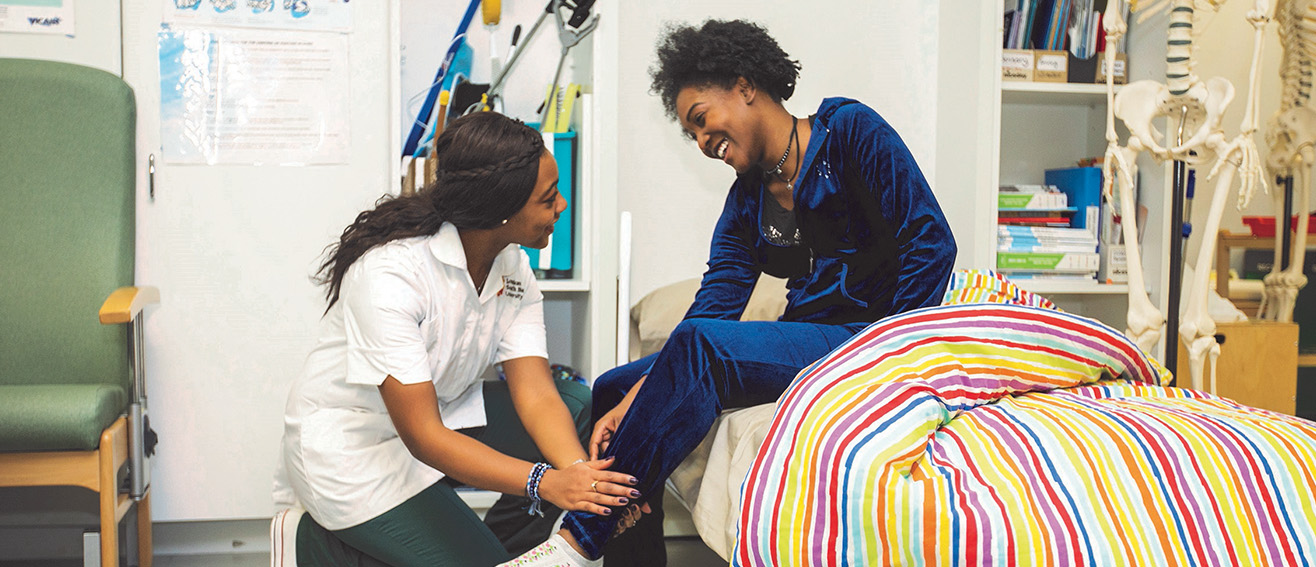
    You will have the opportunity to undertake placements within the different dental specialties at the Royal National ENT and Eastman Dental Hospital. These could include adult and paediatrics, radiology and dental imaging, and special care dentistry.

  • Applied Clinical Practice in Dental Hygiene - 40 credits
    Following the successful completion of Foundations in Clinical Skills and Practice students begin treating patients uniting their knowledge base and practical skills to manage patient’s needs pertaining to periodontal diseases and oral health management. This module also incorporates the additional skills of dental radiology and imaging, as well as clinical photography. Students must comply with health and safety legislation and demonstrate professional conduct and clear communication methods with patients, staff and peers.
  • Dental Radiography and Imaging - 20 credits
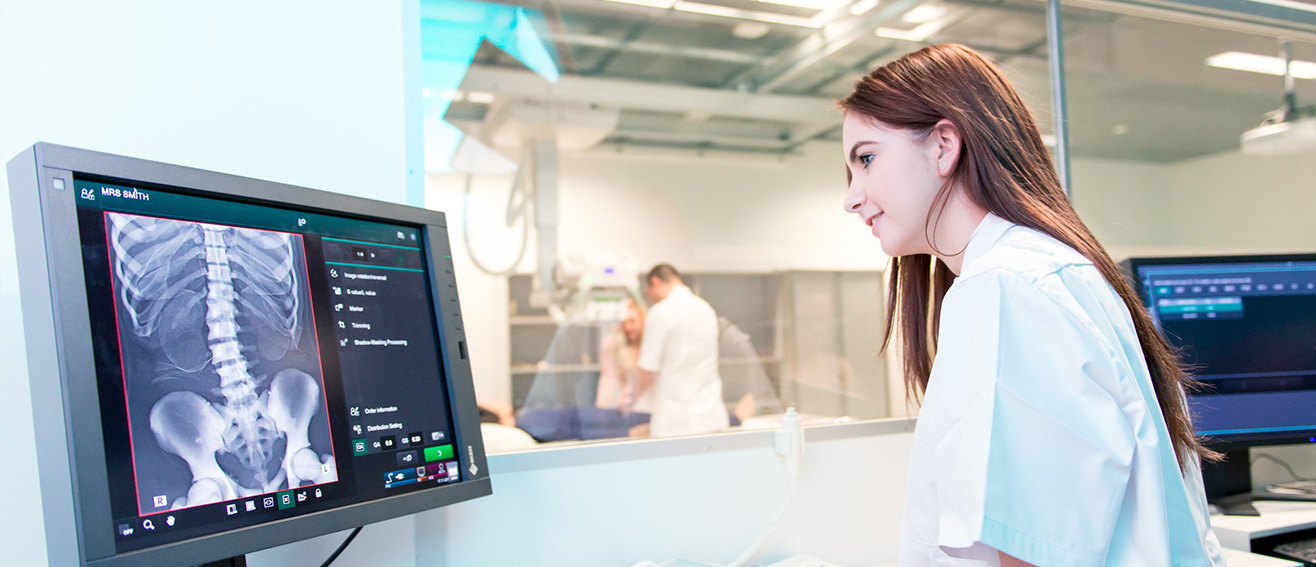
  • The Radiography & Imaging module aims to develop awareness of the role of radiography in dental care, covering the principles of x-ray production and interaction with matter. It ensures students understand safe working practices and health and safety legislation. Additionally, students will learn to take various radiographic views in supervised clinical practice and gain skills in radiographic interpretation, enabling them to accurately assess and diagnose dental conditions and use as an adjustive tool in delivering clinical care.

  • Integrated Clinical Care and Social Accountability - 40 credits
  • This module integrates various dental disciplines and offers opportunities for interprofessional learning through collaboration with multidisciplinary teams. It provides exposure to the broader aspects of the healthcare profession, focusing on individual patient care, community, and population health. Students will engage in lectures, observations, and clinical experiences across various dental disciplines. By treating patients with complex conditions, they will refine their skills in history-taking and clinical judgment, supporting both patients and their caregivers. The module will explore the broader context of health systems, dental care, social trends and demographics, aiming to understand healthcare barriers, promote sustainability and reduce inequalities.

  • Personal & Professional Practice 2 - 20 credits
  • The P&PP2 module builds on P&PP1, enhancing Interpersonal Skills, Professionalism, and Self-management within the ‘The Safe Practitioner’ framework (GDC, 2023). It emphasises teamwork, interprofessional collaboration, and patient safety ethics. Critical reflective learning includes evidence-based practice appraisal, micro-teaching, and quality improvement. The module focuses on multisource feedback, self-regulation, action planning, and showcasing success or redirection. Strategies for self-care and performance monitoring based on feedback are explored, promoting professional growth and well-being. This approach ensures continuous improvement and adherence to high standards of practice, supporting overall well-being and preventing burnout.

    Year 3

  • Consolidated Clinical Practice - 40 credits
  • The Consolidated Clinical Practice module enhances clinical skills and emphasises the mastery of the field by treating patients holistically. Students consolidate their experiences to meet the physical, emotional, and social aspects of patient care. This holistic approach, combined with rigorous clinical practice and classroom learning, prepares students to become proficient and empathetic clinicians. By integrating these elements, the module ensures that graduates are not only technically competent but also capable of delivering patient-centered care, meeting the highest standards of professional practice.

    Importantly, this module consolidates all aspects of learning from previous years and corequisite modules, making it clear that it is designed to foster a safe and competent practitioner ready to enter the workforce. This comprehensive integration ensures that students are well-prepared to handle the complexities of clinical practice independently.

  • Research and Dissertation - 40 credits
  • Final-year students will undertake an independent research project relevant to oral health.  This module introduces students to the field of research and the experience of conducting ethical research. Students will source, select, and critically appraise relevant literature to produce a dissertation, poster and presentation. Experiences will include individual and group-based interactive activities, external engagement, and one to one supervision. Majority of this module is student-led relying on self-directed learning, motivation and project management skills.

  • Personal & Professional Practice 3 - 20 credits
  • Personal and Professional Practice 3 equips final-year dental hygiene students with advanced non-clinical skills essential for effective healthcare delivery. This module focuses on self-awareness, managing biases, emotional intelligence, handling non-clinical complex situations and Inclusive Teaching and Learning. It integrates management, leadership, resource management, and quality improvement processes embedded in every clinical session. The module consolidates skills from the previous two years, aligning with the General Dental Council’s Safe Practitioner Framework for Dental Hygienists, particularly in Interpersonal Skills, Professionalism, and Self-management. Students will enhance their ability to provide equitable care, emphasising emotional intelligence, self-regulation, and resilience, and adopting an effective teamwork approach.

  • Preparing for Practice - 20 credits
  • This final year module equips dental students with essential skills for professional practice. It focuses on collaboration with industry leaders, exploring innovations in dental technology, and understanding employment methods for clinicians. Students will engage with experts, learn about cutting-edge tools like digital dentistry/clinical technologies available and receive guidance on job market preparation. Additionally, the module covers the business aspects of dentistry, including practice management and financial planning. By the end, students will be well-prepared to enter the dental profession confidently and successfully.

    Exit to registration- 0 credits

    This module ensures a comprehensive evaluation of the student's academic, clinical, and professional milestones, including engagement and fitness to practice. It confirms that all requirements are met with no outstanding issues, ensuring eligibility for the General Dental Council register. The training provider must verify that students have achieved the necessary standards before registration. It incorporates feedback and evaluations from the Student Progress Committee to provide a holistic view of the student's readiness.
    Students are not required to complete any further activities for this module. Evaluations are taken from their full progression on the course by taking set domains into account.

Careers

Employability Service

At LSBU, we want to set you up for a successful career. During your studies – and for two years after you graduate – you’ll have access to our Employability Service, which includes:

  • An online board where you can see a wide range of placements: part-time, full-time or voluntary. You can also drop in to see our Job Shop advisers, who are always available to help you take the next step in your search.
  • Our Careers Gym offering group workshops on CVs, interview techniques and finding work experience, as well as regular presentations from employers across a range of sectors.

Our Student Enterprise team can also help you start your own business and develop valuable entrepreneurial skills.

On successful completion of the course you will gain your BSc (Hons) in Dental Hygiene, which means you can register with the General Dental Council (GDC). You can then work as a registered Dental Hygienist in the public and private sector. As your career progresses, you could move into other areas such as owning your own dental practice, dental company representative, key speaker, clinical advisor and advance in your clinical and academic career moving towards and MSc or a PhD.

As a graduate from this course, you can apply for further study at postgraduate level.

This course is designed to meet the requirements set out by the General Dental Council for students to be put forward for registration.

The teaching faculty are actively involved within the profession nationwide via various networks which include:

  • General Dental Council
  • Professional Bodies  - British Society of Dental Hygiene & Therapy (BSDHT), British Association of Dental Therapy (BADT), British Society of Periodontology (BSP)
  • Board member
  • External Examiners
  • Higher Education Academy
  • Editorial boards on publications committees

The Eastman Dental Hospital Education Centre is closely linked with Health Education England which allows widening of networks and uptake of new opportunities from clinical to strategic level.

Within your curriculum you may be taught by guest lecturers who may include representatives from other health care disciplines within and externally to the Trust and market leading dental companies.

The course has received initial approval from the General Dental Council (GDC) and final accreditation will be provided upon completion of the first cohort.

Placements

Clinical placements are embedded throughout the program and commence following the successful completion of the pre-clinical patient safety gateway assessments. The clinical placements provide a rich learning environment to prepare students for professional practice. Students will be able to develop their clinical skills working towards the competence of a dental hygienist.

Year 1

You will undertake clinical patient care within the Royal National ENT and Eastman Dental Hospitals. Prior to each placement you will have an induction and meet the clinical supervisors and support teams.

Year 3

The overall aim allowing you to prepare for working life in dental workforce as an independent practitioner.

Teaching and Assessment

The programmes adopt a spiralling modular approach to the delivery of its content allowing the opportunity for progressive upskilling and revisiting vital aspects of dentistry, allowing for key areas to be embedded within the three years. Teaching and learning activities are patient and student-centred and provide opportunities for genuine and contextual learning.

Staff deliver education in a variety of teaching and learning methods (blended learning) throughout the programme.  These are designed to match the learning outcomes and to provide each student with experience of methods best suited to their own learning style, supporting the move to an independent and self-directed mature learner.

You will come across various modes of assessment which includes some of the below:

  • Written examination papers
  • Written reports
  • Reflective writing
  • Presentations (individual and group)
  • Practice Based Learning record
  • Personal and professional development portfolio
  • OSCE (Objective Structured Clinical Examinations)
  • Dissertation
  • Case based discussions
  • Case Presentations (seen and unseen)
  • Assessments of Clinical Competence (ACC).
  • Clinical targets
  • Group work activities

Personal tutoring

As one of our students, you will be allocated a named tutor during your first three weeks at LSBU. The role of your tutor is to be your primary contact for your development support.

A personal tutor will support you to get the most of your time on the programme, providing advice and signposting to other sources of support in the University. They should be the first person that you speak to if you are having any difficulties that are affecting your work. These could be academic, financial, health-related or another type of problem.

You can contact your tutor for additional support by email.

Assessment

The programme is structured in a modular framework encompassing a mixture of formative and summative assessments. In conjunction to assessing the learning outcomes the assessment framework is driven by ‘who the student will become’, it is imperative the students make connections across modules, enhancing their meaning and drive. The formative and summative assessments have been selected to ensure the appropriate level of knowledge being achieved corresponding to each year group.

Prior to entering the clinical environment, patient safety must be assured at the appropriate level by assessing academic and clinical competence. Various methods of assessment have been included to ensure measures are contextual and relevant to support the candidate transitioning from simulation to clinical service.

The range of assessments reflects the range of learning outcomes and achieves both self-knowledge and allows the ability to monitor abilities and progression.

Throughout the programme students will be assessed in each practice placement against specific standards applicable for the year group. Clinical competences are carefully designed at each level to facilitate progressive development and relate to the achieving specific skills required for a set task demonstrating independent practice for that level.

Register your interest

Contact information

Course Enquiries - UK

Tel: 0207 815 7500

International team enquiry

Tel: +44 (0) 20 7815 6189

Discover Uni - Key Course Stats

Full Time