Book an open dayGet info and updates

icon_cup_red.svg

100% of students on this course say that teaching staff are good at explaining things (National Student Survey, 2025).

icon_rocket_red.svg

Benefit from subsidised industry-relevant professional qualifications in strength and conditioning and in supporting people with long-term health conditions.

icon_people_red.svg

Learn the latest evidence-based practice with research informed teaching.

Overview

A supportive, career-focused degree that develops the next generation of health, exercise and sport professionals.

Our BSc (Hons) Sport, Exercise and Health Sciences provides students with a strong scientific understanding of how the body and mind work, while developing the practical skills needed to help people lead healthier, more active lifestyles and enhance performance in competitive sport. From exploring the role of physical activity and wellbeing in society to applying advanced training principles in elite sport, students learn through hands-on experience, real-world placements, and supportive teaching. This course prepares graduates for meaningful careers in clinical exercise, health and wellbeing, research, teaching, coaching, and high-performance environments, giving them the knowledge and confidence to make a positive impact on people’s lives.

The BSc (Hons) Sport, Exercise and Health Sciences provides students with the scientific understanding and practical skills they need to succeed in a growing and meaningful field. Across the programme, students explore how physical activity supports lifelong health and wellbeing, how to encourage positive behaviour change in communities, and how elite athletes achieve peak performance. With practical laboratory work, coaching experience, placement opportunities and specialist training, students gain the confidence, professionalism and real-world insight valued by employers. This degree helps every student progress—whether their goal is improving community health, supporting individuals with long-term conditions, or working at the highest levels of sport.

BSc Sport, Exercise and Health Sciences at LSBU

Is this course right for me?

If you’re passionate about understanding how the human body moves, performs, and recovers, and how this knowledge can improve lives, then this course is for you. If you’re ready to apply your curiosity and drive to real-world challenges in sport, exercise, and health, then this course is for you. If you want to be part of a community that supports, challenges, and inspires each other, helping to make the world of sport and health more inclusive and impactful, then this course is for you.

 Above all though, if you’re hungry to create your own version of success then LSBU is right for you. Because the making of you doesn’t begin and end with just your degree, everything that’s brought you here today is part of your story; your experiences, the life you’ve lived, the skills you’ve gained and the goals you’re chasing.

Not only do we see this, but we value that in you. We’re not in the business of forcing you into moulds, instead we’re here to help you break them. If you’re ready to embark on a journey of hard work, fulfilment and self-discovery, then Sport Rehabilitation at LSBU is definitely right for you.

Does this sound like the right fit for you? Then read on to discover our course content.

Course Content

What will I learn? 

In your first year, you’ll build a strong foundation in anatomy, physiology, and human movement, alongside core skills in coaching, exercise testing, and client consultation. You’ll explore how the body functions, responds to exercise, and recovers from stress and injury, while developing practical techniques in musculoskeletal assessment, sports massage, and goal-driven programme design. Modules in nutrition and sport psychology introduce the role of diet, behaviour, and coaching in supporting health, performance, and well-being, preparing you to apply theory confidently in real-world settings.

Year two focuses on applying your knowledge to real-world sport and rehabilitation contexts. You’ll deepen your understanding of biomechanics, strength and conditioning, and neuro-musculoskeletal rehabilitation, while developing practical skills through structured placements in our sports clinics and performance facilities. You’ll also advance your research and analytical skills, exploring physical activity, health, and psychology, and begin planning your independent research project. This year bridges the gap between theory and professional practice, equipping you with the experience, critical thinking, and professional competencies needed to work safely and effectively in sport and rehabilitation settings.

In your final year, you’ll refine your skills as a confident, work-ready practitioner. You’ll complete an independent research project and study advanced modules in strength and conditioning, applied sport psychology, and exercise prescription for special populations. Environmental exercise physiology develops your understanding of how external factors influence performance and recovery. Alongside practical placements, you’ll consolidate your clinical, coaching, and assessment skills, preparing you to support athletes and clients safely and effectively, and to enter the sport, exercise, and rehabilitation profession as a highly skilled specialist.

This module builds foundational knowledge in anatomy, physiology, and energy systems to support effective exercise programming. It introduces students to the professional responsibilities of a Gym Instructor, aligned with CIMSPA standards, and equips them with practical skills in client consultation, pre-exercise screening, and health-related fitness assessment. Students will also learn to interpret assessment data and design tailored, goal-driven exercise programmes with confidence and competence.

This module introduces the scientific foundations of human movement, including musculoskeletal anatomy, anatomical terminology, and core principles of kinesiology and biomechanics. It also develops students’ practical skills in anatomical palpation for clinical application. 

This module introduces students to the integrated functions of the human body. It develops foundational knowledge in cellular, tissue, and organ system physiology, introduces key concepts in exercise physiology, and equips students with analytical skills for interpreting laboratory data in health and exercise contexts.

This module aims to introduce students to the fundamental principles of human nutrition as a multidisciplinary perspective relating to human health and wellbeing, with an introduction to the role of nutrition in sport and exercise. Key concepts of nutritional requirements, food chemistry, macro and micronutrient functions will be explored, and dietary recommendations for the maintenance of health and well-being examined. The role of nutrition in the context of physical activity will be introduced.

This module explores sport psychology and coaching through an ecological dynamics perspective whilst introducing the application of psychological concepts in exercise and performance. Students develop knowledge of factors that are important for the development and optimisation of sports performance, whilst also learning to design and deliver coaching sessions that promote positive, inclusive, and challenging environments. Emphasis is placed on practical coaching experience, critical analysis, and reflective practice, enabling students to integrate theory and evidence into real-world coaching.

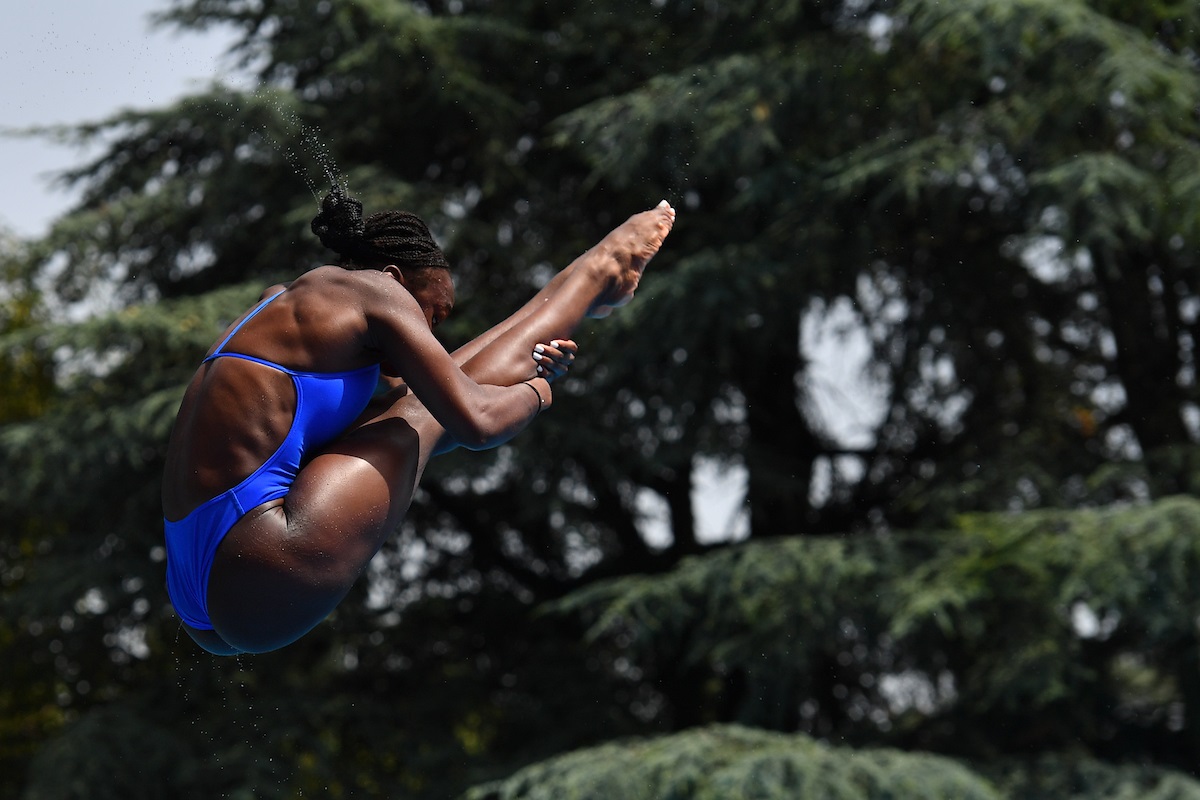
This module will introduce students to the mechanical principles that underpin sports performance and common movement patterns. Students will then apply this knowledge to a real-world context (eg, sports injury) throughout the semester. There will be a series of problem-based learning tasks, each focussing on applying an experimental technique/equipment to the context in question. At the end of this module, students will have enhanced their foundational knowledge of kinesiology and biomechanics and further developed their analytical and digital literacy skills.

This module will develop students’ knowledge of training theory and advance their understanding of training programme design. It will focus on how to optimise physiological responses and adaptations to exercise training, including the use of nutritional ergogenic strategies. The module will also give coaching and technical knowledge in weightlifting and other training methodologies. 

This placement module provides an opportunity for students to gain essential practice-based experience within the in-house sports clinics (for students on the Sport Rehabilitation pathway) and the Human Performance Centre (for students on the Sport, Exercise and Health pathway).
It will advance students’ theoretical understanding and practical skills to safely and autonomously deliver therapy and/or fitness and health assessments, and introduce evidenced based therapeutic techniques used in the treatment of acute and chronic neuromusculoskeletal injuries. In addition, students will be upskilled in employability techniques and develop their professional competencies required within the sport, exercise and health sector. 

This module provides a foundational introduction to statistics and research methods, equipping students with essential digital literacy skills using tools like Microsoft Excel and SPSS. Students will gain practical experience in organizing, analyzing, visualizing, and interpreting both qualitative and quantitative data. The curriculum also explores the full research process—from study design to writing experimental reports—while fostering critical engagement with academic literature and promoting awareness of ethical considerations and workplace risk assessment. By the end of the module, students will have chosen a research project title which they will work on in their self-managed time with their allocated supervisor during semester 2 and into Level 6. 

This module explores the role of physical activity in promoting health and wellbeing throughout life. It advances students’ understanding of human physiology and examines the scientific and public health foundations of current activity guidelines, the risks of inactivity, and methods for assessing physical activity and behaviour change. Students will also investigate how social, environmental, and policy factors influence participation and health literacy, using evidence to inform effective practice. 

This module advances students’ understanding of sport and exercise psychology by exploring psychological factors influencing performance and overall well-being. It emphasizes the integration of theory, research, and applied practice, with a strong focus on the biopsychosocial model of health. Students will engage in practical learning through three structured experiments that illustrate key psychological principles in sport and exercise contexts. Alongside these practicals, students will critically evaluate psychological strategies for enhancing performance. The module prepares students for professional roles in sport, and exercise science. 

This module requires students to plan, carry out, report and defend an extended piece of research in a chosen topic within sport, exercise and health sciences. Students’ knowledge and understanding of the entire research process and their particular chosen topic will be further developed from Research Methods in Level 5 with timetabled classes, self-managed time in laboratories, field or clinic environments, and through scheduled meetings with their supervisor. A pre-requisite for experimental work is successful approval of an ethics application.

This module deepens students’ understanding of the scientific foundations of strength and conditioning, while fostering the ability to critically evaluate and design evidence-based programmes and recovery strategies. It emphasizes athlete assessment and monitoring, alongside the development of technical and instructional skills. Students also cultivate reflective interpersonal and professional competencies essential for working effectively with individual athletes and teams.

This module provides the opportunity for students to further their knowledge of the biopsychosocial model of health. It develops skills in assessment and clinical decision-making to address psychological contributors to health, while equipping students with strategies to improve participation, enjoyment, and recovery. Key areas include the psychological role in injury rehabilitation, return-to-play, and long-term wellness, as well as managing pain behaviours and performance issues through evidence-based psychological approaches. 

This module explores the role of exercise in supporting special populations, framed by current policy, evidence, and professional standards. Students will develop their knowledge of health and behaviour change and further understand the physiological, psychological, and social factors influencing participation. They will go on to explore epidemiology and health research and learn how common pathologies and chronic illnesses impact on the body and how they can be managed with the suitable prescription of exercise. This module is mapped to the professional standard of ‘working with people with long-term conditions’ allowing students to be a specialized exercise practitioner upon completion of their studies. 

This module focuses on building a scientific understanding of how environmental conditions and travel impact human physiology, particularly in athletic and performance contexts. Students will critically assess ergogenic aids and technologies aimed at enhancing recovery and performance under such challenges. Through hands-on experience, they will refine practical skills in physiological testing and gain confidence in interpreting data to deliver clear, evidence-based recommendations. 

* Modules are subject to review and change throughout the year.

Teaching and Assessment 

How will I learn?

The course employs a diverse range of teaching and learning strategies to meet varied learner needs. Delivery is structured around seminars, supported by practical and laboratory sessions, problem-based learning, group work, and both synchronous and asynchronous online activities.

Where will I learn?

Explore life at LSBU from anywhere - take a virtual tour to explore our campus, discover key facilities and experience what student life is like.

Careers

What’s in it for me? 

This is your future. Your career. Your success. And we’re here for it.

Going to university might just be the biggest investment you ever make, but with us by your side you can turn a degree into a bright future, full of purpose, passion and career you can be proud of (which may be why our graduates earn the highest average salaries across London Modern universities).

With Sport, Exercise and Health Sciences at LSBU, you’ll get:

  • Employability embedded throughout this course. From practical, skills-based modules at every level to a dedicated Level 5 work-based placement, you’ll build the professional expertise that employers value.
  • The chance to boost your CV with nationally recognised professional qualifications, subsidised by the course, and gain hands-on experience through research internships.
  • The LearnWell programme lets you apply your skills in real-world environments, working with University sports teams, external clubs, and community organisations. You can also join the Sports Ambassador programme, earning money while contributing to local sport projects.

Sport, Exercise, and Health Sciences graduates typically go on to careers in:

  1. Elite sport and performance
  2. Clinical exercise, health, and wellbeing
  3. Research, teaching, coaching, and sport development

This course is designed to prepare you for all three pathways, giving you the knowledge, skills, and experience to succeed in your chosen field.

LSBU CareerSmart is your ultimate gateway to career success. Our innovative programme is designed to ensure you graduate with more than just a degree, providing the support you need to stand out in a competitive job market. We've got all the tools you need, including:

  • AI Powered Career Sets - Get instant personalised feedback on your CV and cover letter by submitting it via our AI powered career tool.
  • Gamification Interviews - Get ready to pass those interviews with unlimited training access to our gamification interviews and psychometric tests!
  • Personalised Career Development Dashboard - Keep up with your skills progression with free access to practical assessments, LinkedIn learning, mentoring, and industry-standard facilities.

We understand that you’re in the driver’s seat of your career, which is why we’re committed to matching your passion and energy every step of the way.

Find out more

Entry Level Requirements

To gain entry onto this course you will need 112 UCAS points or equivalent Level 3 qualifications. 

Please feel free to call us on Call us on 0800 923 8888

Choose your country

  • Afghanistan
  • Albania
  • Algeria
  • Angola
  • Argentina
  • Australia
  • Austria
  • Azerbaijan
  • Bahrain
  • Bangladesh
  • Barbados
  • Belgium
  • Botswana
  • Brazil
  • British Council Women in STEM Scholarships
  • Bulgaria
  • Cambodia
  • Cameroon
  • Canada
  • Chile
  • China
  • Colombia
  • Croatia
  • Cyprus
  • Czech Republic
  • Denmark
  • Dominican Republic
  • Egypt
  • Estonia
  • Ethiopia
  • Finland
  • France
  • Gambia
  • Georgia
  • Germany
  • Ghana
  • Greece
  • Hungary
  • India
  • Indonesia
  • Iran
  • Iraq
  • Ireland
  • Italy
  • Jamaica
  • Japan
  • Jordan
  • Kazakhstan
  • Kenya
  • Kuwait
  • Latvia
  • Lebanon
  • Libya
  • Lithuania
  • Luxembourg
  • Malaysia
  • Malta
  • Mauritius
  • Mexico
  • Mongolia
  • Morocco
  • Myanmar
  • Nepal
  • Netherlands
  • New Zealand
  • Nigeria
  • Norway
  • Oman
  • Pakistan
  • Poland
  • Portugal
  • Qatar
  • Romania
  • Russian Federation
  • Saudi Arabia
  • Senegal
  • Serbia
  • Sierra Leone
  • Singapore
  • Slovakia
  • Slovenia
  • Somalia
  • South Africa
  • South Korea
  • Spain
  • Sri Lanka
  • Sweden
  • Switzerland
  • Thailand
  • Trinidad and Tobago
  • Tunisia
  • Turkiye
  • Uganda
  • Ukraine
  • United Arab Emirates
  • United States of America
  • Uzbekistan
  • Venezuela
  • Vietnam
  • Zambia
  • Zimbabwe

Additional Info

If you do not have the required English and Maths qualifications needed to satisfy the entry requirements for this programme, we have courses available at our partner College that you can take to upskill in these areas. Find out more at South Bank College.

Need further information?

Call us on 0800 923 8888 to discuss entry requirements.

More contact info

Apply

Course delivery modes and application methods

Mode Duration Start date Application code Application method
Full-time 3 years September C601 UCAS

International (non Home) applicants should follow our international how to apply guide.

How to Apply

International students

International applicants can apply directly to LSBU and should consult our international how to apply guide for further information on the application process and key dates.

Accommodation

Students should apply for accommodation at London South Bank University (LSBU) as soon as possible, once we have made an offer of a place on one of our academic courses. Read more about applying for accommodation at LSBU.

Test 

Prepare to start

We help our students prepare for university even before the semester starts. To find out when you should apply for your LSBU accommodation or student finance read the How to apply tab for this course.

Fees

United Kingdom

£9790

Tuition fees for home students

International

£17400

Tuition fees for international students

Tuition fees are subject to annual inflationary increases. Find out more about tuition fees for Undergraduate or Postgraduate courses.

full-time

Full-time Year 1 - All Available Courses

BSc (Hons) Sport and Exercise Science (FT) - Year 1 FT Southwark SEPT
The fee shown is for entry 2026/27
UK fee: £9790 International fee: £17400
AOS/LSBU code: 836 Session code: 1FS00
Total course fee for this location/stream:

* The full amount is subject to fee increases, the total shown below is based on current fees.

UK: £29370
International: £52200

Full-time Year 2 - All Available Courses

BSc (Hons) Sport and Exercise Science (FT) - Year 2 FT Southwark SEPT
The fee shown is for entry 2026/27
UK fee: £9790 International fee: £17400
AOS/LSBU code: 836 Session code: 2FS00
Total course fee for this location/stream:

* The full amount is subject to fee increases, the total shown below is based on current fees.

UK: £29370
International: £52200

Full-time Year 3 - All Available Courses

BSc (Hons) Sport and Exercise Science (FT) - Year 3 FT Southwark SEPT
The fee shown is for entry 2026/27
UK fee: £9790 International fee: £17400
AOS/LSBU code: 836 Session code: 3FS00
Total course fee for this location/stream:

* The full amount is subject to fee increases, the total shown below is based on current fees.

UK: £29370
International: £52200

While these numbers might seem quite daunting at first, it’s important to note that the student loan system is in place to help fund these costs, with plenty of extra financial support available depending on your circumstances, both from the government and from us here at LSBU.

If you’d like to learn more about student loans click here.

For more information, including how and when to pay, see our fees and funding section for undergraduate students.

Please check your fee status and whether you are considered a Home, EU or International student for fee-paying purposes and for our regulatory returns, by reading the UKCISA regulations.

See our Tuition Fees Regulations %asset_summary_12143% and Refund Policy %asset_summary_131085%.

Possible fee changes

The University reserves the right to increase its fees in line with changes to legislation, regulation and any government guidance or decisions.

The fees for international students are reviewed annually and the University reserves the right to increase the tuition fees to reflect increased costs of delivery and to maintain an a high-quality student experience. This increase would be no more than Consumer Prices Index (CPI) increases plus 5%.

Scholarships

We offer several types of fee reduction through our scholarships and bursaries. Find the full list and other useful information on our scholarships page.

Contact information

UK Course Enquiries

International team enquiry

Discover Uni Key Information

Register your interest