Book an Open DayRegister your interest

Work directly with an academic specialist who will guide and support your research throughout your studies.

Develop research in areas including movement neuroscience, nutrition and metabolism, and clinical and applied sciences.

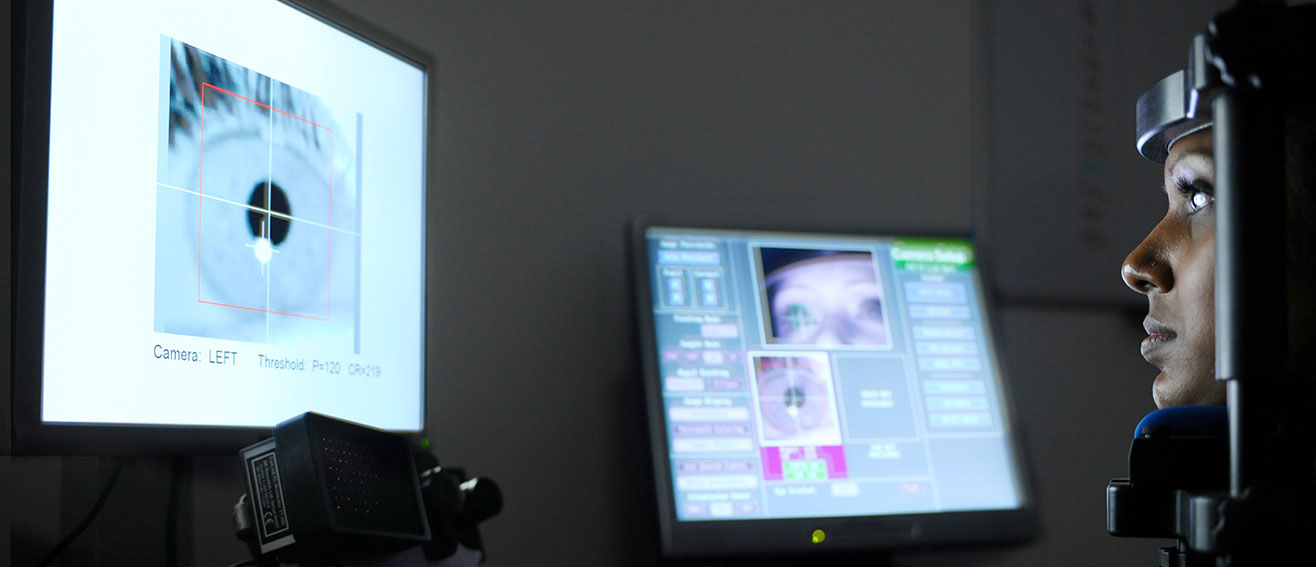
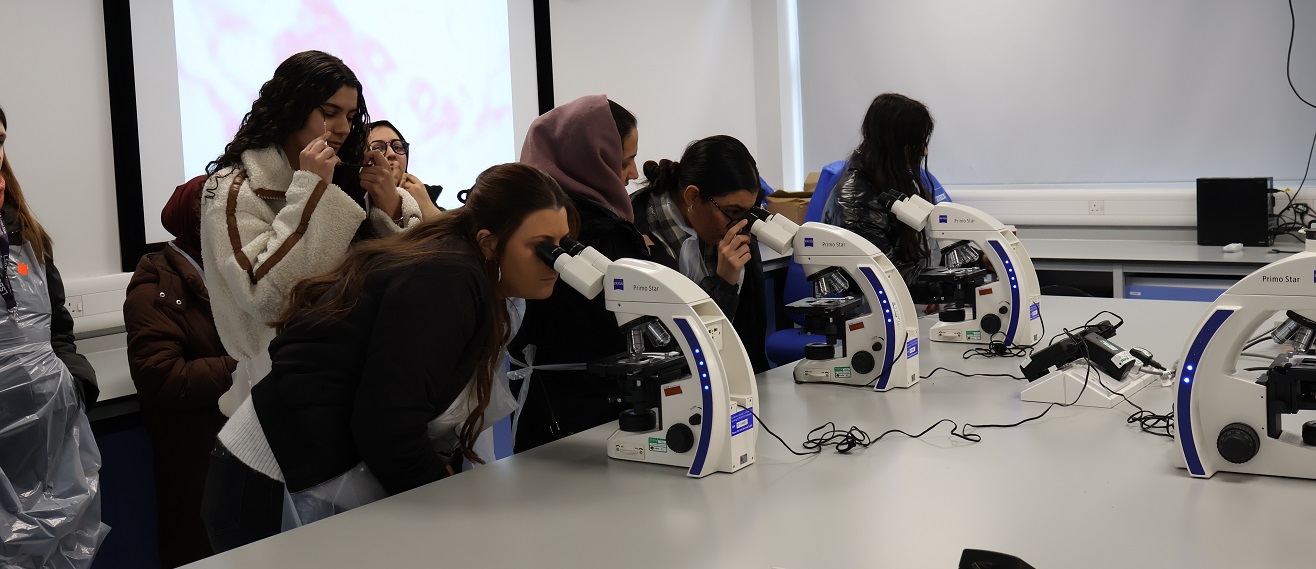
Access specialist laboratories and advanced equipment across biosciences, forensic science and human performance, including biomechanics, physiology and gait analysis facilities.
Overview
MRes Human Sciences at LSBU – Advance Your Research Career in London
- Collaborate with internationally recognised researchers in cutting-edge fields.
- Access state-of-the-art laboratories and specialist facilities.
- Join a diverse, global student community in central London.
- Sports Science – Human performance, physiology, biomechanics.
- Biomedicine & Pharmaceutical Science – Molecular biology, drug development, health innovation.
- Forensic Science – Crime scene analysis, toxicology, forensic biology.
- Health studies – Public Health, Nursing and Midwifery
This course is currently not open to international students
Looking for a research-focused master’s degree in the UK? The Master of Research (MRes) in Human Science at London South Bank University (LSBU) is your opportunity to work with world-leading academics and gain advanced research skills in one of the most vibrant cities in the world.
This programme is ideal for UK and international students who want to specialise in a chosen research area, develop expertise, and prepare for PhD study or global careers in science and industry.
A research degree is different from a taught course. Research students are expected to self-direct their learning with support from a supervisory team. The teaching and learning style at MRes level takes the form of 1:1 supervision, e-learning and workshops. A member of staff, expert in the chosen field, is directly responsible for guiding and supporting your research programme. As a research student you'll become part of our thriving academic community.
Why Choose LSBU for Your MRes?
Specialist Research Areas
Our research has made a difference at many levels: influencing policy and creating new commercial capabilities. Our scientists work in multidisciplinary teams to target major societal challenges in the areas of human health, well-being, performance and behaviour. We apply theory in theses areas to contemporary real world issues by undertaking innovative and rigorous science. For the MRes Human Sciences, we have expertise in the following areas:
Course Content
Programme Structure
- Full-time: 18 months, including 12 months dedicated to your thesis.
- Intensive research training to prepare you for PhD study, industry roles, or academic careers worldwide.
Students undertake research alongside their supervisor and research teams on specific projects. Currently available projects are;
Discipline | Research Question | Lead Supervisor | Research Group/Centre | Project code |
|---|---|---|---|---|
Health Studies | Exploring Health Inequities in the Uptake of Community-Based Hypertension Screening and concordance to Treatment: A Mixed Methods Study. Research Question: Who engages with community-based Health Checks for hypertension, and what barriers influence adherence to prescribed treatment? | Siobhan McLernon | Ageing, acute and long term conditions | CHLSMRES010 |
Sports Science | Visual perception in sport | Rita de Oliveira | Sport and Exercise Science Research Group | CHLSMRES011 |
Sports science | Exercise and health: barriers and facilitators in different populations | Rita de Oliveira | Sport and Exercise Science Research Group | CHLSMRES012 |
Biomedicine | An artificial intelligence model to predict cancer susceptibility | Eiman Abdel Aleem | Cancer, Infection and Therapeutics Research Group | CHLSMRES013 |
Biomedicine | An artificial intelligence model to predict cancer survivability and recurrence risk | Eiman Abdel Aleem | Cancer, Infection and Therapeutics Research Group | CHLSMRES014 |
Biomedicine | Environmental Swabbing of Community Spaces as a Tool for Early Warning of Respiratory Viral Outbreaks | Claire Atkinson | Cancer, Infection and Therapeutics Research Group | CHLSMRES015 |
Biomedicine | Metagenomic Approaches to Antimicrobial Resistance Surveillance in Urban Microbiomes Focus: Using sequencing to track AMR patterns in city environments | Claire Atkinson | Cancer, Infection and Therapeutics Research Group | CHLSMRES016 |
Biomedicine | Evaluating Knowledge Gaps in Cytomegalovirus Awareness Among Future Healthcare Professionals: A Cross-Sectional Survey of Nurses, Midwives, and Allied Health Students | Claire Atkinson | Cancer, Infection and Therapeutics Research Group | CHLSMRES017 |
Pharmaceutical Science | Preparation of porous Chitosan-PLGA microspheres as intestinal cell carrier systems for targeted colonic wound repair | Julia Mantaj | Cancer, Infection and Therapeutics Research Group | CHLSMRES018 |
Pharmaceutical Science | Development of PLGA-PEG delivery systems for hydrophobic antimicrobial peptides for enhanced bioavailability and efficacy in sepsis treatment | Julia Mantaj | Cancer, Infection and Therapeutics Research Group | CHLSMRES019 |
Biomedicine | Harnessing Environmental Actinomycetes for Novel Antimicrobial Agents: A Public Health Approach to Combat Multi-drug-Resistant Pathogens | Joaquin Caro Astorga | Cancer, Infection and Therapeutics Research Group | CHLSMRES020 |
| Human Sciences | Computational Prediction and Validation of MAF–IRF4 Interaction Sites in Myeloma | Valentina S Caputo G | Cancer, Infection and Therapeutics Research Group | CHLSMRES021 |
| Human Sciences | AI-Assisted Screening of FDA-Approved Drugs for MAF-Driven Myeloma Therapy | Valentina S Caputo G | Cancer, Infection and Therapeutics Research Group | CHLSMRES022 |
| Human Sciences | Molecular Docking Approaches to Inhibit MAF–IRF4 Protein–Protein Interactions | Valentina S Caputo G | Cancer, Infection and Therapeutics Research Group | CHLSMRES023 |
| Human Sciences | Nano-Luc Reporter Systems for Studying MAF–IRF4 Dynamics in Myeloma Cells | Valentina S Caputo G | Cancer, Infection and Therapeutics Research Group | CHLSMRES024 |
| Human Sciences | Targeted Mutation Analysis of MAF–IRF4 Contact Residues Using In Vitro Models | Valentina S Caputo G | Cancer, Infection and Therapeutics Research Group | CHLSMRES025 |
| Human Sciences | Synthetic biology program. Bacterial spore chassis optimization for surface multidisplay | Joaquin Caro Astorga | Cancer, Infection and Therapeutics Research Group | CHLSMRES026 |
| Human Sciences | Synthetic biology program. Optimization of industrial production of bacterial spores engineered for vaccines and catalysis | Joaquin Caro Astorga | Cancer, Infection and Therapeutics Research Group | CHLSMRES027 |
| Human Sciences | Synthetic biology program. Optimization of peptide display on bacterial spores for vaccine development | Joaquin Caro Astorga | Cancer, Infection and Therapeutics Research Group | CHLSMRES028 |
| Human Sciences | Synthetic biology program. Development of plug-flow reactors based on bioengineered bacterial spores | Joaquin Caro Astorga | Cancer, Infection and Therapeutics Research Group | CHLSMRES029 |
| Human Sciences | Synthetic biology program. Development of a genetic box based on the SubtiToolKit for engineering Pseudomonas putida. | Joaquin Caro Astorga | Cancer, Infection and Therapeutics Research Group | CHLSMRES030 |
| Human Sciences | Synthetic biology program. Development of a genetic box based on the SubtiToolKit for engineering Lactobacillus | Joaquin Caro Astorga | Cancer, Infection and Therapeutics Research Group | CHLSMRES031 |
| Human Sciences | Synthetic biology program. Development of a genetic box based on the SubtiToolKit for engineering Corynebacterium | Joaquin Caro Astorga | Cancer, Infection and Therapeutics Research Group | CHLSMRES032 |
| Human Sciences | Synthetic biology program. Development of a CRISPR box for the SubtiToolKit. | Joaquin Caro Astorga | Cancer, Infection and Therapeutics Research Group | CHLSMRES033 |
| Human Sciences | Synthetic biology program. Bioengineering of spores for industrial water purification | Joaquin Caro Astorga | Cancer, Infection and Therapeutics Research Group | CHLSMRES034 |
| Human Sciences | Synthetic biology program. Bioengineering of spores for biomaterials development | Joaquin Caro Astorga | Cancer, Infection and Therapeutics Research Group | CHLSMRES035 |
| Human Sciences | Synthetic biology program. Bioengineering of spores to accelerate baking dough fermentation and improve nutrient availability | Joaquin Caro Astorga | Cancer, Infection and Therapeutics Research Group | CHLSMRES036 |
| Human Sciences | Synthetic biology program. Bioengineering of protozoa for health, environmental and industrial applications | Joaquin Caro Astorga | Cancer, Infection and Therapeutics Research Group | CHLSMRES037 |
| Human Sciences | Computational Modelling of Novel Bioactive Peptides: Uncovering Mechanistic Pathways in Anti-Leukemic Activity | Ruth G Dogwul | Cancer, Infection and Therapeutics Research Group | CHLSMRES038 |
| Human Sciences | In Silico Prediction of a novel bioactive peptide Binding to Leukaemia Cell Membrane Components | Ruth G Dogwul | Cancer, Infection and Therapeutics Research Group | CHLSMRES039 |
| Human Sciences | Measuring foot strength and function | Darren James | Sport and Exercise Science Research Group | CHLSMRES040 |
| Human Sciences | Gait analysis - sex differences in foot and ankle movement | Darren James | Sport and Exercise Science Research Group | CHLSMRES041 |
| Human Sciences | Adaptability of the anterior talofibular ligament to training | Darren James | Sport and Exercise Science Research Group | CHLSMRES042 |
| Human Sciences | Restricted ankle motion and affect on sports performance | Kris Mac Mahon | Sport and Exercise Science Research Group | CHLSMRES043 |
Your application should propose a project linked to one of the above topics. Please ensure you add the project code in your application.
Careers
Employability Service
At LSBU, we want to set you up for a successful career. During your studies – and for two years after you graduate – you’ll have access to our Employability Service, which includes:
- An online board where you can see a wide range of placements: part-time, full-time or voluntary. You can also drop in to see our Job Shop advisers, who are always available to help you take the next step in your search.
- Our Careers Gym offering group workshops on CVs, interview techniques and finding work experience, as well as regular presentations from employers across a range of sectors.
Our Student Enterprise team can also help you start your own business and develop valuable entrepreneurial skills.
Research skills development
All research students are required to participate in a Key Skills Development programme aimed at developing transferable skills in addition to those employed in carrying out research. Training in research methods is available through frequent research seminars.
When necessary the research student can follow, in part, relevant Masters courses available within the School and in particular units on research methodology. In some cases, research students are encouraged to follow other courses available within the University or externally aimed at improving their general expertise in their chosen areas.
In addition, they may be encouraged to follow language courses aimed at improving their oral and written skills - both essential in their future careers.
Transferable skills
A research degree will equip you with many transferable skills. The self-discipline, the demand for clear analytical thinking, and the ability to turn criticism of others work into something constructive of your own, all constitute a unique training for almost any kind of career. The excitement and satisfaction of finding new facts, a new idea, or a new way of looking at something can be highly rewarding.
Attending conferences
Research students are often sponsored to attend national and international conferences and to meet leading scientists in their fields and to present their research findings. The progress of all research students is formally monitored by the University's Research Degree Committee.
LSBU CareerSmart is your ultimate gateway to career success. Our innovative programme is designed to ensure you graduate with more than just a degree, providing the support you need to stand out in a competitive job market. We've got all the tools you need, including:
- AI Powered Career Sets - Get instant personalised feedback on your CV and cover letter by submitting it via our AI powered career tool.
- Gamification Interviews - Get ready to pass those interviews with unlimited training access to our gamification interviews and psychometric tests!
- Personalised Career Development Dashboard - Keep up with your skills progression with free access to practical assessments, LinkedIn learning, mentoring, and industry-standard facilities.
We understand that you’re in the driver’s seat of your career, which is why we’re committed to matching your passion and energy every step of the way.
Entry Level Requirements
The entry requirements below are for 2027 entry. Want to start your course this September? Call 0800 923 8888 for entry requirements.
Applicants for a Research Degree programme at LSBU are usually expected to have a good honours degree (2:2 and above) and a relevant postgraduate qualification, preferably a merit at Master's level. Please also supply two academic references as part of your application. You will also be required to show proof of all of your qualifications. If English is not your first language you will be required to prove your competency in English, showing an IELTS score of at least 7.0 at postgraduate level. You will be invited to an interview with your potential supervisor, in person or by telephone, prior to an offer being made.
Academic Technology Approval Scheme
If you are a non-EU/EEA national, you may need to apply to the Foreign and Commonwealth Office (FCO) for clearance from the Academic Technology Approval Scheme (ATAS) in order to study this course. ATAS certificate is a requirement for enrolment at the University, you will need one if you are an international student applying to study for a postgraduate qualification in the UK and it is now a requirement for every Visa application. Please note, an ATAS certificate is not needed for you to submit an application for a course at LSBU and to receive an offer.
You can find more information about whether you will require this via the FCO website and in our MyLSBU guide to the Academic Technology Approval Scheme.
The process for obtaining an ATAS certificate can take some time so it is important that you check whether you need one as early as possible so that you can make your application for the certificate to obtain it in good time. Failure to produce a valid ATAS certificate could result in delays to receiving your CAS or we may be unable to enrol you at the University.
The CAH code for this course is CAH03-01-08.
Choose your country
- Afghanistan
- Albania
- Algeria
- Angola
- Argentina
- Australia
- Austria
- Azerbaijan
- Bahrain
- Bangladesh
- Barbados
- Belgium
- Botswana
- Brazil
- British Council Women in STEM Scholarships
- Bulgaria
- Cambodia
- Cameroon
- Canada
- Chile
- China
- Colombia
- Croatia
- Cyprus
- Czech Republic
- Denmark
- Dominican Republic
- Egypt
- Estonia
- Ethiopia
- Finland
- France
- Gambia
- Georgia
- Germany
- Ghana
- Greece
- Hungary
- India
- Indonesia
- Iran
- Iraq
- Ireland
- Italy
- Jamaica
- Japan
- Jordan
- Kazakhstan
- Kenya
- Kuwait
- Latvia
- Lebanon
- Libya
- Lithuania
- Luxembourg
- Malaysia
- Malta
- Mauritius
- Mexico
- Mongolia
- Morocco
- Myanmar
- Nepal
- Netherlands
- New Zealand
- Nigeria
- Norway
- Oman
- Pakistan
- Poland
- Portugal
- Qatar
- Romania
- Russian Federation
- Saudi Arabia
- Senegal
- Serbia
- Sierra Leone
- Singapore
- Slovakia
- Slovenia
- Somalia
- South Africa
- South Korea
- Spain
- Sri Lanka
- Sweden
- Switzerland
- Thailand
- Trinidad and Tobago
- Tunisia
- Turkiye
- Uganda
- Ukraine
- United Arab Emirates
- United States of America
- Uzbekistan
- Venezuela
- Vietnam
- Zambia
- Zimbabwe
Apply
Course delivery modes and application methods
| Mode | Duration | Start date | Application code | Application method |
|---|---|---|---|---|
| Full-time | 2 years | January; February; March; April; May; June; August; September; October; November; December | 4730 | Direct to LSBU |
| Part-time | 3 years | January; February; March; April; May; June; August; September; October; November; December | 4731 | Direct to LSBU |
Home/EU postgraduate students and research students should apply through our dedicated application system.
Full details of how to do this are supplied on our How to apply section for postgraduate students and our How to apply section for research students.
See our admissions policy (PDF File 1,043 KB) and complaints policy (PDF File 516 KB).
Considering your application
Your application will be circulated to a number of potential supervisors who will look at your academic qualifications, experience and the research proposal to decide whether your research interest is something that could be supervised at LSBU.
There will also be an interview either by telephone or at the University. If you are successful you will be offered a place on a course and informed of the next enrolment date. The whole process normally takes between six to eight weeks, from receipt of your application to a decision being made about your application at the School.
A good honours degree (2:2 and above)
How to apply
Read more about how to apply for undergraduate courses.
International students
International applicants can apply directly to LSBU and should consult our international how to apply guide for further information on the application process and key dates.
Accommodation
Read more about applying for accommodation at LSBU.
Prepare to start
Applicant events
After you’ve received your offer we’ll send you emails about events we run to help you prepare for your course. You’ll also be invited to our Applicant Taster Day so keep your eyes peeled!
Enrolment
Before you start your course, we’ll send you information on what you’ll need to do before you arrive and during your first few days on campus. You can read about the process on our enrolment pages.
Fees
United Kingdom
£5190
Tuition fees for home students
International
£18200
Tuition fees for international students
Tuition fees are subject to annual inflationary increases. Find out more about tuition fees for Undergraduate or Postgraduate courses.
full-time
Full-time Year 1 - All Available Courses
MRes Human Sciences (FT) - Year 1 FT Southwark SEPT
| UK fee: £5190 | International fee: £18200 |
| AOS/LSBU code: 4730 | Session code: 1FS00 |
|
Total course fee for this location/stream: * The full amount is subject to fee increases, the total shown below is based on current fees. |
| UK: £5190 |
| International: £18200 |
MRes Human Sciences (FT) - Year 1 FT Southwark JAN
| UK fee: £5190 | International fee: £18200 |
| AOS/LSBU code: 4730 | Session code: 1FS10 |
|
Total course fee for this location/stream: * The full amount is subject to fee increases, the total shown below is based on current fees. |
| UK: £5190 |
| International: £18200 |
MRes Human Sciences (FT) - Year 1 FT Southwark APR
| UK fee: £5190 | International fee: £18200 |
| AOS/LSBU code: 4730 | Session code: 1FS20 |
|
Total course fee for this location/stream: * The full amount is subject to fee increases, the total shown below is based on current fees. |
| UK: £5190 |
| International: £18200 |
part-time
Part-time Year 1 - All Available Courses
MRes Human Sciences (PT) - Year 1 PT Southwark SEPT
| UK fee: £2595 | International fee: £9100 |
| AOS/LSBU code: 4731 | Session code: 1PS00 |
|
Total course fee for this location/stream: * The full amount is subject to fee increases, the total shown below is based on current fees. |
| UK: £5190 |
| International: £18200 |
MRes Human Sciences (PT) - Year 1 PT Southwark JAN
| UK fee: £2595 | International fee: £9100 |
| AOS/LSBU code: 4731 | Session code: 1PS10 |
|
Total course fee for this location/stream: * The full amount is subject to fee increases, the total shown below is based on current fees. |
| UK: £5190 |
| International: £18200 |
MRes Human Sciences (PT) - Year 1 PT Southwark APR
| UK fee: £2595 | International fee: £9100 |
| AOS/LSBU code: 4731 | Session code: 1PS20 |
|
Total course fee for this location/stream: * The full amount is subject to fee increases, the total shown below is based on current fees. |
| UK: £5190 |
| International: £18200 |
Part-time Year 2 - All Available Courses
MRes Human Sciences (PT) - Year 2 PT Southwark SEPT
| UK fee: £2595 | International fee: £9100 |
| AOS/LSBU code: 4731 | Session code: 2PS00 |
|
Total course fee for this location/stream: * The full amount is subject to fee increases, the total shown below is based on current fees. |
| UK: £5190 |
| International: £18200 |
MRes Human Sciences (PT) - Year 2 PT Southwark JAN
| UK fee: £2595 | International fee: £9100 |
| AOS/LSBU code: 4731 | Session code: 2PS10 |
|
Total course fee for this location/stream: * The full amount is subject to fee increases, the total shown below is based on current fees. |
| UK: £5190 |
| International: £18200 |
MRes Human Sciences (PT) - Year 2 PT Southwark APR
| UK fee: £2595 | International fee: £9100 |
| AOS/LSBU code: 4731 | Session code: 2PS20 |
|
Total course fee for this location/stream: * The full amount is subject to fee increases, the total shown below is based on current fees. |
| UK: £5190 |
| International: £18200 |
The individual fee for this course is shown above. For more information, including how and when to pay, see our fees and funding section for postgraduate students.
At the LSBU Doctoral College we are committed to supporting and developing professional researchers who are driven to make a difference. We have a range of PhD Scholarships available in partnership with businesses and organisations - and when they're available we'll publish notices on the LSBU Doctoral College site.
Bench Fees
Please note that both tuition fees and bench fees are payable for this course. Bench fees are a standard part of the MRes fee structure at most reputable institutions and are in addition to the main course fees. They cover study related costs such as specialist equipment, study participant fees, research related travel, lab and research consumables, etc.
The bench fee for the MRes Human Sciences varies by discipline, and are as follows;
- Sports Science: £1,800 per annum
- Food Science: £1,500 per annum
- Forensic Science: £1,800 per annum
- Biomedicine / Pharmaceutical Sciences: £4,000 per annum
- Health Studies: £1,800 per annum
Why Study in London?
London is a global hub for science, innovation, and networking. Studying at LSBU means access to career opportunities, cultural experiences, and professional connections that can shape your future.
Apply now and join LSBU’s international research community - your future starts here.