The Design Thinking and Reasoning module consolidates students‘ prior knowledge and experience of design practice, and develops a deeper understanding of the theoretical models and research that describe the process by which designers work and think, within a broad range of contexts. There is a strong emphasis on critical analysis with regards to application of theory to practice, through lived experience as a reflective practitioner and designer.
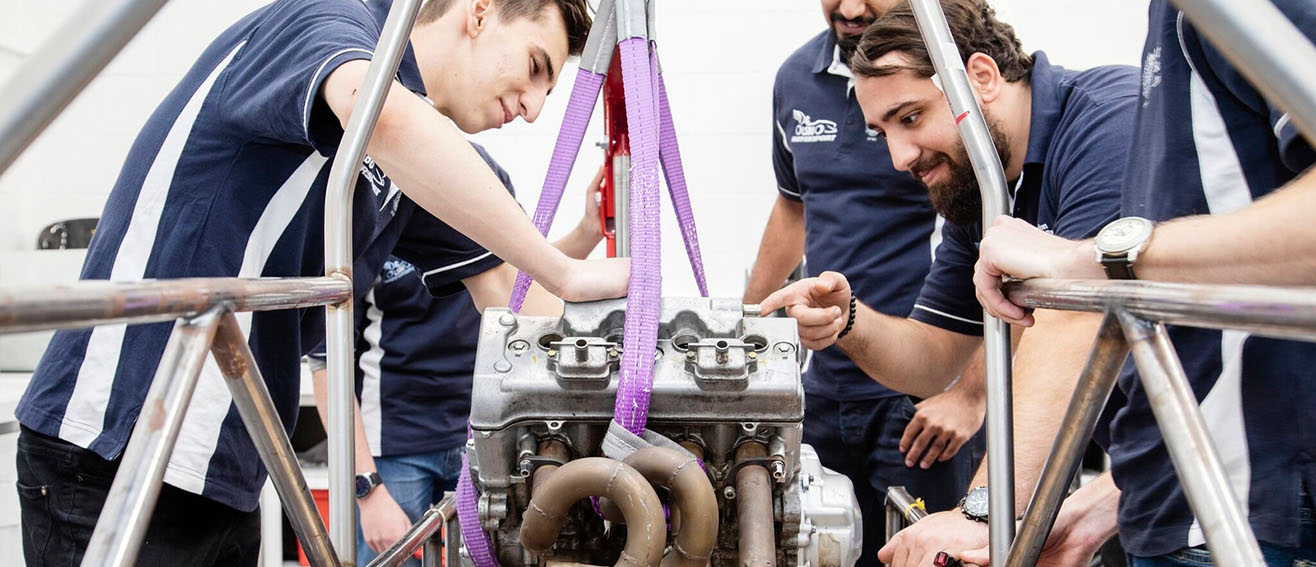
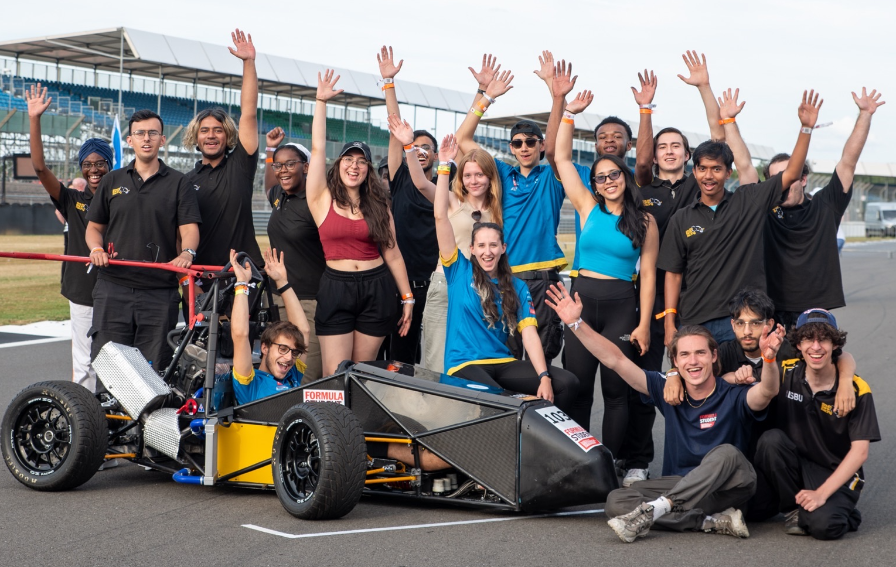
The Engineering Design, Analysis, and Manufacture module enables MSc students lead teams of undergraduates in the design of a high performance mechanical device for sporting applications. The design goal to break world records offers a clearly defined engineering challenge. Students will develop their understanding of applied engineering design methods, including the use of FEA, and CFD.
The Technical Research and Professional Skills module provides the skills and knowledge that are necessary for successful completion of the research dissertation project in the near future and for professional development in the long-term future. Content includes how to search and gather relevant technical information; carry out a critical review of a research paper; selection of methods and data analysis for a research project; writing a feasibility reports, making presentations and communicate effectively; and how to assess the impact and sustainability of engineering and design research.
The Human Factors module develops a detailed understanding of ergonomics and human factors in design, including the physical, emotional, and cognitive needs of users. Students will develop their ability to locate and apply academic research data from specialist fields, in order to optimise design proposals to meet detailed user requirements in how they interact with and experience their objects, environments, and activities.
The Human Factors module develops a detailed understanding of ergonomics and human factors in design, including the physical, emotional, and cognitive needs of users. Students will develop their ability to locate and apply academic research data from specialist fields, in order to optimise design proposals to meet detailed user requirements in how they interact with and experience their objects, environments, and activities.
The Technology Evaluation and Commercialisation module develops understanding of how to evaluate the business opportunity that can be created from a technology's unique advantages. Students conduct detailed research and analysis, following a prescribed algorithmic model in order to evaluate the business potential of an emerging technology. They will develop the appropriate commercialisation strategy and write the business plan for their high-tech start-up company.
The MSc Engineering Product Design Project Module is an opportunity for students to explore and develop viable solutions to real world engineering challenges at a high level. The project may be self-initiated and/or be developed in response to an external brief set by industry or a supervisor. Students build on and apply knowledge and skills developed at under and post-graduate levels to produce a coherent, professional and sophisticated methodology for the intended solution. Output will be appropriate to the challenge and the solution and may include a physical or digital artefact or a combination of both. The process, methodology and outcome will be supported by in depth analysis; testing, evaluation and coherent justification of decisions made throughout the project.