

This module introduces students to sustainability and environmental impact through a multidisciplinary lens, spanning computing, electronics, and the built environment. Working in teams, students investigate a real-world societal challenge, apply core scientific and technical principles, and produce a group video or presentation and individual one-page visual summary of their proposed solution. The module encourages collaboration, practical measurement, and sustainable thinking across disciplines. Assessment method: 100% coursework
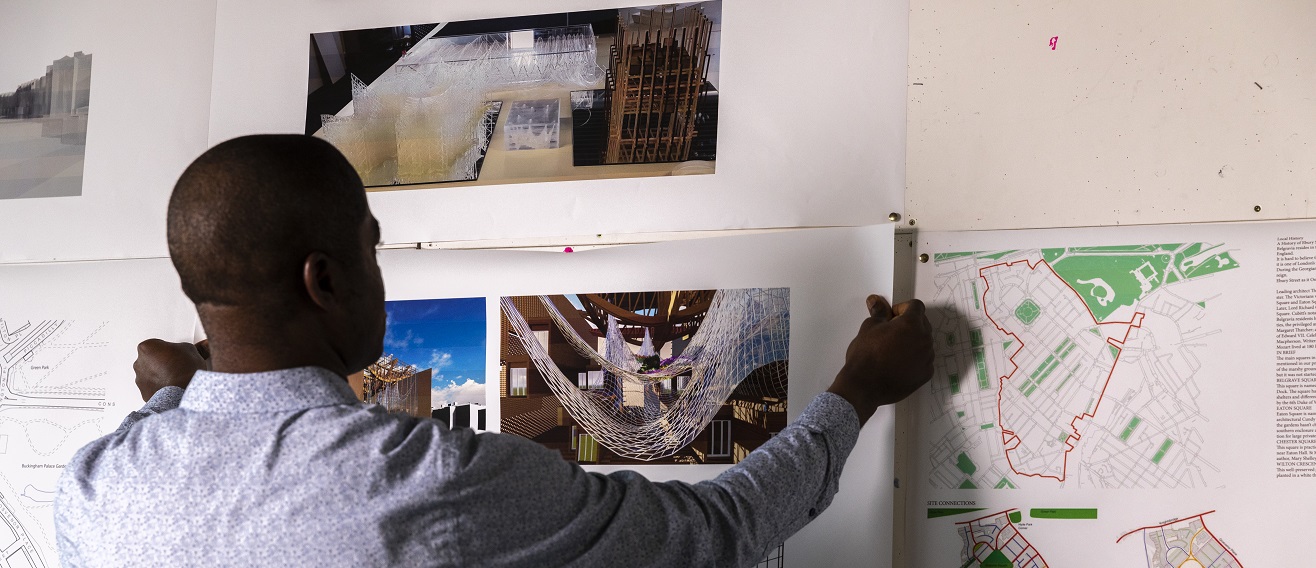
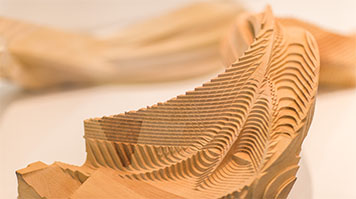
This module introduces design thinking. Students work through studio and workshop-based learning to explore spatial, cultural, and environmental ideas. Core skills include drawing, model making, and digital tools for visual communication. The module fosters conceptual creativity, critical analysis, and awareness of context, building a foundation for design-led study.
Assessment method: 100% coursework
This module develops academic writing, research, and safe workshop practice alongside numeracy and communication. Students work independently and in teams, apply the scientific method, and use digital tools to complete practical and written tasks. The module also supports personal development planning and successful transition into higher education. Assessment method: 100% coursework
Students develop hands-on skills in working with data drawn from real-world sources such as engineering sensors, web platforms, and building systems. Through spreadsheets, basic coding, and visualisation tools, students learn to analyse data, build simple models, and present evidence-based findings. The module fosters critical thinking and responsible use of data. Assessment method: 100% coursework
This module builds essential skills in mathematics, statistics, and spatial reasoning to support engineering, computing, and design studies. Students work with trigonometry, coordinate systems, data visualisation, and CAD tools to solve structured problems. The module enhances analytical confidence and supports transition to Level 4 study. Assessment methods: Coursework 1 (50%), Coursework 2 (50%)
This module uses fast-paced “sprints” to immerses students in authentic engineering design problem-solving through intensive practical projects. Students will tackle real-world scenarios, fostering practical skills and theoretical understanding. Indicative content woven into these projects includes chemistry fundamentals, materials science (manufacturing, characterisation, corrosion/erosion), electric and magnetic circuits, basic mechatronics (combination of mechanical and electrical systems), computer interfaces and data acquisition/processing. Students will gain hands-on prototyping experience in workshops (woodwork/metalwork) and with additive manufacturing, bridging theoretical knowledge with practical application in an engaging, project-based learning environment. Assessment method: 100% coursework