

Solving real-world problems with AI: Esra's journey towards a career in data science
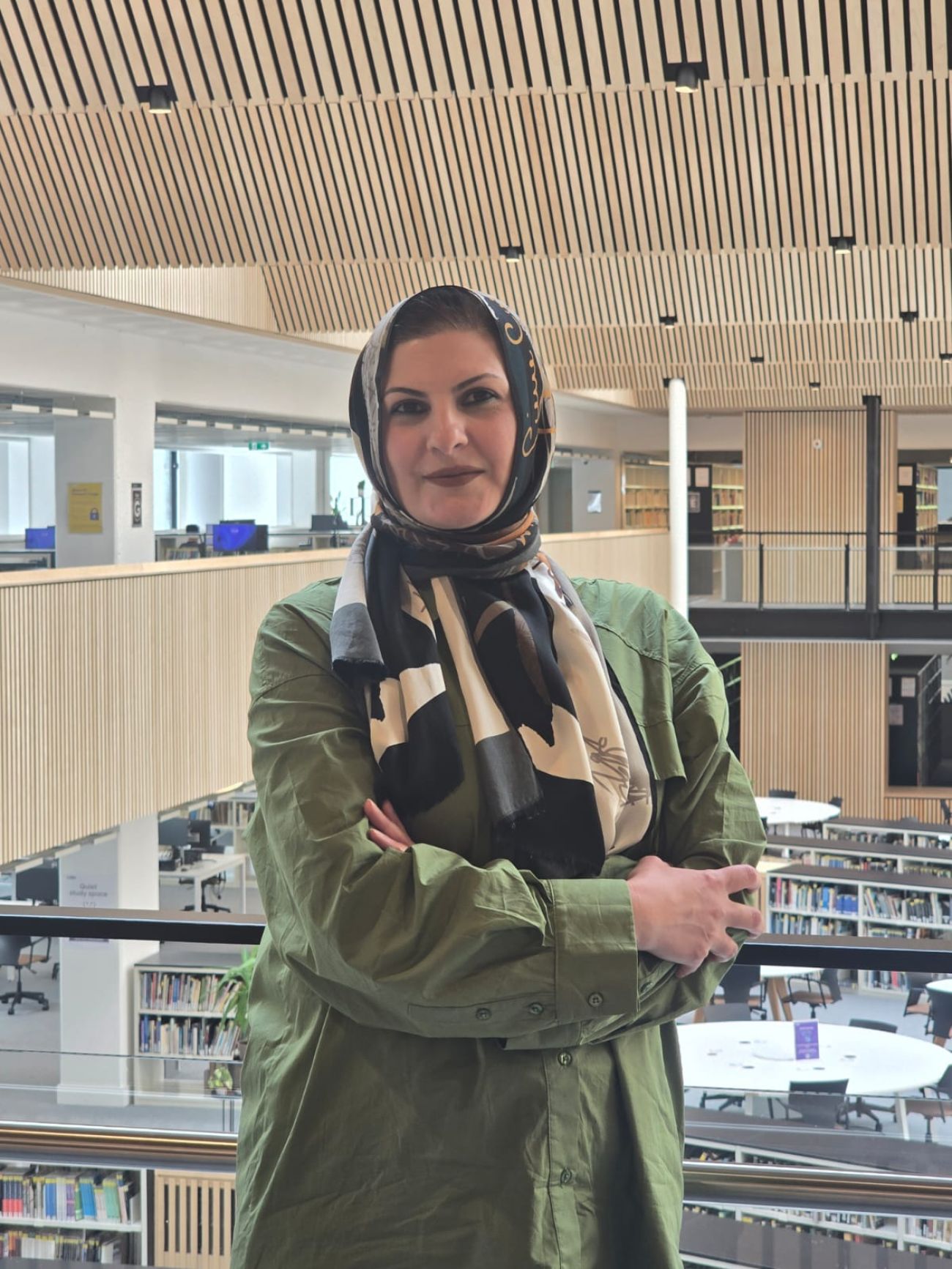
Esra came to LSBU determined to build a career in Artificial Intelligence. By making the most of the university's support, from her Personal Development Plan (PDP) and recorded lectures to hands-on assessments, she developed the confidence, technical expertise and professional skills needed to solve real-world problems and take the next step towards a role in data science.
Before completing your PDP, what challenges were you facing as a student?
I found it difficult to balance my academic workload with my part-time job and student ambassador responsibilities. I was also unsure about the best way to plan my career after graduation. Although I was motivated, I needed a clearer structure for setting goals, managing my time effectively, and identifying the skills and experience required for a job in Artificial Intelligence.
Did your PDP change the way you approached your studies or future career? If so, how?
Completing my PDP encouraged me to become more organised and proactive. Reflecting on my skills helped me identify areas for improvement, particularly in applied machine learning and technical writing, while also recognising the value of transferable skills such as communication, teamwork and leadership.
One example was planning my MSc dissertation alongside my work commitments. Using the goal-setting techniques from my PDP, I broke the project into clear stages with achievable deadlines. This made a large and complex project feel more manageable, reduced my stress and gave me greater confidence in tackling each stage systematically.
The PDP encouraged me to reflect on my progress, seek support when needed and develop a clearer understanding of how to prepare for employment. Reviewing it regularly made a real difference to both my studies and career planning.
Seeing student feedback acted upon made me feel more engaged with my course.
What's the one key thing that's helped your personal development at LSBU?
Academic learning and practical experience have contributed the most to my personal development. My MSc in Artificial Intelligence, together with my experience as a Lead Student Ambassador, has helped me develop the confidence, leadership and communication skills needed to succeed in professional environments.
Have you noticed any changes to your course that were made in response to student feedback?
Throughout my course, lecturers responded to student feedback by providing clearer assessment guidance, more opportunities to ask questions and more detailed communication about assignment expectations. These changes helped students prepare more effectively for coursework and exams.
Which change has had the biggest positive impact on your learning, and why?
The increased availability of recorded lectures and previous assessment examples. Being able to revisit material at my own pace helped me better understand complex topics and approach assignments more confidently.
During my dissertation and Python modules, rewatching lecture recordings helped me work through complex modelling concepts at my own pace. Combined with regular opportunities to ask questions, this improved my understanding, helped me manage my time effectively and enabled me to produce higher-quality work.
Seeing student feedback acted upon made me feel more engaged with my course and showed that the university values student opinions.
The assessment encouraged practical application of AI techniques.
Tell us about an assessment that felt relevant to the type of work you'll do in your career.
For my dissertation I developed a machine learning-driven Digital Twin framework for predictive maintenance. The project involved analysing real-world datasets, developing machine learning models, integrating data from IoT devices and solving practical engineering challenges. It reflected the type of work I hope to undertake in an Artificial Intelligence or data science role.
How was it different from a traditional essay or exam?
This project required me to apply theoretical knowledge to solve a real-world problem. Rather than simply recalling information, I had to design, implement, test and evaluate a complete solution. The assessment encouraged critical thinking, independent research, technical problem-solving and practical application of AI techniques.
What practical or professional skills did you develop?
The project helped me develop a wide range of skills, including Python programming, machine learning model development, data analysis and technical report writing. It strengthened my ability to manage a long-term project independently and communicate complex technical findings to different audiences.
Approach your projects as real workplace assignments.
How has this assessment helped prepare you for employment?
It gave me direct experience of end-to-end project work, from defining a problem to developing and evaluating a solution. Working with industry-relevant tools and technologies helped me understand how AI projects are delivered in professional environments and develop skills valued by employers.
What advice would you give current students about making the most of these opportunities?
Approach your projects as real workplace assignments, actively seek feedback and make use of university support services and career resources. Building a portfolio of practical projects alongside your technical knowledge can help you stand out when applying for graduate roles and prepare you for your future career.