

Solving real-world engineering challenges: How LSBU students build career-ready skills
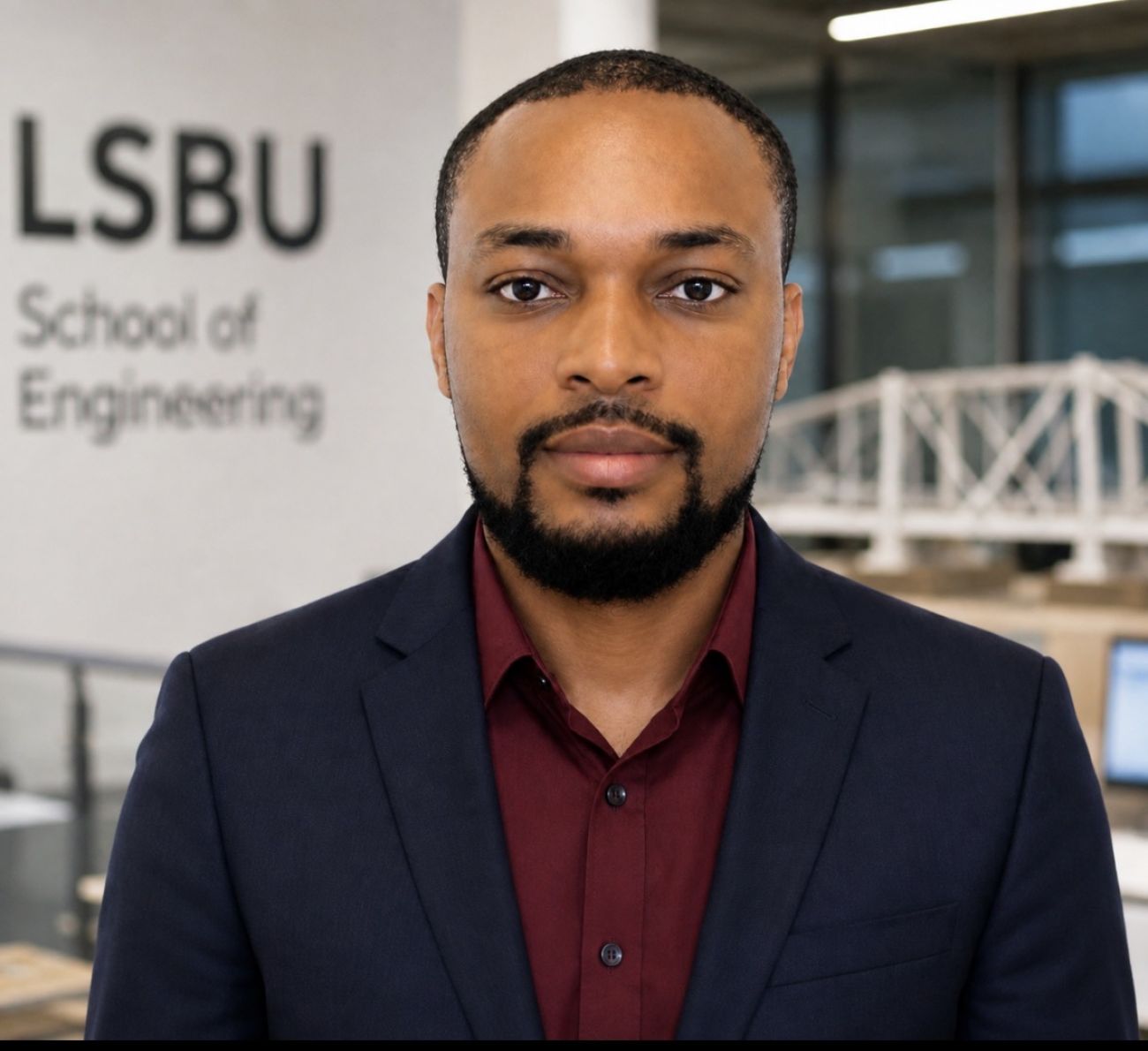
For Emmanuel (BEng (Hons) Civil Engineering) and David (MSc Electrical and Electronic Engineering), project-based learning and tackling real-world problems helped bridge the gap between the classroom and industry, preparing them for the careers they wanted to pursue. Read on for advice on how to get a job after graduation.
Applying engineering knowledge to real-world challenges
For Emmanuel, one of the most valuable aspects of his course was working on assessments that reflected the challenges he expects to encounter in his future career.
"It was relevant because it focused on solving real-world problems and applying the knowledge and skills that I will use in my future career. It helped me understand how theory is used in practice."
Unlike traditional essays or exams, Emmanuel's project-based assessments required him to analyse information, apply his learning and develop solutions to realistic scenarios.
"Instead of simply writing about a topic or answering exam questions, I had to apply my knowledge, analyse information, and present solutions to realistic scenarios."
Through these projects, Emmanuel developed communication, teamwork, problem-solving and critical-thinking skills while gaining experience of the type of tasks he could face in industry. The experience also strengthened his confidence in applying academic knowledge to practical situations.
Building skills for industry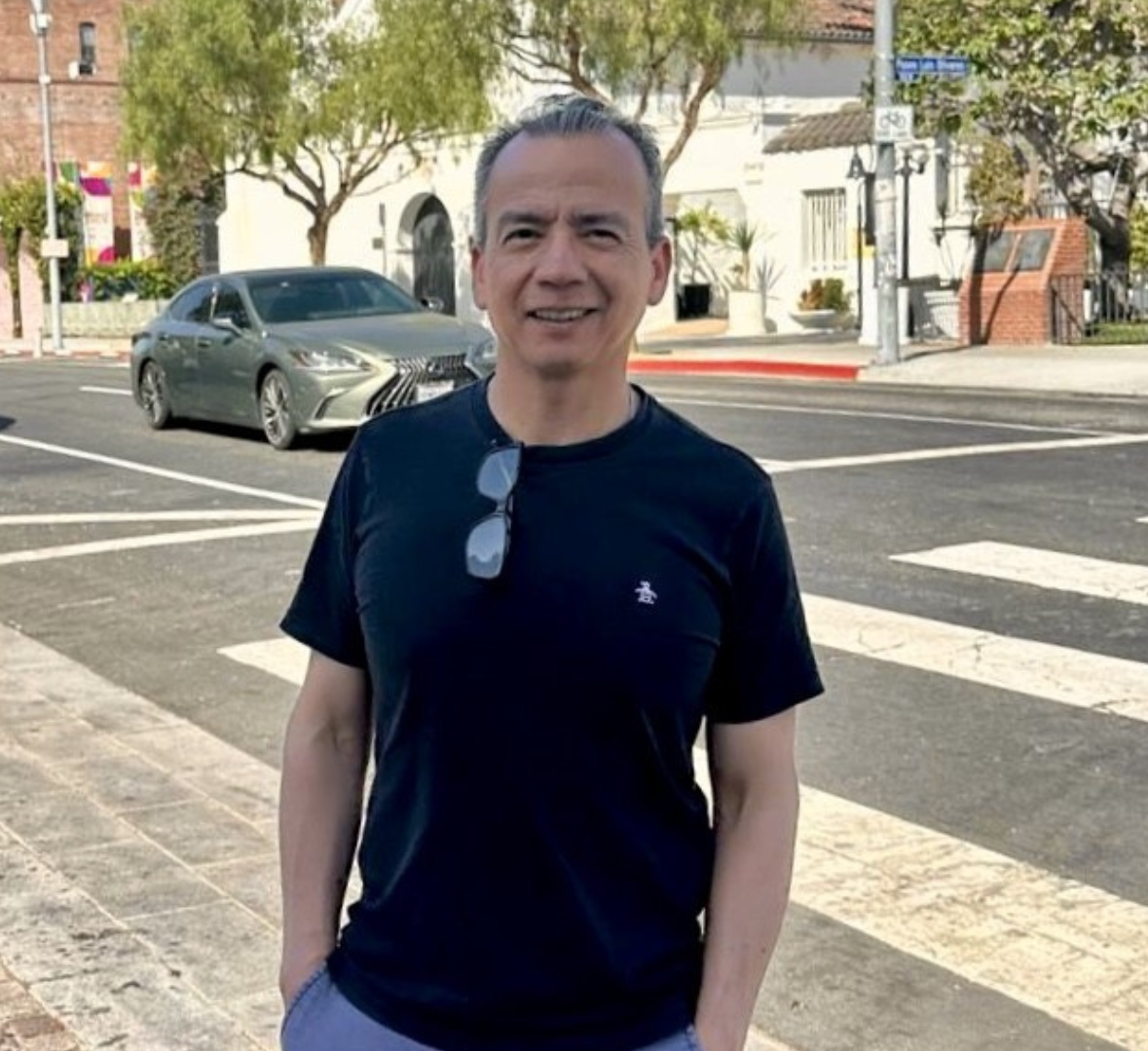
David's experience highlights how practical engineering projects can open doors to future career opportunities.
Throughout his MSc, David focused on developing technical knowledge in areas directly relevant to the jobs he wanted to pursue, including high-speed communications, embedded controller systems and a drone-based final project. These projects reflected the work carried out by professional electronics engineers and helped him build specialist knowledge valued by employers.
Looking back, David believes his course prepared him well for employment.
"It opened the door for new opportunities. Otherwise I'd been overlooked."
His advice to future students is to take an active role in shaping their own development.
"Go look for the jobs you want before you begin. Zero in on skills required. Focus your work around that."
Turning learning into career opportunities
For David, the impact of project-based learning extends beyond the classroom.
Before moving from Los Angeles to London, he interviewed for a role with a rocket company but was unsuccessful. The experience helped him identify the skills and knowledge he needed to develop, which ultimately led him to study at LSBU. During his MSc, he chose modules and projects that aligned closely with his career goals and helped him build the expertise employers were looking for.
After graduating, David reapplied to the same company and was offered a role.
The experience brought his "journey full circle", demonstrating how practical learning, focused skill development and a clear career goal can help students build the future they want.
For both Emmanuel and David, project-based assessments helped transform classroom learning into practical experience. By tackling realistic engineering challenges, they developed the confidence, technical expertise and problem-solving abilities needed to take the next step in their careers.