

From NHS Frontlines to the Classroom: Shaping the Next Generation of Radiographers
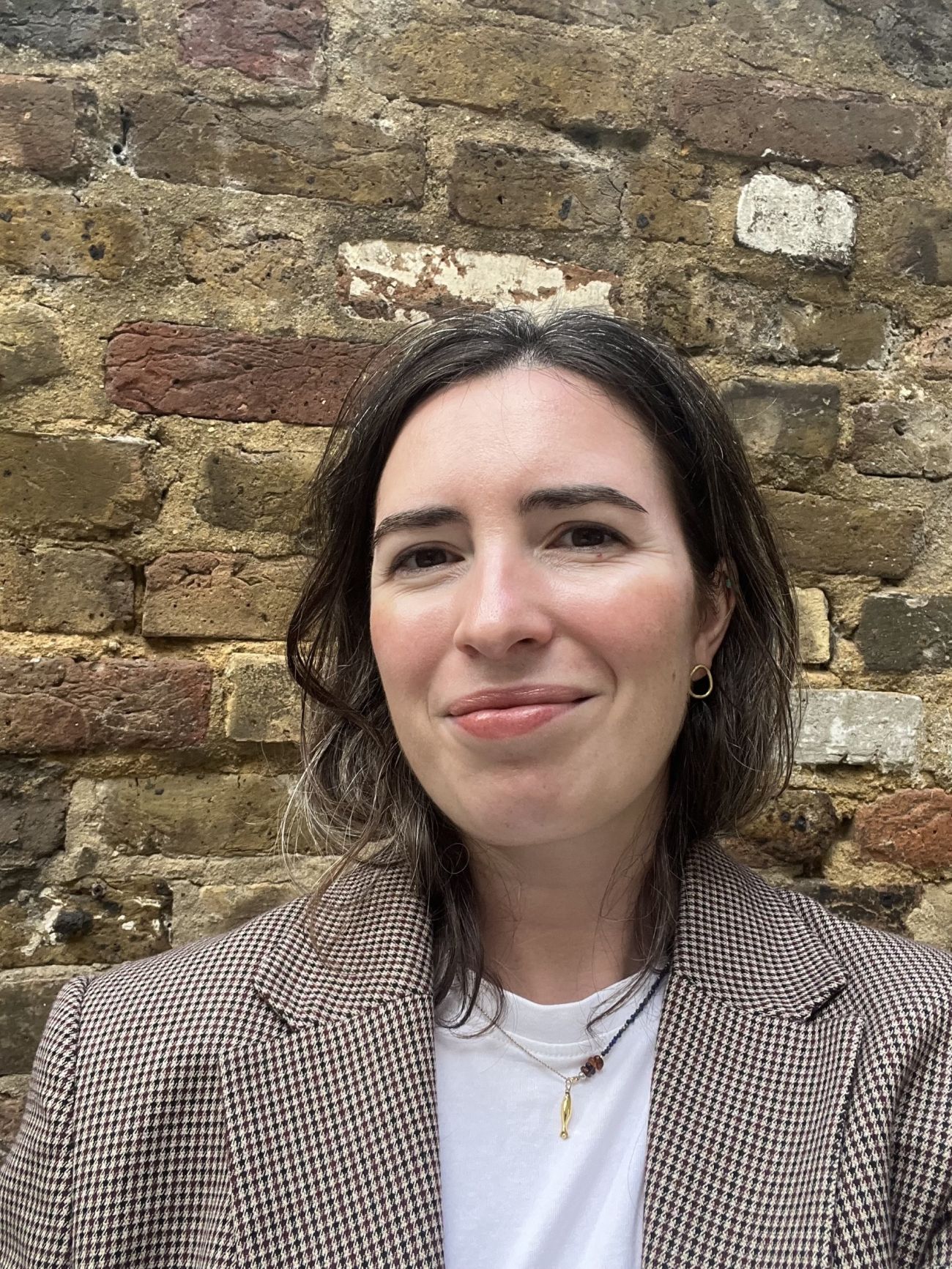
How did you get into your field? What made you want to pursue it as a career?
Diagnostic radiography stood out to me as a career because I wanted a fast-paced career in a medical environment. I have always been interested in health and disease, so working in healthcare appealed to me from a young age. After exploring different career options, diagnostic radiography seemed particularly exciting. Every day would be different, and the range of clinical specialisms and imaging modalities offered the variety and autonomy I was looking for in a profession. I moved from clinical practice into academia after six years in the NHS, including working through several major incidents and the COVID-19 pandemic at a central London teaching hospital. It was a decision I hadn’t expected to make at that point, but I’m really pleased I did. Through academia, I get to see the wider journey of an individual – from their first steps as a student through to becoming a qualified healthcare professional – which is very different from the usual experience of working as a diagnostic radiographer, who sees most patients once and never again.
How do you help students succeed during their time at LSBU and prepare for their future careers?
I want to develop students into confident professionals who have the skills and curiosity to find information and answers for themselves. Answers can often be easy to find if you know where and how to search for them, but how can you trust the information? Developing the ability to evaluate information critically, verify sources and undertake robust research is therefore a key part of my approach to teaching. I want students to feel supported while they develop these skills, but ultimately to become independent practitioners who are confident in questioning, investigating and making informed decisions.
What opportunities can students get while studying your subject at LSBU?
This could include placements, projects, research, industry experience or anything else you think students would enjoy. While we have enthusiastic, experienced staff to educate and support students, the biggest part of the course is the clinical placement, where students work as diagnostic radiographers. Students have access to some of the busiest hospitals in the country to attend when on placement with us. It’s hard to imagine, but some students support such interesting cases that by a few months in, a week of emergency department work can be considered boring! On-campus life uses a variety of skills and simulation, with taught sessions in theory, so we use lots of different learning techniques to support students through the studying process.
Is there anything from your career that you regularly bring into the classroom?
As a diagnostic radiographer, you have to think flexibly within clear boundaries to complete the work effectively, usually producing high-quality diagnostic imaging while keeping the patient at the centre of what you do. There may be many wrong ways to approach a problem, but there can also be several correct ways. I try to bring that open and flexible mindset into the classroom. Whether we are working through a complex clinical scenario, a practical logistical challenge, or simply a student asking “why?”, I encourage students to think about different approaches, justify their decisions, and be willing to consider new ideas. Clinical practice taught me that there is rarely only one way to solve a problem, and I think that is an important lesson for students as they prepare for professional practice.
What kinds of careers or opportunities could students move into after studying your subject?
A career as a diagnostic radiographer can have many different directions. You can develop as an X-ray specialist, leading a department and training others to be excellent professionals. Education opportunities – such as practice educator or moving into teaching.
There are opportunities to go into modalities such as MRI, CT, interventional radiology, nuclear medicine, ultrasound, and more. Some of these will require specific further training and education, and can lead to areas of advanced practice. For example, we run a postgraduate course in interventional radiology that has supported students – qualified radiographers and nurses – to perform key interventions such as line insertions and liver biopsies. There’s research in any of these areas to help advance healthcare and the profession. And, despite being one of the largest groups under the recognised allied health professions in the UK, radiographers are hugely underrepresented at leadership levels. Could be time to change that!