

From the Therapy Room to the Classroom: Training the Next Generation of Counselling Psychologists
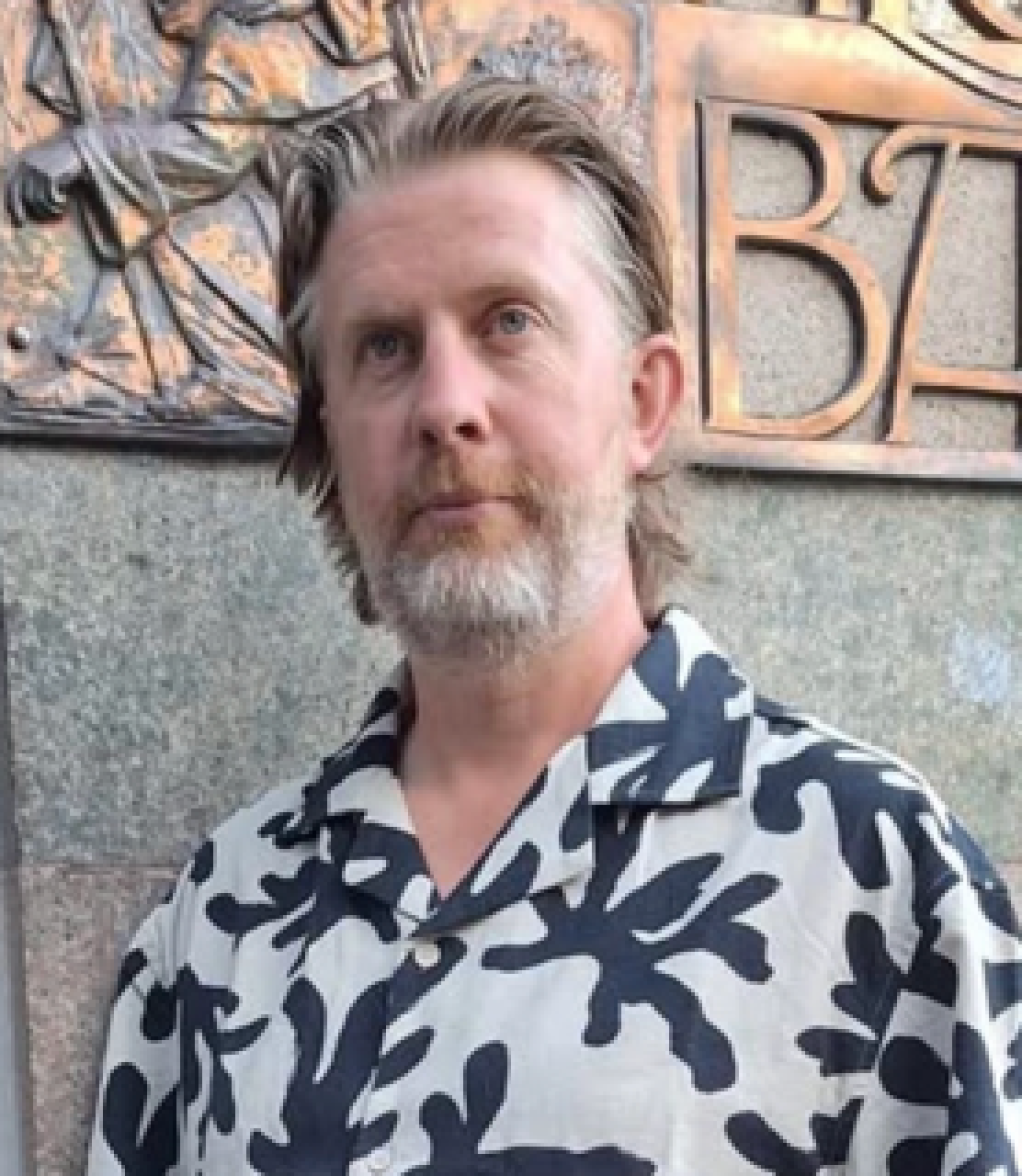
Meet Psychology Lecturer Nick McCubbin
My path into mental health began directly in the therapy room. After completing my clinical training, I spent several years working full-time as a Counselling Psychologist, supporting clients through their challenges. While I found one-on-one clinical practice fulfilling, I increasingly felt a pull toward teaching. I realized that while working with individual clients let me make a meaningful difference one person at a time, training the next generation of practitioners let me multiply that impact exponentially.
How do you help students succeed during their time at LSBU and prepare for their future careers?
My approach to student success and career preparation is rooted in bridging the gap between classroom theory and real-world clinical practice. We do this by going beyond the textbook with practice-led skills training where you learn core counselling skills. Our lecturing team includes active practitioners who can help you navigate the transition from student to professional, and we focus on reflective practice to build self-awareness and resilience.
What opportunities can students get while studying your subject at LSBU?
Every student on the MSc route can complete a clinically relevant placement embedded in their degree. We partner with local NHS Trusts (such as South London and Maudsley NHS Foundation Trust and Oxleas NHS Foundation Trust) as well as leading mental health charities like Mind, Phoenix Futures, and Changing Lives. Roles range from Honorary Assistant Psychologists to support workers and recovery officers.
Is there anything from your career that you regularly bring into the classroom?
What I bring into the classroom every week comes straight from the therapeutic room: the messy, human reality of working with clients. Instead of idealized textbook scenarios where a patient neatly fits diagnostic criteria and responds perfectly to Cognitive Behavioral Therapy (CBT), I present actual anonymized case formulations from my past practice. If my years as a practitioner taught me one fundamental truth, it is that the quality of the therapeutic relationship predicts outcomes far better than any single theoretical model or technique. I continuously bring the focus back to core relational skills: genuine empathy, non-judgmental presence, and active listening.
What kinds of careers or opportunities could students move into after studying your subject?
The MSc in Mental Health and Clinical Psychology opens up direct routes into NHS healthcare settings, third-sector charities, private practice, and academic research. Roles may include Assistant Psychologist, Doctoral Training in Clinical or Counselling Psychology, further specific counselling or psychotherapy training to become a registered therapist, or other Third Sector or Community Mental Health roles