

Margot Farnes - BSc (Hons) Psychology (Child Development)
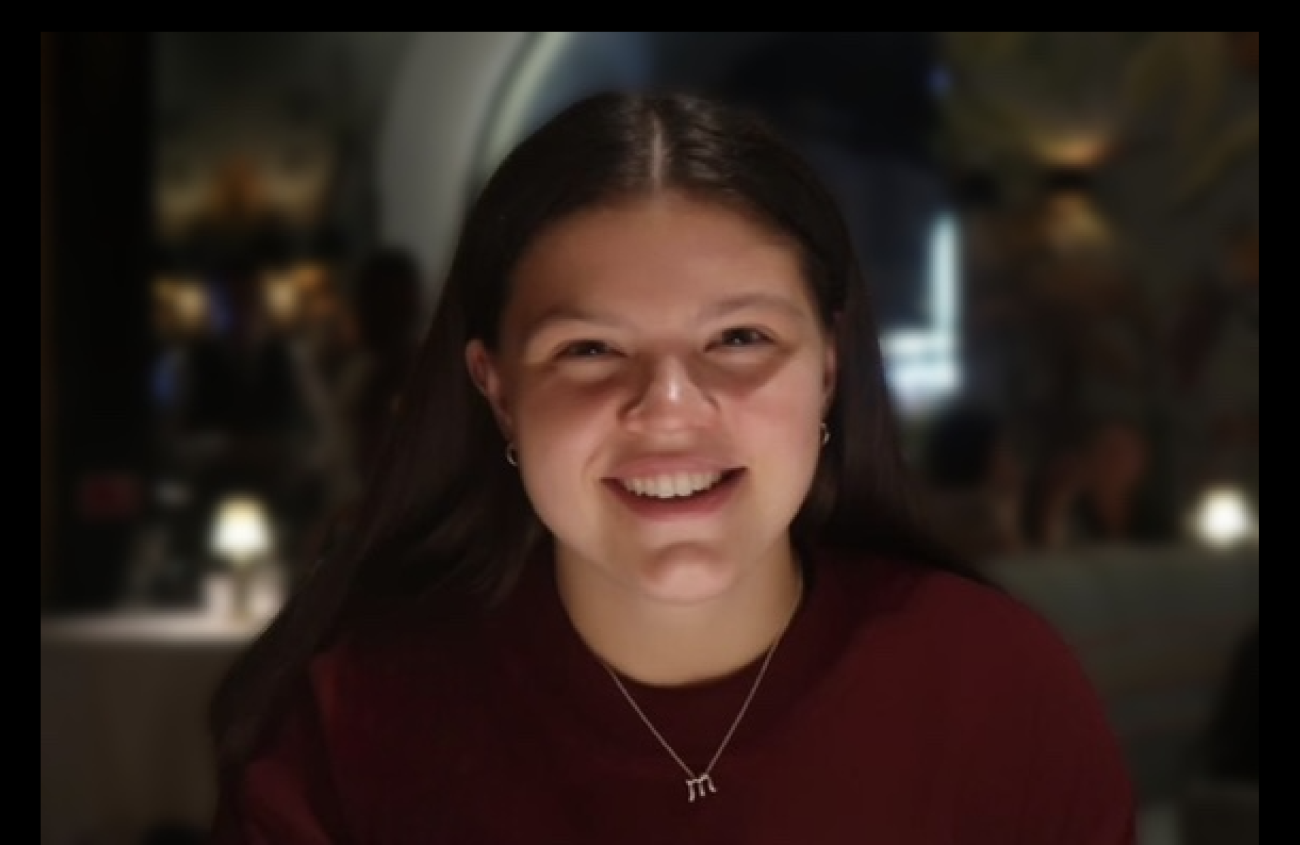
Commuting from North London, this LSBU Child Psychology student has discovered the ideal mix of theory and hands-on learning. Now in her final year, she’s diving into specialist modules and a dissertation focused on children’s cognitive development—shaped by LSBU’s research-led teaching and real-world approach.
Where are you from, and which course did you choose to study?
I come from North London and am currently studying an undergraduate degree in Child Psychology.
Why did you choose LSBU?
One of the key reasons I chose LSBU was the fact that many of the lecturers are not only academics but also actively practising psychologists or participate in current research projects. This blend of theory and practice brings our learning to life and helps us understand psychology beyond the classroom, which I believe is essential for building real-world knowledge and preparing us for future careers.
What was your inspiration or reason to study this subject?
I have always known that I wanted to work with children, though I was unsure of which path to take. When I came across psychology, I was instantly fascinated - especially in the complexity of children's minds and how they develop. This degree perfectly combines both interests, providing me with the knowledge and skills to understand and support children in a range of settings.
Tell me about how the course lecturers have supported you.
The support at LSBU has made a huge difference to my learning. Both seminars and personal tutor meetings have been incredibly helpful, offering space for discussion, sharing ideas, and providing consistent guidance. Now in my final year, my dissertation supervisor’s support has been invaluable, with regular check-ins that keep me focused and motivated. Their encouragement and feedback have been key to my progress.
What kind of new technologies and equipment have you learned about in your course?
As I have progressed through the course, I have been introduced to several key technologies used in psychological research. One of the most prominent is Functional Magnetic Resonance Imaging (fMRI), which provides detailed images of brain activity by tracking changes in blood flow. This offers valuable insights into which areas of the brain are engaged during specific tasks. More recently, I have been learning about time-locked Electroencephalography (EEG), also known as Event-Related Potentials (ERP). This technique measures the brain’s electrical responses to specific stimuli, allowing us to assess whether a response occurs and the timing and magnitude of that response. This is particularly useful for understanding attention and cognitive processing.
What skills have you learned or developed at LSBU?
Whilst at LSBU, I have developed strong skills in essay and report writing, particularly in critical analysis to improve the depth and quality of my work. I have also improved on my ability to research and find relevant journal articles - a skill that has been more challenging than expected, but incredibly valuable. Beyond academics, I have strengthened my time management and independent study skills, all of which will be transferable to further study and professional settings.
Where do you see yourself in the future, and what are your goals?
This course has strengthened my passion for Child Psychology, and I hope to continue my studies to become a paediatric neuropsychologist eventually. I want to work closely with young children to understand how their brains develop biologically and cognitively, with the ultimate aim of helping and supporting their growth.
Do you have a work experience placement, and where are you working?
Throughout my university years, I have worked part-time at a local bakery. While not directly related to psychology, the customer service skills I have gained - such as communication and relationship-building - will be beneficial for a future in psychology. I am currently gaining work experience at a nursery and primary school, which has improved my understanding of how to interact effectively with children. Additionally, I recently started volunteering with a charity that runs workshops for young patients at Great Ormond Street and UCL Hospital, which I am extremely excited to start!
Tell us about a highlight in the course. Is there something that you have really enjoyed? A particular module or project, perhaps?
The highlight for me has been starting my third year, where I have been able to choose modules and focus on my specialist interests. I have just begun the ‘Development of Brain and Infancy’ module and can already tell I am going to love it! Starting my dissertation has also been a rewarding experience, as I have been able to design and shape my research project around my interests, with expert guidance from my incredible supervisor.
What advice would you give to people thinking about studying at LSBU?
I would encourage you to take full advantage of all the opportunities available to maximise your learning throughout the course. Do not hesitate to ask for help, and approach conversations with an open and receptive mindset. I could not have successfully completed these past three years without the invaluable support from the lecturers.