

Learning from the Best: Chemical Engineering students work with industry leaders
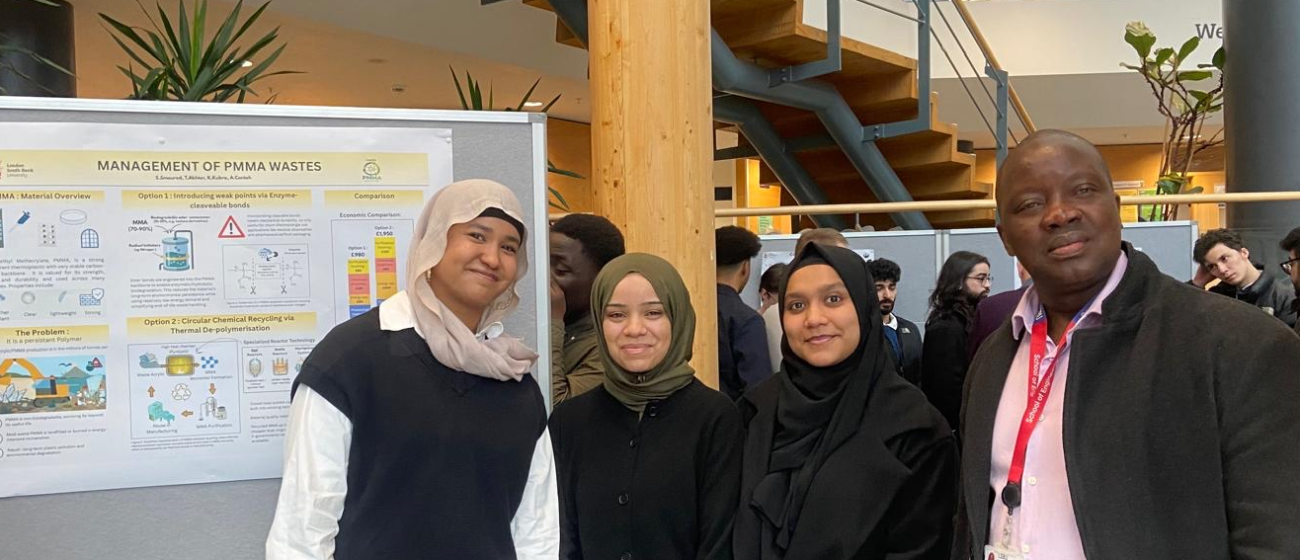
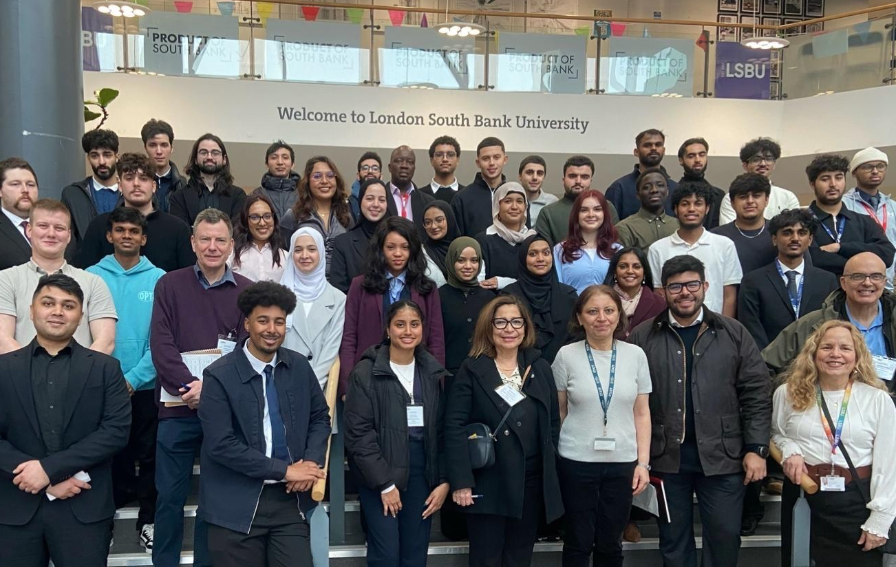
Final-year Chemical Engineering students at LSBU recently stepped into the world of professional engineering - presenting their work, facing mock interviews, and networking directly with leading industry experts.
For many, it was a defining moment in their journey from student to engineer.
“It pushed me to think beyond theory"
As part of their Design Project module, students showcased innovative solutions to real engineering challenges through poster presentations. But this wasn’t just an academic exercise - industry professionals from Worley, BP, Kedrion Biopharma, Verdi Energy Services, AkzoNobel, and the Institution of Chemical Engineers were there to challenge their thinking.
Sarah Smoured admits she went in feeling confident, but cautious:
“I felt confident in our design overall, but nervous about being questioned technically. Some of the feedback challenged areas we hadn’t fully explored, like capital costs for equipment.”
That feedback proved invaluable.
“It shifted my thinking from purely technical feasibility to real-world implementation. I started considering commercial factors much more seriously.”
Learning what employers really look for
I learnt how important structure and clarity are in interviews.
Alongside presentations, students took part in mock interviews designed to replicate real recruitment scenarios with real employers.
For Sarah, it was a turning point:
“I learned how important structure and clarity are in interviews. Even technical answers need to be explained clearly, and how you frame challenges really matters.”
Thishuri Jayawardhane had a similar experience:
“I gained a much better understanding of the types of questions employers ask and how to present my CV. I feel far more prepared for future interviews now.”
Confidence grows through real-world experience
While nerves were high at the start, confidence quickly built as students engaged with professionals.
“At first I was nervous,” says Thishuri, “but once I started presenting, I became more confident and understood what was expected.”
The feedback wasn’t just technical - it helped students refine how they communicate and present ideas.
“We were encouraged to include more statistical evidence,” she explains, “which made me think more critically about how to support our work.”
Discovering flexible career pathways
This experience showed me how chemical engineering applies to real-world and societal challenges.
One of the biggest takeaways? Engineering careers aren’t linear.
“Speaking to industry professionals showed me that career paths aren’t fixed,” says Sarah. “You can start in one area and move into others as you develop.”
For Thishuri, the experience opened up new possibilities:
“It showed me how chemical engineering applies to real-world and societal challenges. I want to pursue a career where I can use my knowledge in industry.”
Why this matters
Experiences like this bridge the gap between university and industry - something students say is essential.
“It helps you understand how theory is applied in real processes,” says Thishuri. “And you realise that employers value more than just technical skills - they look for communication, teamwork, and adaptability.”
Thinking of studying Chemical Engineering?
Students agree: opportunities like this are what make the difference.
“Ask questions, speak to professionals, and explore your interests,” says Sarah. “You don’t need to have everything figured out - engineering gives you flexibility.”
“I’d strongly encourage anyone to take part,” adds Thishuri. “It gives you insight, confidence, and valuable connections for your future.”