

“Learn by doing”: My journey into cyber security at LSBU
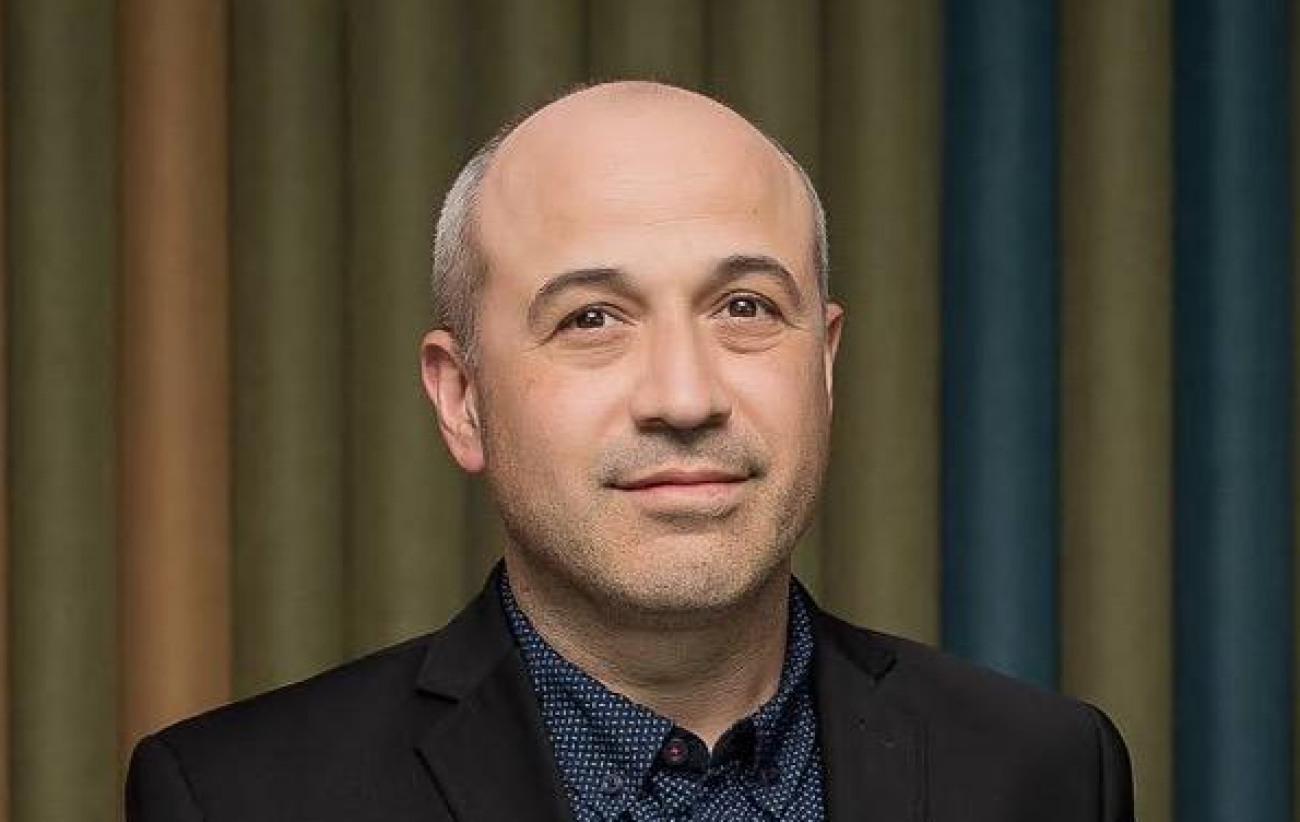
After building a career in business intelligence, compliance, and physical security, Petru Lepadatu returned to education at LSBU to develop his skills in IT and cyber security. Studying BSc (Hons) Information Technology Top-Up, he has combined real-world operational experience with hands-on cyber security training in areas including risk management, cloud security, and vulnerability assessment.
1) Can you introduce yourself and your course, and how your interest in cyber security developed?
Before moving to the UK, I worked in banking and business intelligence roles focused on data analysis, reporting, and operational support. After relocating, I moved into the security sector, progressing from a static guard role to compliance manager for a London security company specialising in vacant property protection.
My interest in cyber security developed through a combination of professional experience, academic study, and personal curiosity. Working in compliance and operational security made me more aware of the importance of risk management and secure systems, while my studies at LSBU introduced me to practical cyber security concepts such as vulnerability assessment, network security, and ethical testing.
For my final year project, I am developing a web application for UK security companies that combines operational and compliance features with built-in cyber security measures to help protect business assets and client trust.
Some of my most valuable experiences came through LSBU's Apporto Cyber Lab
2) What initiative or experience have you been involved in, and what did it involve in practice?
My professional experience has given me exposure to operational security, compliance, incident awareness, and risk management in real-world environments.
One project I took on involved reconciling four years of company invoices by manually entering thousands of records into QuickBooks, matching them against bank statements, and producing reporting dashboards. The success of the project led to me being appointed Credit Control Manager and later supporting the company’s compliance processes by creating automated frameworks for documentation and communications.
Academically, some of my most valuable experiences came through AWS cloud labs and LSBU’s Apporto Cyber Lab. These practical environments allowed me to explore network enumeration, vulnerability assessments, Linux tools, and web technologies using industry-standard tools in a safe environment.
I also documented my lab work on GitHub to help build my professional portfolio.
3) Can you give an example of a real-world security task or scenario you worked on?
One comparison that stood out to me was the similarity between creating a Risk Assessment and Method Statement (RAMS) for a vacant property and carrying out a vulnerability assessment on a computer system.
Both processes involve identifying weaknesses, assessing risks, and implementing controls to prevent incidents before they happen. Although one focuses on physical security and the other on digital infrastructure, the principles behind them are very similar.
4) How did this experience help you apply what you’ve learned in your course to a real-world setting?
Practical work helped me bridge the gap between theory and real-world application. Concepts such as DNS records, HTTP requests, vulnerability assessments, and risk management became much clearer once I applied them through labs and projects.
My experiences also showed me how closely physical and cyber security are connected. Modern security increasingly relies on “security convergence”, where physical systems such as CCTV, locks, and building controls are connected through digital networks.
I also recognised similarities between both fields, including defence in depth, access management, continuous monitoring, and the importance of addressing human risk factors such as insider threats and social engineering.
I gained hands-on experience using Linux systems, network scanning tools and visual lab environments, that are difficult to fully understand beyond lectures alone.
5) What practical skills or insights have you gained that you wouldn’t get from lectures alone?
The practical side of the course helped me develop stronger analytical, troubleshooting, and problem-solving skills. Working through technical labs taught me how to investigate systems methodically and think critically about security risks.
I also gained hands-on experience using Linux systems, network scanning tools, and virtual lab environments that are difficult to fully understand through lectures alone.
Beyond technical skills, I learned the importance of communication, documentation, teamwork, and continuous learning. Balancing study, work, and family responsibilities also reinforced the importance of discipline, focus, and persistence.
My experience at LSBU has been extremely positive. The university has provided opportunities to grow both academically and professionally.
6) How has this experience influenced your career goals or readiness for a role in cyber security?
My background in business intelligence, operations, compliance, and security has strengthened my interest in cyber security, governance, risk, and technology operations.
LSBU helped me build both technical skills and confidence through practical learning and supportive lecturers who encouraged me to continue developing professionally.
My immediate goal is to apply my combined operational and technical experience within roles related to cyber security, governance, risk, and secure digital systems. I understand the industry is competitive and requires continuous development, but my experiences have reinforced the importance of consistency, adaptability, and lifelong learning.
Overall, my experience at LSBU has been extremely positive. The university has provided access to excellent learning resources, practical labs, supportive lecturers, and opportunities to grow both academically and professionally.