

From engineering bacteria to developing a cancer vaccine
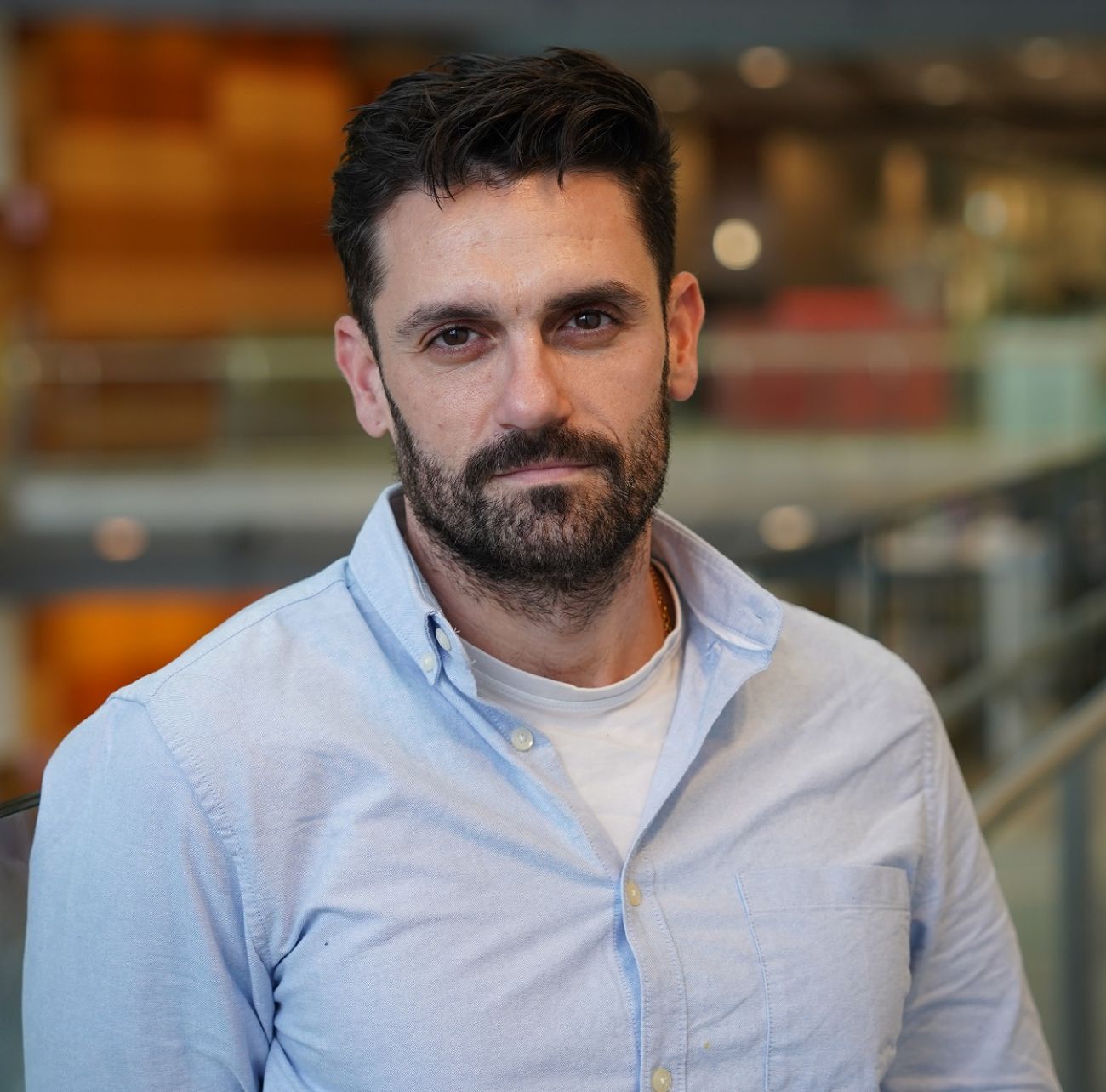
Biomedical and Pharmaceutical Science Lecturer Joaquin Caro Astorga
My route into biotechnology has been driven by curiosity about what living systems can do and what we can engineer them to do. My current project uses genetically engineered bacterial spores to develop a new type of therapeutic vaccine for uveal melanoma, an aggressive cancer of the eye. What excites me most about biotechnology is this transition from understanding life to engineering it. The same microorganism that might look very simple under a microscope can potentially become a material, a manufacturing platform, an environmental technology, or even part of a future medicine.
How do you help students succeed during their time at LSBU and prepare for their future careers?
My aim is for students to leave LSBU with solid knowledge and skills, with the confidence to enter a laboratory, a biotechnology company, a research group or another professional environment and be able to contribute. I want students to understand science, but I also want them to learn how to think like scientists. I have supervised students at undergraduate, MSc, and PhD level, and one of the things I enjoy most is watching someone move from needing detailed guidance to becoming confident enough to make their own scientific decisions.
What opportunities can students get while studying your subject at LSBU?
One of the most exciting things about studying Biomedical or Pharmaceutical Sciences is how broad both fields have become.
Students can develop practical experience in areas such as molecular biology, microbiology, genetic engineering and bioprocessing, while also learning how these technologies connect to real research and industry. I particularly enjoy bringing active research into the student experience. My own current research, for example, combines synthetic biology with cancer immunology. We are engineering Bacillus subtilis spores so that their surfaces display a molecular marker associated with a particular form of uveal melanoma, together with molecules designed to stimulate an immune response. Projects like this show students that subjects such as DNA cloning, gene expression, bacterial physiology, and immunology are not isolated topics in textbooks. When combined, they can become the basis of completely new technologies.
Is there anything from your career that you regularly bring into the classroom?
I like showing students my varied journey on research topics because it illustrates something very important about biotechnology. The fundamental tools can be similar - DNA engineering, microorganisms, proteins, gene expression, and experimental design - but the applications can range from advanced materials and sustainable manufacturing to space biotechnology and medicine. This illustrates the importance of acquiring a solid base of knowledge and skills.
What kinds of careers or opportunities could students move into after studying your subject?
Biochemistry, molecular biology, and genetics can lead in many different directions because these subjects are the basis for diagnosis and treatment development. Graduates might work in biotechnology or pharmaceutical companies, molecular diagnostics, microbiology, biomanufacturing, synthetic biology, biomedical research or academic laboratories. Others may continue to MSc or PhD study and eventually lead their own research lab. There are also opportunities that students may not immediately associate with laboratory science, including scientific project management, regulatory affairs, technology development, scientific communication and entrepreneurship. You do not necessarily have to decide at the beginning exactly where you want to end up. A strong foundation in biology and biotechnology gives you tools that can be applied to problems we have not even identified yet.