

Isobel Arden on shaping her own path in the performing arts at LSBU
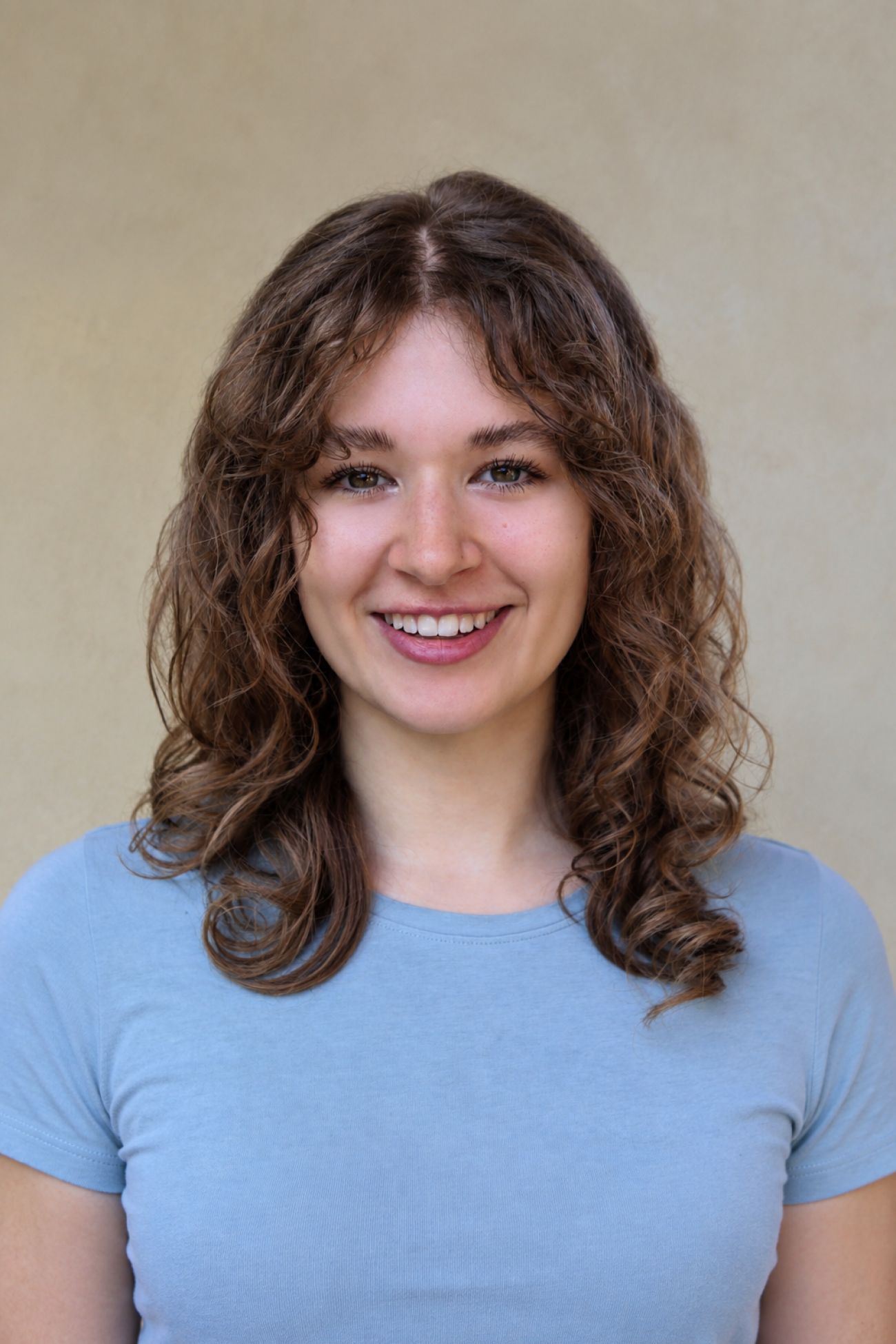
For Isobel Arden, LSBU’s Acting for Stage & Screen course has given her the chance to learn her craft through doing. From exploring classical texts in productions of The Seagull and Hedda Gabler to developing her screen acting skills and taking part in a workshop with New York Theatre Project, Isobel has explored different sides of the performing arts while building her confidence and artistic independence. With LSBU ranked 9th in the UK for Drama and Dance in the Guardian University Guide 2027, her experience shows how practical opportunities can help aspiring performers develop their own approach and prepare for life in the industry.
Could you tell us a little about yourself and what inspired you to choose Acting & Performance at LSBU?
I’m Isobel Olivia Arden. I have always been drawn to performing and the arts, so I knew I wanted to further my studies in acting at university. I can be academic when I’m passionate about something but not in the conventional lecture format; LSBU offered the perfect way of learning like this. With links to London theatres and companies, I knew this was the course for me.
What have you had the opportunity to work on or get involved with as part of your course that has given you experience of working in the industry?
The module ‘Play in Production’ took the classical text The Seagull by Anton Chekhov and gave us just over a month to create a modernised adaptation. I had to work quickly but with consideration and prioritisation in every rehearsal. Just like an industry show, we had to organise and evolve our character with intention, making choices that had purpose and overall added depth to the story.
Can you tell us about a project, production or practical experience at LSBU that you particularly enjoyed or learned a lot from? What did you do?
I particularly enjoyed the module ‘Scene Study’ because I learnt so much in a short space of time. I worked on a scene from the play Hedda Gabler with one other actor for a number of weeks. Having the focus on just performing a script of a few pages helped me hone in on subtle nuances, which are part of naturalism.
It was particularly valuable having this module at the start of my first year, as I could build on my existing knowledge whilst simultaneously learning new techniques, tricks and ways of thinking. I now utilise this training into any acting I do, transferring it from Stanislavski, to Brecht, to screen projects.
How has the practical, hands-on nature of your course helped you develop the skills you’ll need to work in the industry?
I could talk for days about all that I have realised, learnt and experienced on this course. It really is what you make it.
Concepts and techniques such as Laban’s efforts, Viewpoints and Animal Study are taught entirely practically. As students, we are guided through tasks and steps that assist us in understanding this new material. We can then reflect on these explorations. I absolutely love this method of teaching because I come to more realisations and discovered elements about myself personally and professionally that I would not have got out of written research.
Each actor in the class can find what techniques work best for themselves.
Rather than being manufactured into a particular actor type, I am building my artistic independence.
Have you had any opportunities to work with industry professionals, external organisations or on real-world projects? If so, what was that experience like?
I had the privilege to be part of Mind The Gap with New York Theatre Project. This was a week-long workshop with the first and second year actors, and a group of elderly people outside of LSBU that had an interest in theatre. It is designed to bridge the social gap generations have between each other, culminating in a show. The facilitators from the company New York Theatre Project did an amazing job at provoking thoughtful, reflective yet playful conversations that the cast and I turned into short sketches. It was through this that I became accustomed with how dynamic creative processes can be.
We stayed “passionately detached” from the material we created - excited to perform our mini scenes whilst knowing this may change or not be featured in the final performance.
This opportunity also taught me how beneficial observing can be. I have become used to how you don’t have to be performing to be learning. When watching others perform, I still learnt what lands (or doesn’t) from an audience perspective.
Has your time at LSBU helped you understand what it’s really like to work in the industry, including the expectations and challenges you might face in a job?
LSBU has opened my eyes more to what the industry is really like. The Acting for Screen modules included many technical points which I picked up by navigating in the studios. These were things my body can only integrate in my acting by manually remembering such as how to hit your mark when walking.
Alongside techniques to establish who the character I am playing is and how to stay in role, I was always encouraged to make bold artistic choices. Even if it doesn’t work, it’s better to decide to do something than nothing at all because nonetheless I will still be learning.
What are your plans for after you graduate, and how do you feel your time at LSBU has prepared you for that next step?
After I graduate, I plan to get stuck into the performing arts industry working across film, TV and theatre. I would like to further study directing and producing in the future. Despite being on an acting course, there are plenty of regular opportunities to gain experience in backstage duties.
One of these includes taking on the role as Deputy Stage Manager (DSM) for shows. This hands-on experience in all areas of putting a performance on prepares me for professional settings as I have been working with the tech team, director and actors in the same manner that is required in the arts industry.
In every lesson, every unit and every semester, I deepen my 3C’s skills - Collaboration, Communication, Compromise and this will be vital in any path I take.