

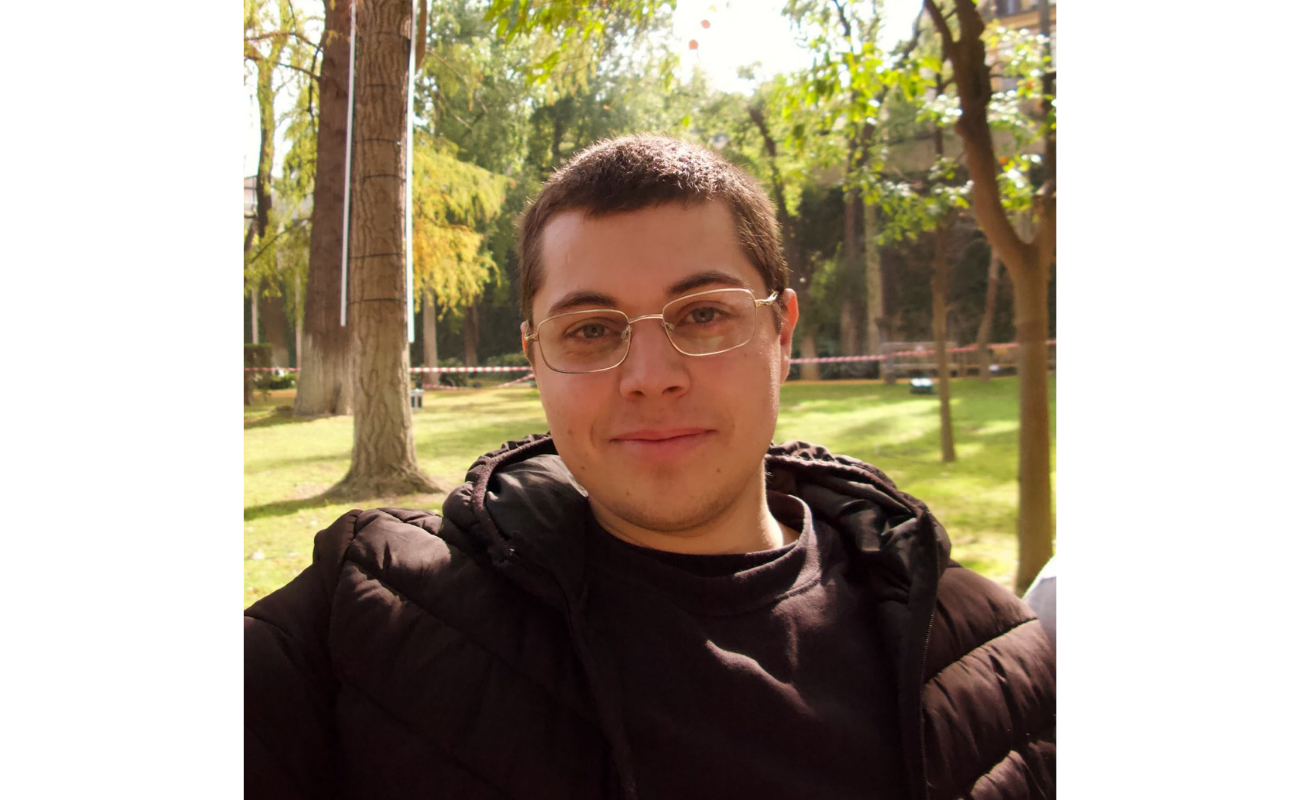
Brandon Hopkins - Noah
Tell us about your business.
Noah is AI-native CAD (Computer-aided design) software that helps designers and engineers design, modify, and refine CAD models.
Share the problem/need you are looking to address and how your business meets this need.
The problem: Legacy CAD software is slow, complex, and outdated, with geometry rendering from the early 90s. Designers and engineers spend hours fighting these tools on a daily basis (e.g., restarting projects due to rigid workflows), and the complexity of CAD tools hinders rapid prototyping and wider adoption.
The solution: Instead of spending months (or, often a lifetime) learning how to use CAD, Noah enables designers/engineers to build things without any learning curve at all.
In simple terms, it means people can just build things without having to fight tools. With Noah, users can simply speak things into existence using simple text prompts, which convert into fully-parametric 3D models that can be 3D printed, or imported into other CAD programs.
On a side note, most CAD tools need to be downloaded as computer applications, which uses up a ton of memory… contributing serious lag for most users. Noah, on the other hand, is 100% browser-based, which means 10x faster, and more efficient workflows.
What inspired your idea and business?
While studying BSc Product Design at LSBU, a large portion of our learning focused on CAD software like Fusion 360. Powerful as these tools are, their complexity (combined with clunky, non-intuitive interfaces) frustrated not just me, but almost all of my peers. Instead of building things, we were fighting our tools. That friction pulled our attention away from what we actually cared about: designing products that solve real problems.
When ChatGPT launched, I was sitting in class as a fellow student showed it to me. I was instantly blown away… and embarrassingly, I even had to step outside because it brought tears to my eyes (lol). That same night, I decided to teach myself how to code using AI. I also decided that one day, I’d solve my own problem and, inadvertently, the problem faced by my peers and potentially thousands, if not millions, of design and engineering students around the world. Once I felt ready enough in my abilities to code, I simply started.
What has been the best part of your entrepreneurial journey?
Living a mission-oriented life is genuinely what gets me out of bed every morning. I wake up and immediately start building. Having a clear north star (something that constantly reminds me why I’m doing the work), gives everything purpose and meaning. What matters most to me is the hope that this mission can help others.
The ultimate goal is simple, yet ambitious: to enable anyone, anywhere, to build anything. Working toward that vision every single day is, without question, the best part of the journey. As Tom Sachs puts it, “the reward for work is more work.”
What advice would you give aspiring entrepreneurs just starting their journey?
There’s a lot of advice out there… and honestly, most of it is just noise. The only advice you can truly absorb and trust comes from lived experience. You have to start, make mistakes, and figure things out for yourself. At least, that’s what worked for me.
Early on, I spent hours on my first few startups consuming every piece of advice I could find. All it did was confuse me. Eventually, I ignored most of it and focused on what actually matters: building the goddam thing.
If I were to offer one piece of advice (especially to solo founders), it would be this: don’t buy into the outdated idea that you need co-founders to build something meaningful. We’re in a unique moment where your knowledge gaps can be offloaded to AI. What once required a team of ten can now be done by one person. The era of the solopreneur is ready to take off. From a software perspective, at least, there’s really nothing stopping you anymore.
What support would be most beneficial for your business at this stage? What are you looking for help on?
At this stage, building the product no longer feels like the hardest part… distribution does. Marketing is still the biggest challenge. So far, I’ve managed to generate strong organic traction through platforms like Reddit (like this one) , where Noah content naturally sparks discussion (and lots, lots of controversy) in CAD-focused communities. Without spending a dime, this has driven meaningful traffic and conversions. That said, I can’t help but wonder what would be possible with additional capital to experiment with larger-scale viral marketing campaigns.
Beyond marketing, the priority is continuing to improve Noah to the point where it’s ready for enterprise and university adoption, rather than just hobbyists or individual professionals. In particular, I’d love to pilot Noah within universities (maybe LSBU, or others), especially with design and engineering students, as a rapid prototyping tool.
Long term, the goal is bigger than software. I want design and engineering education to return to what it was always meant to be: solving problems, not learning tools. The real promise of Noah (and AI more broadly), is the potential of enabling students to think in first principles again. The tools were never the point; they were just the tax.
Where can we find more information about your business?
Find out more about Noah online:
- Website: https://noahcad.com
- X: https://x.com/cadwithnoah
- Bluesky: https://bsky.app/profile/noahcad.com
- Threads: https://www.threads.com/@cadwithnoah
- YouTube: https://www.youtube.com/@noahcad
- TikTok: https://www.tiktok.com/@cadwithnoah
- Reddit: https://www.reddit.com/r/NoahCAD/
- LinkedIn: https://www.linkedin.com/company/noahcad
- Instagram: https://www.instagram.com/cadwithnoah
- Discord: https://discord.com/invite/mYG5ZDfmP7