

Bethany Gribble - Film and TV Practice
Why did you choose to study Film and Television Practice at LSBU?
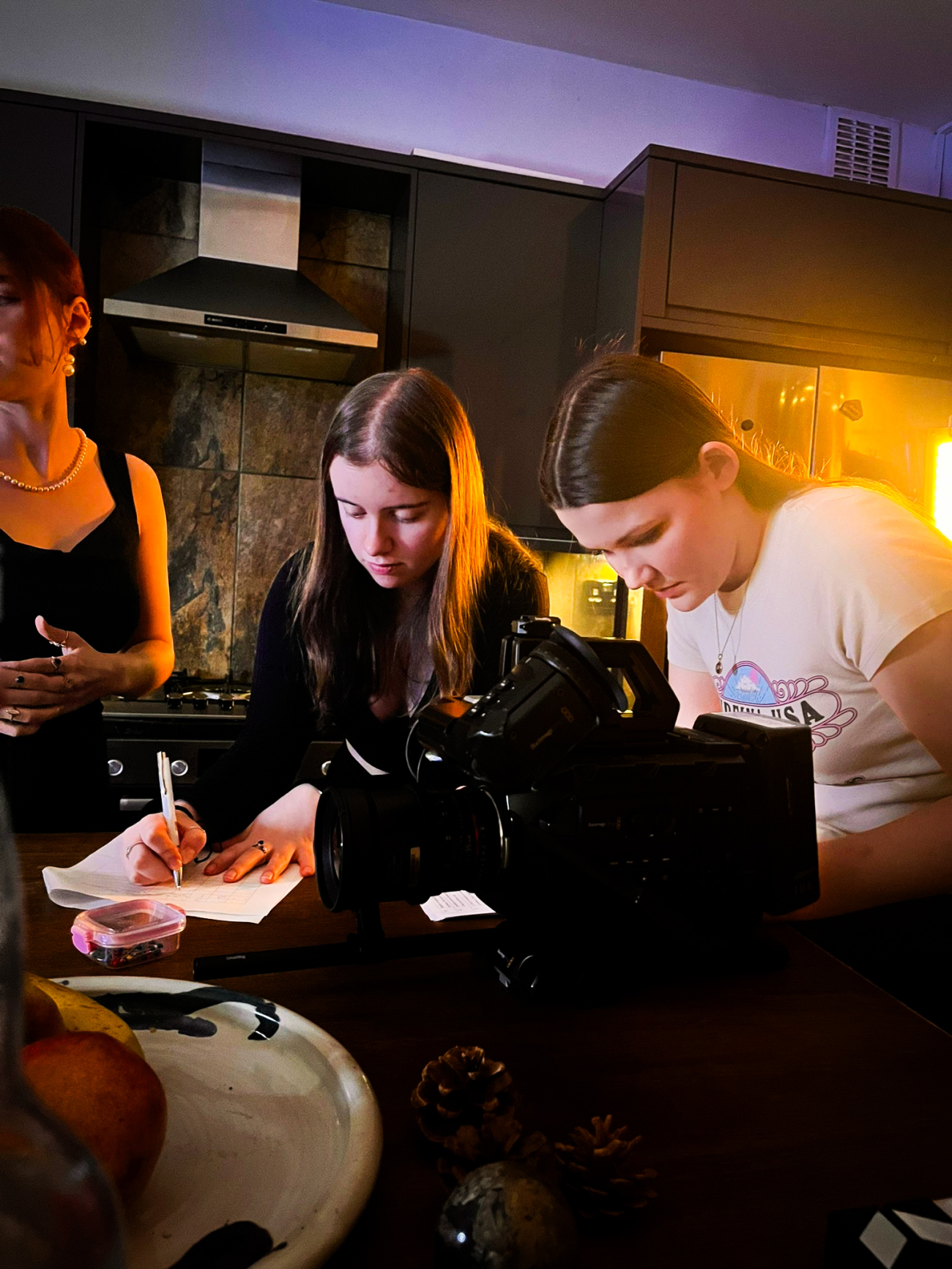
I chose Film and Television Practice because of its wide range of production areas to explore, from specialising in an area of the production process to having access to every single piece of professional equipment you would need to create a film. As someone who had little experience in filmmaking, I loved that they worked from the bottom-up, teaching you the basics that many film schools assume you already know. This gave me the confidence to pursue a degree that I felt I didn’t initially fit into.
Can you tell us more about any internship or placement opportunities you've undertaken?
In the second year, I did a one-day placement as part of our Professional Employability module. I worked on a film set which was organised by our lecturer Ben and I found the experience so valuable. I learnt from real-world professionals, understanding the genuine processes and protocols on set, which was extremely helpful in understanding what role I wanted to pursue in the film industry.
How do you think LSBU is preparing you for your career?
LSBU has a designated Careers Hub which can help you with your CV, cover letters, or just general advice about jobs and internships, even posting opportunities on LinkedIn. I know that as the end of my third year comes to an end, if I need any assistance in looking for or applying for jobs, I can book a session with the Careers Hub team, and they will assist me with any questions I have.
What networking opportunities have you had since being at LSBU?
During the Professional Employability module, a guest speaker was brought in every week to talk about their role in the industry, from Netflix TV editors to DITs on Hollywood blockbusters. One speaker informed us about the ENVY Work Experience programme, which I was selected for. Through this, I spent time at the desk of BBC Editors watching them edit and learning about the real process behind creating TV shows for big companies. I also got taught the basics of the industry standard editing software AVID, which is not used in our course, giving me an upper hand in understanding how the process works as a full-time professional editor.
What advice would you give to anyone thinking about studying Film and Television Practice at LSBU?
Don’t feel worried that you have little to no experience. I only used a film camera once before going to LSBU, and I had no idea what I was doing back then. Now, I know the basics of a camera, how to operate a sound recorder, and even how to write an excellent script! The Film and Television Practice lecturers really do make you feel welcome as a beginner, and they know that many people are coming inexperienced, so don’t feel pressured to learn everything beforehand. They are incredibly supportive and will guide you along the way.
Can you tell us about the academic support?
As a person with autism and a physical disability, LSBU has a Disability & Dyslexia Team that gives you support from classroom requirements to exam adjustments. LSBU set up this support with just a few online meetings before I attended the University, and when I enrolled, I already had in-class support such as the ability to eat whenever I needed to in the classroom setting for my physical health, and extra time after deadlines without penalty if I was struggling with my neurodivergence throughout the semester. Also, I knew that if I needed to speak to someone, I could set up a meeting in-person or online for any extra support I may need in addition to the needs already confirmed.
What are your plans after you graduate?
After I graduate, I plan to find a job in the post-production sector of the film industry, particularly in the editing or film distribution field. As well as this, I wish to also continue writing my scripts on the side and commissioning them to professionals, with my eventual plan being to write a full-length script for a feature film.