

Cutting into the Industry: Beau Maguire’s Journey at LSBU
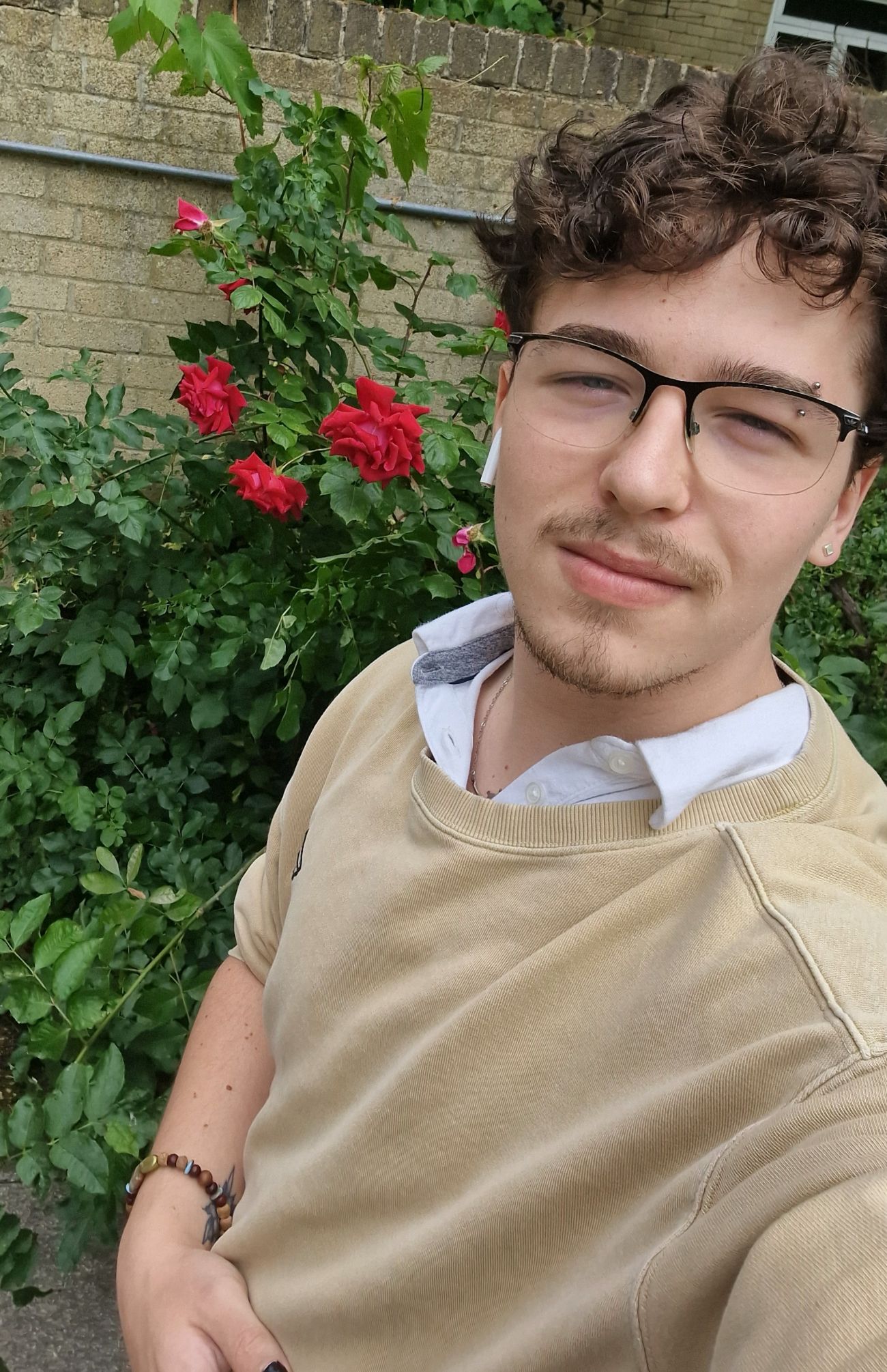
For Beau Maguire, editing is not just a skill—it is a passion rooted in storytelling and refined through hands-on experience. After completing a film, content, and media undergraduate degree, Beau took a decisive step toward professional post-production by joining the Editing and Post Production course at LSBU. With a curriculum that bridges theory and practice, and training in industry-standard software like Avid Media Composer and DaVinci Resolve, LSBU helped transform Beau’s enthusiasm into expertise.
Why did you choose to study Editing and Post-Production?
I studied film, content and media for my undergraduate degree and have had a long-lasting love for editing. I have known for a long time that I want to pursue a career in post-production and decided to pursue further study so I could prepare myself for working in a professional environment.
Why did you choose to join LSBU and not another university?
I felt like the course offered at LSBU would help to best prepare me for the industry and cover the gaps in my knowledge. LSBU's post-production course covers Avid Media Composer in great depth, and this software is a must-know for anyone wanting to get into editing, as it is the industry standard. DaVinci Resolve is also covered to a great degree; I did not use either of these software programs before the course, but now they are my preferred editing software. The course offered here is incredibly practical, with a good amount of theoretical knowledge taught alongside it as well.
Can you tell us more about any placement or internship opportunities you have had?
I was able to secure a placement opportunity at Clear Cut post-production house, which was an incredible opportunity for me. I got to spend time shadowing and talking to post-production professionals, got great advice on my professional CV and (fantastically) they have asked me to apply for their company when I graduate.
How do you think LSBU is preparing you for your career?
I think the wonderful tutors on the editing and post-production course are incredibly knowledgeable. They are not only excellent teachers but also are industry professionals and offer great personal insights into working in the film industry. I am confident that I have been taught not only the software I need to know but also what a professional workflow should look like.
What advice would you give to anyone thinking about studying Editing and Post Production?
My advice generally for any new editor would be to try and force yourself to do new things. Try weird effects, switch to a new software you have not tried, and learn the annoying keyboard shortcuts. The more tools you can have in your arsenal and the more versatile and efficient you can be as an editor, the more opportunities you open yourself up for. My other advice would be to watch through all your rushes and make notes on each one before you start an edit; it is good professional practice and will lead to a more cohesive edit.
What are your plans now that you have graduated?
I will be applying for as many entry-level editing positions as possible until I get one locked down! I plan to apply for the company I did my placement at and some other London post-houses to find work as a runner until I can work my way up the chain to hopefully become an offline editor. Hopefully, I will also be able to make some short films in my spare time.
Did you live in halls, and how did you find the experience?
I stayed in Dante Road accommodation; it is a great location and offered what I needed.