

MADD
From modelling to implementationMADD Research Group focuses on developing materials and devices specifically designed for energy conversion and storage. We employ a comprehensive approach that encompasses modelling, synthesis, and practical device applications. By leveraging advanced materials and innovative design techniques, we aim to enhance the efficiency and functionality of energy systems.
The key underlying theme across our activities is materials engineering and device fabrication: understanding how a material can provide an engineered solution to current problems, with a focus on the UK Government’s priorities of Net Zero and Sustainability. We also deliver skills development through educational initiatives and outreach activities.
Our expertise spans across four core pillars:
- Materials Design
- Materials Synthesis
- Energy Conversion
- Energy Storage
Materials Analysis Device Design is led by Dr Suela Kellici. We are always interested in new collaborations and opportunities (industry and academia) and welcome informal discussions. Get in contact with us (email Dr Suela Kellici at kellicis@lsbu.ac.uk ) to find out more.
Alternatively, visit individual member profiles to learn more about their research.
Our academics in action:
From fire to pyro, sustainable energy through materials engineering by Professor Steve Dunn
Continuous production of 2D materials - Nano2D Lab – Associate Professor Suela Kellici
Women in Engineering
Dr Zhen Lu talks about his PhD time at LSBU
Centre Members:

- Dr Meredith Barr
Biomass conversion; Biochar; Biopolymers; Waste valorisation; Wastewater treatment; Microbiome engineering; Bioplastics and biocomposites; Porous materials; Pyrolysis and gasification reactor design. 
- Dr John Buckeridge
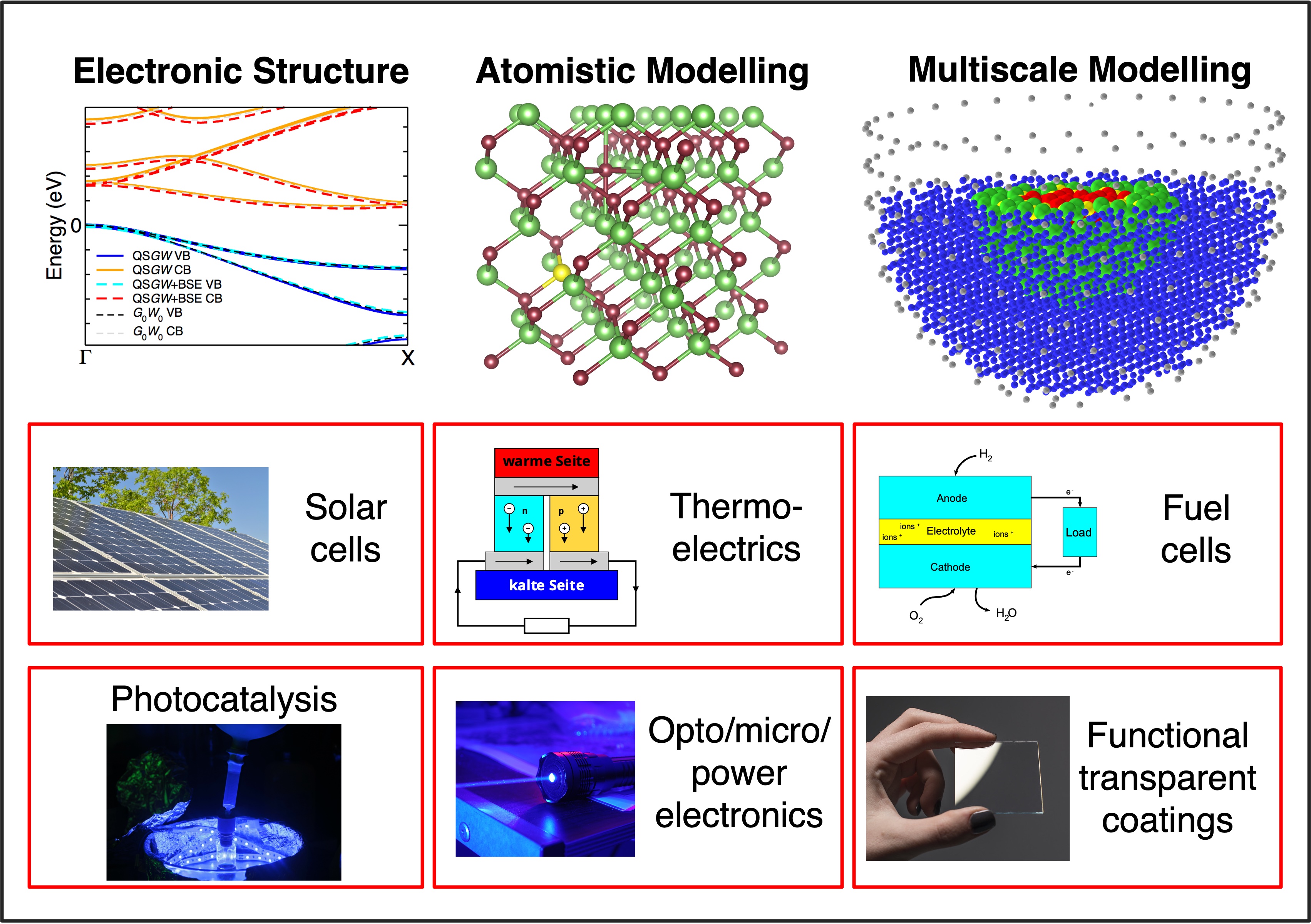
Computation of fundamental properties from first principles; Defects in semiconductors; Dynamical properties of materials and phase transitions; Charge and heat transport; Multiscale methods (QM/MM) and method development; Energy materials modelling (solar, thermoelectric, fuel cells, photocatalysis); Micro- and opto-electronic semiconductor materials; High performance computing; Application of quantum computing to materials modelling. 
- Professor Steven Dunn
Ceramic processing; Functional ceramics; Sustainable fuels; Piezocatalysis; Photochemistry; Water splitting; Carbon dioxide chemistry; Interests in battery materials. 
- Dr Suela Kellici
Continuous materials synthesis; Clean technologies; Advanced materials: 2D derivatives, metal oxides, metals, nanocomposites, carbon related, quantum dots; Photochemistry; Water treatment; Energy storage; Solar green fuel; Catalysis. 
- Dr Tariq Sajjad
Photophysics of Materials and Devices; Light-emitting Devices; Solar Cells & Solar Fuels; Photo-assisted batteries; Optical Communication; Skin cancer diagnosis via multispectral detection and treatment via photodynamic therapy (PDT); Agritech. 
- Dr Sanjayan Sathasivam
Transparent electrodes; Thin film photoelectrochemistry; Anti-wetting surfaces. 
- Dr Luis Roman
Plastics and Bioplastics; Chemical Recycling; Circular Economy; Reactor Design; Catalyst Development; Catalysis; Water Treatment; Thermodynamics; Manufacturing Processes.
Doctoral Students:
Zarina Akhmetbayeva
Bahattin Bademci
Md Fahim Dewan
Sean Paul Doidge
Florida Ferhati
Hina Hanif
Abinaya Krishnamurthy
Aaron Laishik Ladel
Behzad Malekpouri
Remon Ashraf Sabry Mankarious
Cecily Martin
Md Maruf Mridha
Rajapaksha Mudiyanselage Himal Widooshak Muwanwella
Mudasar Nazir
Seonghyeok Park
Mina Pourkhatoun
Aritra Roy
Nisrine Sakaki
Keshavmurthy Subramanian Srikanth
Matthew Tabima-Cuervo
Research themes
Computational Materials Design for Energy
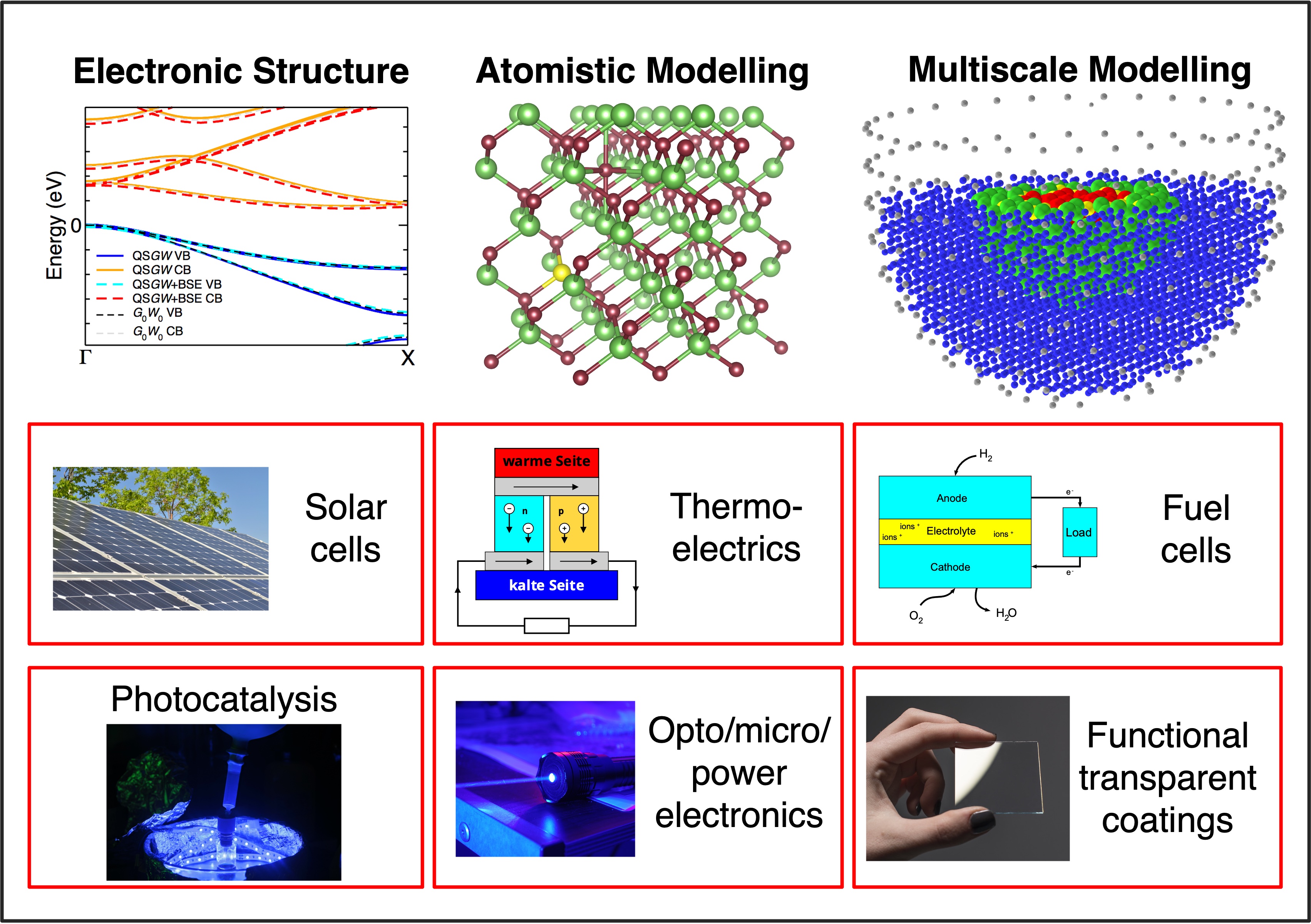
Understanding materials at the atomic scale is critical to the design of next generation energy devices. Modern computational chemical and physical techniques can be employed to predict for example the electronic and optical properties of an active layer in a device, the dopability of a semiconductor, or the efficiency and mechanism of catalytic processes on the surface of a material. At the MADD, the team works closely with experimentalists to develop novel photocatalysts, energy generation and storage devices, functional thin film coatings and microelectronics, utilising our in-house supercomputer, and national high performance computing resources. LSBU is part of a multi-partner £1M UKRI-funded project to investigate novel computational methods for next-generation exascale computing. We are also active in developing sustainable computational and synthetic techniques.
Synthetic Methodologies
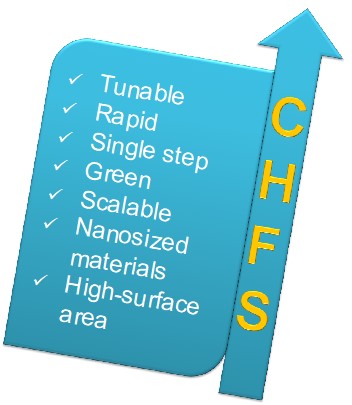
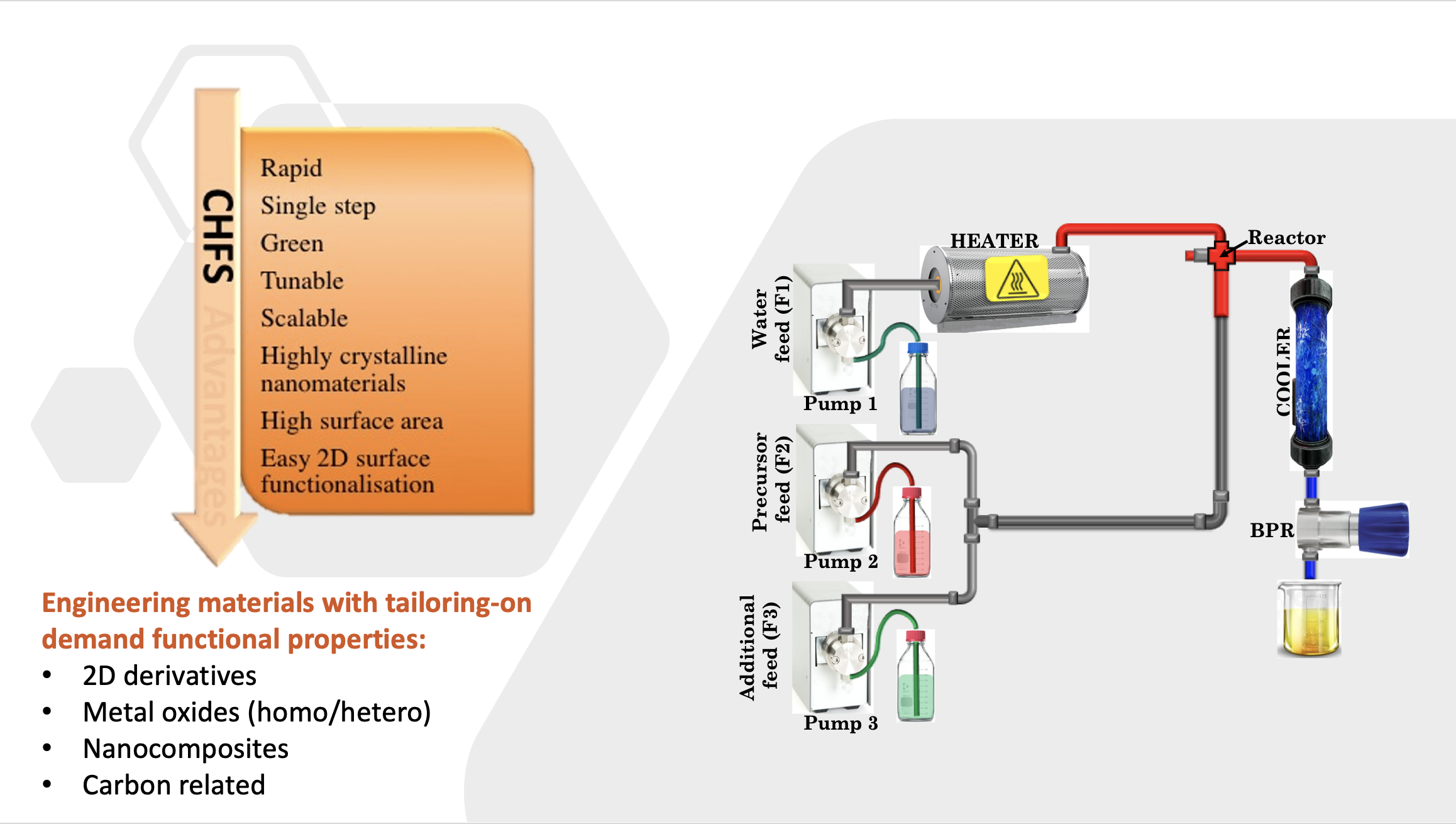
Employing a target-orientated approach, we rationally design and manufacture materials aiming to deliver world class materials engineering. We have established expertise in a variety of materials synthesis techniques from optimised conventional routes to green continuous synthetic processes, e.g., continuous hydrothermal flow synthesis, as well as advanced approaches including chemical vapour deposition and pyrolysis for biomass conversions. These processes enable a step change in cost, materials performance and durability.
Our materials portfolio includes an array of functional metal oxides (homo/hetero), metals, quantum dots (e.g. graphene, biomass derived carbon quantum dots) and 2D (e.g. graphene, MXene) hybrid structures. The materials are employed across a range of applications in energy storage, environmental, and bio-related.
Energy Storage
Our team works in the development of batteries (Li -ion and beyond) and supercapacitors focusing on-demand bespoke tailoring of the functional properties of electrode materials (theoretical and experimental) to deliver advancements in their application.

Energy Conversion
In response to advancing climate change and energy crisis concerns, immediate measures are needed to minimize our dependency on fossil fuels and speed the transition to a low-carbon economy. Solar energy for example can provide an effective and sustainable solution to both energy and environmental crises.
Our team is involved in the following areas:
- Photovoltaics: Solar cells (perovskite, organic and inorganic based). The research is focused on the development of solar cells, LEDs, and on understanding the physics of materials and devices, with the aim of improving them.
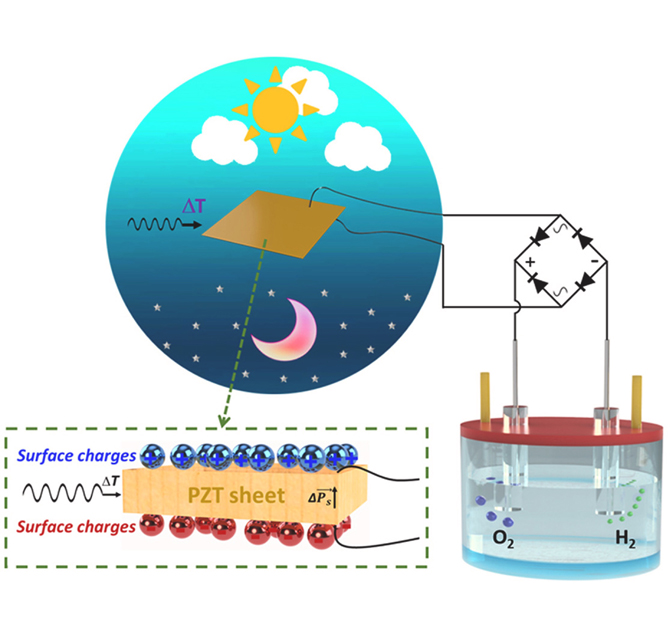
- Renewable fuel production: Photocatalysis, can readily harness freely available clean solar energy (in the presence of a catalyst) to generate hydrogen and oxygen by the splitting of water or reduced carbon compounds from carbon dioxide. Alternatively, we use pyroelectric or multiferroic/magnetoelectric materials to generate hydrogen from transient low-grade waste heat (<100°C) or in the presence of magnetic field, respectively.
FLAGSHIP PROJECTS
| Jan 2026 - £200,000 of British Council STEM Funding announced |
|---|
Total Funding: £ 200,000
Our team has been selected to host five scholars under the British Council Women in STEM Scholarship programme, supporting talented women from Egypt to pursue postgraduate study and research in STEM. Delivered in partnership with the British Council, the programme aims to address gender imbalance in science and engineering by enabling women to access high-quality education, research training and professional development opportunities in the UK. Led by Dr Suela Kellici, scholars will engage in research within the Materials Analysis and Device Design (MADD) Research Group, working alongside Dr Tariq Sajjad, Prof Steve Dunn, Dr Sanjay Sathasivam, Dr John Buckeridge, and Prof Sandra Dudley (from the REACT Innovation Centre). Research spans energy and healthcare, from materials for energy conversion, storage and sustainability to functional devices and computational materials modelling, addressing key global challenges The scholarship provides full financial support, including tuition fees, a living stipend, travel, visa and health-related costs, enabling scholars to focus fully on their academic and research development. Applications are now open, with scholars expected to commence their studies and research activities in the upcoming academic year. (https://www.lsbu.ac.uk/international/your-country/africa/egypt/bc-women-in-stem-scholarship)
| Turning Seawater into Clean Fuel |
|---|
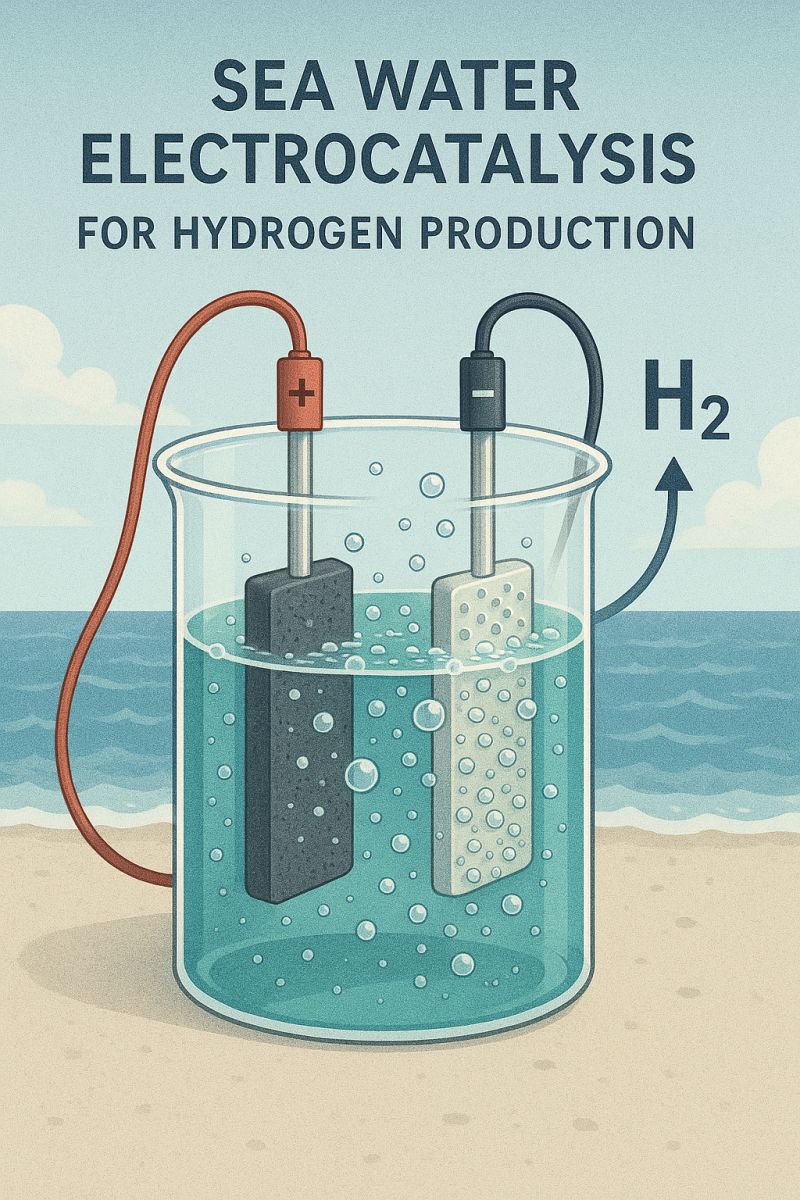
Bifunctional Perovskite Electrocatalysts for Efficient Seawater Electrolysis (EPSRC, £323,478)
Dr Tariq Sajjad, Dr Suela Kellici
Collaborators: University of Oxford , University of Exeter
From seawater to green hydrogen: pioneering new materials for a clean energy future. Hydrogen is widely recognised as a cornerstone of the transition to a net-zero future, yet its sustainable and cost-effective production remains a formidable challenge. This project aims to achieve a breakthrough by developing advanced Aurivillius layered perovskite oxides as bifunctional oxygen and hydrogen evolution reaction (OER/HER) electrocatalysts for direct seawater electrolysis. The catalysts will be synthesised via environmentally friendly, rapid, and scalable methodologies, addressing key limitations in current electrocatalyst fabrication. To accelerate discovery, the project employs a high-throughput screening approach for rapid optimisation of catalytic activity and durability. This research advances the fundamental science of seawater electrolysis and lays the foundation for affordable, large-scale hydrogen production, contributing directly to the UK’s clean energy transition.
| Future Computing Paradigms for Materials Modelling |
|---|
 Computational materials science is an energy-intensive endeavour, and any future developments in hardware and software must be sustainable to be viable. Future supercomputing architecture will, by necessity, incorporate different technologies to achieve 'exascale' performance (that is, at or above one million trillion flops). One component that shows significant potential is quantum computing. At present, the technology is in its infancy, and "noisy intermediate-scale quantum" computing needs to be explored to see if any advantages can be gained now. Dr Buckeridge is co-chair of the EPSRC-funded collaborative computational project, CCP-QC, which aims to bring together scientists that design quantum algorithms with end users, specifically materials scientists, fluid dynamics modellers and industrial partners. He is also knowledge exchange coordinator for the UKRI-funded QEVEC project, part of the ExCALIBUR programme that is getting the UK ready for exascale computing. QEVEC aims to explore the current capabilities of quantum computing for applications in materials science, hydrodynamics and cosmology. Furthermore, he is a management steering committee member of the EPSRC-funded Materials Chemistry Consortium (MCC), which is a major user of the UK national supercomputer ARCHER2. The MCC has grown over two decades to incorporate over 100 research groups in the UK, through which they gain access to ARCHER2. Dr Buckeridge jointly leads the Novel Algorithms theme for the MCC.
| Helping Plants Make the Most of Sunlight |
|---|

Quantum dots-based nano-optical antennas for versatile and sustainable agriculture (British Council, £99,999)
Dr Tariq Sajjad, Dr Suela Kellici
Collaborators: Istanbul Technical University (Turkey)
Tiny quantum dots, big impact: boosting photosynthesis to grow more food sustainably. Climate change, land degradation, and rapid population growth are placing unprecedented pressure on global agriculture. This project explores a nanomaterials-based strategy to enhance plant productivity by optimising solar energy utilisation in photosynthesis. We are developing carbon quantum dots (CQDs) low-cost, non-toxic, and highly efficient photoluminescent materials capable of converting underutilised or harmful wavelengths (UV and NIR) into photosynthetically active radiation. These CQDs will be investigated as nano-optical antennas for practical deployment through soil drenching, seed coating, foliar spraying, or incorporation into polymer films for greenhouse glazing and polytunnels. By leveraging LSBU’s expertise in nanomaterials synthesis and optical engineering in partnership with Istanbul Technical University (Turkey), this project bridges cutting-edge materials science with agricultural applications. By enhancing photosynthetic efficiency by up to 50% and potentially increasing crop yields by 20–50%, this research aims to deliver sustainable, scalable solutions to global food security challenges.
| H2020 Project: Solvent Based Polymer Recycling |
|---|
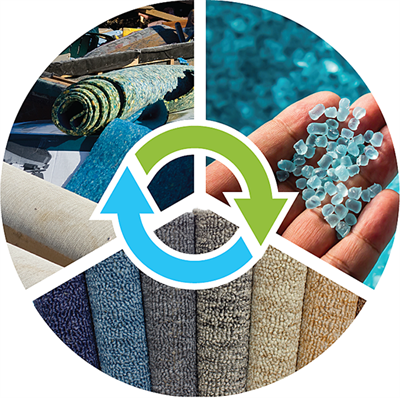 ISOPREP TM is a multidisciplinary consortium of 10 partners located across Europe in Germany, Austria, Turkey, Portugal delivering technologies that convert waste plastic into virgin-like plastic. Funded by the European Union’s Horizon 2020 research and innovation programme under grant agreement number 820787, ISOPREPTM, developed a closed-loop recycling plant able to reclaim and process polypropylene from complex multi-material products, such as carpet waste, into virgin-like polypropylene of high purity and material/grade homogeneity. The process utilised a high performance proprietary ionic liquid that allows selective dissolution of the polypropylene, high dissolution rates and large cycle time of utilisation before regeneration is required. Respecting the environment, the whole process is carried out in a closed-loop system that leads to minimal to no waste generated from the process. The process is designed to be cost effective and superior to existing alternative recycling methods. The long-term objective of the partnership is to increase circularity of thermoplastics and composite materials, preventing down-cycling and material waste; all in an affordable and eco-friendly manner.
Partners
MADD has a strong record of collaborative and interdisciplinary research.
Computational Material Design for Energy
Employing a target-orientated approach, we rationally design and manufacture materials aiming to deliver world class materials engineering.
We use in-house supercomputers, and have access to national high performance computing resources. We are also active in developing sustainable computational techniques.
Advanced Materials Synthesis and Processing
We specialise in advanced materials synthesis, leveraging both conventional and cutting-edge techniques to deliver high-performance, cost-effective, and scalable solutions. Our expertise spans optimised traditional methods as well as green, continuous-flow synthesis approaches, such as Continuous Hydrothermal Flow Synthesis (CHFS), which enable step-change improvements in material performance, durability, and process economics.
Our capabilities also include Chemical Vapour Deposition (CVD) for precision-engineered thin films and nanostructures, and pyrolysis-based biomass conversion, which supports sustainable synthesis of carbon-rich nanomaterials from renewable sources.
Our materials portfolio covers a broad spectrum of advanced functional materials designed for next-generation applications. These include:
- Functional Metal Oxides (homogeneous and heterogeneous)
- Metals and Alloys, including nanostructured and high-performance variants, and plasmonic metals (e.g., Au, Ag) for optical, sensing, and photonic applications
- Carbon Materials, such as:
- Amorphous and graphitic carbon
- Biomass-derived carbon nanostructures
- Carbon supports for composites and catalysts
- Quantum Dots, including:
- Graphene quantum dots
- Biomass-derived carbon quantum dots
- 2D Materials & Hybrids, such as:
- Graphene and related derivatives
- MXenes
- Carbon-integrated layered materials and hybrid structures
Our modular and scalable synthesis approaches allow us to tailor material properties to meet specific performance requirements across sectors such as energy storage, catalysis, sensing, electronics, and environmental technologies
Materials Characterisation
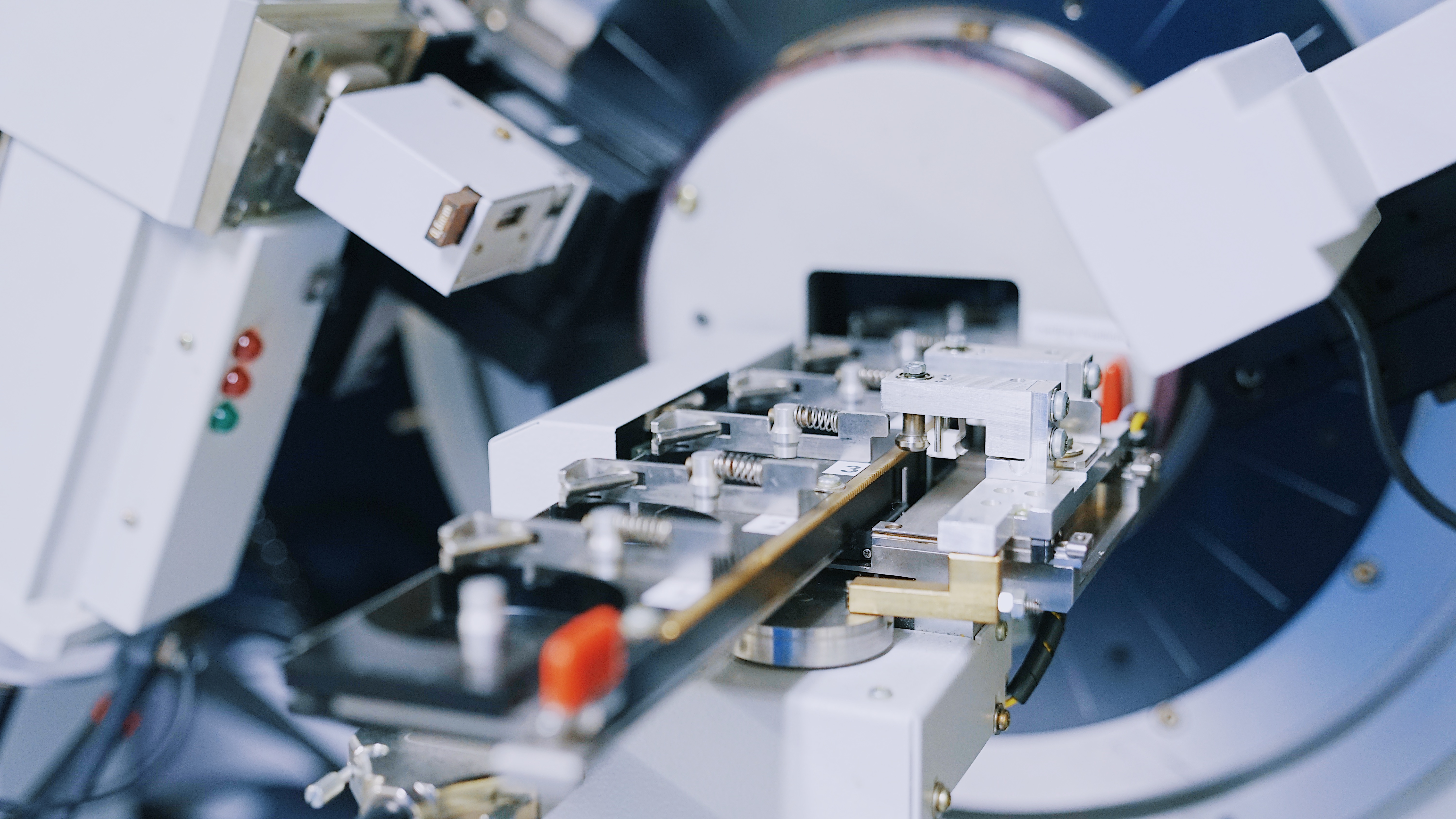
Structure and Morphology
XRD, SEM, FTIR, BET surface area, Profilometer, AFM
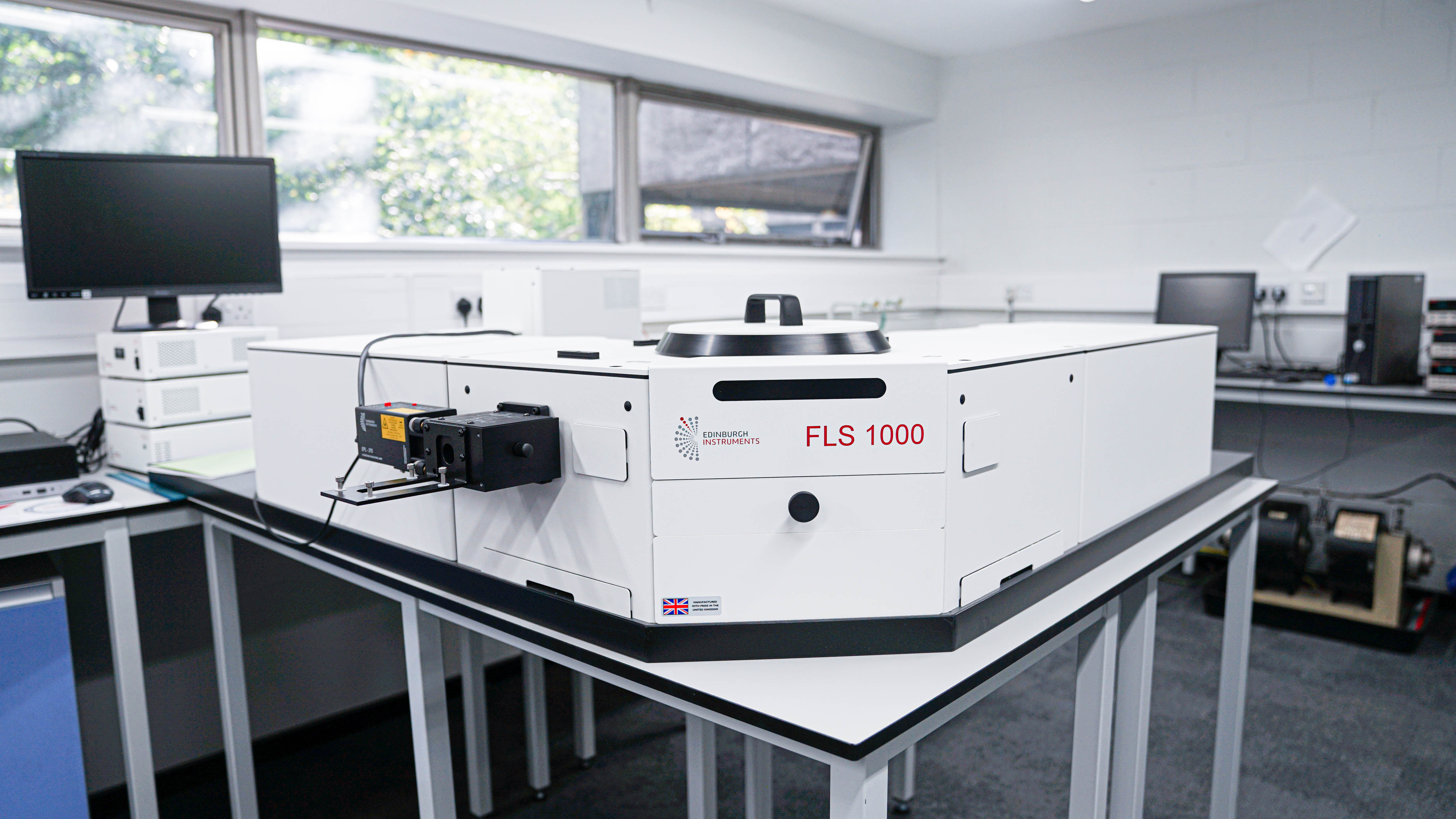
Optical
PL (Steady state and time-resolved photoluminescence spectroscopy), UV-vis, Ellipsometer
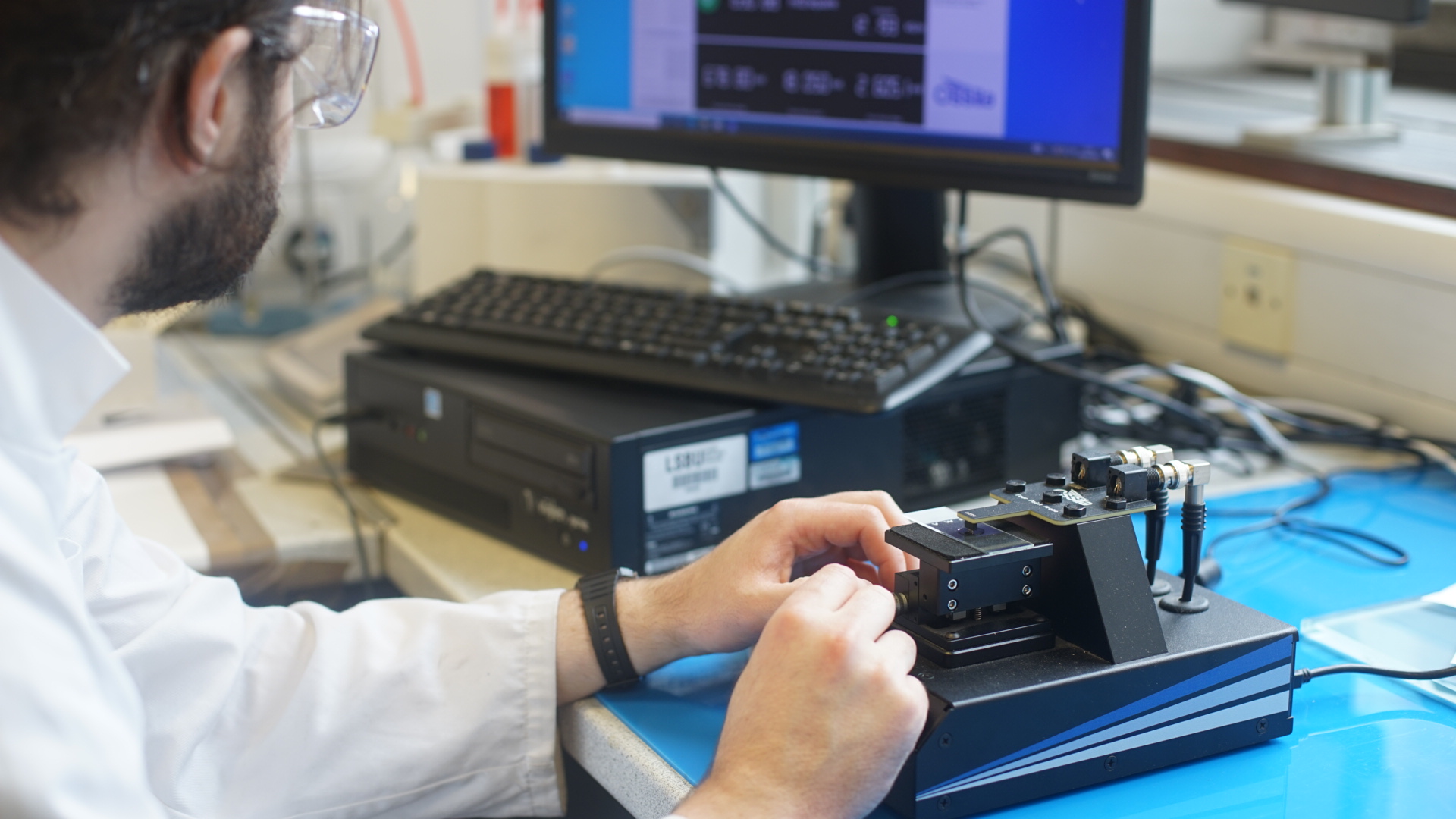
Electrical
Four point probe, Quantum Hall measurements
Device Fabrication and Performance Testing
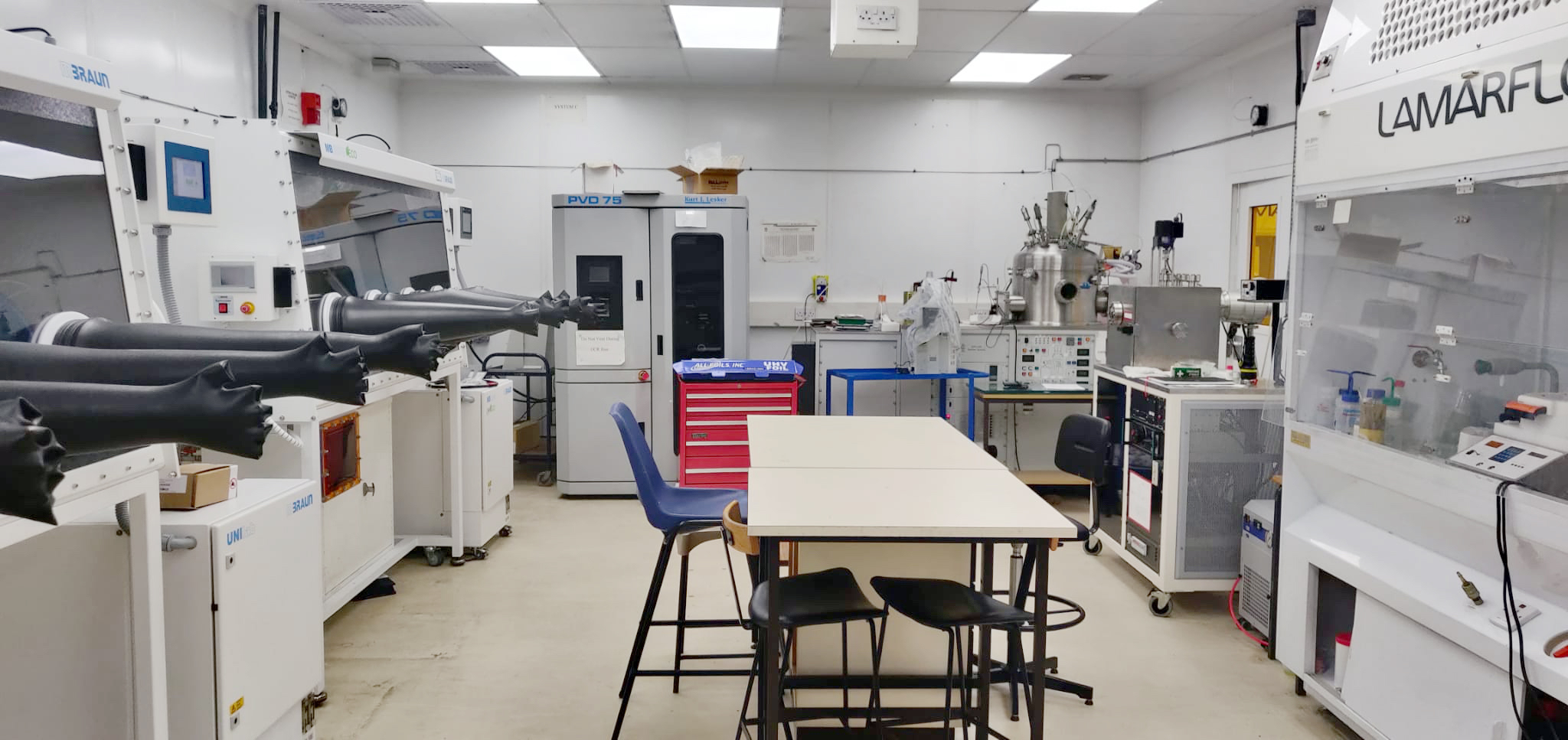
Clean Room
Our clean room is equipped with multiple state of art glove boxes, allocated to the research on photovoltaics, perovskite solar cells and energy storage (battery/supercapacitor)
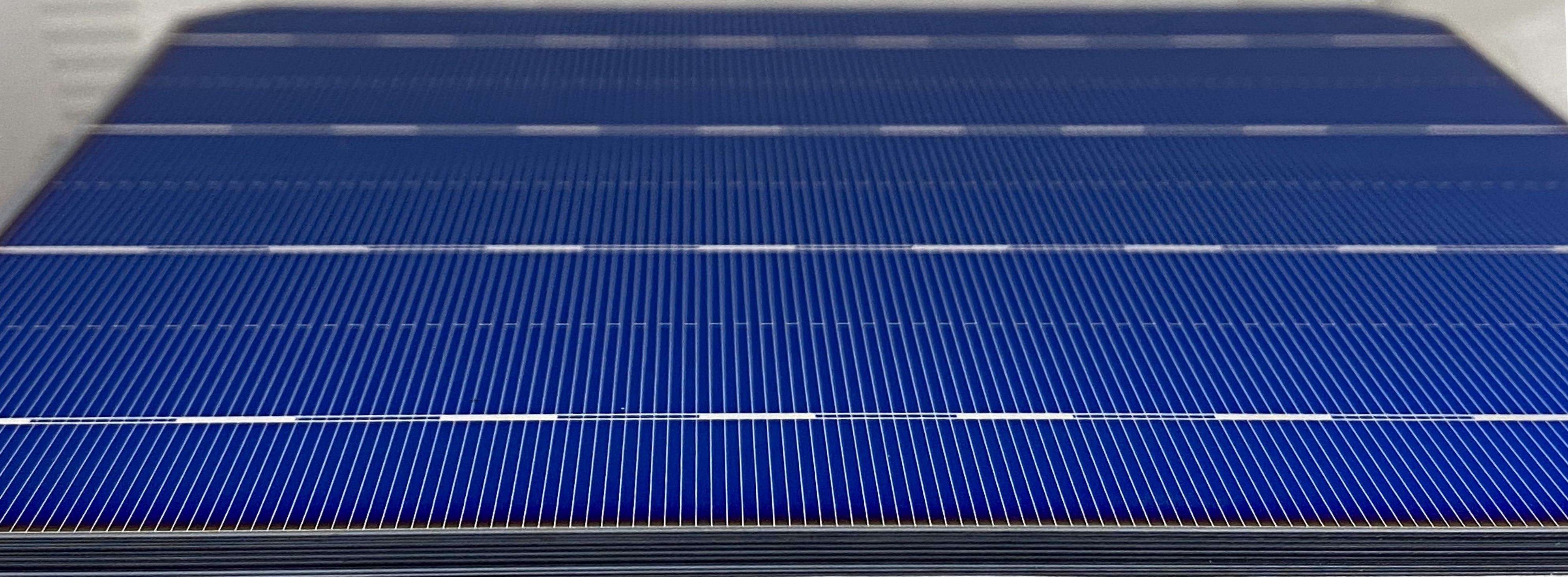
PV Solar Cells
Photovoltaics solar cells
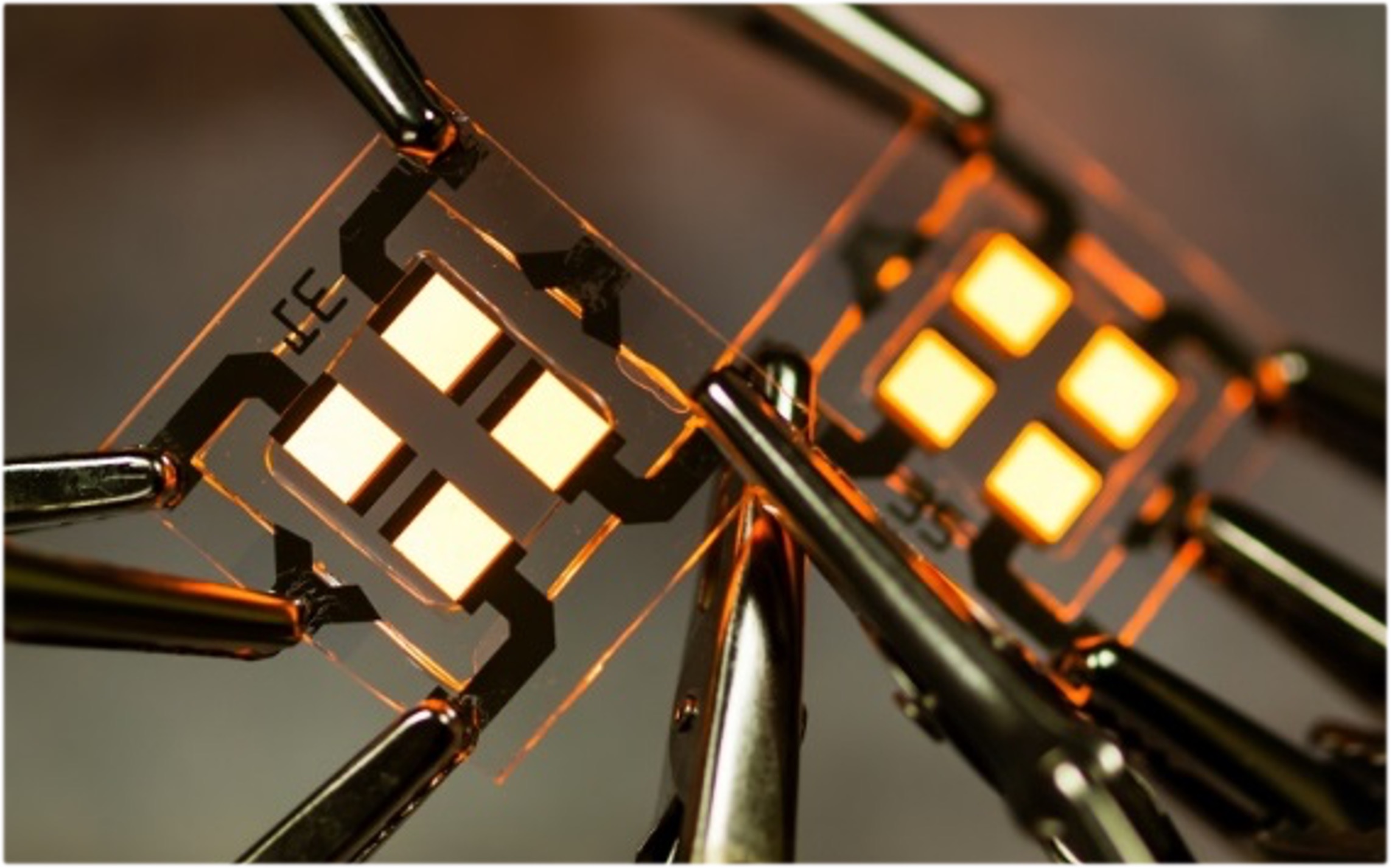
LEDs
The MADD has facilities to characterise the performance of light-emitting devices (LEDs) and other electronic devices.
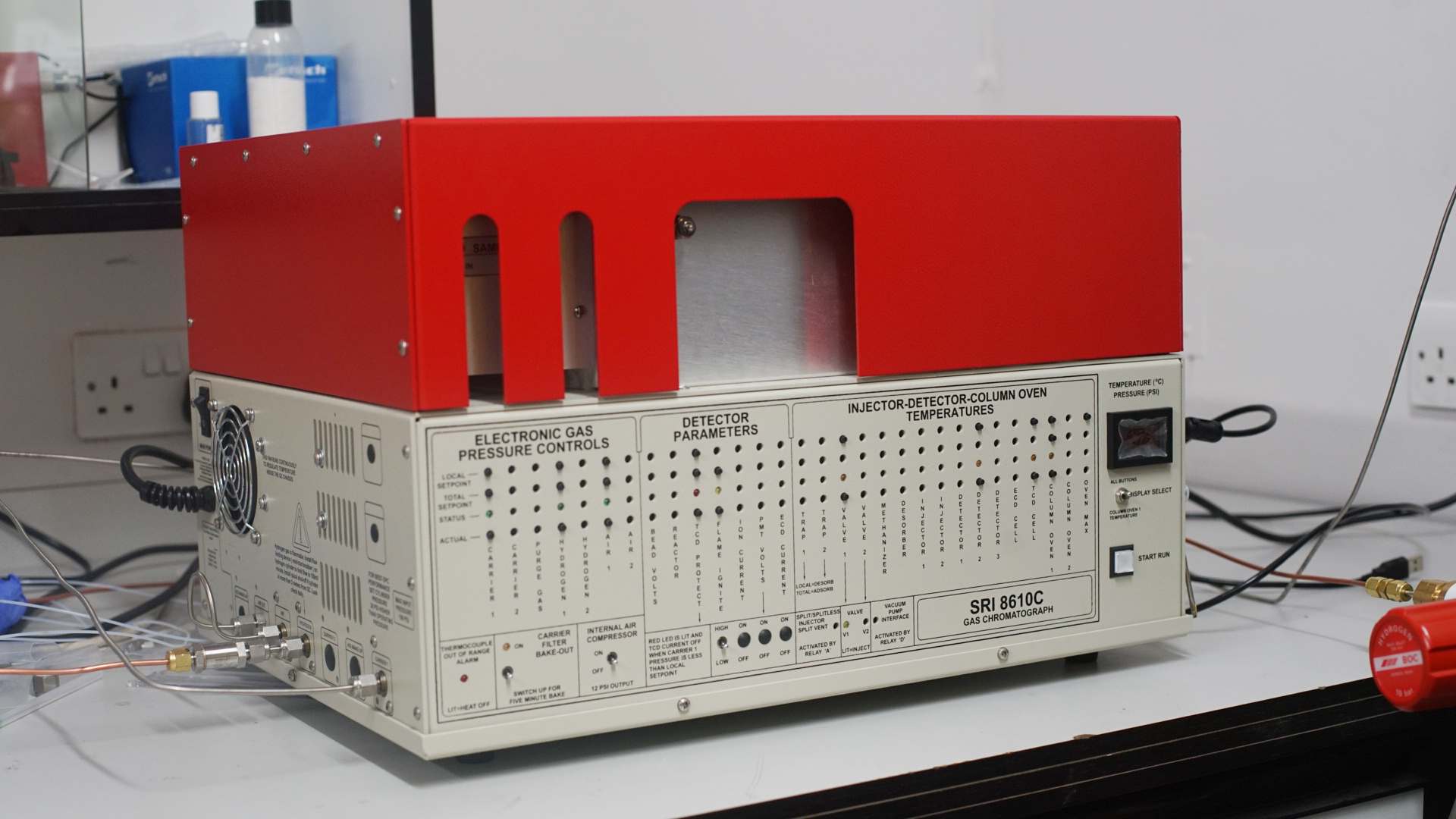
Solar Fuel Testing
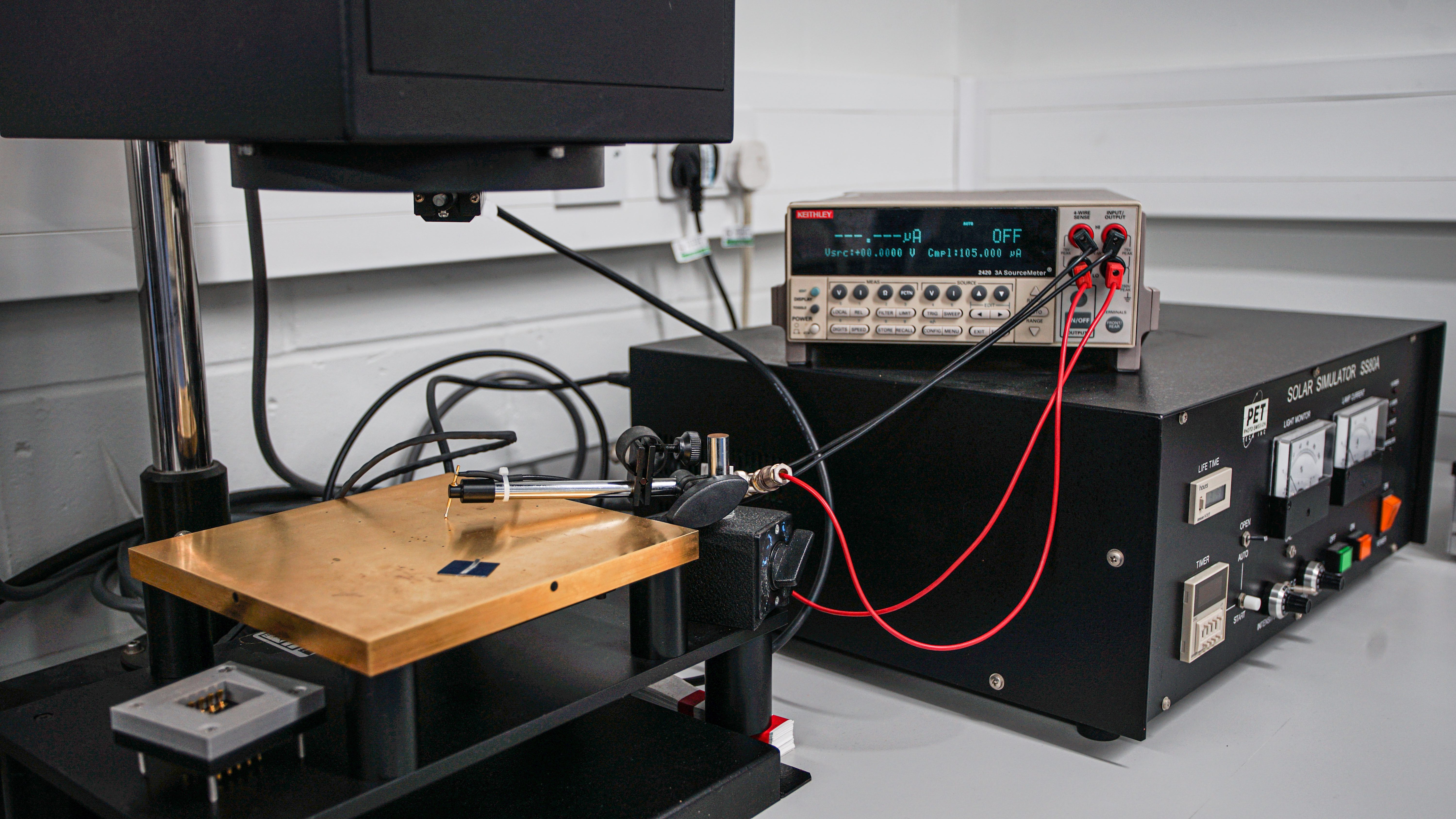
Solar Simulators
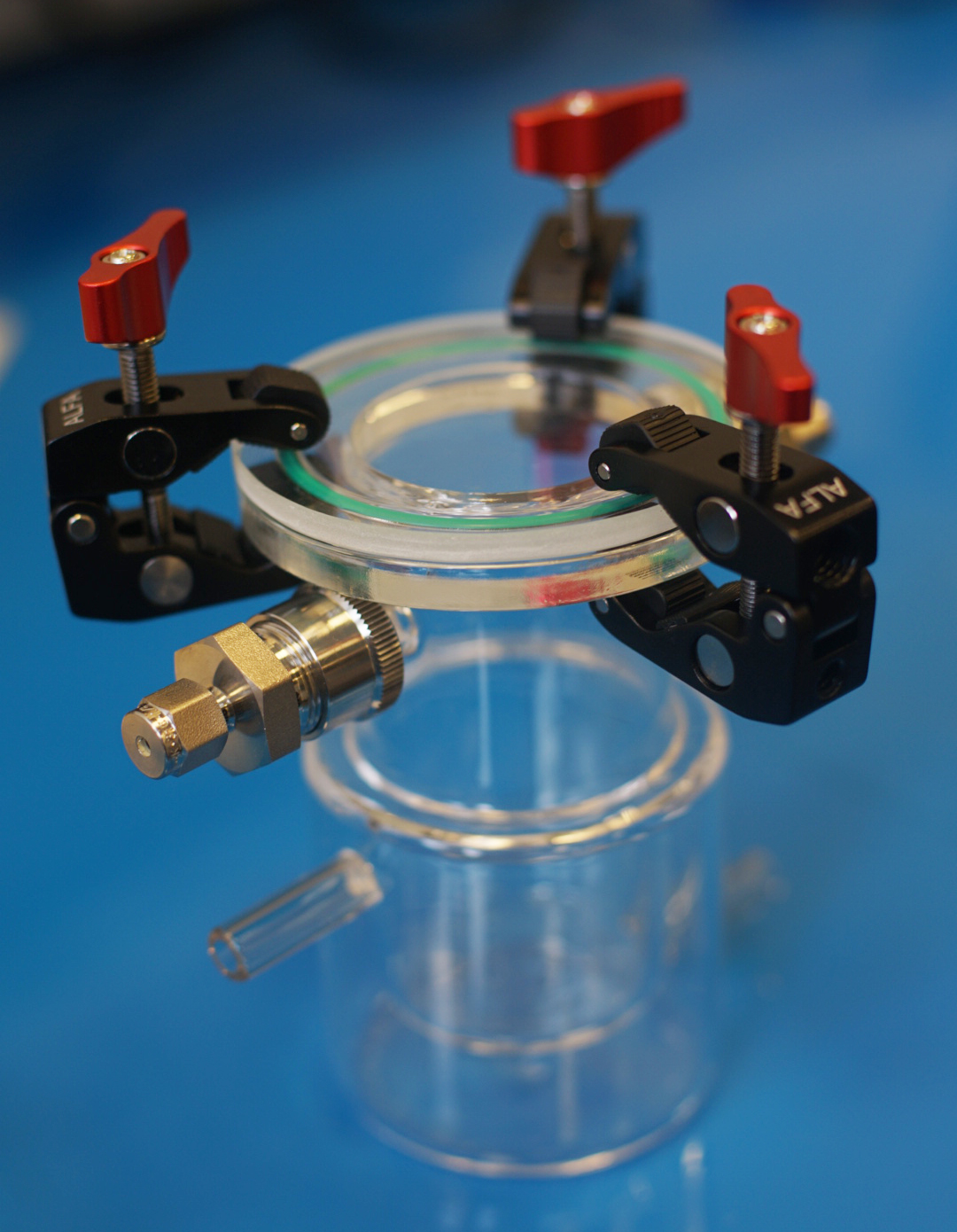
Photocatalytic Reactors
March 2026 |
|---|
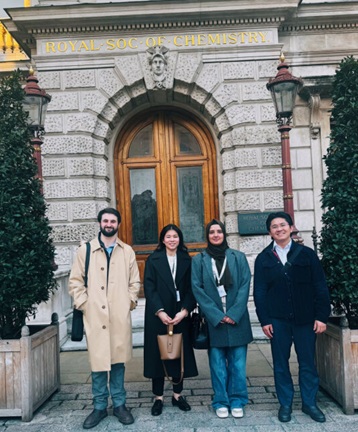
On 17th March, MADD group researchers attended the Royal Society of Chemistry Catalysis Science and Technology Symposium, where they presented posters from their EPSRC project (UKRI647) and engaged with researchers across the field. The event provided a valuable opportunity to share their work, gain feedback, and discuss ideas with others working on related challenges. Networking sessions also led to a number of interesting conversations and potential collaborations.
|
February 2026 - Advancing AI for materials discovery: PhD researcher secures international research funding. |
|---|
Final-year PhD researcher Aritra Roy, supervised by Dr John Buckeridge at London South Bank University SLIMES lab, has been awarded collaboration funding through the AIchemy Collaborative Travel Fund to advance AI-driven materials discovery research at one of Europe's leading computational chemistry laboratories. He will spend four weeks at Prof. Berend Smit's Laboratory of Molecular Simulation at EPFL, Switzerland, learning cutting-edge automated validation frameworks and exploring cross-domain applications of AI in materials science. His research focuses on developing multi-agent AI systems that extract composition-property relationships from scientific literature along with high-throughput quantum mechanical calculations to accelerate the discovery of new functional materials. The collaboration represents an important step in bridging AI-driven data extraction with automated materials generation and validation across different application domains.
|

January 2026 - MCC-VASP workshop at LSBU. |
|---|
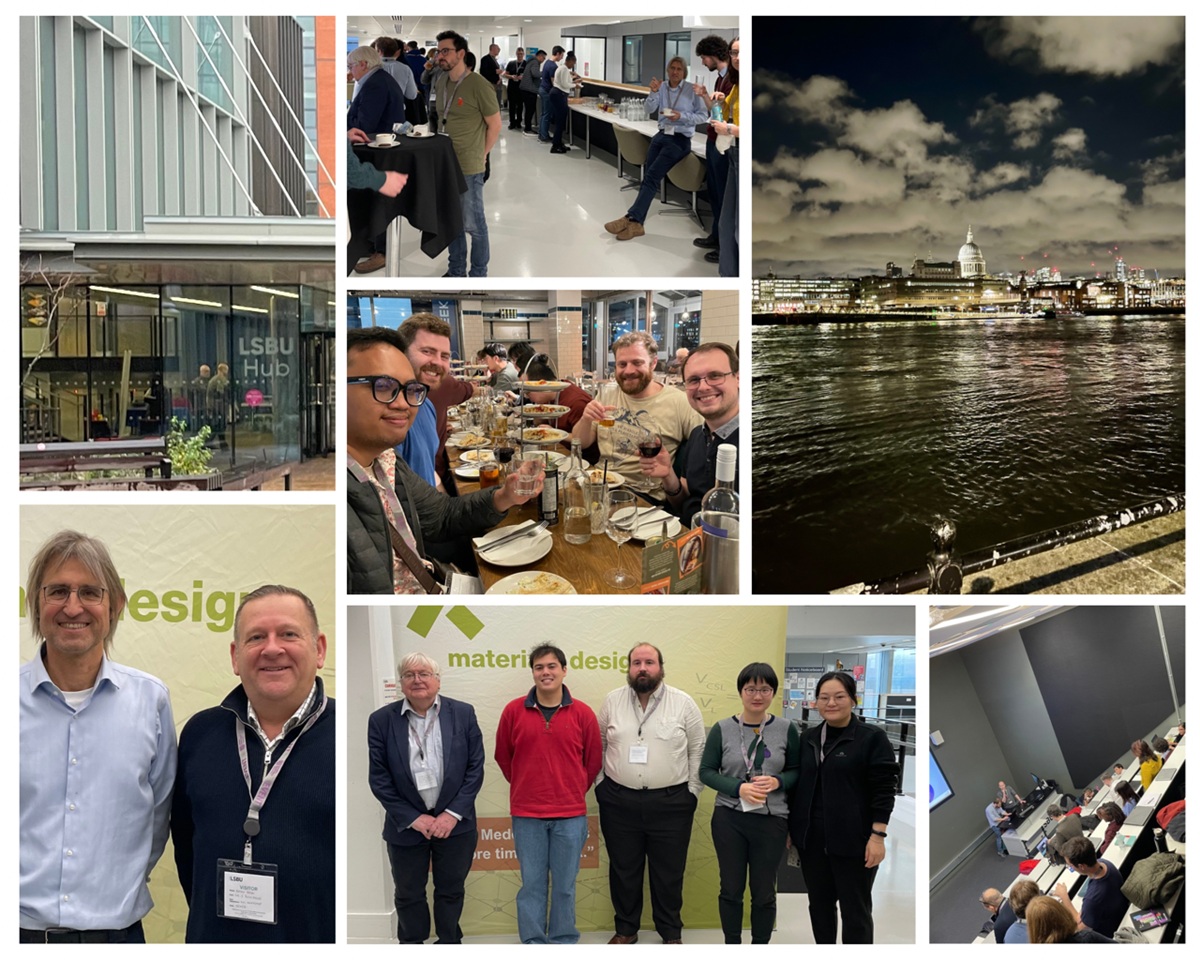
Dr John Buckeridge organised and ran the 2nd VASP-MCC Workshop in LSBU from 19th – 21st January 2026. The workshop aimed at bringing together novices, experienced users, developers and experts to discuss the application of the widely used VASP software for first-principles materials modelling. The workshop included contributions from the VASP team, in particular the main developer Prof. Georg Kresse (in the top 5 most cited physicists of all time), a hands-on session run by the industrial partners Materials Design and a keynote address from Prof. Sir Richard Catlow FRS. MADD Group member Dr Suela Kellici kindly gave an invited talk. The workshop was attended by over 55 delegates and included a lively social event at the Real Greek, Bankside on the evening of the 20th of January.
|

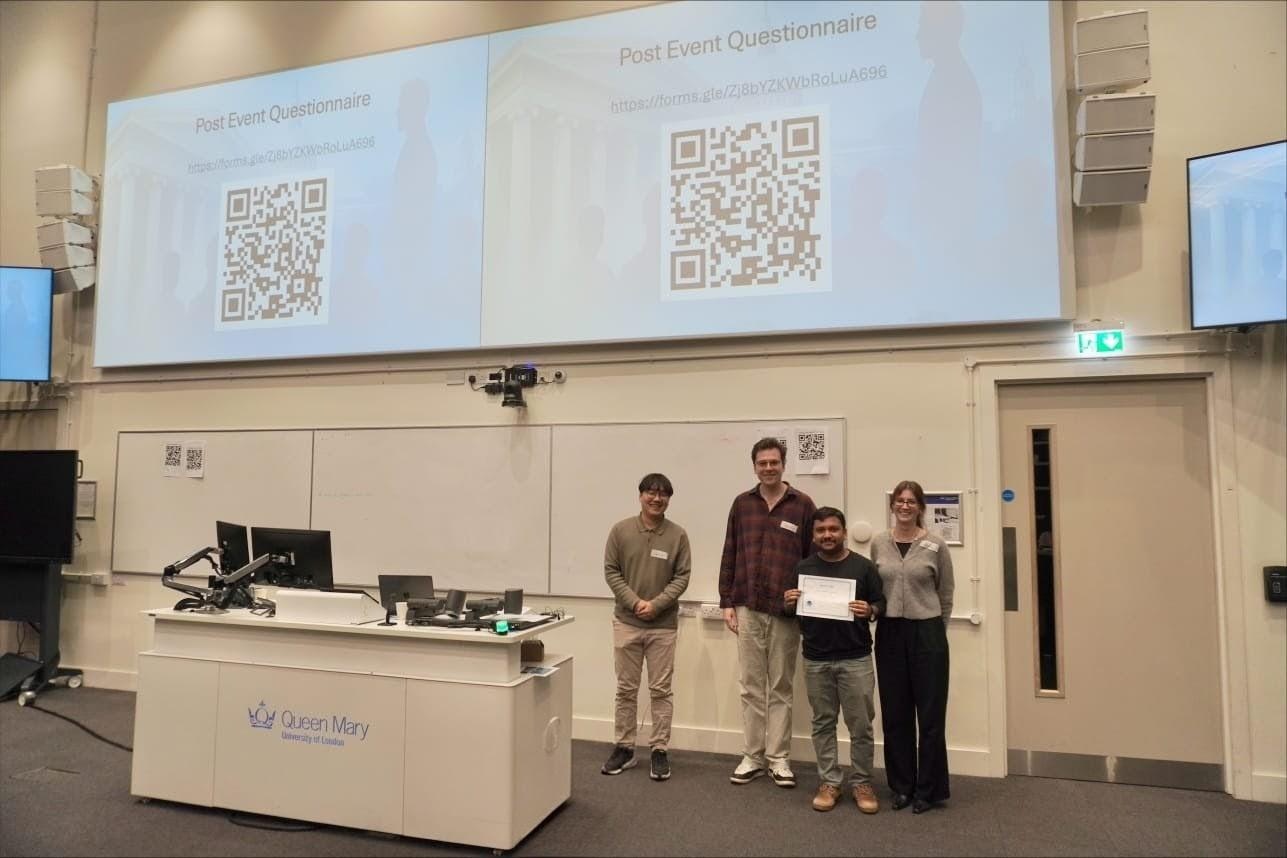
January 2026 Poster - Prize at TYC-LJC Materials Modelling Conference. |
|---|
|
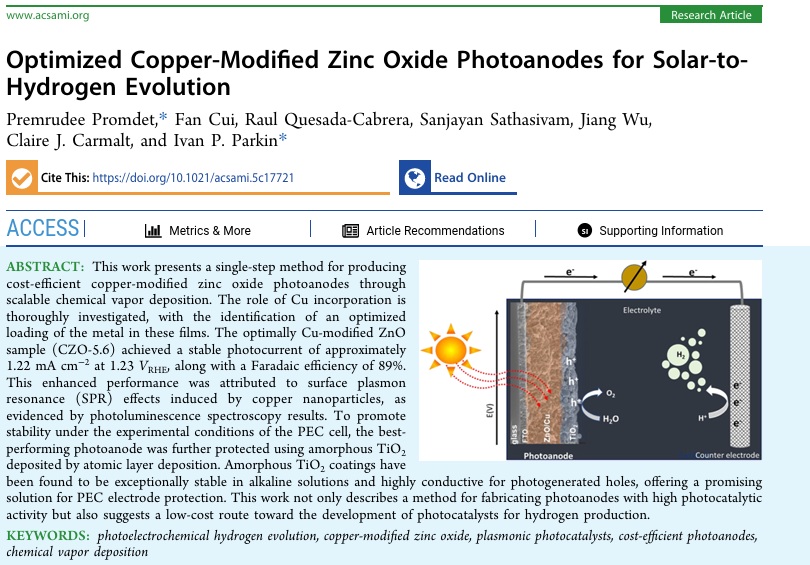
January 2026 - Paper Published in ACS Applied Materials & Interfaces |
|---|
This work presents a single-step method for producing cost-efficient copper-modified zinc oxide photoanodes through scalable chemical vapor deposition. The role of Cu incorporation is thoroughly investigated, with the identification of an optimized loading of the metal in these films. The optimally Cu-modified ZnO sample (CZO-5.6) achieved a stable photocurrent of approximately 1.22 mA cm–2 at 1.23 VRHE, along with a Faradaic efficiency of 89%. This enhanced performance was attributed to surface plasmon resonance (SPR) effects induced by copper nanoparticles, as evidenced by photoluminescence spectroscopy results. To promote stability under the experimental conditions of the PEC cell, the best-performing photoanode was further protected using amorphous TiO2 deposited by atomic layer deposition. Amorphous TiO2 coatings have been found to be exceptionally stable in alkaline solutions and highly conductive for photogenerated holes, offering a promising solution for PEC electrode protection. This work not only describes a method for fabricating photoanodes with high photocatalytic activity but also suggests a low-cost route toward the development of photocatalysts for hydrogen production. |
|
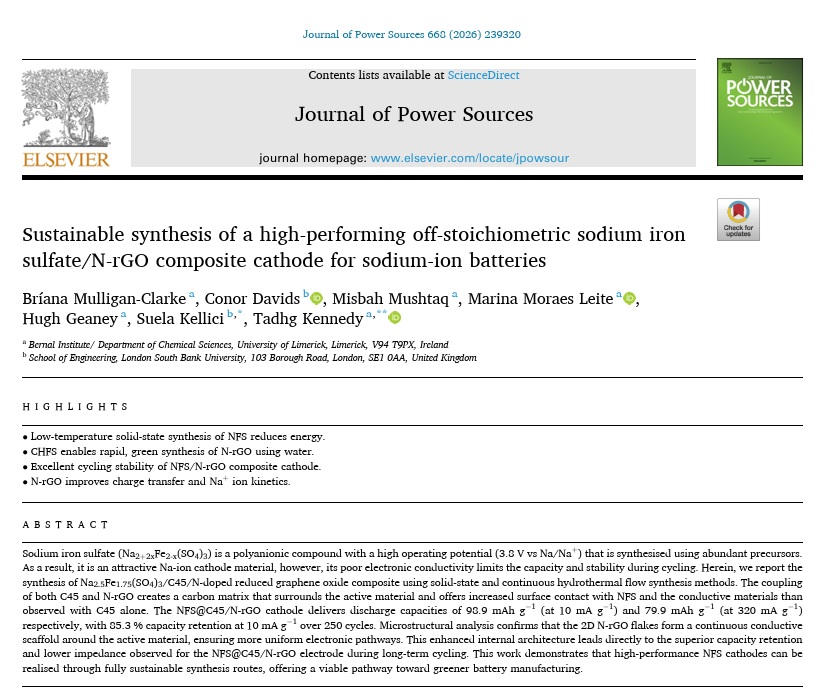
January 2026 - Paper Published in Journal of Power Sources |
|---|
Sodium iron sulfate (Na2+2xFe2-x(SO4)3) is a polyanionic compound with a high operating potential (3.8 V vs Na/Na+) that is synthesised using abundant precursors. As a result, it is an attractive Na-ion cathode material, however, its poor electronic conductivity limits the capacity and stability during cycling. Herein, we report the synthesis of Na2.5Fe1.75(SO4)3/C45/N-doped reduced graphene oxide composite using solid-state and continuous hydrothermal flow synthesis methods. The coupling of both C45 and N-rGO creates a carbon matrix that surrounds the active material and offers increased surface contact with NFS and the conductive materials than observed with C45 alone. The NFS@C45/N-rGO cathode delivers discharge capacities of 98.9 mAh g 1 (at 10 mA g 1) and 79.9 mAh g 1 (at 320 mA g 1) respectively, with 85.3 % capacity retention at 10 mA g 1 over 250 cycles. Microstructural analysis confirms that the 2D N-rGO flakes form a continuous conductive scaffold around the active material, ensuring more uniform electronic pathways. This enhanced internal architecture leads directly to the superior capacity retention and lower impedance observed for the NFS@C45/N-rGO electrode during long-term cycling. This work demonstrates that high-performance NFS cathodes can be realised through fully sustainable synthesis routes, offering a viable pathway toward greener battery manufacturing. |
|
December 2025 - MADD affiliated colleagues had a wonderful evening at the LSBU research and innovation awards. |
|---|
|
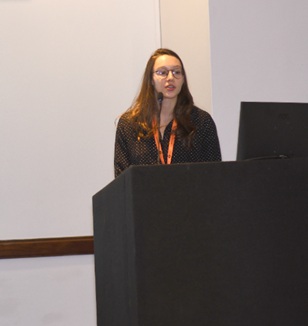
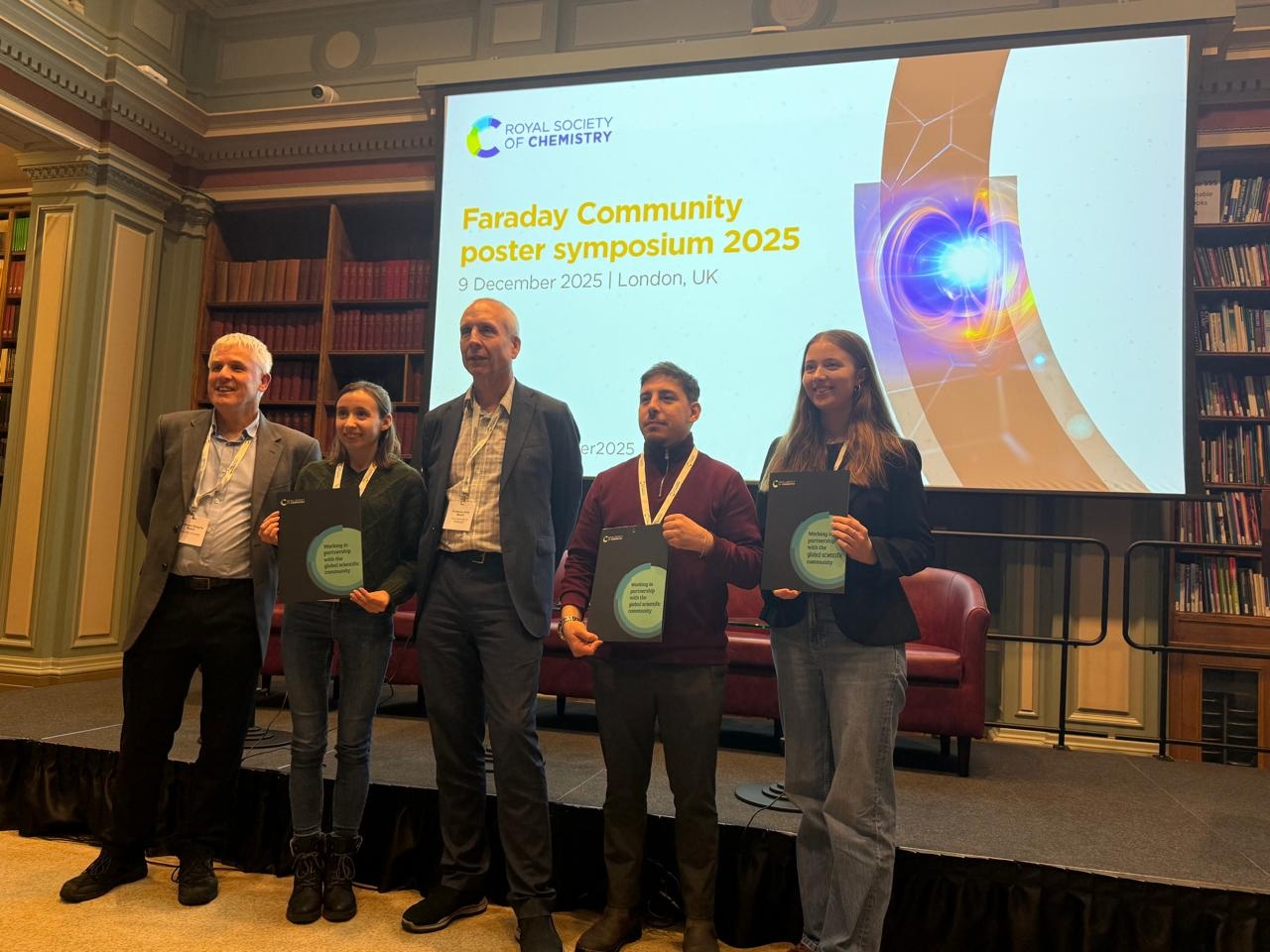
December 2025 - Best Poster Prize at the 2025 Faraday Community Poster Symposium |
|---|
A PhD researcher, Bahattin Bademci, from the MADD group, has won the Best Poster Prize at the 2025 Faraday Community Poster Symposium. He is working under the supervision of Dr Tariq Sajjad, focusing on developing rapid, self-powered organic photodetectors capable of harvesting energy while transmitting data, a technology that could help ease radio-frequency congestion by advancing light-based wireless communication (LiFi).
|
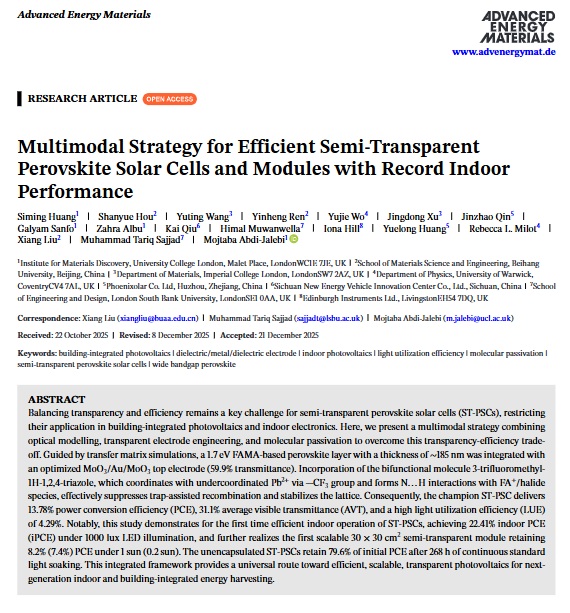
December 2025 - Paper Published in Advanced Energy Materials |
|---|
Balancing transparency and efficiency remains a key challenge for semi-transparent perovskite solar cells (ST-PSCs), restricting their application in building-integrated photovoltaics and indoor electronics. Here, we present a multimodal strategy combining optical modelling, transparent electrode engineering, and molecular passivation to overcome this transparency-efficiency trade-off. Guided by transfer matrix simulations, a 1.7 eV FAMA-based perovskite layer with a thickness of ∼185 nm was integrated with an optimized MoO3 /Au/MoO3 top electrode (59.9% transmittance). Incorporation of the bifunctional molecule 3-trifluoromethyl-1H-1,2,4-triazole, which coordinates with undercoordinated Pb2+ via ─CF 3 group and forms N. . . H interactions with FA+/halide species, effectively suppresses trap-assisted recombination and stabilizes the lattice. Consequently, the champion ST-PSC delivers13.78% power conversion efficiency (PCE), 31.1% average visible transmittance (AVT), and a high light utilization efficiency (LUE)of 4.29%. Notably, this study demonstrates for the first time efficient indoor operation of ST-PSCs, achieving 22.41% indoor PCE(iPCE) under 1000 lux LED illumination, and further realizes the first scalable 30 × 30 cm 2 semi-transparent module retaining8.2% (7.4%) PCE under 1 sun (0.2 sun). The unencapsulated ST-PSCs retain 79.6% of initial PCE after 268 h of continuous standard light soaking. |
|
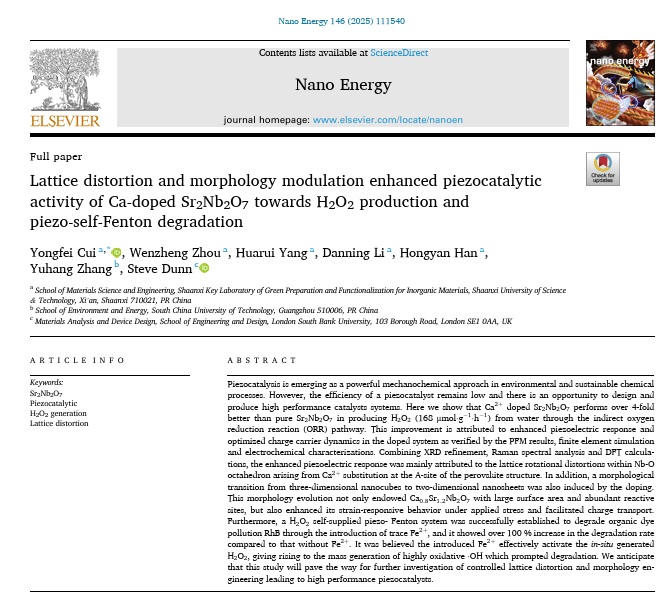
November 2025 - Paper Published in Nano Energy |
|---|
Piezocatalysis is emerging as a powerful mechanochemical approach in environmental and sustainable chemical processes. However, the efficiency of a piezocatalyst remains low and there is an opportunity to design and produce high performance catalysts systems. Here we show that Ca2+ doped Sr2Nb2O7 performs over 4-fold better than pure Sr2Nb2O7 in producing H2O2 (168 μmol·g−1·h−1) from water through the indirect oxygen reduction reaction (ORR) pathway. This improvement is attributed to enhanced piezoelectric response and optimized charge carrier dynamics in the doped system as verified by the PFM results, finite element simulation and electrochemical characterizations. Combining XRD refinement, Raman spectral analysis and DFT calculations, the enhanced piezoelectric response was mainly attributed to the lattice rotational distortions within Nb-O octahedron arising from Ca2+ substitution at the A-site of the perovskite structure. In addition, a morphological transition from three-dimensional nanocubes to two-dimensional nanosheets was also induced by the doping. This morphology evolution not only endowed Ca0.8Sr1.2Nb2O7 with large surface area and abundant reactive sites, but also enhanced its strain-responsive behavior under applied stress and facilitated charge transport. Furthermore, a H2O2 self-supplied piezo- Fenton system was successfully established to degrade organic dye pollution RhB through the introduction of trace Fe2+, and it showed over 100 % increase in the degradation rate compared to that without Fe2+. |
|
November 2005 - Paper Published in Advanced Healthcare Materials |
|---|
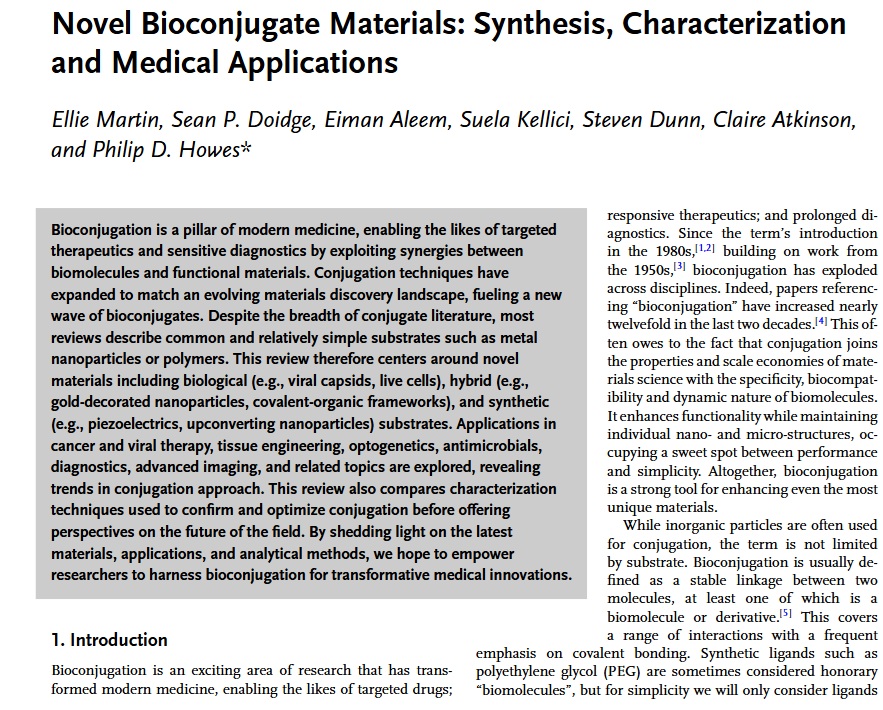
Bioconjugation is a pillar of modern medicine, enabling the likes of targeted therapeutics and sensitive diagnostics by exploiting synergies between biomolecules and functional materials. Conjugation techniques have expanded to match an evolving materials discovery landscape, fueling a new wave of bioconjugates. Despite the breadth of conjugate literature, most reviews describe common and relatively simple substrates such as metal nanoparticles or polymers. This review therefore centers around novel materials including biological (e.g., viral capsids, live cells), hybrid (e.g., gold‐decorated nanoparticles, covalent‐organic frameworks), and synthetic (e.g., piezoelectrics, upconverting nanoparticles) substrates. Applications in cancer and viral therapy, tissue engineering, optogenetics, antimicrobials, diagnostics, advanced imaging, and related topics are explored, revealing trends in conjugation approach. |
|
26th August 2025 - Paper published in Chemistry of Materials |
|---|
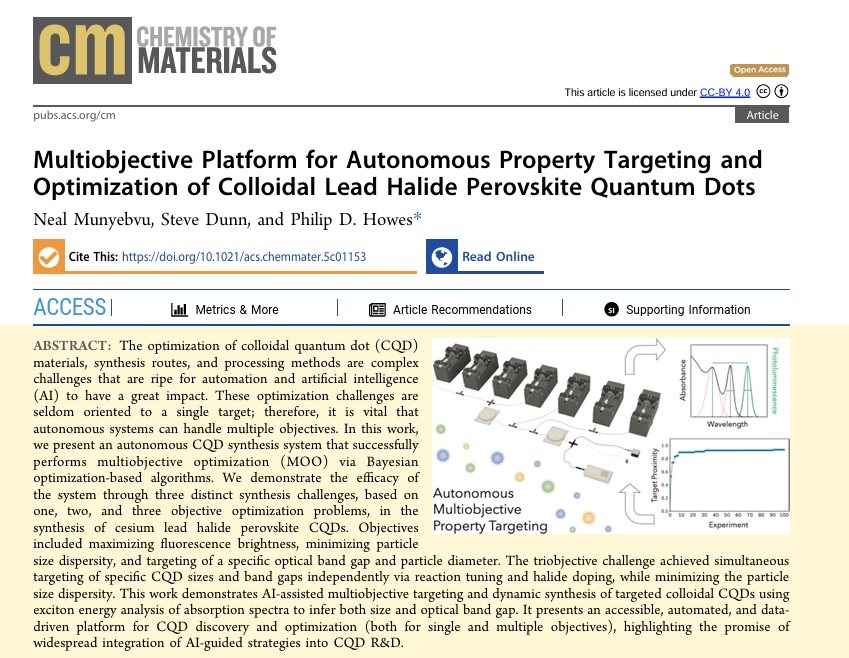
The optimization of colloidal quantum dot (CQD) materials, synthesis routes, and processing methods are complex challenges that are ripe for automation and artificial intelligence (AI) to have a great impact. These optimization challenges are seldom oriented to a single target; therefore, it is vital that autonomous systems can handle multiple objectives. In this work, we present an autonomous CQD synthesis system that successfully performs multiobjective optimization (MOO) via Bayesian optimization-based algorithms. We demonstrate the efficacy of the system through three distinct synthesis challenges, based on one, two, and three objective optimization problems, in the synthesis of cesium lead halide perovskite CQDs. Objectives included maximizing fluorescence brightness, minimizing particle size dispersity, and targeting of a specific optical band gap and particle diameter. |
|
July 2025 - EME URC staff and students set to make an impact at EMRS (Fall) 2025 |
|---|
4 PhD students have been given the opportunity to deliver talks at prestigious European Materials Research Society (Fall) meeting in Warsaw this September. Abi, Shane, Srikanth and Himal will deliver talks on a variety of aspects of materials development for environmental end-user applications. This is a significant achievement as talks at MRS are hard to come by! Dr Sajjad has been invited to talk at EMRS. A sign of the global impact and interest in his work and the outputs from research associated with the EME URC. Well done all... updates to follow! |
13th June 2025 - Paper published in Advanced Functional Materials |
|---|
Improved metal ion battery performance, capacity and resistance to performance fade based on tungsten oxide. Paradigm shifting research from a team in EME and MADD. Full press release available here. |
 |
| EPSRC Funding announced |
|---|
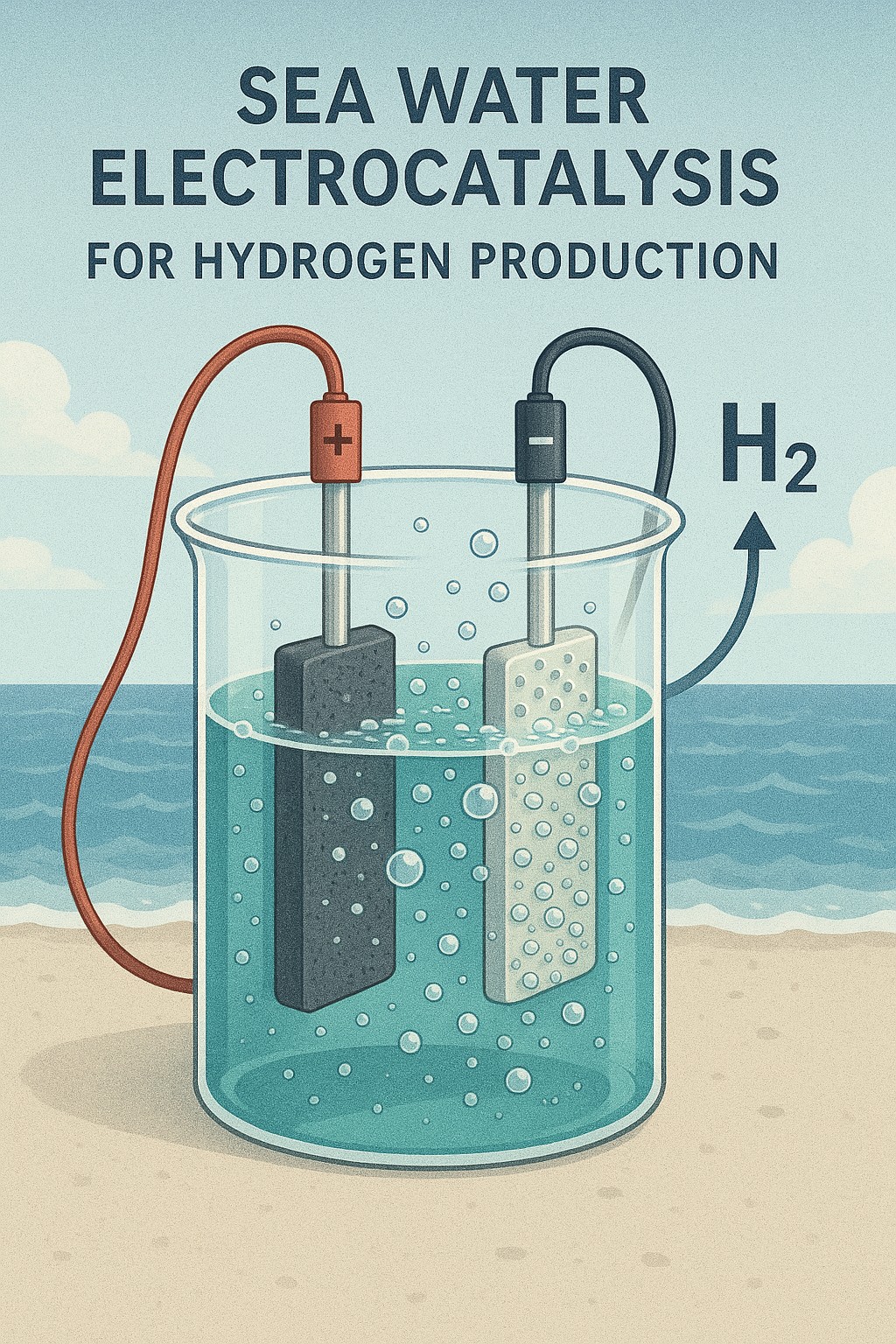
We are thrilled to finally announce that Drs Sajjad and Kellici from the School and Engineering and Design who are associated with the EME have been awarded an EPSRC grant to support our work on developing advanced materials for seawater electrolysis to produce green hydrogen. Over the next two years, we will work with Professor ASIF ALI TAHIR from the University of Exeter and Professor Robert Weatherup from the University of Oxford on this exciting project. |
|
| Success at Ferroelectric UK and Ireland |
|---|
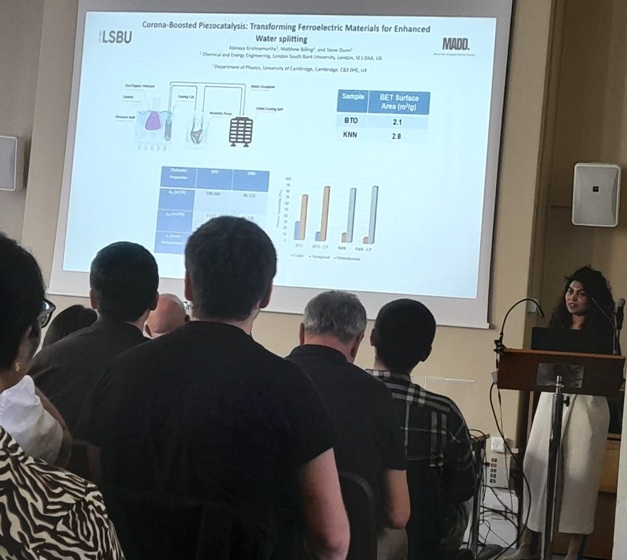
Members of the MADD research group presented at the Ferroelectrics UK and Ireland conference. Lots of really interested discussions have led to 2 new collaborations with a view to EPSRC proposals and some very exciting work on the growing area of importance for producing sustainable energy: piezocatalysis.
|

| 16th December ~ funded project Department for Science, Innovation and Technology’s International Science Partnerships Fund |
|---|
|
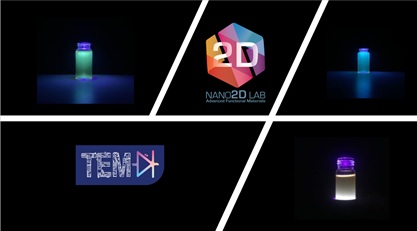
Tariq Sajjad and Suela Kellici have secured an international research collaboration grant to tackle food shortages via innovative materials and technologies. Our team, alongside ITU (Turkey), will develop cutting-edge nanofertilizer and nano-optical antennas. This funding, has been awarded through the Department for Science, Innovation and Technology’s International Science Partnerships Fund, supporting international research partnerships. |
| 6th December - EPSRC funding through CCP-QC |
|---|
|
| We have been awarded two years EPSRC bridging funding to continue our work for the collaborative computational project in quantum computing (CCP-QC). John Buckeridge will co-chair the CCP and lead the electronic structure project with CoSeC support from STFC. |
| 11th November ~ PhD Role Models for Women in Engineering and Technology |
|---|
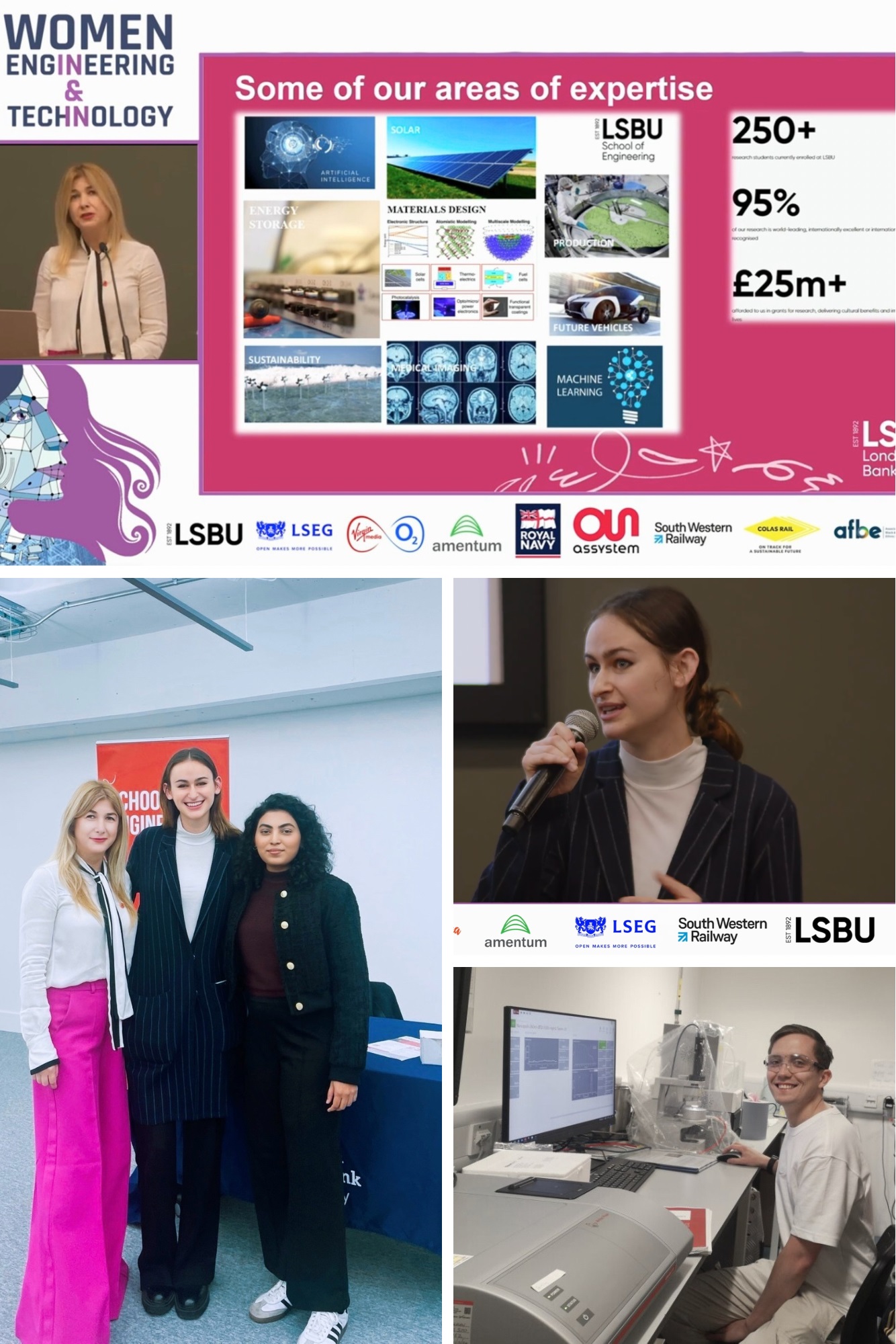
On November 6th, we hosted the annual Women in Engineering and Technology event for the third consecutive year! This event is a wonderful opportunity to meet passionate students and inspiring role models in the field, with over 80 students from universities across the UK on-site at our beautiful London Hub, and more than 600 joining us online. The highlight of the day was the insightful discussion by Ellie Martin, who shared her PhD journey, illustrating the vital role PhD students play in shaping the future of engineering. Abinaya Krishnamurthy and Sean Doidge supported on the day and engaged with many students during the networking event. We look forward to continuing to highlight the importance of PhD role models and fostering connections within the engineering community! |
|
| 4th November - Out and About |
|---|
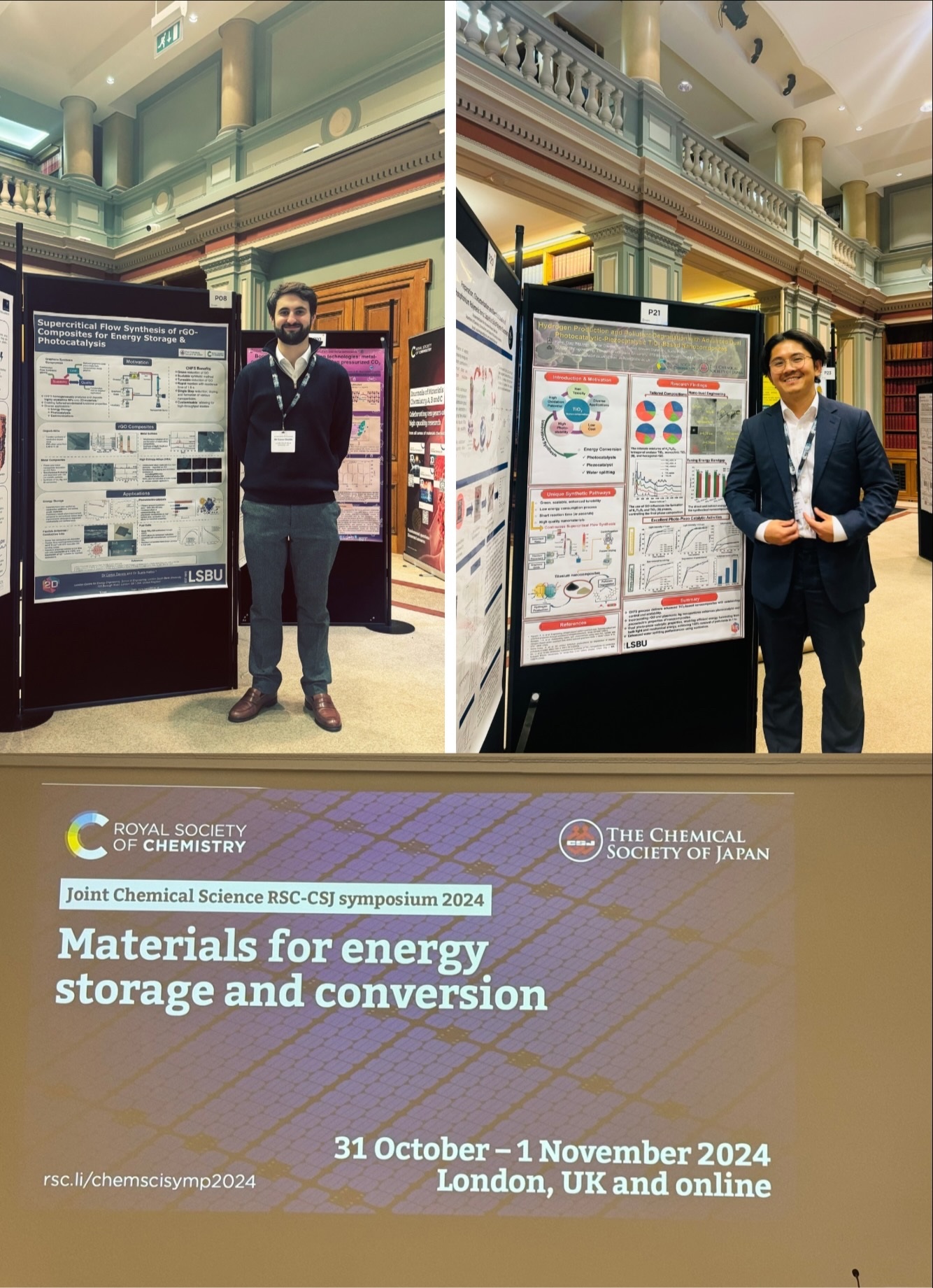
Our team, comprising Dr Suela Kellici, Dr Kiem Nguyen and Dr Conor Davids attended and presented their research at the joint Royal Society Chemistry- Chemical Society of Japan Symposium on "Materials for Energy Storage and Conversion" in London from 31st October 31st - 1st November 2024. Their presentations highlighted significant findings in energy materials, contributing to the ongoing discourse on advancements in energy storage and conversion technologies. This participation also strengthens our collaboration with national and international researchers in the field. We look forward to the advancements that will arise from this valuable exchange of knowledge.
|
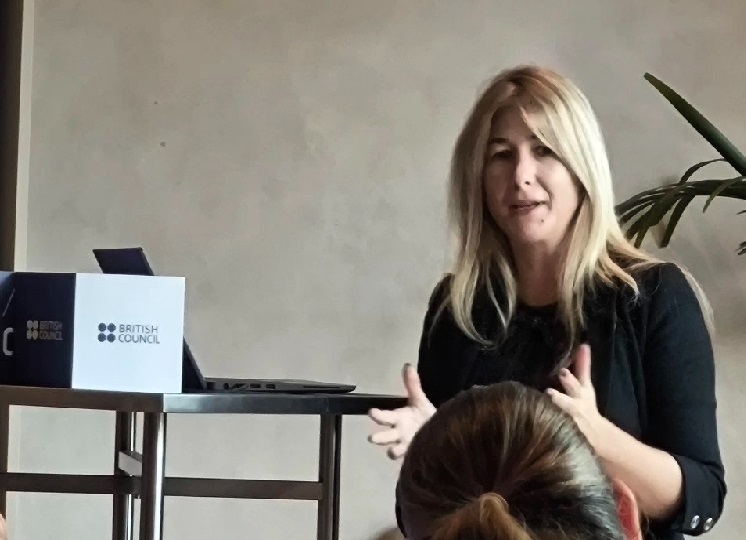
Forging sustainable futures: Dr Kellici at UK-Cyprus Research Event Dr. Kellici attended the UK-CY Research Partnering Event in October, 2024, in London, organized by the British Council. The event brought together experts and diplomats from the UK and Cyprus to discuss advancements in energy and environmental materials. Dr. Kellici discussed collaboration and potential research partnerships, focusing on advanced materials in energy, environment, and sustainability. The event offered valuable opportunities for networking and cross-border cooperation. |
|
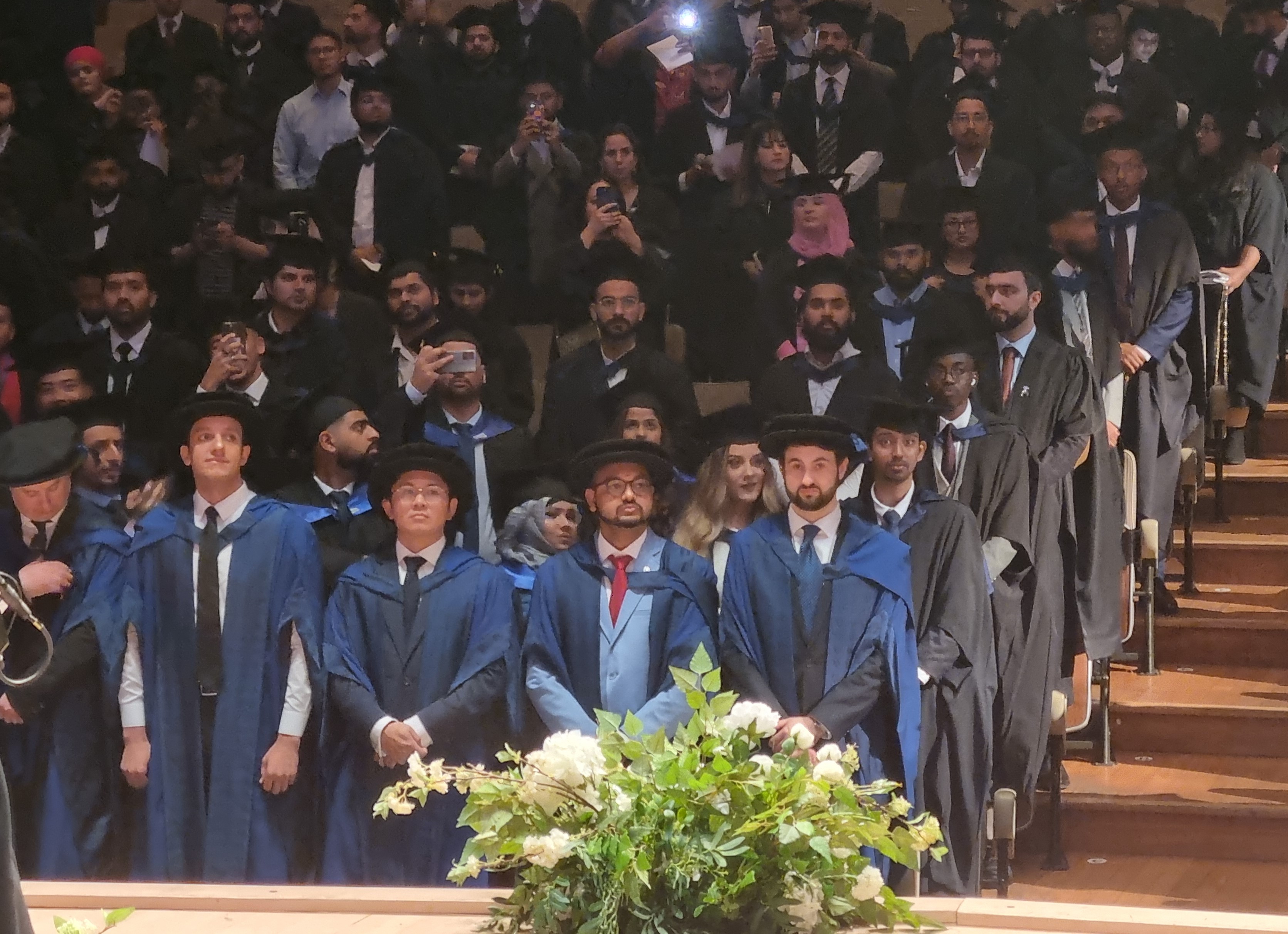
| 23rd October 2024 ~ Graduation of School PhD students |
|---|
| As part of the School of Engineering's graduation we saw PhD students associated with the University Centre graduate. A big congratulations to Conor, Guru and Kiem... Well done! |
|
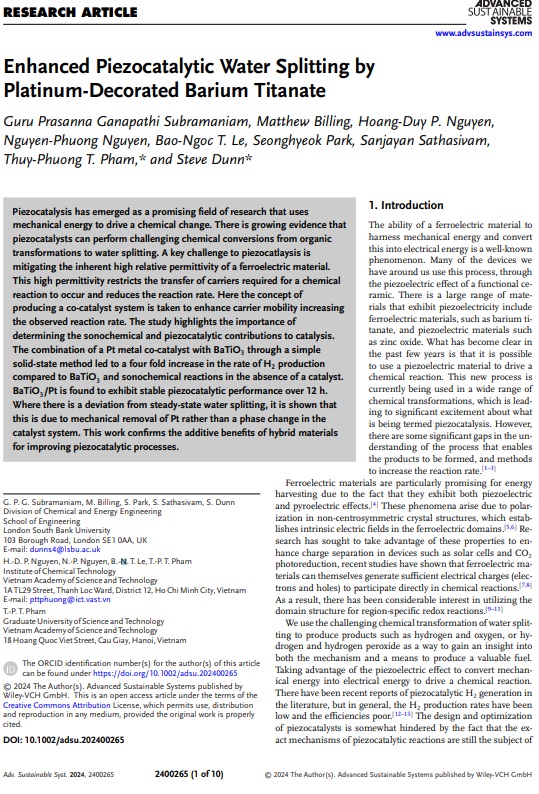
| 18th October 2024 ~ Paper published in Advanced Sustainable Systems |
|---|
| Piezocatalysis has emerged as a promising field of research that uses mechanical energy to drive a chemical change. There is growing evidence that piezocatalysts can perform challenging chemical conversions from organic transformations to water splitting. A key challenge to piezocatlaysis is mitigating the inherent high relative permittivity of a ferroelectric material. This high permittivity restricts the transfer of carriers required for a chemical reaction to occur and reduces the reaction rate. Here the concept of producing a co-catalyst system is taken to enhance carrier mobility increasing the observed reaction rate. The study highlights the importance of determining the sonochemical and piezocatalytic contributions to catalysis. |
|
Paper Published, invited article in Carbon
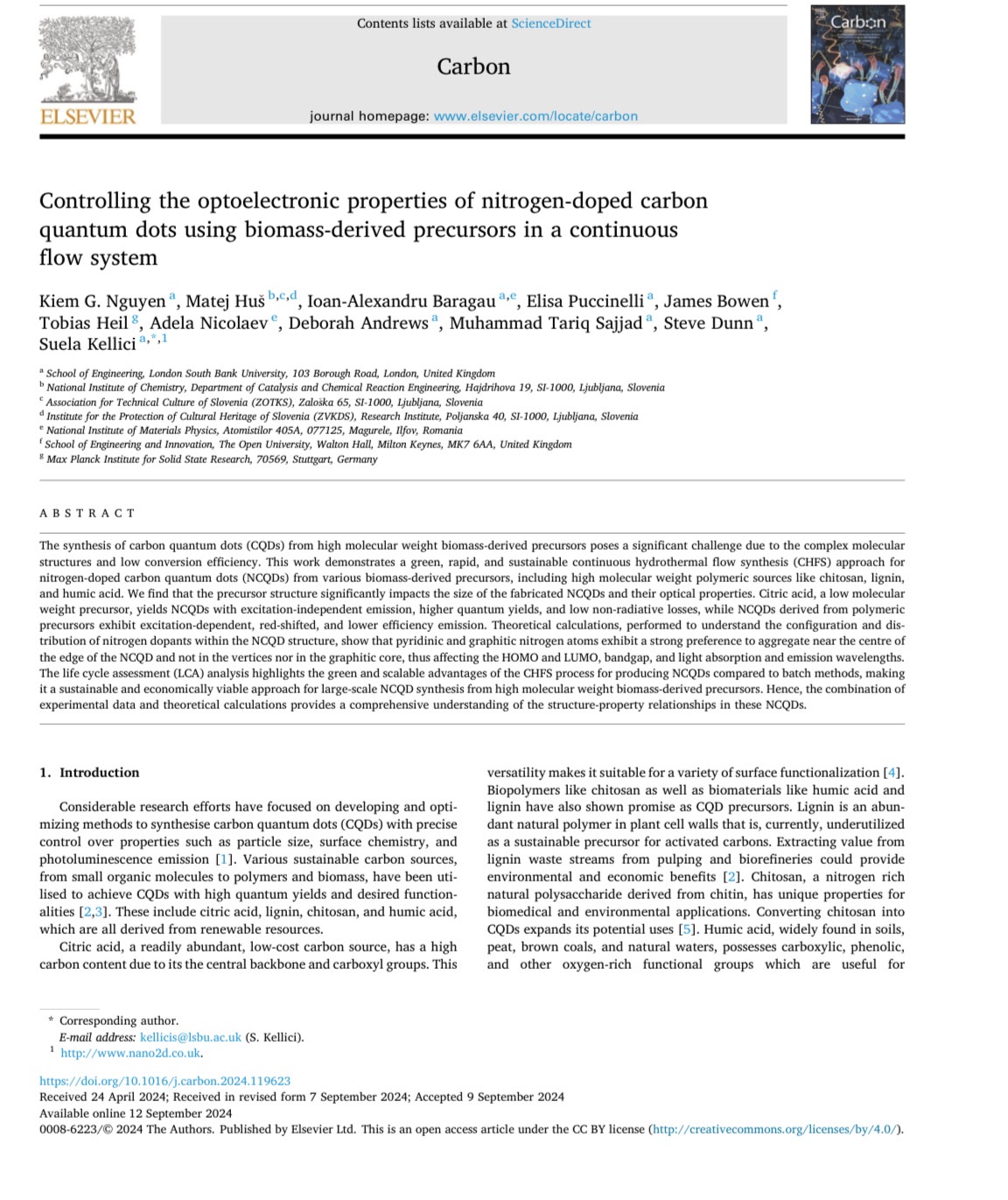
17th October 2024 ~ Paper Published, invited article in Carbon |
|---|
A study led by LSBU in collaboration with the National Institute of Materials Physics (Romania), National Institute of Chemistry (Slovenia), The Open University (UK), and the Max Planck Institute (Germany) reveals a unique approach to controlling the optoelectronic properties of nitrogen-doped carbon quantum dots (NCQDs) using biomass-derived precursors. The method employs a green, rapid continuous hydrothermal flow synthesis (CHFS) to transform complex biomass sources like chitosan and lignin into high-quality NCQDs. This research combines in-depth experimental photophysics characterization with theoretical modelling, demonstrating that precursor structure significantly influences NCQD size and optical properties. Life cycle assessments confirm that CHFS is a sustainable and scalable alternative to traditional batch methods, paving the way for economically viable large-scale production. |
 |
18th MADD. Memebers enjoyed their hiking up Box Hill |
|---|
MADD. members took a refreshing break from their lab work by hiking up Box Hill on a sunny September 18, 2024. The team (Academics, PhD students and a little one), energized by the scenic trails and open air, following the hike, they finished the day by relaxing over beers at a local pub, sharing laughs and discussing both research and life. |
 |
15th February 2024 LSBU ENGINEERING RESEARCH HIGHLIGHTED BY ROYAL SOCIETY OF CHEMISTRY |
|---|
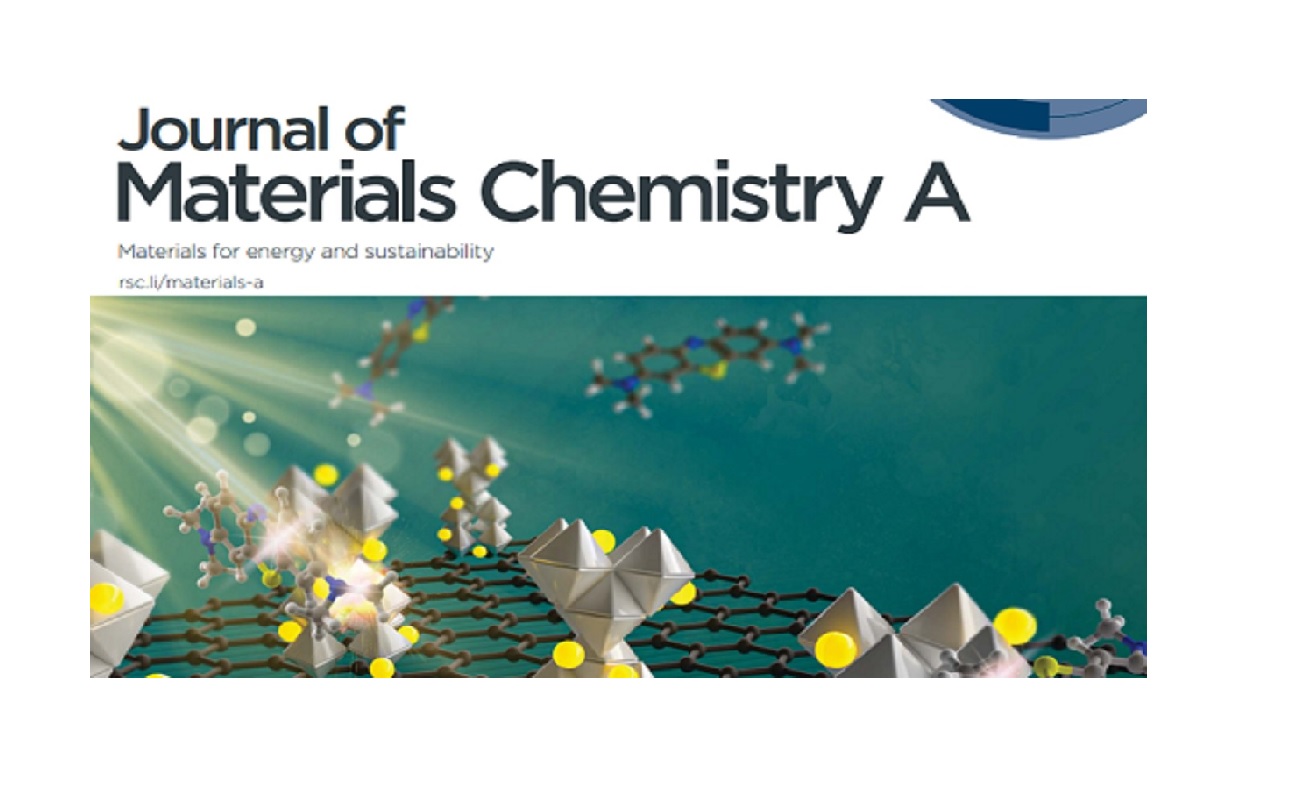
The Royal Society of Chemistry’s, Journal of Materials Chemistry A has included an article by Dr Suela Kellici, Associate Professor in Materials Engineering from London South Bank University (LSBU), in their 2023 Most Popular Articles collection. This collection by a very highly ranked research journal highlights articles in 2023 which received major attention from readers (citations, downloads and shares). Click here for more details. |
 |
15th February 2024 Celebrating Excellence in Education: |
|---|
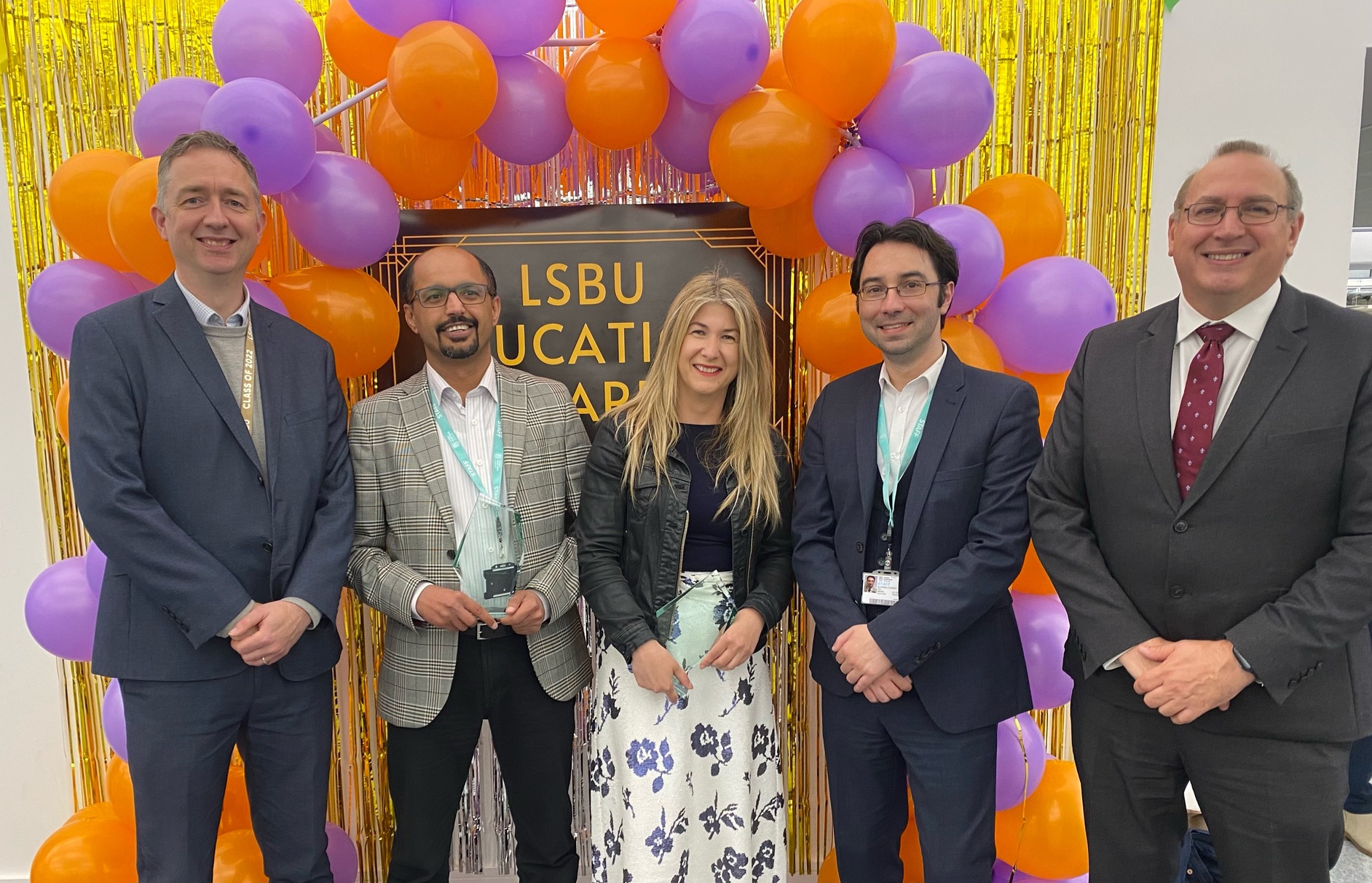
Congratulations to our team members Dr Tariq Sajjad and Dr Suela Kellici for their achievements at LSBU Education Awards 2023. The LSBU Education Awards 2023 recognizes those who made exceptional contributions to the learning experience and success of our students. 🏆 2023 Education Award Winners 🏆 Postgraduate Dissertation Supervisor of the Year – Dr Tariq Sajjad. Tariq’s exceptional guidance, mentorship, and support have empowered postgraduate students to produce outstanding dissertations. Your dedication to their academic success is truly commendable, Tariq! PGR Supervisor of the Year: Dr Suela Kellici Suela's unwavering commitment to the growth and development of postgraduate research students has played a pivotal role in shaping their successful academic journeys. Congratulations, Suela, on this well-deserved honour. We extend our heartfelt congratulations to all the winners of the Education Awards 2023! We would also like to express our sincere gratitude to those who took the time to nominate. Their recognition and support are invaluable in celebrating the outstanding achievements within our university community. Let's continue to make a difference and empower the next generation of learners! |
 |