

Health and Wellbeing Research Centre
In a rapidly evolving world, health and wellbeing are shaped by shifting environmental, technological, and societal landscapes. The Health and Wellbeing Research Centre takes a forward-thinking, interdisciplinary approach to address these challenges through research and innovation. Our work explores the impact of our physical, built, and social environments, harnessing technology for innovation, tackling inequalities, and ensuring wellbeing across the life course. Through interdisciplinary collaboration and a commitment to social justice, our work focuses on understanding and tackling the complex factors that shape health outcomes through the following themed areas of work:
Health & Wellbeing and the Environment
Recognising the wider determinants that impact on our health and well being, this theme promotes research that explores how physical, social, and built environments impact health and wellbeing and opportunities to improve health outcomes.
Health and Wellbeing and Inequalities
Recognising the wider determinants that impact on our health and well being, this theme promotes research that is committed to reducing health inequalities and addressing the needs of underserved communities
Health & Wellbeing and Technology
Our research advances innovative solutions that enhance healthcare access, improve health outcomes, and support the integration of digital and technological advancements to create a more effective and equitable health system.
Health & Wellbeing and the Workforce.
Research that seeks to understand the relationship between health and the workforce. We explore how working conditions, workforce wellbeing, and healthcare systems impact health.
Health & Wellbeing across the lifecourse
Research into health and health conditions across the life course to improve wellbeing at every stage of life.
The NIHR funded PHIRST (public health intervention responsive studies team) South Bank Centre which was established in 2020 sits within the Health and Wellbeing Research Centre. PHIRST South Bank undertakes evaluations of locally led public health interventions to better understand what works in addressing important public health challenges at a local level.
For more information about how you can work with us contact Professor Susie Sykes (sykess@lsbu.ac.uk).
News & Brief | Just Published |
|---|---|
| Research Careers – Explore opportunities, achievements, and developments across our research community. Read more: | What supports and constrains the implementation of robust and rapid evaluation within local government for public health systems? Published in Health Expectations. Read the article: https://onlinelibrary.wiley.com/doi/full/10.1111/hex.70650 |
| International Visiting Professor – Learn more about our new international Visiting Professor Helle Terkildsen-Maindal and her contributions to research, collaboration, and knowledge exchange. Read more: | A Public Health Approach to Violence Reduction: A Process Evaluation of a UK Inner-City Serious Youth Violence Strategy. Published in Public Health. Read the article: https://www.sciencedirect.com/science/article/pii/S0033350626001290 |
An online randomised controlled trial to evaluate the effectiveness of an online intervention for parents/guardians of children aged 4-7 years old who are concerned about their children’s emotional and behavioural development: EMERGENT study. Published in Frontiers. Read the article: https://www.frontiersin.org/journals/psychology/articles/10.3389/fpsyg.2026.1819302/full |
We have successful relationships with national funders of health and social care research to ensure our research addresses local and national priorities and enable the professional development of our staff.
The collaborative nature of our research and our close and long-established partnerships with health and social care providers, other academic institutions, industry and national governing bodies as well as through our commitment to Patient and Public Involvement and Engagement in research, we ensure that our research is relevant, innovative and transformative. We undertake research that has significant reach and impact locally, nationally and globally, while being personally valued.
Partners across our projects include:
Guy’s and St Thomas’ NHS Foundation Trust; The Royal Marsden NHS Foundation Trust; Royal National Orthopaedic Hospital NHS Trust; St George's, Epsom; St Helier University Hospitals and Health Group; Central London Community Healthcare NHS Trust; King's College Hospital; South London and Maudsley NHS Foundation Trust; Southwark Council; Lambeth Council and Lambeth Health Determinants Research Collaboration; Croydon Council; Croydon BME Forum; Asian Resource Centre in Croydon.
Medical Research Council London Launchpad Regional Accounts for Clinical Researchers
London South Bank University (LSBU) is part of the Medical Research Council London Launchpad Regional Accounts for Clinical Researchers (MRC RACR) - a pan-London programme designed to help clinical academics navigate key transition points in their careers and build long-term research independence.
Led by University College London (UCL), the consortium brings together King’s College London, Kingston University, the London School of Hygiene & Tropical Medicine, London South Bank University and Queen Mary University of London.
The partnership has received funding over two years to provide flexible, targeted support for postdoctoral clinical academics preparing for a career transition or returning to research after a break.
LSBU will host nursing, midwifery and allied health professionals who are within three years of receiving their doctorate. The programme will support participants to develop their clinical academic careers, strengthen their research skills, and build professional networks and capabilities.
Applications for funding will open on Thursday 10 September 2026. The deadline for first-round submissions is expected during the autumn term, with final dates to be announced.
For general information about eligibility and applications, visit the MRC RACR website
If you are interested in an affiliation with LSBU, please email Professor Adéle Stewart-Lord: adele.stewart-lord@lsbu.ac.uk.
INSIGHT programme for South London
Short description: Professor Adele Stewart-Lord, London South Bank University is co-director for the NIHR funded INSIGHT programme for South London.
The National Institute of Health and Care Research (NIHR) INSIGHT Programme for South London aims to make research accessible and engaging for students and professionals in health and care, and debunk the myth that research is too hard or difficult to embed in day-to-day practice.
The INSIGHT Programme for South London is one of 12 NIHR INSIGHT Regional Programmes. The Programme for South London is a partnership between four universities and seven NHS trusts, collaborating with four NIHR organisations supporting research generation, delivery, implementation, and workforce development. The partners encompass health and care provision in acute, community, public health, mental health, and social care.
Our intention is to build, signpost and support opportunities for research exposure and training to inspire students and professionals to enter research, and link opportunities, for people to pursue rewarding research careers. To achieve this, the South London Programme is structured around two main areas: Research Masters Studentships and Research Engagement.
https://www.kcl.ac.uk/news/inspiring-students-into-research
Academics involved: The Director of South London Programme is Professor Catherine Evans, King’s College London and the co-Director is Professor Adele Stewart-Lord, London South Bank University.
Stroke Awareness
Short Description: LSBU, in collaboration with the Asian resource Centre of Croydon and the Croydon black minority ethnic forum has conducted research to assess knowledge about stroke and prevention among people from black and minority ethnic backgrounds in Croydon.
Academics involved: Dr Siobhan Mc Lernon
Reducing serious youth violence
Short description: this project evaluates the “Lambeth Made Safer” 10 years strategy to reduce serious youth violence. The research evaluates how successfully the program has been implemented during its first four years. It considers who is needed, what is needed and how they should come together to successfully deliver the strategy. It identifies factors outside of the council's control which influence how well the strateg is doing, including the unique history of Lambeth and other work to reduce violence. The evaluation findings provide insight and understanding into how to effectively implement a violence reduction public health intervention which employes both a public health and antiracist approach.
Academics involved: Dr Jessica Oha, Dr Thomas Mills, Professor Susie Sykes, Dr Estela Capela, Dr Catherine Jenkins, Miss Temitope Onasanya, Dr Felicity Morrow, Mr Richard Ashiagbo, Ms Reahana Gordon, Mr Davarel Gordon, Dr Dominc Dee, Professor Tirion Havard, Ms Rita Jacobs, Professor Jane Wills,
"Hybrid" public health posts in local government to support delivery of healthier places
Short description: this mixed methods evaluation explores the effectiveness of public health posts to support the delivery of healthier places within local authority context. The evaluation furnishes understanding of the activities and impact of such posts and delves deeply into two local authorities to understand the hybrid posts there: Oxfordshire County Council and a shared public health team that supports Central Bedfordshire, Bedfordshire and Milton Keynes. Its results and recommendations will support local government decision-making and provide insight into whether the hybrid posts are an effective way of working and what activities are most impactful.
Academics involved: Dr Thomas Mills (PI), Professor Issa Chaer (PI), Dr Sophie Elsmore, Dr James Bishop, Professor Chris Flood, Professor Susie Sykes, Professor Jane Wills, Dr Bertug Ozarisoy, Mr Adam Cook, Dr Catherine Jenkins
Bridges for Dementia Network:
Short description: Bridges is a £1.97 million project funded by the UKRI engineering and physical sciences research council (EPSRC) and National Institute for Health and Care research (NIHR) and aims to co - design adaptive technologies that empower individuals living with dementia to live independently and thrive in their communities. LSBU is co-leading the indoor and outdoor spaces strand of the network, combining its expertise in sustainable built environments with University College London’s work in Geoinformatics people with left experience of dementia are at the heart of this work.
Academics involved: Dr Hua Zhong.
Communities Addressing Gambling Harms
Short description: A PHIRST South Bank evaluation, this research investigated the “Communities Addressing Gambling Harms” project, administered by the Greater Manchester Combined Authority. The project involved a community of practise of diverse community organisations and people with lived experience.
- Our reports and outputs
- Animation capturing our findings about the Lived experience contributions to local services for addressing gambling harms
Academics involved: Dr Tom Mills, Prof Antony Moss, Prof Paula Reavey, Dr Catherine Jenkins, Prof Susie Sykes, Prof Jane Wills
Reducing inequalities in exercise participation: evaluation of the novel Bracknell Forest health and well-being locality service
Short description: This mixed methods evaluation undertaken by PHIRST South Bank explored the effectiveness of a novel initiative for tackling physical inactivity in Bracknell Forest. This evaluation sought to understand how a physical activity service based on principles of proportionate universalism engaged with agencies and structures in the local health and social care system and ensured uptake, engagement, acceptability and impact on users and target populations.
Academics involved: Prof Katya Mileva, Prof Jane Wills, Prof Susie Sykes, Dr Jessica Owugha, Dr Catherine Jenkins, Terassa Taylor-Kaveney.
Evaluation of a community health intervention in barbershops, for men of BAME heritage at risk of high blood pressure
Short description: This project is based on an innovative feasibility study that was carried out by LSBU during 2021-2022 and has since been published (Thomas et al 2023) “You Can Change the World With a Haircut”: Evaluating the Feasibility of a Barber-led Intervention for Men of Black and Ethnic Minority Heritage to Manage High Blood Pressure - Nicola Thomas, Catriona Ewart, Debi Lewinson Roberts, Andrew Brown, 2023 (sagepub.com)
Our study recommendations were to develop a more reliable and efficient means to record BP data and consider issues surrounding mistrust and customers’ concerns about having their data recorded. It was also deemed important to incorporate follow-up BP (over 6 months) to assess the effectiveness of the intervention. The current study 2024-2025) is based on these recommendations. Given that the potential public health impact of this community-based research is high, with thousands of black-owned barbershops nationwide, a barber-led BP intervention shows promise as a novel approach to reduce health inequalities among men of BAME heritage.
Academics involved: Prof Nicola Thomas, Ally James and Mohammed Miah
SCeTCH: Smoking Cessation Trial in Centres for people experiencing Homelessness
Short description: Smoking is one of the largest contributors of early death and avoidable disease and because it is associated with multiple indices of disadvantage, a leading cause of health inequalities. People experiencing homelessness are up to 4 times more likely to smoke than those who are securely housed.
This NIHR-funded trial seeks to explore the effectiveness of providing free nicotine e-cigarette starter kits to people who smoke accessing homeless support centres across Great Britain. We have trained staff working at 32 homeless support centres to deliver the e-cigarette intervention or ‘usual care’. Participants in e-cigarette centres were given an e-cigarette starter kit, 4 weeks supply of e-liquids and support to use it. Those in usual care centres were given information and advice about stopping smoking (VBA+) and signposted to the local Stop Smoking Service (SSS). We followed people up at 4, 12 and 24 weeks to ask them about their quit attempts, current smoking, e-cigarette use, health, and measured their CO level.
We are also looking at how delivery of the intervention worked, and which parts of the intervention led to a change (if any) in smoking behaviour.
Academics involved: Professor Lynne Dawkins; Dr Allan Tyler; Dr Kirstie Soar
Fall Prevention in the Workforce
Short description: To develop and validate gait perturbation exercises to reduce fall risk due to trips, slips and missteps in steel and postal workers.
Academics involved: Dr Julian Werth, Dr Gaspar Epro
Fatigue after Critical Illness (F-ACT)
Short description: Fatigue is one of the three most significant problems described by people recovering from critical illness. This programme of work, delivered by a multi-professional group of researchers and clinicians from four universities, three NHS Trusts and six former patients includes two systematic reviews, a qualitative study exploring people’s experiences of fatigue and development of a fatigue intervention. The web-based intervention is a co-produced, theory-based, healthcare professional (HCP)-supported self-management intervention based on the common-sense model of self-regulation. The intervention is currently undergoing feasibility testing in a multi-site NIHR Research for Patient Benefit funded randomised controlled trial.
You can read more about this work here:
- https://pubmed.ncbi.nlm.nih.gov/36828754/
- https://pubmed.ncbi.nlm.nih.gov/38401405/
- https://pubmed.ncbi.nlm.nih.gov/34363641/
- https://pubmed.ncbi.nlm.nih.gov/33694157/
Academics involved: Prof Suzanne Bench, Prof David McWilliams (Coventry University) , Dr Wladzia Czuber-Dochan (KCL), Dr Louise Stayt, Dr Georgina Cook, Dr Clare Martin (Oxford Brookes University), Dr Akshay Shah (Oxford University)
Whole Systems Haematology Workforce for the UK
Project description: Commissioned by the British Society for Haematology, this comprehensive work examines the current and future haematology workforce in the UK across different professional groups. The project combines social science, humanistic workforce modelling and computational mathematics to look at the needs of the workforce as well as workforce capacity providing services in the NHS.
Academics involved: Prof Adele Stewart-Lord Prof Alison Leary, Cidalia Das Neves Eusebio
EMERGENT: Evaluating eMbErs: Digitally suppoRtinG childrEns meNtal healTh
Project description: This study funded by the NIHR (£1.7 million) will evaluate the effectiveness of a digital gamification programme designed to assist in the enhancement of wellbeing in children aged 4-7 years and build confidence in parenting skills. The study will measure the effectiveness of the programme in schools and in the community across all social groups. The study uses mixed methods, involving measures of wellbeing as well as interviews with parents and children using the programme.
Academics from LSBU: Professor Dan Frings, Dr Jowinn Chew and Professor Paula Reavey
Schools As Enabling Spaces To Improve Learning and Health-Related Quality Of Life For Primary School Children In Rural Communities In South Africa
Project description: This mixed study investigated This research investigated how schools work effectively with communities in rural areas by developing and evaluating a systems-oriented and multi-layered complex intervention.
Academics involved: Professor Patrick Callaghan & Dr Kerry Wood with partners from University College London and University of Pretoria, South Africa.
Court-based Mental Health Liaison and Diversion (L&D) Services
Project description: This study examined the evidence on how such services support people with neurodevelopmental disorders (NDs).
The research has examined the characteristics of this population and has looked through the lens of court and clinical staff, working within L&D services in London.
The work examines the reported risk of suicide and self-harm behaviour in 9088 attendees assessed by five London Court Liaison and Diversion Services. It aims to examine the association of risk for suicide and self-harm behaviour within Liaison and Diversion services with several factors including gender, ethnicity and mental disorder. Although we know that individuals in contact with the criminal justice system are at higher risk of suicide than the general population, little is known about the court setting.
Some of our Centre members are listed below. Click on the links to read more about their work and get in touch.
Professor Susie Sykes (Director)
Dr Joanne Cull
Professor Alison Leary
Dr Jessica Oha
Applications open soon for London Launchpad clinical research support |
|---|
Postdoctoral nurses, midwives and allied health professionals will soon be able to apply for support through Medical Research Council London Launchpad Regional Accounts for Clinical Researchers (MRC RACR). London South Bank University (LSBU) is part of a six-university, pan-London consortium led by University College London. The programme is designed to help clinical academics navigate important career transitions and build long-term research independence. The partnership has received funding over two years to provide flexible, targeted support for postdoctoral clinical academics preparing for a career transition or returning to research after a break. LSBU will host nursing, midwifery and allied health professionals who are within three years of receiving their doctorate. Support will focus on clinical academic career development, research skills, professional networks and capabilities. Applications for funding will open on Thursday 10 September 2026. The deadline for first-round submissions is expected during the autumn term, with final dates to be announced. Find out more visit the MRC RACR website For enquiries about an affiliation with LSBU, please email Professor Adéle Stewart-Lord: adele.stewart-lord@lsbu.ac.uk |
New Visiting Professor and European Collaboration |
|---|
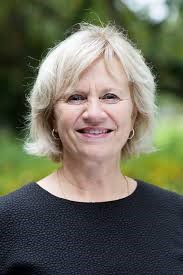
The Health and Wellbeing Research Centre recently welcomed colleagues from the REACH Centre for Health Literacy and Equity at Aarhus University, Denmark, for a collaborative visit focused on strengthening international research partnerships. During the visit, researchers explored shared interests in health literacy, health equity, public health and health services research, identifying opportunities for future collaboration. The delegation also delivered a session on co-production with the PHIRST South Bank team, providing an opportunity to exchange experiences and discuss practical and methodological approaches to collaborative research. The visit included engagement with doctoral researchers from across the Centre. Four PhD students presented their work and took part in discussions with the Danish colleagues, gaining valuable feedback and international perspectives on their research. A key outcome of the visit was the appointment of Professor Helle Terkildsen Maindal as a visiting professor at LSBU. The appointment reflects the growing relationship between the two institutions and will support a programme of collaborative activities, including joint PhD supervision, research publications, conference contributions, and future funding opportunities. The partnership marks an exciting step in expanding the Centre's international research network and strengthening collaboration on issues relating to health literacy and reducing health inequalities. Professor Helle Terkildson Maindal – LSBU Visting Professor
|
Digital early intervention may support children’s mental health before specialist referral is needed |
|---|
Researchers from the Health and Wellbeing Research Centre at London South Bank University (LSBU) have found that early digital support may help improve emotional and behavioural wellbeing in young children and reduce the likelihood of requiring specialist mental health services. The findings come from the EMERGENT trial, a National Institute for Health and Care Research (NIHR)-funded study evaluating Embers the Dragon, a digital emotional literacy programme designed for children aged 4–7 years. The study followed more than 456 families over 24 weeks and is one of the largest independent evaluations of a digital early years mental health intervention in the UK. Results showed that children using the programme experienced meaningful improvements in emotional and behavioural wellbeing, with many moving from clinically concerning scores to levels below the threshold for referral to Child and Adolescent Mental Health Services (CAMHS). Beyond clinical outcomes, the research highlighted how families engaged with the programme in everyday life. Parents often described the experience not as screen time but as “special time,” a shared emotional space that supported conversation, helped children express their feelings, and strengthened parent–child relationships during difficult moments. The study suggests that accessible early digital tools may play an important role in supporting families earlier, potentially easing pressure on specialist services while improving children’s emotional wellbeing. The findings have been published in Frontiers in Psychology as: An online randomised controlled trial to evaluate the effectiveness of an online intervention for parents/guardians of children aged 4–7 years old who are concerned about their children's emotional and behavioural development: EMERGENT study. Read the full LSBU news story and access the published paper here: https://www.frontiersin.org/journals/psychology/articles/10.3389/fpsyg.2026.1819302/full |
LSBU Joins Major National Investment to Support Clinical Research Careers |
|---|
The Health and Wellbeing Research Centre is pleased to highlight LSBU’s involvement in a major national initiative to strengthen clinical research careers across the UK. Co-led by LSBU’s Professor Adele Stewart-Lord and supported by the Medical Research Council (MRC), the new Regional Accounts for Clinical Researchers (RACR) programme will bring together more than 50 research organisations and over 60 NHS organisations across England, Scotland, Wales and Northern Ireland. The initiative aims to support clinicians at key stages of their research careers, helping them remain engaged in research alongside clinical practice. LSBU is a partner in the London Launchpad RACR consortium, working alongside Kingston University, King’s College London, the London School of Hygiene & Tropical Medicine, Queen Mary University of London, University College London, NHS Trusts, hospital charities and NIHR Biomedical Research Centres. The programme will provide tailored support to clinicians through mentoring, skills development, protected research time, networking opportunities and funding support. By strengthening the clinical research workforce, the initiative will contribute to innovation in healthcare, improved patient outcomes and future research capacity across the NHS. Read the full story on the LSBU website to learn more about the RACR programme and LSBU’s role in this important national investment. |
Making Research Stronger Together Conference |
|---|
The Health and Wellbeing Research Centre was thrilled to contribute to the successful delivery of the Making Research Stronger Together Conference, organised by the Local Authority Public Health Research Network (LAPHRN) and the London Health Determinants Research Collaborations (HDRCs), which took place at LSBU. The event brought together public health researchers, practitioners and local authority partners from across London to share learning, strengthen partnerships and explore opportunities for research-informed practice. The conference featured keynote presentations from Professor Kevin Fenton, London Regional Director for Public Health at the Office for Health Improvement and Disparities, and Dr Adam Briggs, Director of the Public Health Research Programme at the National Institute for Health and Care Research (NIHR). Members of the Health and Wellbeing Research Centre members Professor Chris Flood and Dr Gemma Bridge presented findings from their evaluation of financial resilience services in Lambeth and Southwark, Dr Tom Mills contributed to a panel discussion on Planning and Health, and Professor Susie Sykes and Dr Gemma Bridge led a skills session focused on evaluative thinking. The conference provided a valuable opportunity to strengthen links between research, policy and practice and we were excited to have the opportunity to share the Centre's contribution to public health research across London
|

Building the future Research Workforce |
|---|
The Centre is proud to celebrate the success of Ellie Margolius, a PHIRST South Bank Public Contributor, who has recently been awarded an NIHR Research Fellowship. Ellie's achievement highlights the important role that public contributors can play in research and demonstrates how meaningful involvement can help develop future research leaders. See a quote from Ellie below: “I would like to acknowledge PHIRST South Bank, where I have the privilege of serving as a Public Contributor. My journey began as a member of a local PPI panel and developed into becoming a core public contributor within the core team. Through this role, I gained first-hand insight into the powerful impact research can have on people’s lives and on improving local public health outcomes. This experience inspired my passion for research, gave me the confidence to pursue my own ambitions in the field and motivated me to apply for the NIHR Research Fellowship, an achievement I am immensely proud of. I am deeply grateful to PHIRST South Bank for the encouragement, opportunities and support they have provided me with.
At 20 years old, being given this opportunity means a great deal to me both personally and professionally. As someone who is still at the beginning of my research journey, it gives me the chance to develop my skills, build confidence and learn from professionals while contributing to work that can make a real difference to young people’s lives. It also allows me to bring the perspective of a younger generation into research and show that young people have an important role to play in shaping the future of health and care. I hope this opportunity will be the start of a meaningful career in research, encouraging other young people to believe that these opportunities are open to them too.” Ellie Margolius – PHIRST Public Contributor and new NIHR Research Fellowship awardee
|

Workforce Innovation Group (WInG) supporting WHO |
|---|
The Workforce Innovation Group (WInG), an LSBU research group affiliated with the Health and Wellbeing Research Centre, continues to make an international impact through its work on workforce planning, service improvement and evidence-informed policy. WInG is currently collaborating with the World Health Organization (WHO) Europe on a project supporting healthcare workforce planning in Sweden. The team is contributing expertise in knowledge transfer and evidence utilisation to help inform future workforce policy and decision-making. Alongside this work, WInG continues to provide consultancy support to industry partners and is currently working with Marsh on workforce optimisation projects. The group's activities demonstrate the practical application of research to address workforce challenges across healthcare systems and organisations. |
LSBU Strengthens International Partnership with Aarhus University's REACH Centre |
|---|
Professor Susie Sykes represented LSBU at the official opening of Denmark's new REACH research centre on 22 January, delivering a keynote presentation alongside other international speakers.
REACH (Research Centre for Health Literacy & Equity) is based at Aarhus University's Department of Public Health. The centre addresses a key problem: many people struggle to navigate healthcare systems and don't get the prevention or treatment they need. REACH will generate new knowledge to bring about change in healthcare systems and civil society, helping to strengthen health literacy and create greater equity in health for all. Professor Helle Terkildsen Maindal, Head of REACH, explained the centre's approach: "We will explore how health literacy is developed and applied from the individual level to the system level, using research methods at the intersection of health sciences and social sciences." This aligns closely with LSBU's Health and Wellbeing Research Centre's work, creating natural opportunities for collaboration. Professor Susie Sykes highlighted this alignment in her keynote: "The centre is more than an organizational milestone. It's a strong platform for collaboration across borders and contexts. With your focus on both health literacy and equity, you can contribute to a deeper understanding and help answer some of the unanswered questions in our field of research." The event included an academic programme with presentations from invited speakers, followed by a reception that generated productive conversations about future partnership opportunities. As Dean Anne-Mette Hvas noted, "On paper, we have equal access to healthcare. But if we scratch the surface, reality looks different. We now have the opportunity to change that through more research and greater knowledge." "Reach out—move forward" was the call heard throughout the afternoon, and with a shared commitment to the principle that "health is for everyone," both institutions are keen to develop collaborative opportunities. If you're interested in exploring partnerships with REACH, contact Professor Susie Sykes. |
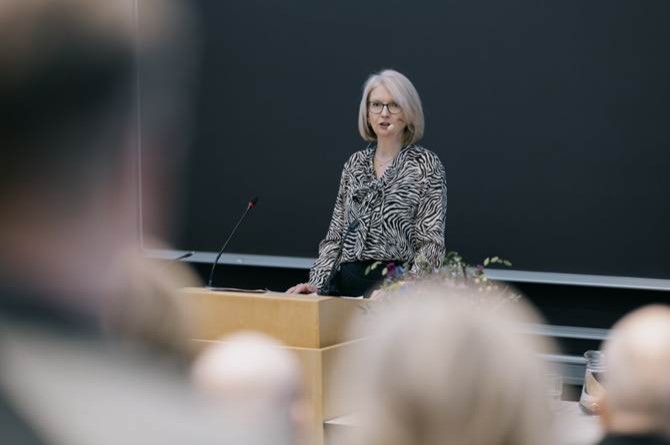
Professor Patrick Callaghan: How Schools and Communities Can Transform Learning |
|---|
Professor Patrick Callaghan has produced a video showcasing his research on how schools can work effectively with communities in rural areas to support young children's learning and health.
The project developed and evaluated a multi-layered intervention that brought together school leaders, teachers, and community members to improve reading engagement for 6- to 9-year-olds. Grounded in a holistic "whole child" approach to education, the research tackled inequalities rooted in social and economic disadvantage. It created the practices, cultures, and conditions to strengthen schools' capacities and become enabling spaces for children's improvement in learning and health. The project was based on the belief that school leaders and teachers in rural areas, working with community participation, can beat the odds and help children achieve and flourish despite adversity. The project ran from February 2020 to April 2023 and was funded by the ESRC. Watch the video here: |
Dr. Tom Mills: Bridging Public Health and Planning |
|---|
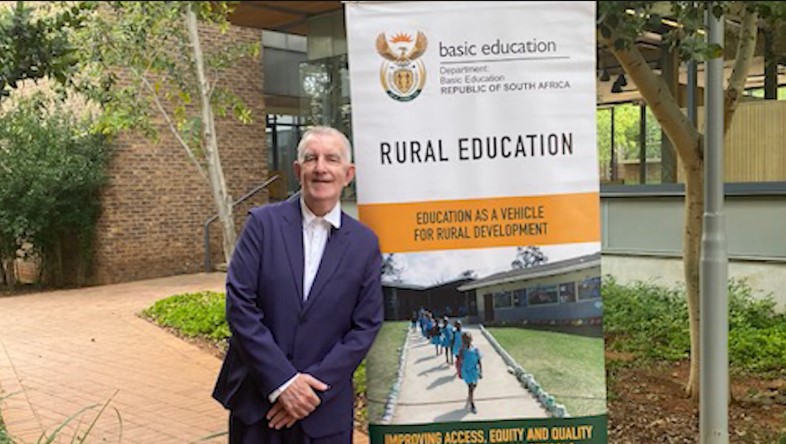
PHIRST Senior Research Fellow Dr. Tom Mills has written a guest blog for the Town and Country Planning Association on 'hybrid' healthy places roles —professionals who work across public health and planning boundaries
The blog, based on a PHIRST evaluation, makes the case for these hybrid roles and how they can strengthen healthy places work. It was linked to a webinar featuring Tom and representatives from three local authorities discussing practical implementation. Tom also presented this work at the Local Government Association and Association of Directors of Public Health Conference alongside Michael Chang, Associate Town Planner (Healthy Planning Lead) at NHS Property Services. Their session, "Workforce Capacity for Healthy Places: Skills, Systems, and Leadership," explored how to build the workforce needed to deliver healthier communities. Read the blog: Bridging public health and planning: the case for 'hybrid' healthy places roles You can read more about our work in this area here: https://phirst.nihr.ac.uk/evaluations/hybrid-public-health-posts/ |

PHIRST South Bank: Putting People at the Heart of Public Health Evidence |
|---|
PHIRST South Bank has produced a video showcasing how they embed public involvement into their evaluation work. It's built on a simple principle: public health evidence should be shaped by the people and places it aims to serve. LSBU recently secured £15 million in renewed NIHR funding to deliver 10 new evaluations of locally led public health interventions. What sets PHIRST South Bank apart is how public contributors are involved from the start—not as an afterthought, but as essential partners in the research. "Public involvement isn't an extra step for us; it's fundamental," says Professor Susie Sykes, Chief Investigator of PHIRST South Bank. "Our contributors shape evaluations from the start. Their insights strengthen the evidence, challenge our assumptions, and make sure our work speaks to real-world experiences." Contributors come from all backgrounds – youth workers, carers, disability advocates, people with lived experience of addiction or mental health issues, and residents who want to support local change. They're always recruited locally because that insight is crucial. The process is designed around flexibility and respect. Meetings fit around work, study and caring commitments, and participants are reimbursed, trained and supported throughout. Contributors describe feeling genuinely valued, with their questions and insights carrying real weight
James, who had experience of gambling harms, explains, “The project brought together people from the academic world with people with lived experience...our experiences were seen with the same weight as the academic evidence." The benefits go both ways. Many contributors describe increased confidence, new skills, and even career shifts. As Elli, who worked on a mental health evaluation, says, “I learned so much… it completely changed my career path." Watch the video here: Read the full blog: https://www.lsbu.ac.uk/about-us/news/putting-people-at-the-heart-of-public-health-evidence |
PHIRST South Bank Marks Five Years with Celebration Event and Secures Funding for the Future |
|---|
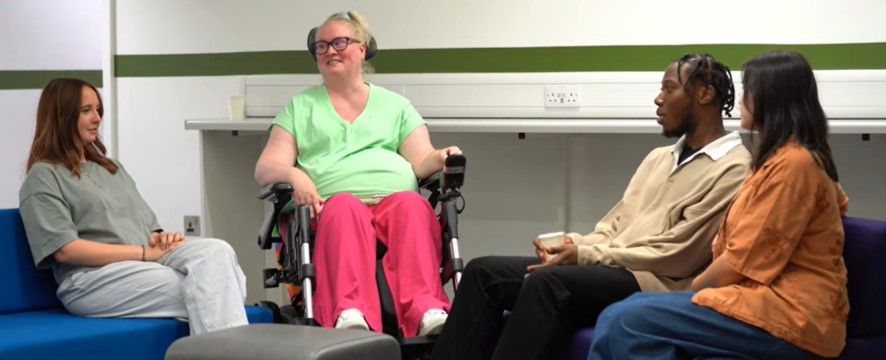
PHIRST South Bank has completed its first five-year tenure and marked the occasion by hosting an event to share key learnings from ten evaluations of locally led public health interventions. The event brought together academics, public health professionals from both statutory and voluntary sectors, and public contributors to reflect on what works in public health and how research and evaluation can be embedded into everyday public health practice. The full event recording will be available soon. In the meantime, you can watch Professor Susie Sykes, Chief Investigator for PHIRST South Bank, share some of the insights from our first ten evaluations on our YouTube channel. We are also delighted to announce that PHIRST South Bank has been awarded a £2.5 million grant from the National Institute for Health and Care Research (NIHR) to continue our work for the next five years – building on our achievements and further strengthening research in public health. |
Dr Gemma Bridge Joins Prestigious Stepping into Research Programme |
|---|
Dr Gemma Bridge, PHIRST South Bank Senior Research Fellow, has been selected to take part in the Stepping into Research Programme, run by the Mental Health Social Care Research Incubator at The University of Manchester. The Incubator, supported by the NIHR, aims to grow research capacity in mental health social care by supporting new and emerging researchers in this vital field. The six-month programme will support Gemma to develop a research idea through tailored workshops, 1:1 mentoring, and a fully funded grant writing retreat to help participants turn their ideas into competitive funding proposals. For more information about the programme: Mental Health Social Care Incubator | The University of Manchester |
Centre Public Contributor honoured – “The Cherry Room” |
|---|
Helen Cherry has been a valued co-investigator and public contributor to PHIRST South Bank over several years. We were thrilled that she was recently invited to Newcastle by the Percy Headley Foundation which aims to enhance the lives of people with disabilities and their families by delivering tailored education, unwavering support, and compassionate care. Helen was invited to officially open “The Cherry Room”, named in her honour and thoughtfully designed to replicate a real medical setting, helping students become familiar with healthcare environments like hospitals and doctors surgeries. Read the news article and watch a video about her visit. Helen was one of the first deaf nurses to train in the UK in the 1970s and has brought a huge “library of lived experiences” to PHIRST South Bank including a 42 year nursing career, her experiences of having a defined disability being deaf since childhood and as both a patient and carer. She has now stepped down from her role with PHIRST South Bank but we are grateful for all her contributions. |
Eight Ways to Reduce Your Stroke Risk – At Any Age |
|---|
We’re delighted to share a new article by Dr Siobhan McLernon, Senior Lecturer in Adult Nursing and member of the Health and Wellbeing Research Centre, published in The Conversation. In it, Siobhan outlines eight simple but powerful ways to reduce your risk of stroke—regardless of your age. From eating well and staying active to managing stress, blood pressure, and sleep, her advice is clear, evidence-based, and easy to put into practice. It’s a great read for anyone interested in taking small steps toward better long-term health. You can read the full article here. |
Barbers, Blood Pressure, and Breaking Down Barriers: Professor Nicki Thomas in the Spotlight |
|---|
Professor Nicki Thomas, a member of the Health and Wellbeing Research Centre, has been receiving well-deserved media attention for her innovative work tackling health inequalities—most recently through a project training barbers to offer blood pressure checks alongside haircuts. Featured on BBC News, South London News, and BBC Radio 4’s The Trust Shift, Nicki’s work highlights the power of trusted community spaces in reaching those often underserved by traditional health services. Her message—that you can “change the world with a haircut”—is a powerful call to reimagine how and where we engage people in conversations about their health. You can also catch her practical tips on kidney health in The Conversation and learn more about her community engagement work via THE Campus. |
| New Book - Work Life Balance in Architecture. |
|---|
Centre member Professor Igea Troiani has published a new book - Work Life Balance in Architecture. This book seeks to improve the work lives of architects of diverse demographics who do not fit, or want to replicate, the traditional ‘24/7’ white-male architect lifestyle.
Buy the book here. |
Join Us and Contact Us
The Health and Wellbeing Research Centre works with local, national and international partners to deliver impactful research, innovation and knowledge exchange activities that improve health and wellbeing outcomes.
We welcome opportunities to collaborate with organisations, researchers, practitioners, policymakers, community groups and students who share our commitment to improving health and reducing inequalities.
There are many ways to work with us, including:
- Research partnerships and collaborative projects
- Knowledge exchange and consultancy
- Student placements and internships
- PhD study and research supervision
- Public and patient involvement opportunities
- Collaborative funding applications
We are always interested in developing new partnerships and exploring opportunities to work together.
To find out more about collaborating with us, please contact the Health and Wellbeing Research Centre team.