
Enhancing teacher education, pedagogy and curriculum development through creative methodology, co-creation of a pedagogical framework and resources to support young people’s lived citizenship.
P-I: Martha Shaw, London South Bank University; Co-I: Alexis Stones, University College London.
This research responds to growing division in society and recognises schools and classrooms as a crucial space for the practice of reflexive citizenship, dialogue and democratic engagement. Understanding the Interplay draws together researchers, teachers and teacher educators in Religious Education (RE) and Citizenship, to enhance education through the co-creation of a pedagogical framework and related resources that resonate with the complexities of young people’s experiences as citizens and the place of religion/worldviews therein.
Context
Increasing polarisation, the rise of nationalist agendas and discrimination of minorities evidences a recognised need to support global citizenship education that promotes acceptance and appreciation of difference, challenging ‘us’ and ‘them’ understandings that fuel division and threaten the fundamental democratic values of peace, equality and human rights. Whilst the formation of citizens is a whole school endeavour, the importance of 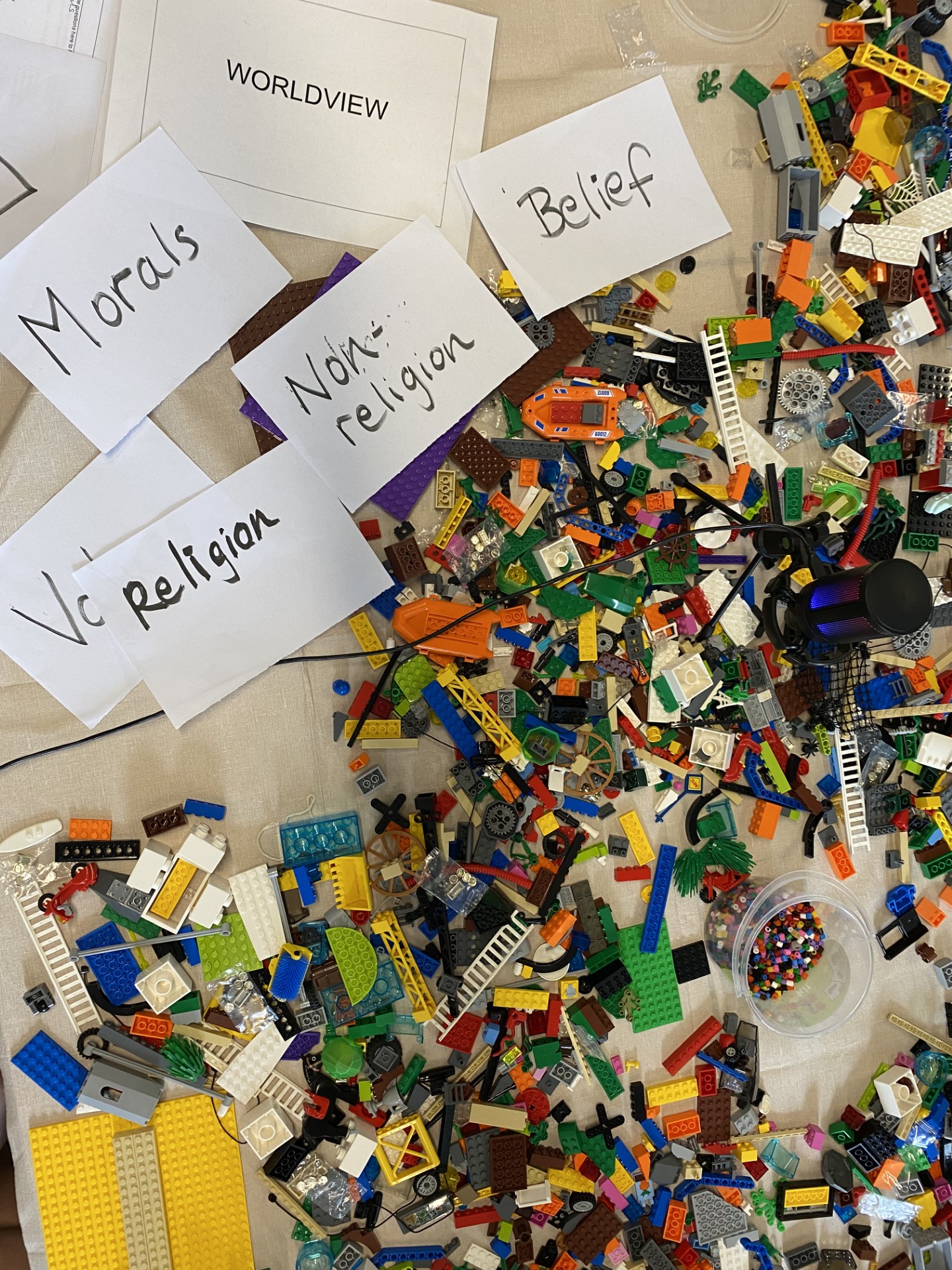 religion/worldviews education in preparing young people for their place in a multi-religious, multi-secular world is paramount. This reflects the growing importance of religion/worldview as a marker of identity and difference. Yet the complexity of religion/worldview and its relationship to civic life is rarely explored in depth and the potentially generative space between RE and Citizenship for exploring issues of identity, belonging and participation in society is underused, under-theorised and under-resourced.
Project Aims
As RE and Citizenship education are re-imagined across Europe, and in light of broader initiatives for global citizenship seeking a regenerative education rooted in human interaction, dialogue and exchange (UNESCO, 2021), the project objectives are to;
- Develop in-depth understanding of young people’s perceptions of themselves as citizens and how they relate to worldviews.
- Comparatively analyse how relationships between worldviews and citizenship are framed in curricula and experienced by students.
- Develop trial resources that resonate with the complexities of young people’s intercultural navigation, and support teacher educators in navigating the complexities of teaching for citizenship in plural society.
- Use findings to inform curriculum development through recommendations for education to support and develop young people’s experience as citizens.
- Strengthen reciprocal partnership between educators in R&W and Citizenship.
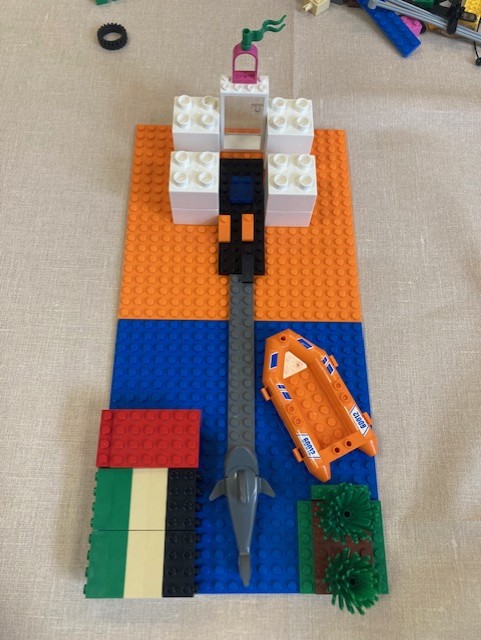
The project draws together researchers, teachers and teacher educators in RE and Citizenship, to enhance education through the co-creation of a pedagogical framework and related resources that resonate with the complexities of young people’s experiences as citizens and the place of religion/worldviews therein. The methodology draws on our existing research and theoretical frameworks of epistemic (Stones & Fraser-Pearce, 2022) and worldview literacy (Shaw, 2022) that underpin the case study presented.
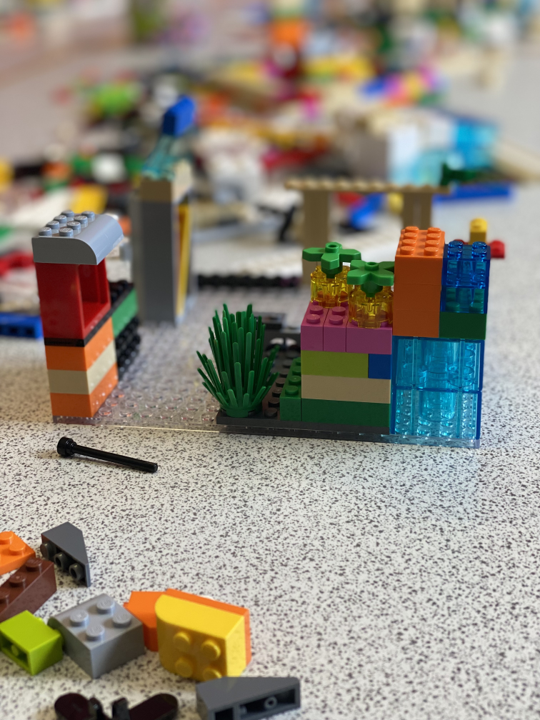
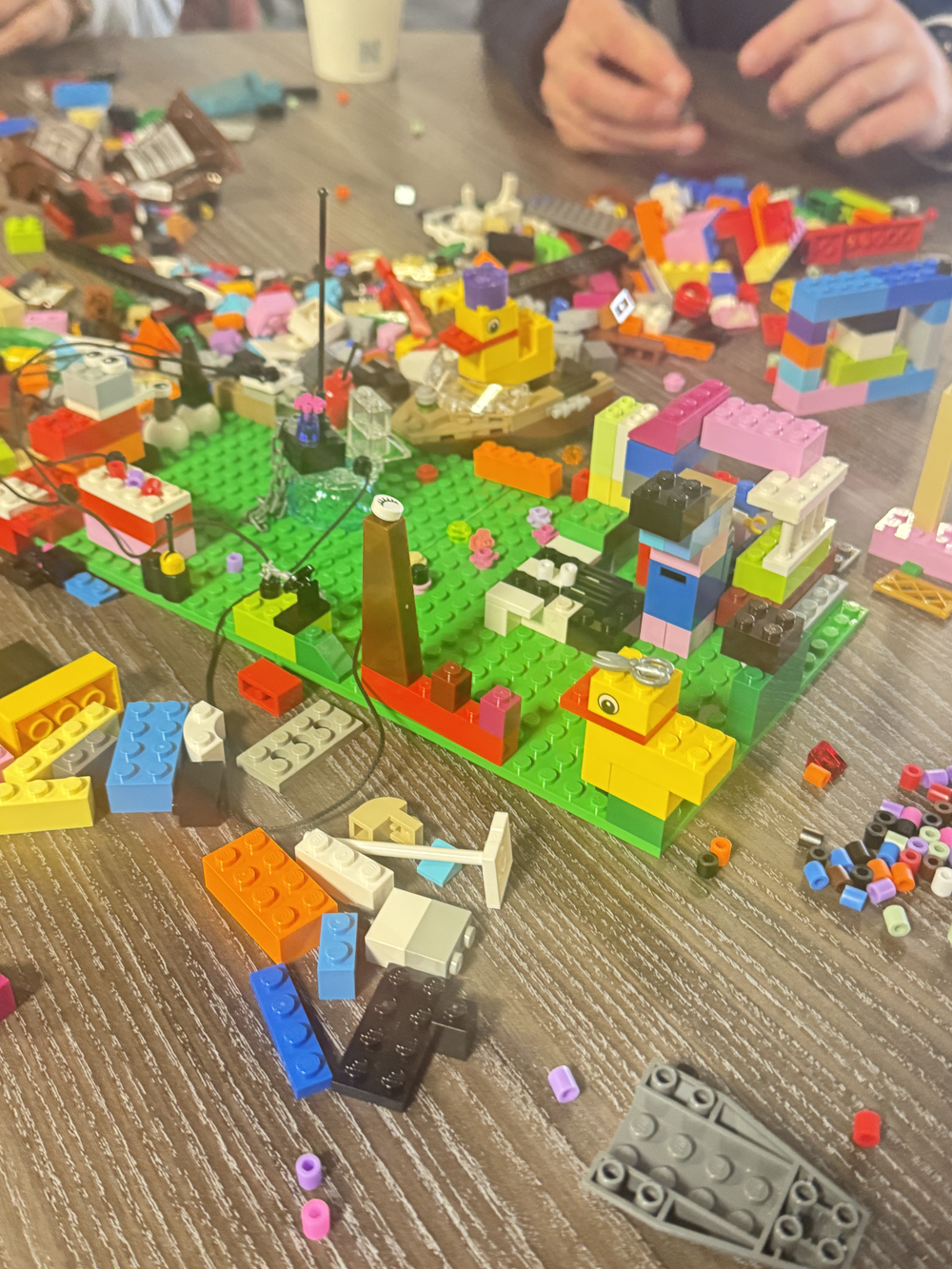
This project adopts a collaborative approach, working with 3 secondary schools across England from Sept 24-26 to engage young people in a creative exploration of what citizenship means to them. Together with our user-advisory group, we have built on an original methodology, using Lego as an inclusive and participatory research tool. From this we have co-created a set of resources to support inclusive citizenship education as an example of a 'worldviews approach'.
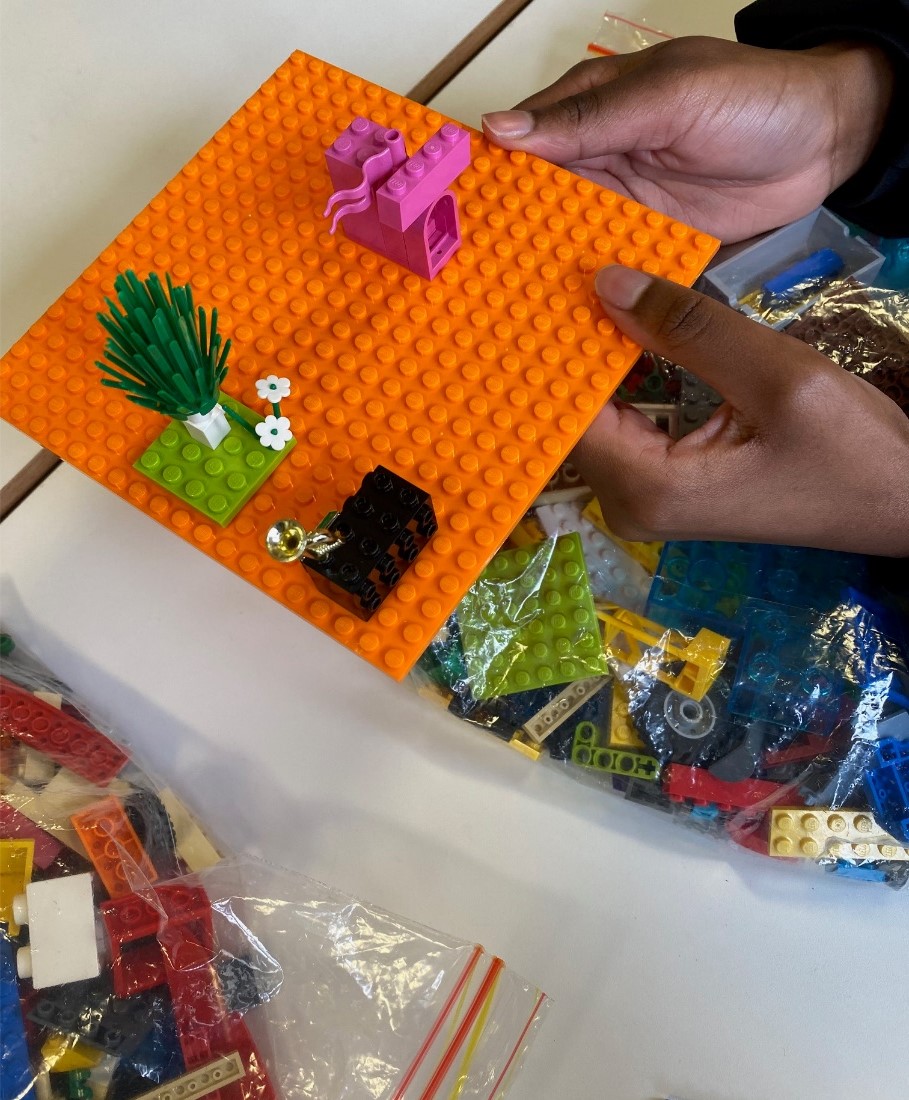
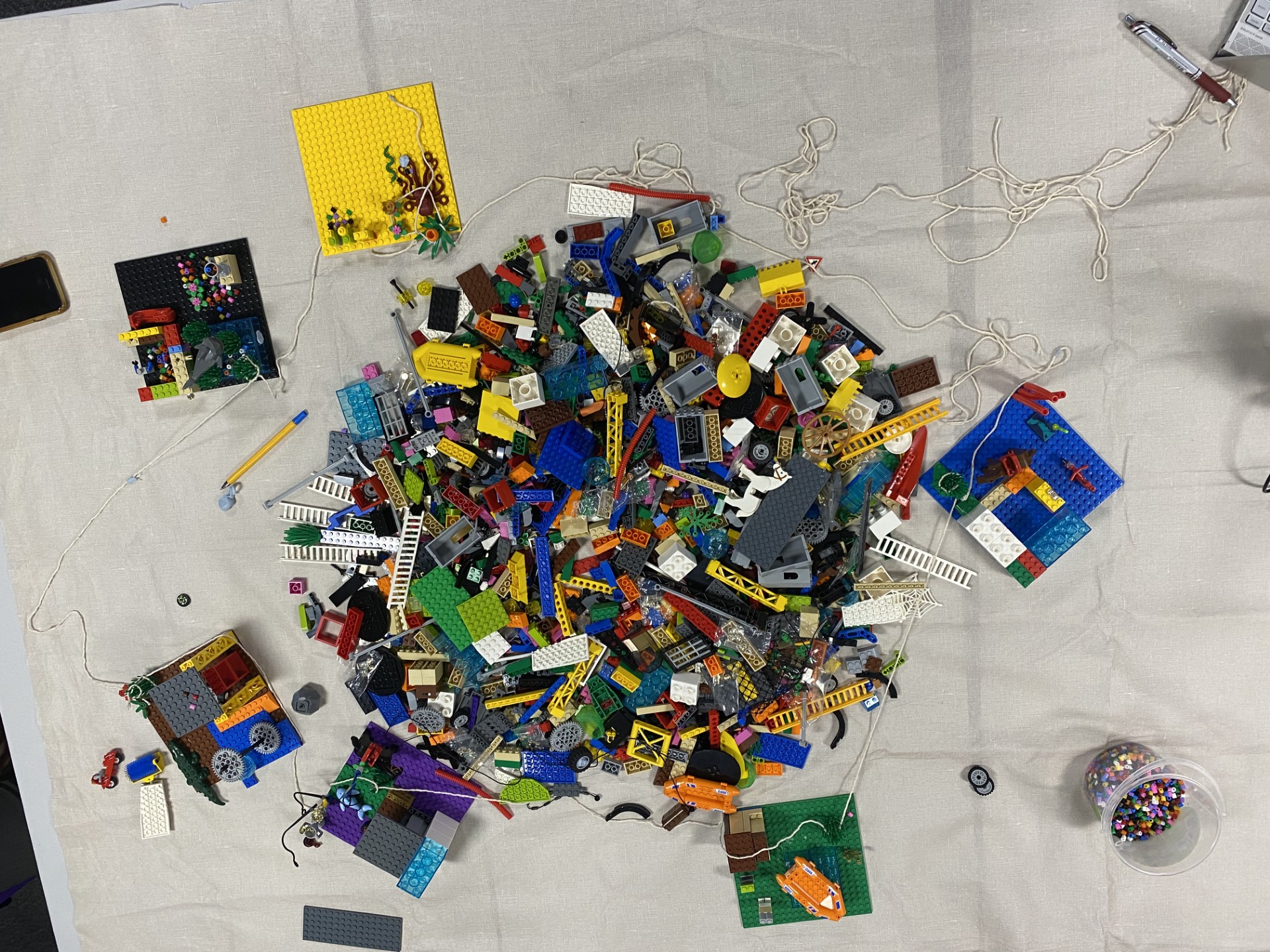
The core of the project is a Lego-based workshop that explores young peoples'' ideas on identity, belonging and participation in society. Through Lego building, participants explore these dimensions in a creative way and explore the connection to religion/worldview, before drawing connections between models.
This ends with a group build on what it means to be a citizen. The UI workshop can be used for any age group and works as a half-day activity or can be split up into several sessions. See our resources section to download the resources!
UI Project Report (PDF File 814 KB)

UI Resources
These resources embody the UI methodology for use in different contexts and are designed for teachers to use and adapt to suit their class and curriculum. They are based on the steps of the UI methodology summarized below.
ENGAGE – with the concept/idea
INTERPRET & ARTICULATE – your own ideas
LISTEN - to how others interpret the concept/idea
REFLECT & CONNECT - highlight links between each other’s ideas
CO-CONSTRUCT – understanding together
REFLEX – on how your understanding has shifted in response to others
UI resources available to download:
- UI Steps (PDF File 156 KB) – A summary of the pedagogical sequence underpinning the UI methodology.
- UI Workshop_Understanding Lived Worldviews and Citizenship (PDF File 1,418 KB) – the original UI workshop, ready to use in RE and/or Citizenship classrooms. With teacher instructions (PDF File 169 KB) .
- UI Pedagogical Framework (PDF File 223 KB) – for application in various contexts/curricula.
- UI Framework Adapted for CORE RE (PDF File 252 KB) – a framework for using the UI approach across a series of lessons or whole-day sessions in RE/PSHE/Citizenship or combinations.
- UI Annotated Lego models (PDF File 273 KB) – for use as discussion starters or with ‘Exploring Interpretability’ resource.
- UI Workshop_Exploring Identity & Belonging (PDF File 1,216 KB)– ready to use PPT with teacher instructions. (PDF File 191 KB)
- UI Exploring Interpretability (PDF File 274 KB) - adaptable lesson plan for exploring the interpretability of worldviews.
- UI Structuring Reflexivity (PDF File 200 KB) – to support making reflexivity explicit in discussion and in writing. This can be used with all the above resources.
These resources have been collaboratively produced by members of the UI project team and advisory group: Martha Shaw, Alexis Stones, Fiona Moss, Terri Barry, James Wright, Zoe Bullamore, Siddiqa Khatun and Monique Bell.
We would love to hear how you have used these resources and what you think of them. Please tell us and join the UI community to hear about developments and future events:
Project Team
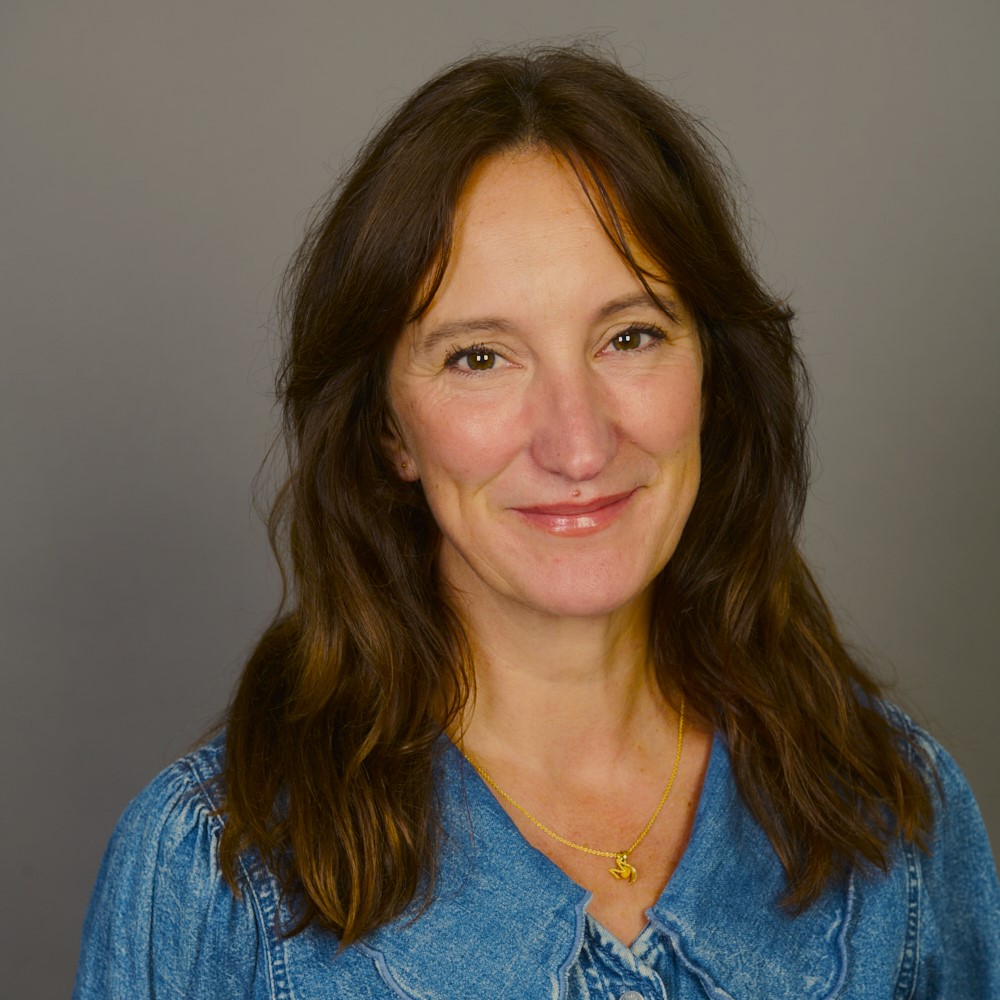
- P-I: Dr Martha Shaw, Associate Professor in Education, London South Bank University
- Martha Shaw is the Associate Dean for Research & Innovation at London South Bank University’s College for Society & Professions and Associate Professor in Education. Martha’s experience combines a background in secondary education (RE & Sociology) and community development in national and international settings with academic research and research leadership. Martha has over 25 years experience in education and community research with a focus on the role of faith groups in social action, formal and informal education and intercultural citizenship education. Her expertise includes research around worldviews education & worldview literacy, participatory research methodologies with communities and young people and pedagogy for social change.
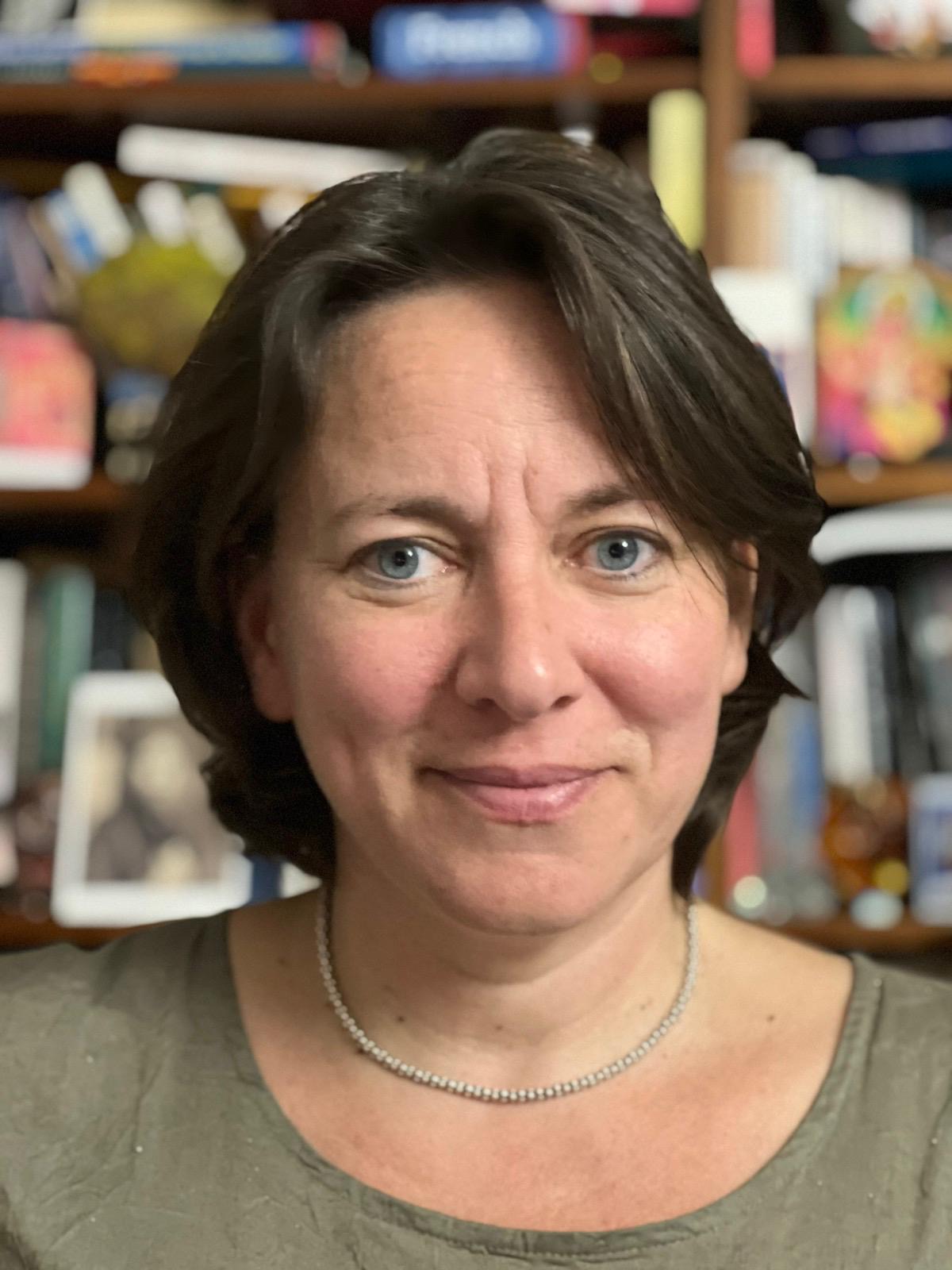
- Co-I: Alexis Stones, RE PGCE Subject Lead at IOE, UCL’s Faculty of Education and Society
- Alexis Stones leads the Religious Education PGCE at UCL. She has worked in a range of educational settings since the mid-1990’s when she worked as a Forum Theatre and youth arts practitioner working with homeless young people and vulnerable communities. She taught RE for many years and then worked at the National Gallery with responsibilities for interdisciplinary pedagogies and secondary contexts. She combines RE teacher education and research with museum education for pre- and in-service teachers, and school students, where she specialises in sacred art, interfaith dialogue, decolonial art histories and participatory arts. She also teaches on UCL’s teacher development programme in collaboration with the Institute for Ismaili Studies (STEP) and co-leads UCL’s SIGs for Peace Education and Curriculum & Subject Specialism Group. Her research activities include science, religion and knowledge in the curriculum, sacred art, peace education and global learning.
Our Advisory Group
Our advisors are experts in RE and Citizenship and education more broadly. Several of the group have worked with us to co-design the resources that build on the Understanding the Interplay Methodology and many have trialed this in their contexts.
- James Wright, Professional Lead for Secondary ITE, Citizenship with Social Science PGCE lead, Kingston University.
- Hans Svennevig, Subject Lead, Citizenship PGCE, IOE/UCL
- Fiona Moss, Education and Programmes Manager, Culham St Gabriel's Trust
- Terri Barry, Teacher of RME & Social Subjects, Anderson High School, Shetland
- Siddiqa Khatun, Head of Philosophy, religion & Ethics, Valentines School, London
- Zoe Bullamore, Head of RE & Sociology, Ilfracombe Academy, Devon
- Monique Bell, Director of Religion, Philosophy & Ethics, Harris Academy, Morden
- Shammi Rahman, HFL Education
- Luke Donnellan, British Humanist Association
- Dr Anna Strhan, University of York
- Prof Geir Skeie, University of Stavanger, Norway
- Iryna Sabor, Head of Early Childhood and School Section, The European Wergeland Centre.
International Partners
We are working with several collaborators in Norway and Sweden, where the UI methodology is being trialed and adapted for a range of contexts:
- Prof Trine Anker, Norwegian School of Theology, Religion & Society.
- Prof. Marie von der Lippe, University of Bergen, Norway.
- Prof Oddrun Braten, NTNU, Norway
- Dr Kristian Niemi, Dept. of Religious Studies, Karlstad University, Sweden.
- Dr Karin Flensner, University West, Sweden.
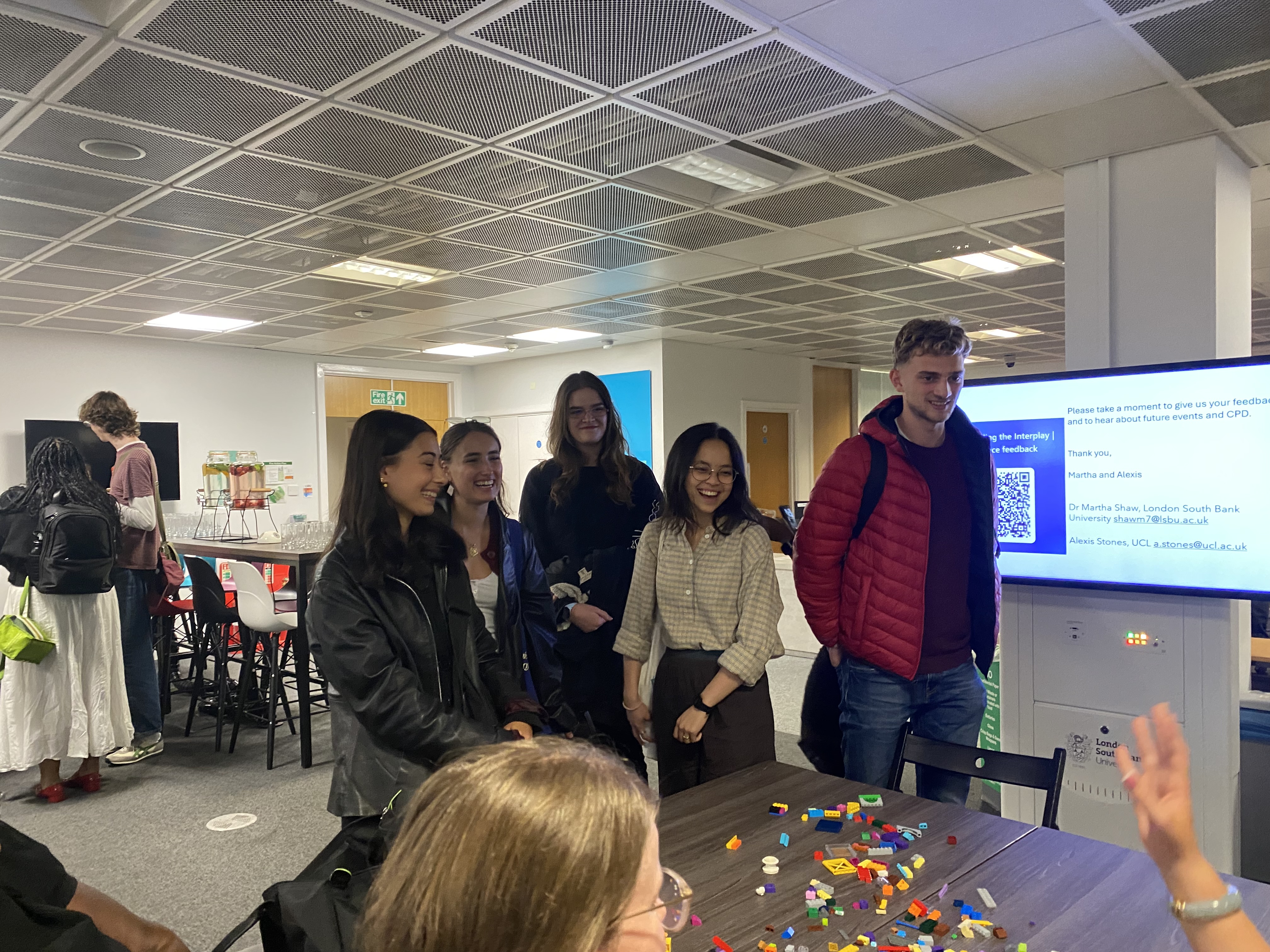
Co-design Day This free event for RE & Citizenship practitioners launched the Understanding the Interplay (UI) project report and new research-informed curriculum resources.
We were joined by teachers and trainee teachers from RE and Citizenship, who explored the UI resources, and heard from our international partner, Prof. Trine Anker from Norway on how she had applied the methodology in teacher education in faith and non-faith based contexts.
We then heard from our amazing advisors and collaborators, who have played such important roles in the project. Our panel discussion: Citizenship, Religion & Worldviews - Challenges and opportunities for collaboration in a revised national curriculum, included discussion with:
|

- Shaw M & Stones, A. (2025, in press) Understanding the Interplay: A new methodology for education, religion, worldviews and lived citizenship. British Journal of Sociology of Education.
- Shaw, M. & Barry, T. (2025) The interface of religious education and citizenship in schools: Reflection on the contribution of a combined ‘worldviews approach’. Education, Citizenship and Social Justice.
- Shaw, M (2020) Towards a Religiously Literate curriculum – Religion and Worldview Literacy as an Educational Model, Journal of Beliefs & Values, Journal of Beliefs & Values. Online: Sept. 2019.
- Shaw, M. (2022a). Worldview Literacy as Intercultural Citizenship Education: A framework for critical, reflexive engagement in plural democracy. Education, Citizenship and Social Justice. pp. 1-17.
- Shaw, M. (2022b). Worldview Literacy as Transformative Knowledge in Franck, O. & Thalen, P. eds. (2023) Powerful knowledge in Religious Education. Exploring Paths to A Knowledge-Based Education on Religions, Palgrave:Macmillan. pp195-216.
- Shaw, M. (2022c). Worldview Literacy as Educational Praxis A Response to ‘Religious Literacy’: Some Considerations and Reservations’, Johannes C. Wolfart. Method and Theory in the Study of Religion (2022) 1–8.
- Shaw, M (in press) . Worldviews Education and Worldview Literacy for social change. in: Ubani, M (ed.) Religion, Learning, and Literacy Springer Nature
- Stones, A., & Fraser-Pearce, J. (2022). Is there a place for Bildung in preparing Religious Education teachers to support and promote epistemic justice in their classrooms? Journal of Religious Education, 70, 367–382.
- Stones, A., von Brömssen, K., Niemi, K. (2023) “Religious Education in Teacher Education: About, For and In Diversity?” in Fraser-Pearce, J., & Fraser, J. W. (Eds.) 2023. The Bloomsbury Handbook of Schools and Religion.
- Fraser-Pearce, J. and Stones, A. (2023) "Knowing Well in Religious Education" 3-year project report with publication summaries and links https://www.reonline.org.uk/research/case-studies/knowing-well-in-re/
- Stones, A. (2025) "Peace Education: Praxis through the Arts" in Bourn, D., Sharma, N., Vilela, M. (eds) Education for Sustainable Futures: Global Citizenship and the Earth Charter. Emerald Publishing Ltd.
- Datoo, A. K., & Stones, A. (2024). Roots and routes: towards a pedagogy of worldliness. Journal of Beliefs & Values, 45(2), 153–165.