

Book an Open DayRegister your interest

icon_cup_red.svg

Well-developed relationships with practice partners over many years, with the PgDip course established in 1989, initially as part of the London Hospital Medical College in Whitechapel and occupational therapy courses at LSBU since 1988.

icon_rocket_red.svg

Our Occupational therapy course is delivered through a hybrid learning in our central London campus, using a wide variety of teaching and assessment methods to tailor for diverse learning needs.

icon_people_red.svg

LSBU Health and Social Care graduates are the second highest paid amongst all London Modern university graduates, and the sixth highest in the UK one year after graduating (DfE LEO data 2022).

Overview

Applications for this course are now closed for the 2026/27 academic year. Applications for 2027/28 are open now in UCAS

Full training in two years

Both of our PgDip and MSc graduate entry programme are designed to enable you to be eligible for registration with the Health and Care Professions Council (HCPC) and the programme is accredited by the Royal College of Occupational Therapists (RCOT) and recognised by the World Federation of Occupational Therapists (WFOT). We have a large, diverse and vibrant occupational therapy community with

  • academic staff with a wide range of clinical expertise
  • a large student cohort across our occupational therapy courses

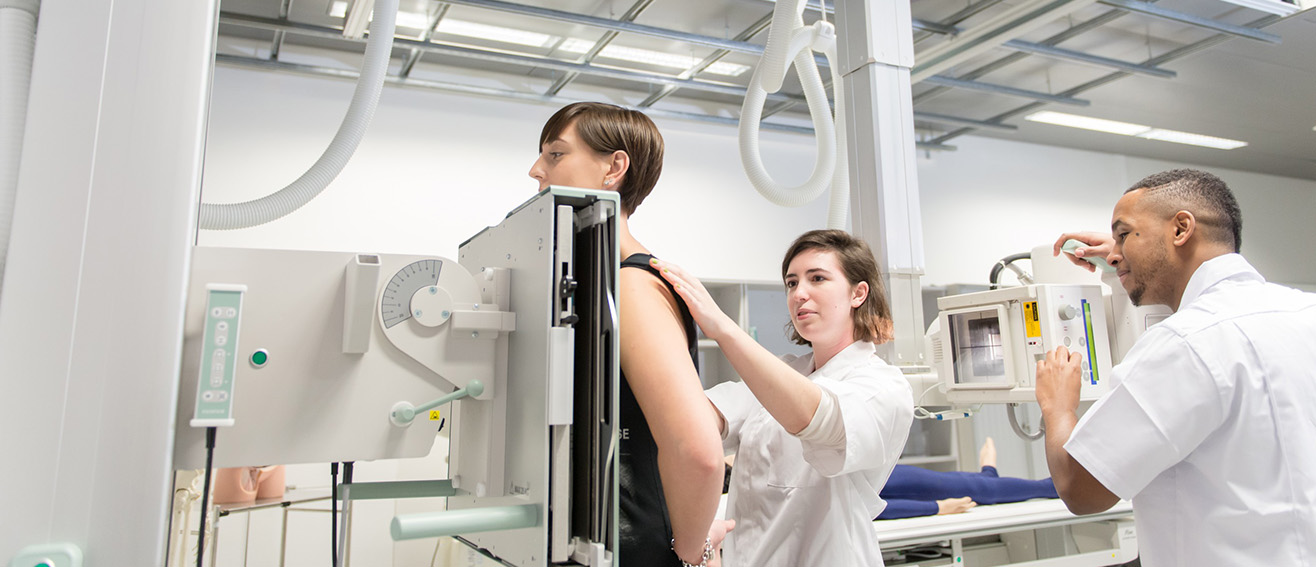
This course allows full-time professional training to be condensed into two years. To support teaching, the Institute of Health and Social Care has a dedicated suite of clinical skills labs, including two well-equipped Activities of Daily Living (ADL) suites, plus large rooms for art, splinting and group skills sessions.

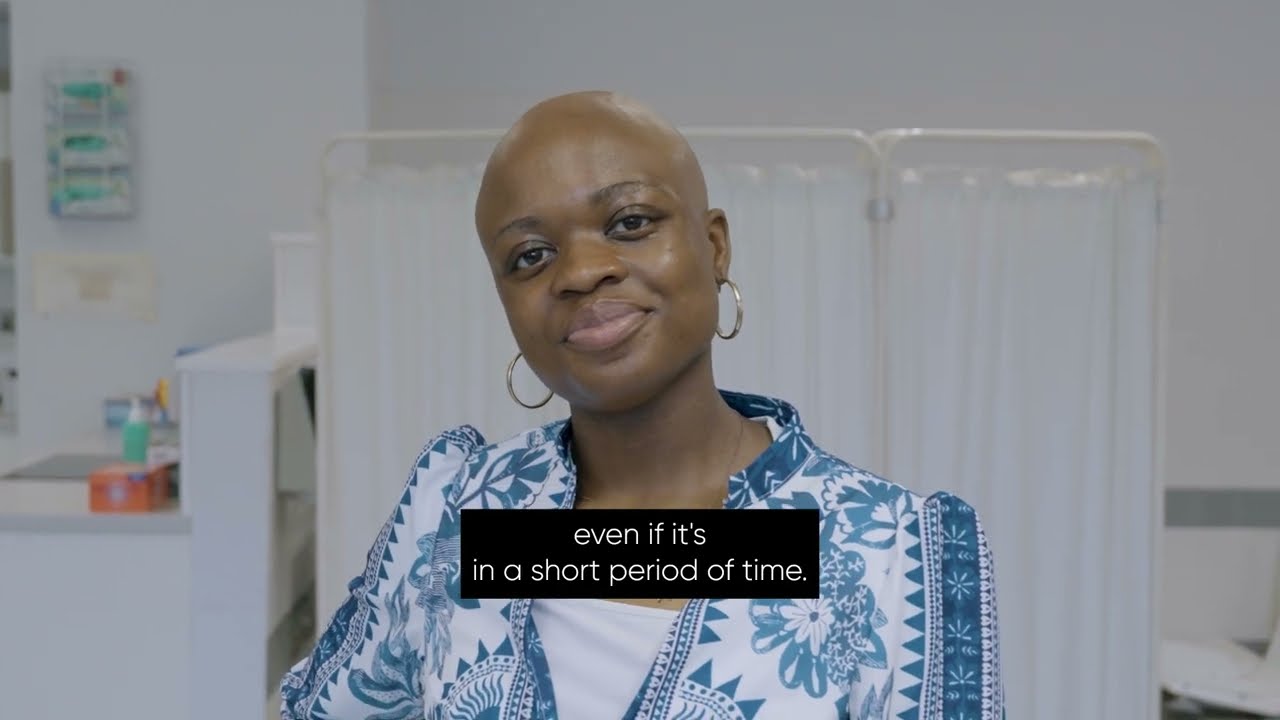
Meet Pristina-Grace - Occupational Therapy student

Course Content

What will I learn? 

Some compulsory skills sessions may take place in the evening.

All modules are at level 7 (Master’s level) and are assessed by a mix of written assignments, case studies, critical review, presentations, examinations, practice placements and a dissertation (MSc students only).

This module introduces learners to the philosophy, theory and concepts of occupational therapy and occupational science. The module develops learners’ critical understanding and relevance of these concepts to contemporary occupational therapy practice in health, social care and third sector environments. The module includes an introductory practice placement which enables learners to begin the development of their professional identity as an occupational therapist. 

This module develops learners’ knowledge of body structures and functions and the impact of dysfunction on occupational performance, engagement, and participation in life roles. This knowledge informs activity analysis, contributes to the evidence base for practice, and informs learners’ professional reasoning. 

This module explores ways in which occupational therapy uses occupation to promote health and well-being from theoretical, evidence and practice based perspectives. Learners begin to develop their knowledge of theories and models influencing occupational therapy practice and consider how the evidence base may inform practice. The module also includes Practice Placement 2 (7 weeks) which requires 3 university day’s attendance. The aim of these 3 days is to enable learners to retain the link between theory and practice as they develop their knowledge and skills of application of the occupational therapy process. 

In this module learners will gain confidence in their ability to identify their personal potential as an occupational therapist through critical self-evaluation, awareness of the need for resilience and resourcefulness to meet the requirements for entry into the profession, and the delivery of contemporary occupational therapy practice. The module includes Practice Placement 4. 

This module develops learners’ ability to utilise knowledge, skills and the evidence base to design, implement and evaluate the practice of occupational therapy with individuals and groups from different heritages and ethnic and cultural identities and with a range of complex health and social needs. This module consolidates the learners’ knowledge and skills in relation to the occupational therapy process and includes consideration of the influence of wider environmental, socio political and economic issues that influence sustainable and productive participation. The module develops learners’ understanding of how the environment in its widest sense – at micro, meso and macro levels – can be adapted to enhance occupational performance and participation. The module includes Practice Placement 3.

This final module consolidates learners’ knowledge, critical and analytical skills and understanding of contemporary factors (e.g. changes in policy, demographics, and context) and their impact on occupational therapy theory and practice.  The module prepares learners for the complexities of a dynamic health and social care environment to create and develop innovative and sustainable occupational therapy through collaborative working with people within the wider community. 

This module provides learners with the opportunity to undertake original enquiry in a chosen area of professional practice through a systematic review of the literature. Learners will be able to consolidate and extend their knowledge and understanding of research and evaluation design and associated methods of enquiry during six taught sessions. They will subsequently be supported by a named supervisor to develop the practical skills necessary to plan and carry out their chosen project. 

* Modules are subject to review and change throughout the year.

Explore life at LSBU from anywhere - Take a virtual tour to explore our campus, discover key facilities and experience what student life is like.

Explore our campuses

Teaching and Assessment

How will I learn?

The course uses a range of teaching and learning methods including lectures, small group sessions, practical skills sessions, online and self-directed learning activities.

Key features of this programme is the use of problem-based (PBL) and inquiry-based approaches to learning. These educational approaches involve students working together in small groups and sharing responsibility for meeting learning outcomes.

Structure of the course

The course runs over 2 years with 2 practice placement in each year.

All occupational therapy courses are required by the World Federation of OT (WFOT) to provide a minimum of 90 weeks of study; this includes a minimum of 1000 practice placement hours.

When at university the core structure of the programme consists of taught and small group session on Tuesdays and Thursdays. In addition to this the overall number of sessions will vary at different times with practical skills and workshop sessions usually occurring on Mondays and Friday as required. Some sessions may be taught until 7pm in the evening.

In the second year the dissertation module runs for a set number of weeks on a Wednesday.

This is an accelerated course and in each of the two academic years there are seven weeks of holiday.

The above structure may be liable to change.

Personal and professional tutoring

As a Health and Social Care student, you will be allocated a named tutor during your first three weeks at LSBU. The role of your tutor is to be your primary contact for academic and professional development support.

Your tutor will support your engagement and motivation to study, providing advice and signposting to other sources of support in the University. They should be the first person at the university that you speak to if you are having any difficulties that are affecting your work. These could be academic, financial, health-related or another type of problem.

You will have appointments with your tutor regularly throughout your course.  This will include an introductory meeting in your first semester and placement visits and calls.  You can contact your tutor for additional support by email or phone.

Careers

What's in it for me?

Employability Service

At LSBU, we want to set you up for a successful career. During your studies – and for two years after you graduate – you’ll have access to our Employability Service, which includes:

  • Free employability workshop and events for student all year round, more details can be found on our event section.
  • Online board where you can see a wide range of placements: part-time, full-time or voluntary. You can also drop in to see our Job Shop advisers, who are always available to help you take the next step in your search.
  • LSBU Careers Hub offering group workshops on CVs, interview techniques and support, guidance on future careers, as well as loads of career resources, connecting you with employers, exciting events, 1-1 support and relevant workshops.

Our Student Enterprise team can also help you start your own business and develop valuable entrepreneurial skills.

Students who successfully complete the 6 core modules will be awarded a Postgraduate Diploma in Occupational Therapy.

Students who successfully complete the 6 core modules and the additional School of Health and Social Care Dissertation module will be awarded an MSc in Occupational Therapy.

Graduates with either award are eligible to register as an Occupational Therapist with the HCPC. Registration allows you to practice as an Occupational Therapist within the NHS, community services and local authorities, as well as social enterprise and the private sector. Other settings include prisons, residential and nursing homes, schools and Social Services.

For more information on what is involved in working as an occupational therapist, please watch 'Occupational Therapy can help people'. The Royal College of Occupational Therapists have a website Choose OT which explains if this career is right for you and the possible routes your career could take.

Post Registration Occupational Therapy MSc (Top-Up) / Continuous professional development

For graduates with a Postgraduate Diploma in Occupational Therapy from London South Bank University awarded within the last three years, we offer a unique opportunity to 'top up' your qualification to an MSc in Occupational Therapy by completing the School of Health and Social Care dissertation module. This is completed whilst working.

To find out more about this course and other continuous professional development opportunities please refer to our online CPPD prospectus.

We maintain very strong links with occupational therapists working in health and social care settings across the NHS London area. These expert clinicians contribute to the course design, delivery of teaching sessions and provision of practice placements.

Health and Care Professionals Council logo
The course is approved by the Health and Care Professions Council; the regulator of Health, Psychological and Social professionals.
Royal College of Occupational Therapists
The course is accredited by the Royal College of Occupational Therapists; the professional association for occupational therapists.

The course is also recognised by the World Federation of Occupational Therapists.

Other professional links include the American Occupational Therapy Association, the Occupational Therapy Board of Australia, and the Canadian Association of Occupational Therapy. You will also be able to access the OT Student Community through the Student Union.

Placements

During the course you are required to successfully complete and pass over 1000 practice placement hours within a broad variety of health and social care settings; meeting the Royal College of Occupational Therapists (2019), the World Federation of Occupational Therapists (2016) and the Health and Social Care Professions Council (2017) standards and requirements.

At LSBU, we work closely with a number of health and social care organisations to provide a wide range of suitable practice placements.  On completion of the course you will have experienced a wide range of health and social care provisions that are suitable for the chosen programme. These placements take place across a variety of clinical settings such as NHS acute Trusts, community placements and the independent sector.

Placements may include working with people of different ages, diverse backgrounds and life situations, acute and long standing health needs (including physical, mental health and learning disability) and be based in a range of settings (hospital, community, existing and emerging services).

Structure of placement learning

Practice placements are in four blocks and are developmental in nature as you progress through the course. Placements are full time following the working hours of the setting. Student work under the guidance and supervision of a HCPC registered occupational therapist (practice educator).

Placement settings

Placements will predominantly be within the Greater London area in the NHS, local authority, voluntary, social enterprise, charities and private sectors. Placements can be in established or emerging services. Applicants should be aware that they may need to cover travel costs and placements could require them to commute across London and beyond if necessary.

LSBU CareerSmart is your ultimate gateway to career success. Our innovative programme is designed to ensure you graduate with more than just a degree, providing the support you need to stand out in a competitive job market. We've got all the tools you need, including:

  • AI Powered Career Sets - Get instant personalised feedback on your CV and cover letter by submitting it via our AI powered career tool.
  • Gamification Interviews - Get ready to pass those interviews with unlimited training access to our gamification interviews and psychometric tests!
  • Personalised Career Development Dashboard - Keep up with your skills progression with free access to practical assessments, LinkedIn learning, mentoring, and industry-standard facilities.

We understand that you’re in the driver’s seat of your career, which is why we’re committed to matching your passion and energy every step of the way.

Find out more

Entry Level Requirements

      • Bachelors degree with honours of 2:2 or above in any subject or recognised equivalent
      • Values and attributes that are compatible with to the NHS constitution
      • Applicants for whom English is not their first language must have a minimum score of 7.0 overall or equivalent for the International English Language Test Score (IELTS), with no element below 6.5.

      English language

      Those whom English is not their first language must achieve a minimum score of 7.0 overall or equivalent with not less than 7.0 in the listening and reading sections and not less than 7.0 in the writing and speaking sections for the International English Language Test Score (IELTS) at the time of application.

      Health, disability and becoming an occupational therapist

      If you believe that you have a disability it is recommended that you read the information provided by the HCPC about becoming a professional, alongside the standards of proficiencies for Occupational therapists.

      Choose your country

      • Afghanistan
      • Albania
      • Algeria
      • Angola
      • Argentina
      • Australia
      • Austria
      • Azerbaijan
      • Bahrain
      • Bangladesh
      • Barbados
      • Belgium
      • Botswana
      • Brazil
      • British Council Women in STEM Scholarships
      • Bulgaria
      • Cambodia
      • Cameroon
      • Canada
      • Chile
      • China
      • Colombia
      • Croatia
      • Cyprus
      • Czech Republic
      • Denmark
      • Dominican Republic
      • Egypt
      • Estonia
      • Ethiopia
      • Finland
      • France
      • Gambia
      • Georgia
      • Germany
      • Ghana
      • Greece
      • Hungary
      • India
      • Indonesia
      • Iran
      • Iraq
      • Ireland
      • Italy
      • Jamaica
      • Japan
      • Jordan
      • Kazakhstan
      • Kenya
      • Kuwait
      • Latvia
      • Lebanon
      • Libya
      • Lithuania
      • Luxembourg
      • Malaysia
      • Malta
      • Mauritius
      • Mexico
      • Mongolia
      • Morocco
      • Myanmar
      • Nepal
      • Netherlands
      • New Zealand
      • Nigeria
      • Norway
      • Oman
      • Pakistan
      • Poland
      • Portugal
      • Qatar
      • Romania
      • Russian Federation
      • Saudi Arabia
      • Senegal
      • Serbia
      • Sierra Leone
      • Singapore
      • Slovakia
      • Slovenia
      • Somalia
      • South Africa
      • South Korea
      • Spain
      • Sri Lanka
      • Sweden
      • Switzerland
      • Thailand
      • Trinidad and Tobago
      • Tunisia
      • Turkiye
      • Uganda
      • Ukraine
      • United Arab Emirates
      • United States of America
      • Uzbekistan
      • Venezuela
      • Vietnam
      • Zambia
      • Zimbabwe

      Need further information?

      Call us on 0800 923 8888 to discuss entry requirements.

      More contact info

      Apply

      Course delivery modes and application methods

      Mode Duration Start date Application code Application method
      PGDip Full-time 2 years September B931 UCAS
      MSc Full-time 2 years September B932 UCAS

      Despite being a postgraduate course, please select undergraduate study level on UCAS application. 

      When you apply, it is important to indicate if you wish to apply for the MSc or PGDip award. If you choose the MSc award, it is possible to leave with a PGDip, but this will mean that you are not able to do the top up MSc module at LSBU.

      International applicants

      International applicants should apply through UCAS. Please allow sufficient time for the admissions decision-making process and any visa application to be successfully completed.

      How to apply

      International students

      International applicants can apply directly to LSBU and should consult our international how to apply guide for further information on the application process and key dates.

      Accommodation

      Prepare to start

      Applicant events
      After you’ve received your offer we’ll send you emails about events we run to help you prepare for your course. You’ll also be invited to our Applicant Taster Day so keep your eyes peeled!
      Enrolment
      Before you start your course, we’ll send you information on what you’ll need to do before you arrive and during your first few days on campus. You can read about the process on our enrolment pages.

      Personal statement

      You must provide a Personal Statement as part of the application. This is used by our Admissions Team as part of the application process alongside the other entry requirements (for example your qualifications). Please address the following three questions in your Personal Statement:

      • Why do you want to study Occupational Therapy?
      • How have your qualifications and studies helped to prepare you for this course or subject?
      • What else have you done to prepare outside of education, and why are these experiences useful?

      References

      One professional/academic reference. You will need to ensure your referee submits their reference as part of your UCAS application.

      For further information please contact the postgraduate course enquiry team: postgraduate@lsbu.ac.uk or call 0800 923 88 88.

      Prepare to start

      Disclosure Barring Service (DBS)

      All pre-registration students need to be DBS cleared before going on placement. You’ll need to have an enhanced DBS check even if you have had one before and will not be able to go on placement until this is complete.

      It’s best to get started as soon as you receive your email from our DBS supplier. You will receive your email during Summer 2024 ADD “during the enrolment process.”

      DBS update service

      If you're part of the DBS update service, your subscription is up to date and you already have a DBS certificate, please bring in your original green DBS certificate for the document check. To take advantage of the update service, your certificate needs to be classified as 'Enhanced' and workforce must be listed as 'Adult and Child'. If you have any queries, please email us at hscdbsoh@lsbu.ac.uk.

      How to complete your DBS

      Our DBS supplier, Verifile, will send you an email with all the details you need to complete your DBS.

      Verifile will give you instructions to log into their system and complete your personal details and information. To complete the process, you'll need your passport or driving licence and 5-year address history including dates when you moved in/out.

      You can use your application number to track the progress of your DBS.

      When you've finished, your Disclosure Statement will be mailed to the most recent address in your submission, so please make sure it's correct. We don't automatically receive a copy of this Statement, which is why we need you to bring it in as part of the next step.

      Enrolment and Welcome Week

      Before you start your course we’ll send you information on what you’ll need to do before you arrive and during your first few days on campus. You can read about the process on our new students pages.

      Occupational Health (OH)

      An exciting part of many of our Health and Social Care courses is the opportunity to learn off-campus and work with patients, clients and/or service users. Before you start, we need to make sure that you have the correct levels of immunisations.

      Questionnaire

      Once you have enrolled, students will be asked to complete an occupational health check, the first part is completing an online questionnaire sent from our occupational health provider.

      GP appointment

      The second part of your occupational health check is to get any inoculations that you may need from your GP. When attending your GP appointment, please take printed copies of these two documents with you.

      Vaccination Screening Advisory Letter
      GP Vaccination and Screening History

      Occupational Health appointment

      After these steps are complete you will receive an email from OHWorks Ltd inviting you to attend an appointment on-campus with an Occupational Health Nurse. These appointments take place during the week and sometimes when your classes have already started.

      The OH team have prepared this guide which outlines what to expect at each stage. If you have queries or concerns about your Occupational Health clearance or inoculations please contact the Occupational Health team.

      Frequently asked questions

      Yes - government legislation advises that everyone must be double vaccinated to work in a health care setting with effect from 1 April 2022. 

      Contact the OH team at lsbu@ohworks.co.uk who will be able to advise you. 

      Please contact the OH team to reschedule at least 48 hours in advance. Remember that you won’t be able to go on placement until you’re cleared.

      Yes. Tell the OH Nurse about all conditions including specific learning difficulties even if you’ve declared these in the past. This will allow us to make reasonable adjustments whilst you’re on placement. 

       The information you share with the OH Nurse will be treated with confidence, meaning that it won’t be automatically shared with the DDS team. The DDS team can help you to receive support for your lectures, assignments and exams so it’s worth to register with them and provide evidence of your condition if you need this support.

      Holidays

      Your holiday periods will not follow the normal University timetable because of placements. You’ll receive more details once you start your course.

      Practice placements

      Some health and social care courses’ practice placements will operate outside normal working hours e.g. evenings, nights, weekends and bank holidays.

      Uniforms

      Most placements and some practical sessions in our skills laboratories will require you to wear a uniform and name badge. You will be measured for uniforms specific to your course as part of your Welcome Week activities after enrolment. In the meantime, we have prepared answers to frequently asked questions that you might find useful.

      Changes

      If you wish to change your address, change your personal details or withdraw your application, you must put this in writing to the Admissions Office who, you can contact using our enquiry form.

      Fees

      United Kingdom

      £12948

      Tuition fees for home students

      International

      £22106

      Tuition fees for international students

      Tuition fees are subject to annual inflationary increases. Find out more about tuition fees for Undergraduate or Postgraduate courses.

      full-time

      Full-time Year 1 - All Available Courses

      MSc Occupational Therapy (FT) - Year 1 FT Southwark SEPT
      The fee shown is for entry 2026/27
      UK fee: £9790 International fee: £18360
      AOS/LSBU code: 4895 Session code: 1FS00
      Total course fee for this location/stream:

      * The full amount is subject to fee increases, the total shown below is based on current fees.

      UK: £22738
      International: £40466
      PgDip Occupational Therapy (FT) - Year 1 FT Southwark SEPT
      The fee shown is for entry 2026/27
      UK fee: £9790 International fee: £18360
      AOS/LSBU code: 4893 Session code: 1FS00
      Total course fee for this location/stream:

      * The full amount is subject to fee increases, the total shown below is based on current fees.

      UK: £19580
      International: £36720

      Full-time Year 2 - All Available Courses

      MSc Occupational Therapy (FT) - Year 2 FT Southwark SEPT
      The fee shown is for entry 2026/27
      UK fee: £12948 International fee: £22106
      AOS/LSBU code: 4895 Session code: 2FS00
      Total course fee for this location/stream:

      * The full amount is subject to fee increases, the total shown below is based on current fees.

      UK: £22738
      International: £40466
      PgDip Occupational Therapy (FT) - Year 2 FT Southwark SEPT
      The fee shown is for entry 2026/27
      UK fee: £9790 International fee: £18360
      AOS/LSBU code: 4893 Session code: 2FS00
      Total course fee for this location/stream:

      * The full amount is subject to fee increases, the total shown below is based on current fees.

      UK: £19580
      International: £36720

      Possible fee changes

      The University reserves the right to increase its fees in line with changes to legislation, regulation and any government guidance or decisions.

      The fees for international students are reviewed annually and the University reserves the right to increase the tuition fees to reflect increased costs of delivery and to maintain an a high-quality student experience. This increase would be no more than Consumer Prices Index (CPI) increases plus 5%.

      Scholarships

      We offer several types of fee reduction through our scholarships and bursaries. Find the full list and other useful information on funding your studies on the scholarships and fee discounts page.

      Fee status

      Please check your fee status and whether you are considered a home, EU or international student for fee-paying purposes by reading the UKCISA regulations.

      Funding for pre-registration postgraduate programmes

      Since August 2018 new postgraduate pre-registration nursing, midwifery and allied health professional students have been able to access loans from the Student Loans Company.

      Accessing loans provides at least 25% more up-front living cost support whilst you study. You will also have access to the Learning Support Fund, which is administered by the NHS Business Services Authority, for support while attending clinical placements.

      MSc students, please note: The fees for year 2 of the course are significantly higher than the maximum tuition fee loan amount available and you will remain responsible for payment of any fees over and above the amount of tuition fee loan awarded.

      A student can change to writing up status for the purpose of a lower fee when the examination arrangements have been submitted and approved. Examination arrangements are submitted 3 months prior to submission of the thesis for examination. A student only has one year of writing up at the reduced fee that covers submission, viva, and minor corrections. The writing up fee 25/26 is £1,246

      Contact information

      International team enquiry

      Discover Uni Key Information

      Register your interest