

Book an Open DayGet info and updates

icon_cup_red.svg

We offer three study pathways in Circular Economy, User Experience and Design Engineering to help you build specialist knowledge based on your interests. You will do taster projects based on each pathway in your first year before choosing your specialism in your second year.

icon_rocket_red.svg

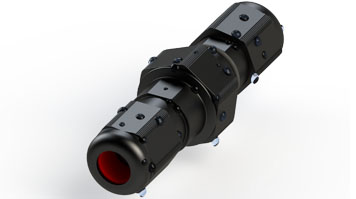
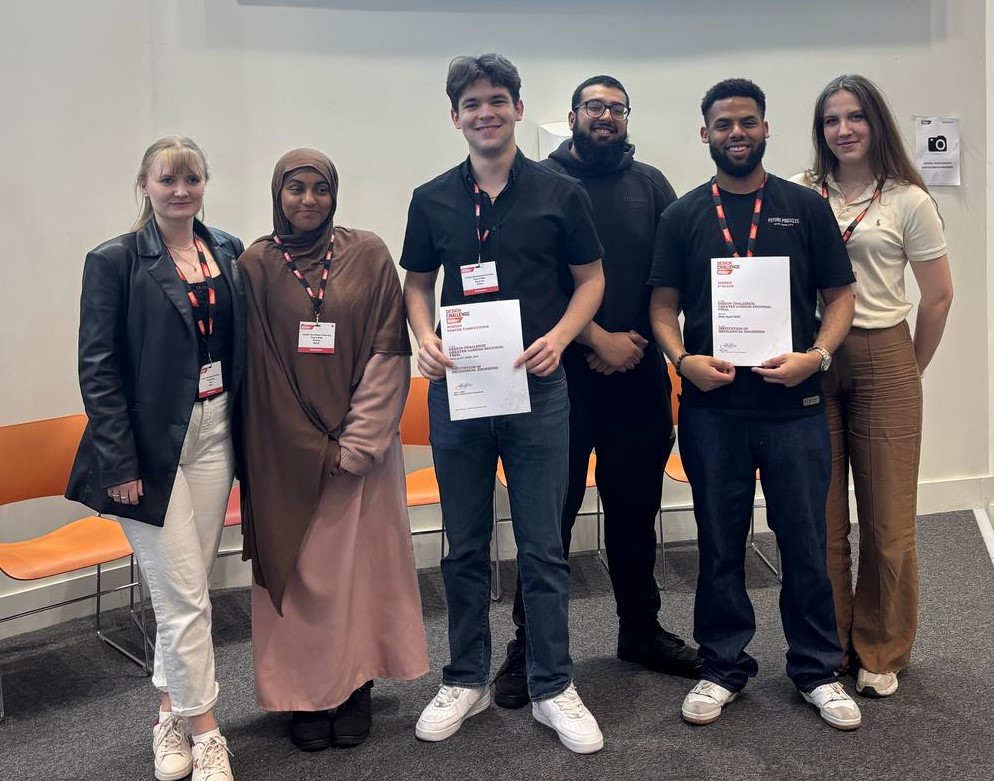
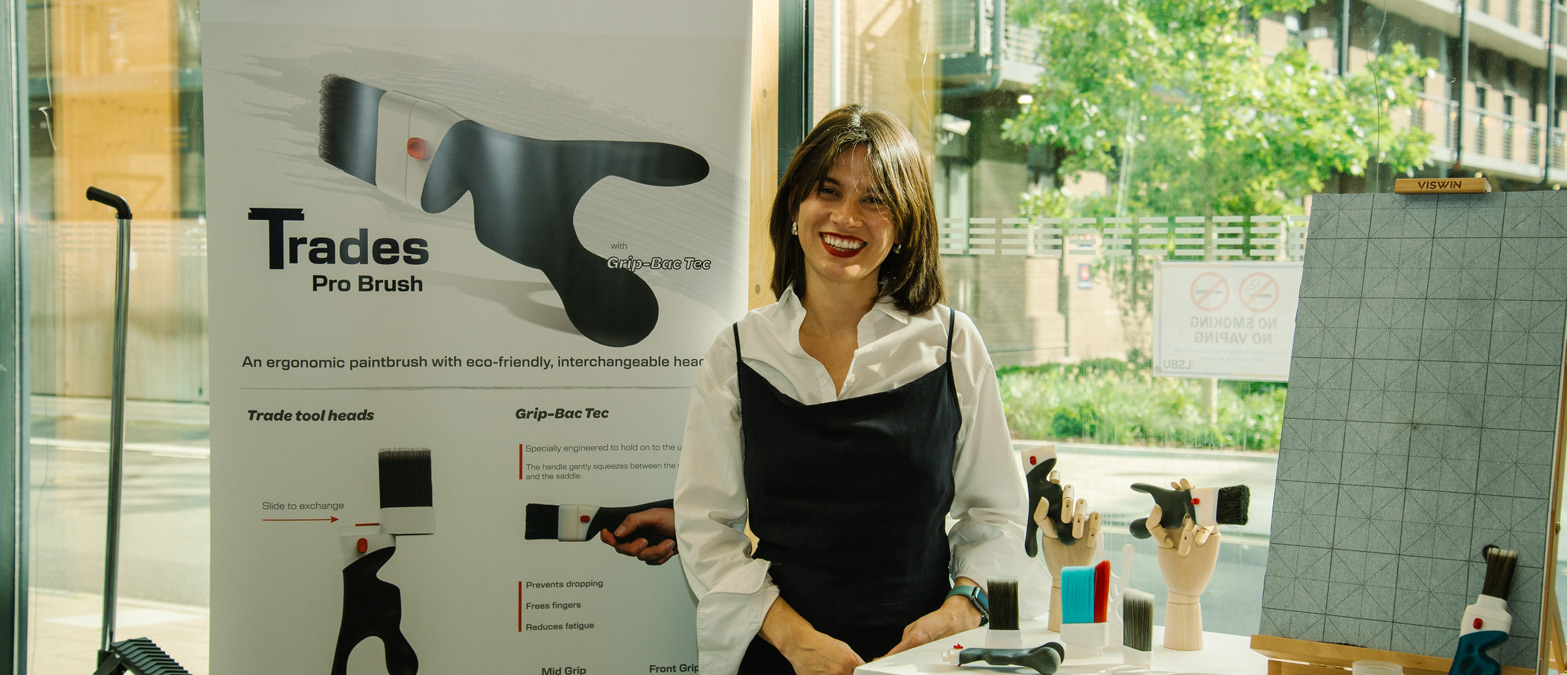
Our students win prizes: Including Brandon Hopkins who was highly commended in the Design Innovation in Plastic Awards 2025.

icon_people_red.svg

Professional accreditation: The course is designed for future accreditation by the Institution of Engineering Designers (IED) for the purposes of fully meeting the academic requirements for Registered Product Designer (RProdDes) and for partially meeting those of Chartered Technological Product Designer (CTPD). Accreditation will be sought by the time the first cohort reaches graduation, and back dated for them.

Overview

Pioneering the way in Product Design and Technology

If you want to become a confident, creative and resilient designer, our BSc/MDes Design and Technology programme is perfect for you!  You will graduate as a versatile professional, well-prepared for a diverse range of design and technology career paths.

Throughout your studies, we will encourage you to combine creativity with scientific insight to create practical, functional solutions for consumer, industrial, and digital products. Confident in identifying opportunities, you will design products that excel in technical, functional, aesthetic, and economic criteria. The program covers the entire design process, from concept to engineering, prototyping, manufacturing, and pitching to clients and investors.

In the final year of the BSc programme, you’ll exhibit in our end-of-year degree show Product of South BankDiscover a round up of the 2024 projects on Dezeen - from a material made of waste crustacean shells to a shower for accessible bathing in developing areas.

If you study the MDes programme, you will take an additional year of study on top of the three or four year BSc (Hons) programme. You will elevate your expertise to Chartered Technological Product Designer level, mastering advanced insights into global design challenges and emerging technologies. With a focus on impactful, human-centered solutions, you will gain essential research skills and collaborate on an interdisciplinary project, applying your knowledge to shape the future of design.

Product of South Bank degree show 2024

Course Content

Computational tools are central to modern engineering practice. This module introduces how engineering problems can be represented using mathematical models and explored through simulation. You will learn how simulations are built, tested and used to support engineering analysis and decision-making. Through hands-on computing workshops, you will develop confidence in modelling simple systems, interpreting results and communicating findings clearly. The skills gained are transferable across all engineering disciplines and form a foundation for later analytical and design work. Assessment method: 100% coursework. 

Design and Practice develops the essential academic, professional and creative skills needed for engineering study and future careers. You will explore design methodologies, creative problem-solving, teamwork and project management, alongside written communication and computer-aided design (CAD). The module introduces sustainability, professional standards and the role of engineers in industry and society. Personal development planning is embedded throughout, helping you build confidence, employability and a clear sense of direction within your chosen engineering discipline. Assessment method: 100% coursework. 

Engineering Mathematics provides the mathematical foundation required for all engineering degrees. Designed to support students from a wide range of backgrounds, the module develops key skills needed to solve engineering problems at an early stage. You will study core mathematical techniques and learn how they are applied in engineering contexts. The module also introduces computational tools, such as MATLAB, to support problem-solving. By the end, you will be better prepared to apply mathematics confidently throughout your studies. Assessment method: 100% coursework. 

This module introduces the fundamental scientific principles that underpin engineering analysis and design. You will explore key concepts relating to forces, energy and physical systems, learning how idealised models are used to understand and solve engineering problems. Emphasis is placed on developing analytical thinking and problem-solving skills that apply across disciplines. The knowledge gained provides a strong foundation for later study in areas such as mechanical, thermal, structural and systems engineering. Assessment method: 100% coursework. 

Materials Engineering introduces the fundamental principles governing the behaviour and selection of engineering materials. You will explore how the structure of metals, polymers, ceramics and composites influences their properties and performance. The module considers how materials are processed and chosen for real applications, balancing functionality, sustainability and cost. Learning is supported through lectures, laboratories and group activities, encouraging practical understanding and collaboration across engineering disciplines. Assessment method: 100% coursework. 

Measurement is fundamental to all areas of engineering. This module introduces the principles behind how engineers obtain meaningful information from real systems and use it to support analysis, design and decision-making. You will explore core ideas relating to measurement, data quality and uncertainty, alongside an overview of instrumentation used in engineering practice. Practical activities develop confidence in experimental work, data handling and interpretation, building transferable skills relevant across all engineering disciplines. Assessment method: 100% coursework. 

The Design Inspiration 2 module will advance the students‘ understanding of design theory and methods, developing design thinking, empathetic, and user-centred design methods, human factors and ergonomics, and foster deeper sensibilities in relation to aesthetics, semantics and the cultural context aspects of the design discipline and the projects the students will undertake during their level 5 studies. 

The Design Application 2 module develops students’ technical skills in mechanical and mechatronic design, including python coding. They will also develop their understanding of the Internet of Things (IoT), and the potential for AI to aid in data processing, decision making, and troubleshooting in the design of IoT devices. 

 The Technical and Design Communications 2 module develops advanced Computer Aided Design skills and the principles of Computer Aided Engineering (CAE) and Computer Aided Manufacture (CAM). The module further develops the ability prepare assets to required to improve their employability, such as print and online portfolios, and building a professional online presence for self-marketing, in a safe manner.

The Professional Skills 2 module develops students' employability and transferable skills in preparation for a professional placement (between levels 5 and 6) and employment after graduation. These include oral and written communication skills and confidence; CV development to increase potential selection by both human and automated systems; formal letter and email writing; interview strategies and practice, and protocols and use of digital (ML/AI) based tools. 

The Mini-Major Project module is designed to take the student through a complete design cycle from project briefing through to the manufacture of a well-resolved working prototype that is specified for volume manufacture. The structure is modelled on the final year major project, where students will focus on developing specific responses to a self-generated brief with the aim of aligning them both to their industrial placement and the final year of study. It will develop their understanding of both industrial manufacturing processes, and digital and physical prototyping technologies, and rig making. 

The Circular Economy Pathway (L5) module develops deeper understanding of the impact of design decisions and responsibility of the designer, through learning about the principles, challenges and opportunities of the Circular Economy. These include whole systems thinking, the inter-relationships between the three tenets of sustainability (environment, economics, social factors), materials criticality and more extensive Life Cycle Assessment. 

The User Experience Pathway (L5) module will introduce principles of service design alongside UX/UI through the integration of both digital and electronic prototyping. Students will learn techniques in user profiling and journey mapping, service system maps, an understanding of design usability principles, wireframes and service blueprinting, and user interaction design. 

The Design Engineering Pathway (L5) module introduces the principles of statics and dynamics, and the properties and limitations of engineering materials and the science by which we understand them. It also introduces the principles of Finite Element Analysis (FEA) techniques, and the application of FEA in structural analysis. 

Students benefit enormously from spending a period of time in industry, whatever course you undertake. This module is designed to provide students with first-hand knowledge and experience in an appropriate industrial setting. Some design and creative industries work largely on the basis of long-term salaried positions, others work on the basis of subcontracted and specialist working, usually of a short-term nature. Students are required to work in a situation where you are accountable to an outside company or person for the work you carry out. The employment in total needs to be the equivalent of at least a complete academic year (30 weeks) in some form of appropriately employed or voluntary capacity within the industry, in its broadest terms. You are required to have access to the local management in order to understand the ways in which management decisions and actions take place as well as concentrating on achieving the best performance possible in the technicalities of the placement work. 

The Innovation and Enterprise module develops the ability to use design thinking to identify and test value propositions, to explore alternative, ethical and sustainable business models in line with UN Sustainable Development Goals (SDGs). It also covers the wider financial and economic impact of their proposals, including funding applications and pitching, and protection of intellectual property. 

This module is for students in the Product Design cluster and aims to augment the students design portfolio with subsidiary projects in addition to their major design project it also allows students to investigate how their ‘design thinking’ techniques, methods and practical skills can be applied to other aspects of commerce and society. Assessment: 100% Coursework 

The Major Project Module is the pinnacle of the undergraduate course and provides and opportunity for students to bring together and demonstrate their learning from all previous strands of their course. Students are required to design, develop, and create a prototype of a substantially new product, to their own specification, and aligned to their pathway specialism. They will need to define appropriate manufacturing techniques, materials, and methods to make and test a working prototype, and the result will be showcased at the University's annual design show, “Product of South Bank”. 

The Design Engineering Pathway (L6) module will develop students’ professional skills and ability to use appropriate theoretical and practical methods in the analysis and solution of engineering design problems, exploring design alternatives and understanding the implications of trade-offs in the design process. They will learn how to prototype and implement their proposed solutions using appropriate digital manufacturing and prototyping technologies. 

The Circular Economy Pathway module develops understanding of the value of, and strategies for, regenerative design which is facilitated via the application of higher-level Life Cycle Assessment modelling and the use of AI for data gathering and analysis. 

The User Experience Pathway (L6) module will develop students understanding of how design thinking techniques, methods and practical skills can be applied as a pluralistic activity within all forms of industry, from manufacturing through to business, government and social enterprise, and codesign strategies for their service design. 

The Pathway Application (Major Project) module requires students to integrate and demonstrate their knowledge of the principles and practices of their chosen disciplinary pathway specialism, within the context of their major project. Students must demonstrate high level expertise in the discipline, which will be assessed separately from but alongside the Major Project. 

The Design Thinking and Reasoning module consolidates students‘ prior knowledge and experience of design practice, and develops a deeper understanding of the theoretical models and research that describe the process by which designers work and think, within a broad range of contexts. There is a strong emphasis on critical analysis with regards to application of theory to practice, through lived experience as a reflective practitioner and designer. 

The Design Futures module raises students’ awareness of the rapidity of technological and scientific, as well as ethical, economic and socio/cultural changes in society, in the context of industry 5.0, VR/AR, IoT, AI and other innovations. It develops students’ ability to construct future scenarios, to think strategically about future global challenges, and use design tools such as future backcasting and speculative design to create narratives that disrupt established practices, encumbent products, and human behaviours, for the positive transformation of society. 

The Human Factors module develops a detailed understanding of ergonomics and human factors in design, including the physical, emotional, and cognitive needs of users. Students will develop their ability to locate and apply academic research data from specialist fields, in order to optimise design proposals to meet detailed user requirements in how they interact with and experience their objects, environments, and activities. 

The Technical Research and Professional Skills module provides the skills and knowledge that are necessary for successful completion of the research dissertation in the near future and for professional development in the long-term future. Content includes how to search and gather relevant technical information; carry out a critical review of a research paper; selection of methods and data analysis for a research project; writing a feasibility reports, making presentations and communicate effectively; and how to assess the impact and sustainability of engineering and design research. 

The Group Project involves students of different engineering disciplines; being formed into a teams to address a multi-disciplinary engineering and/or design project. It is designed to develop a range of skills, including a good understanding of system design, analytical methods, experience of team and critical reflection. The challenge for the team will be to meet stated specifications, targets, milestones, and delivery deadlines, all within a set budget where applicable.

* Modules are subject to review and change throughout the year.

Teaching and Assessment

How will I learn?

Our teaching staff are experts, with a great deal to share. Whether they're teaching, carrying out research or involved in consultancy for industry they have the skills to make a difference to you. You'll learn both intellectual and practical skills in a modern, well-equipped environment that blends traditional manufacturing equipment and sophisticated technology.

Applied approach to learning

You'll learn through lectures, seminars, tutorials and practical work. Taking on both group and individual projects, we assess your work through a mixture of coursework and exams, with project and laboratory work counting towards your final award. We also teach you the life skills of effective communication, problem solving, project planning and team working that will set you apart and give you the best chance of getting the job you want after you graduate.

Percentage of time spent in different learning activities
Year Lectures, tutorials, seminars and lab-based study Self-directed study
Year 1 38% 62%
Year 2 38% 62%
Year 3 20% 80%

Facilities

Our course philosophy places making at the heart of the design process; you'll learn in an environment that is highly in tune with refined technologies. You'll gain the knowledge and training needed to meet future demands for products and services, and the requirements of employers in the design industry.

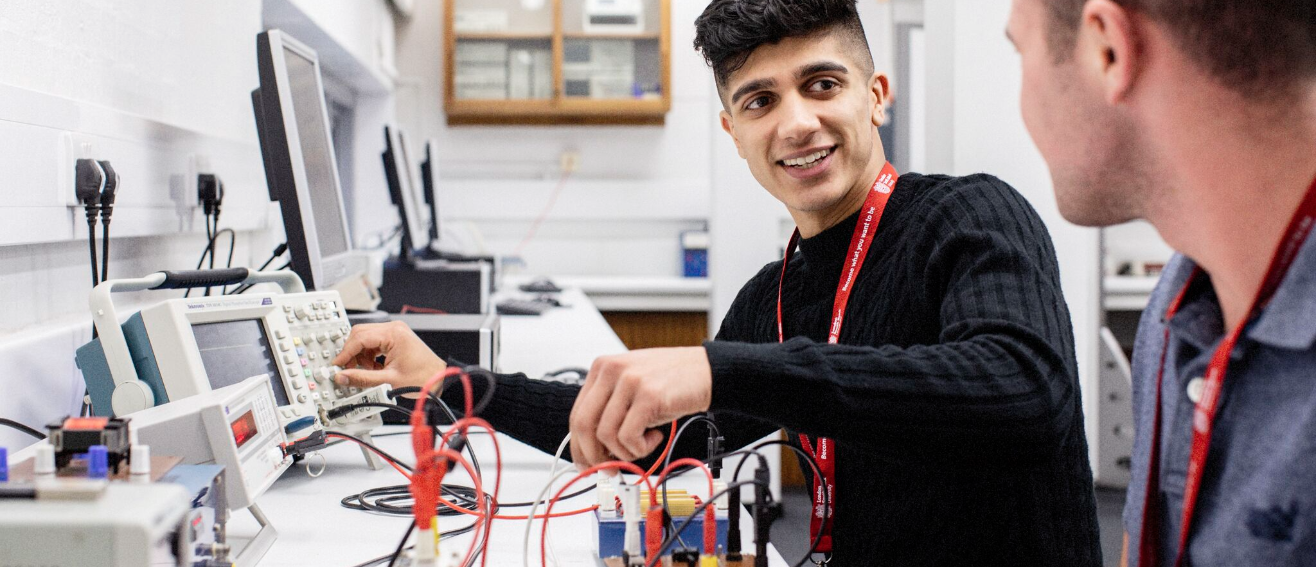
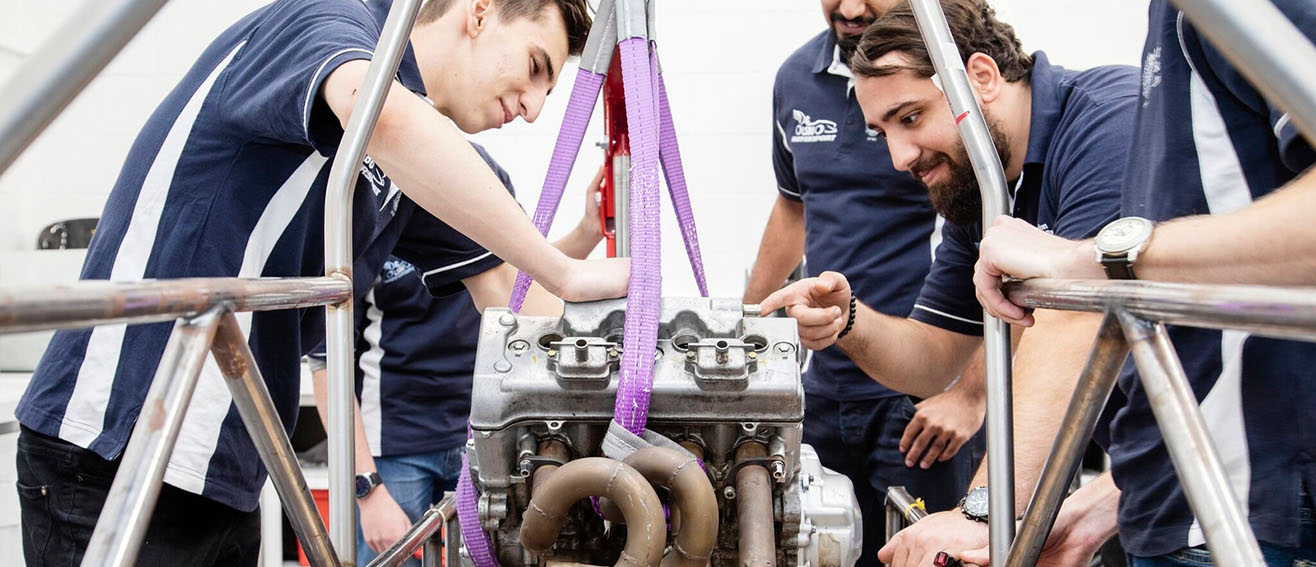
Well-placed and considered investment means you'll have access to up-to-date and large-scale workshops, laboratories and design studios. Through hands-on engineering experience you'll learn how to test, measure, design and produce your own prototypes, bringing ideas off the drawing board or computer screen and into full-size and functional 3D models.

Our workshop capabilities include:

  • 'Soft' modelling operations, for prototypes in card, clay, foam, or wood;
  • Machining capabilities using milling machines, lathes and others, both manually and CNC controlled;
  • Welding and metal fabrication;
  • Digital prototyping including laser cutting, silicone soft tooling and resign casting, and a range of 3D printing technologies;
  • Paint finishing facility;
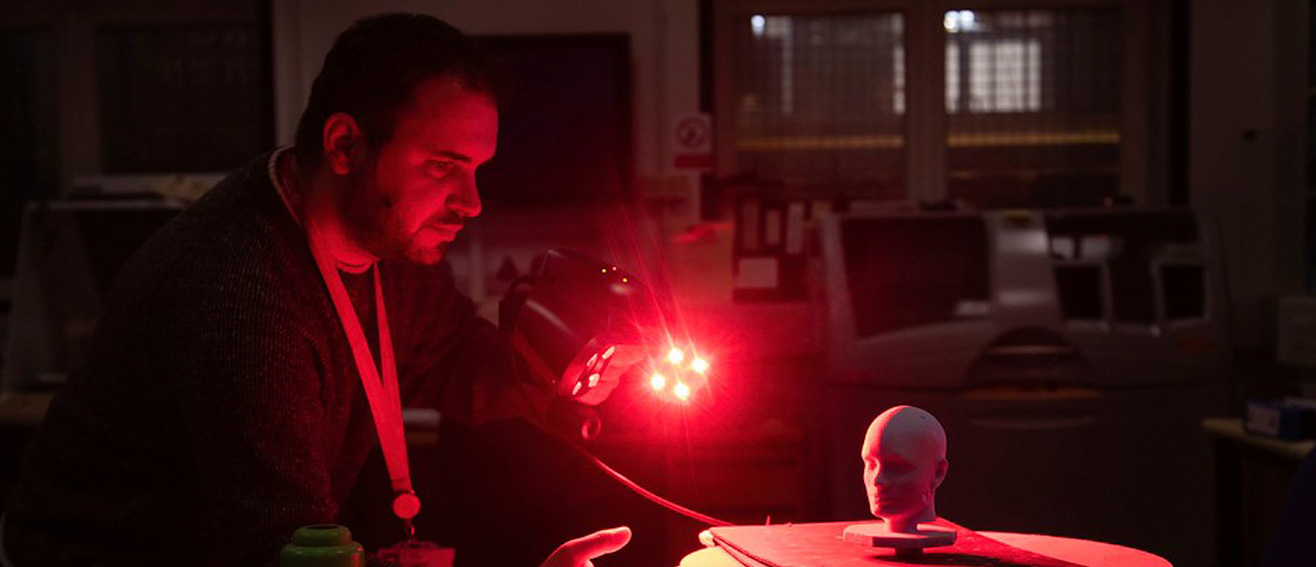
  • Reverse engineering through CMM and 3D scanning;
  • Composite manufacture in fibre glass and carbon fibre;
  • Electronics and robotics laboratories;
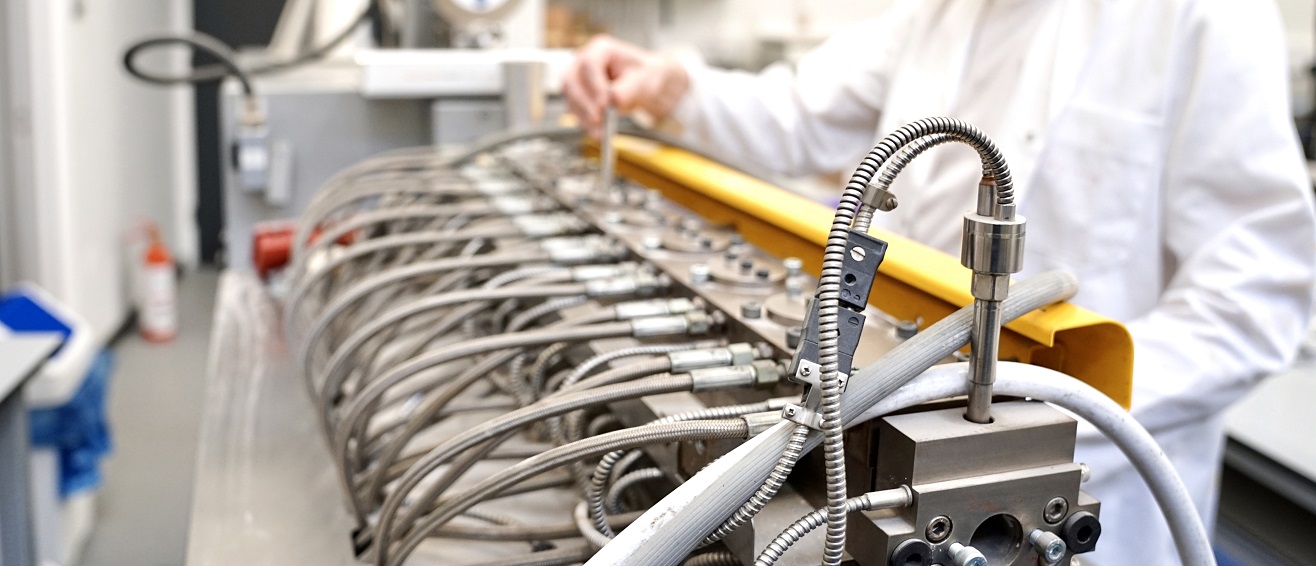
  • Material testing laboratories;
  • Photography and video editing studios; and
  • A virtual engineering suite for 3D visualisation and testing.

Find out more about our workshops and industry-standard software packages.

The workshops are great and really inspirational environments. The tutors have expert knowledge and can provide insight from their own professional design careers.

Kadeza Begum,  Alumna, BSc Product Design

Careers

Employability Service

At LSBU, we want to set you up for a successful career. During your studies – and for two years after you graduate – you’ll have access to our Employability Service, which includes:

  • Free employability workshop and events for student all year round, more details can be found on our event section.
  • Online board where you can see a wide range of placements: part-time, full-time or voluntary. You can also drop in to see our Job Shop advisers, who are always available to help you take the next step in your search.
  • LSBU Careers Hub offering group workshops on CVs, interview techniques and support, guidance on future careers, as well as loads of career resources, connecting you with employers, exciting events, 1-1 support and relevant workshops.

Our Student Enterprise team can also help you start your own business and develop valuable entrepreneurial skills.

Combining flair and vision with practical skill, Product Design is an exciting course that will set you on course for a creative, fulfilling career.

Our recent graduates are pursuing successful careers with companies like LEGO, VosLED, Cogent Healthcare Systems, BDP and Complete Fabrication. Others have set up businesses or work as freelance product designers. From design consultancies to manufacturing companies, there’s a wealth of choice for you.

The course has a focus on studio-based design assignments and design project work. You'll learn how to propose workable and functional solutions within financial constraints whilst still delivering compelling, aesthetic products. These are the very skills that will set you in high demand from industry employers!

Take a look at some potential careers, including product designer, in our Prospects section.

Graduate success stories

As well as recent graduates going into jobs with design consultancies and manufacturing companies, they have also excelled in design competitions:

  • Jack Ogborn (winner, IED Student Design Award)
  • Matilde Rodriguez and Izzatullah Ahmadi (winners, Design Factory @ Design Museum)
  • Andrew Hodgson (winner, DFI furniture design)

After graduation I went to work for LEGO in Denmark where I spent four years working as a design/model maker before coming back to London to work for WOW Toys as a Design Manager.

Peter Grinsell, Alumnus, BSc Product Design

To us, your professional career begins as soon as you start the course, so we continuously prepare you for real-world challenges from the first day of your study.

We have a panel of advisers from the industry to make sure that the course content is up-to-date and matches employers’ needs. And this means our graduates are in demand.

Our professional links with the Institution of Engineering Designers (IED) mean that our course content is regularly reviewed and revised, making absolutely sure that we are teaching the skills and techniques that the design industry needs from graduates.


Institute of Engineering Designers logo

The IED is the UK's only professional body representing those working in the field of Engineering Design. Members work in a diverse range of industries that span product design, architecture, mechanical, automotive and aircraft design, design education, IT and computing.

Work experience opportunities

Most of our third year students choose to improve their employability by undertaking a year-long placement in industry, and we help you to find your placement. The rewards speak for themselves; work experience gives you the opportunity of testing and adapting the skills that you have learned in class within a workplace environment. It also builds your professional network.

LSBU CareerSmart is your ultimate gateway to career success. Our innovative programme is designed to ensure you graduate with more than just a degree, providing the support you need to stand out in a competitive job market. We've got all the tools you need, including:

  • AI Powered Career Sets - Get instant personalised feedback on your CV and cover letter by submitting it via our AI powered career tool.
  • Gamification Interviews - Get ready to pass those interviews with unlimited training access to our gamification interviews and psychometric tests!
  • Personalised Career Development Dashboard - Keep up with your skills progression with free access to practical assessments, LinkedIn learning, mentoring, and industry-standard facilities.

We understand that you’re in the driver’s seat of your career, which is why we’re committed to matching your passion and energy every step of the way.

Find out more

Entry Level Requirements

  • 112 (BSc Hons)/128 (MDes) UCAS tariff points (ideally in Product Design/Art/Graphics, although this can be waivered for applicants who show promising creative talent through a portfolio). Visit UCAS for guidance on the tariff.
  • GCSE Maths (C/grade 4 or above) or equivalent.
  • A satisfactory portfolio.
  • We welcome qualifications from around the world. English language qualifications for international students: IELTS score of 6.0 or Cambridge Proficiency or Advanced Grade C.

Choose your country

  • Afghanistan
  • Albania
  • Algeria
  • Angola
  • Argentina
  • Australia
  • Austria
  • Azerbaijan
  • Bahrain
  • Bangladesh
  • Barbados
  • Belgium
  • Botswana
  • Brazil
  • British Council Women in STEM Scholarships
  • Bulgaria
  • Cambodia
  • Cameroon
  • Canada
  • Chile
  • China
  • Colombia
  • Croatia
  • Cyprus
  • Czech Republic
  • Denmark
  • Dominican Republic
  • Egypt
  • Estonia
  • Ethiopia
  • Finland
  • France
  • Gambia
  • Georgia
  • Germany
  • Ghana
  • Greece
  • Hungary
  • India
  • Indonesia
  • Iran
  • Iraq
  • Ireland
  • Italy
  • Jamaica
  • Japan
  • Jordan
  • Kazakhstan
  • Kenya
  • Kuwait
  • Latvia
  • Lebanon
  • Libya
  • Lithuania
  • Luxembourg
  • Malaysia
  • Malta
  • Mauritius
  • Mexico
  • Mongolia
  • Morocco
  • Myanmar
  • Nepal
  • Netherlands
  • New Zealand
  • Nigeria
  • Norway
  • Oman
  • Pakistan
  • Poland
  • Portugal
  • Qatar
  • Romania
  • Russian Federation
  • Saudi Arabia
  • Senegal
  • Serbia
  • Sierra Leone
  • Singapore
  • Slovakia
  • Slovenia
  • Somalia
  • South Africa
  • South Korea
  • Spain
  • Sri Lanka
  • Sweden
  • Switzerland
  • Thailand
  • Trinidad and Tobago
  • Tunisia
  • Turkiye
  • Uganda
  • Ukraine
  • United Arab Emirates
  • United States of America
  • Uzbekistan
  • Venezuela
  • Vietnam
  • Zambia
  • Zimbabwe

Need further information?

Call us on 0800 923 8888 to discuss entry requirements.

More contact info

Apply

Course delivery modes and application methods

Mode Duration Start date Application code Application method
Full-time 3 years (4 years with placement) September H712 UCAS
Full-time 4 years (5 years with placement) September H713 UCAS

Postgraduate students and research students should apply through our dedicated application system. Full details of how to do this are supplied on our How to apply section for postgraduate students and our How to apply section for research students.

See our admissions policy (PDF File 1,043 KB) and complaints policy (PDF File 516 KB).

Postgraduate Application Service

Book a session with one of our specialist Postgraduate Advisors. Over a one on one Advice Session they'll advise you on postgraduate degrees at LSBU that match your interests and experience.

Prepare to start

We help our students prepare for university even before the semester starts. To find out when you should apply for your LSBU accommodation or student finance read the How to apply tab for this course.

Enrolment

Before you start your course we’ll send you information on what you’ll need to do before you arrive and during your first few days on campus. You can read about the process on our Enrolment pages.

How to apply

International students

International applicants can apply directly to LSBU and should consult our international how to apply guide for further information on the application process and key dates.

Accommodation

Prepare to start

Applicant events
After you’ve received your offer we’ll send you emails about events we run to help you prepare for your course. You’ll also be invited to our Applicant Taster Day so keep your eyes peeled!
Enrolment
Before you start your course, we’ll send you information on what you’ll need to do before you arrive and during your first few days on campus. You can read about the process on our enrolment pages.

Fees

United Kingdom

£9790

Tuition fees for home students

International

£17400

Tuition fees for international students

Tuition fees are subject to annual inflationary increases. Find out more about tuition fees for Undergraduate or Postgraduate courses.

full-time

Full-time Year 1 - All Available Courses

MDes Product Design and Technology(SEPT)(FT) - Year 1 FT Southwark SEPT
The fee shown is for entry 2026/27
UK fee: £9790 International fee: £17400
AOS/LSBU code: 6046 Session code: 1FS00
Total course fee for this location/stream:

* The full amount is subject to fee increases, the total shown below is based on current fees.

UK: £39160
International: £69600
BSc (Hons) Product Design and Technology(SEPT)(FT) - Year 1 FT Southwark SEPT
The fee shown is for entry 2026/27
UK fee: £9790 International fee: £17400
AOS/LSBU code: 6045 Session code: 1FS00
Total course fee for this location/stream:

* The full amount is subject to fee increases, the total shown below is based on current fees.

UK: £29370
International: £52200

Full-time Year 2 - All Available Courses

MDes Product Design and Technology(SEPT)(FT) - Year 2 FT Southwark SEPT
The fee shown is for entry 2026/27
UK fee: £9790 International fee: £17400
AOS/LSBU code: 6046 Session code: 2FS00
Total course fee for this location/stream:

* The full amount is subject to fee increases, the total shown below is based on current fees.

UK: £39160
International: £69600
BSc (Hons) Product Design and Technology(SEPT)(FT) - Year 2 FT Southwark SEPT
The fee shown is for entry 2026/27
UK fee: £9790 International fee: £17400
AOS/LSBU code: 6045 Session code: 2FS00
Total course fee for this location/stream:

* The full amount is subject to fee increases, the total shown below is based on current fees.

UK: £29370
International: £52200

Full-time Year 3 - All Available Courses

MDes Product Design and Technology(SEPT)(FT) - Year 3 FT Sandwich Southwark SEPT
The fee shown is for entry 2026/27
UK fee: £0 International fee: £0
AOS/LSBU code: 6046 Session code: 3FS00
Total course fee for this location/stream:

* The full amount is subject to fee increases, the total shown below is based on current fees.

UK: £39160
International: £69600
BSc (Hons) Product Design and Technology(SEPT)(FT) - Year 3 FT Sandwich Southwark SEPT
The fee shown is for entry 2026/27
UK fee: £0 International fee: £0
AOS/LSBU code: 6045 Session code: 3FS00
Total course fee for this location/stream:

* The full amount is subject to fee increases, the total shown below is based on current fees.

UK: £29370
International: £52200

Full-time Year 4 - All Available Courses

MDes Product Design and Technology(SEPT)(FT) - Year 4 FT Southwark SEPT
The fee shown is for entry 2026/27
UK fee: £9790 International fee: £17400
AOS/LSBU code: 6046 Session code: 4FS00
Total course fee for this location/stream:

* The full amount is subject to fee increases, the total shown below is based on current fees.

UK: £39160
International: £69600
BSc (Hons) Product Design and Technology(SEPT)(FT) - Year 4 FT Southwark SEPT
The fee shown is for entry 2026/27
UK fee: £9790 International fee: £17400
AOS/LSBU code: 6045 Session code: 4FS00
Total course fee for this location/stream:

* The full amount is subject to fee increases, the total shown below is based on current fees.

UK: £29370
International: £52200

Full-time Year 5 - All Available Courses

MDes Product Design and Technology(SEPT)(FT) - Year 5 FT Southwark SEPT
The fee shown is for entry 2026/27
UK fee: £9790 International fee: £17400
AOS/LSBU code: 6046 Session code: 5FS00
Total course fee for this location/stream:

* The full amount is subject to fee increases, the total shown below is based on current fees.

UK: £39160
International: £69600

For more information, including how and when to pay, see our fees and funding section for undergraduate students.

Please check your fee status and whether you are considered a Home, EU or International student for fee-paying purposes and for our regulatory returns, by reading the UKCISA regulations.

See our Tuition Fees Regulations (PDF File 630 KB) and Refund Policy (PDF File 775 KB).

Possible fee changes

The University reserves the right to increase its fees in line with changes to legislation, regulation and any government guidance or decisions.

The fees for international students are reviewed annually and the University reserves the right to increase the tuition fees to reflect increased costs of delivery and to maintain an a high-quality student experience. This increase would be no more than Consumer Prices Index (CPI) increases plus 5%.

Scholarships

We offer several types of fee reduction through our scholarships and bursaries. Find the full list and other useful information on our scholarships page.

Are you an international student looking to kickstart your global career at LSBU? If so, our new LSBU Future Global Graduate Awards could help you benefit from the high-quality, career focused education that LSBU offers. Find out more about our Global Graduate Awards.

Contact information

International team enquiry

Register your interest