
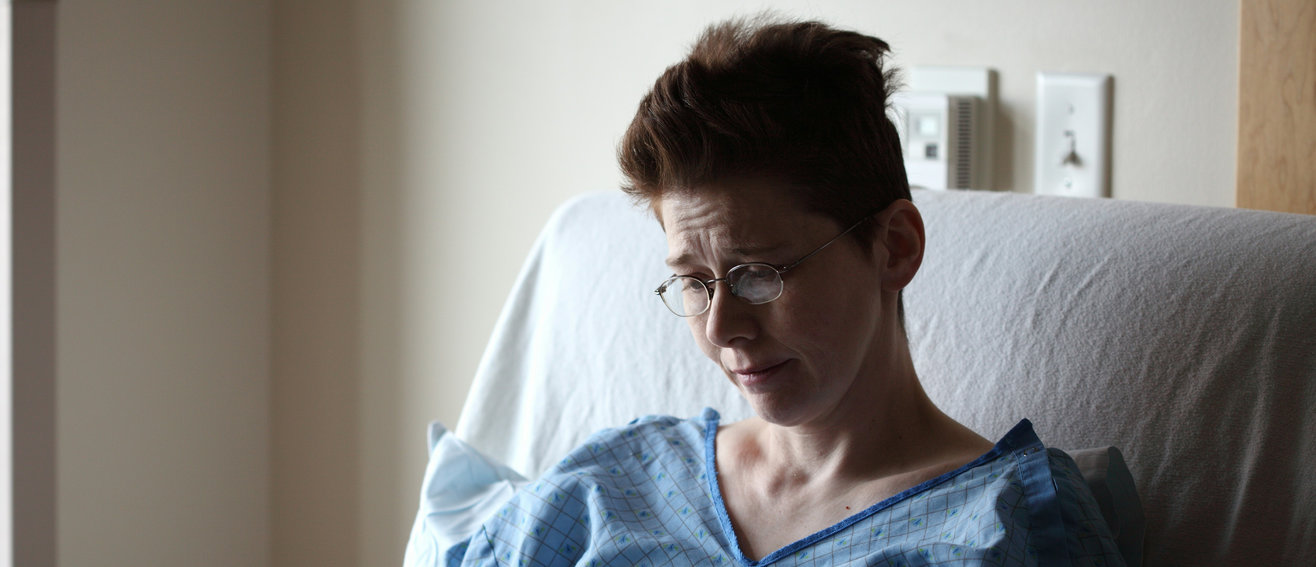
Stroke survivors face hidden challenges long after hospital discharge
Every day in the UK, around 240 people experience a stroke. While survival rates have improved, according to an academic at London South Bank University (LSBU), life after stroke often brings long-term struggles that remain largely unseen.
In a recent article for The Conversation, Dr Siobhan Mclernon, Senior Lecturer in Adult Nursing and co-lead for Ageing, Acute and Long-Term Conditions at LSBU, warns that recovery is far more complex than most people realise.
“Many survivors describe stroke as a “thief” that takes the life they once knew,” she writes. “Although more people survive stroke than in the past, too many do so without the support needed to make meaningful recovery possible.”
In the article, Dr Mclernon emphasises that many survivors face persistent physical, cognitive and emotional challenges years after their stroke.
Six months after a stroke, 64% of survivors still struggle with daily activities and nearly half experience anxiety or depression. Yet only about a third receive the recommended six-month follow-up. Rehabilitation is often limited to short inpatient bursts, despite clinical guidance recommending three hours of therapy a day — in reality, patients may receive as little as 14 minutes.
Dr Mclernon argues that this gap leaves survivors vulnerable to long-term disability and social isolation. She calls for sustained access to physical, psychological and vocational support, alongside innovative solutions such as robotics and virtual reality to enhance therapy.
“The evidence shows that long-term disability, unmet clinical needs and preventable loss of independence continue to shape life after stroke for millions,” she writes.
Work reintegration is another major challenge: a quarter of strokes occur in people under 65 and around one-third leave employment permanently, with significant economic and personal consequences. Early vocational support and workplace adjustments are essential to help survivors rebuild their lives.
Drawing on her extensive research into acquired brain injury and stroke care, Dr Mclernon advocates for a shift from short-term interventions to lifelong, patient-centred recovery strategies.
“Stroke recovery is not a sprint – it’s a marathon. We need to move beyond the idea that survival alone is success and ensure that every person has the support to live well after stroke,” she concludes. “After all, a life saved should be a life worth living.”