LSBU academic champions global cooling solutions at COP30 in Brazil
London South Bank University (LSBU) research continues to shape international climate policy, with a School of Engineering and Design academic playing a key role at the recent COP30 in Belém, Brazil.
Professor Graeme Maidment, who leads LSBU's research in heating and cooling, attended the UN’s flagship climate summit as an influential voice in global discussions on sustainable cooling and climate action.
He represented the United Nations Environment Programme-led Cool Coalition, the International Institute of Refrigeration as head of party, the UK Government and the Heating and Cooling Team from LSBU.
Driving global impact through cooling innovation
COP, the Conference of the Parties, brings together governments, intergovernmental organisations, NGOs and businesses to negotiate and implement strategies to tackle climate change. This year’s summit focused heavily on implementation, with key themes including methane reduction, buildings and cooling — sectors that collectively account for around 50% of global emissions.
Cooling was literally a ‘hot topic’ at COP30, with temperatures soaring in Belém and inside the venue: "There was no better way of highlighting the need for sustainable and accessible cooling solutions,” recalled Graeme, about an area where LSBU’s research is making tangible difference.
One of the most significant outcomes linked to LSBU’s work is the Global Cooling Pledge, an initiative conceived by a small group during COP27. Launched at COP28 in 2023, the pledge now has the support of 73 countries, committing to slash cooling emissions by 68% worldwide by 2050.
“Being part of the team that helped create the Global Cooling Pledge is something LSBU can be proud of. It shows how our research is not only innovative but also influential at the highest level of international climate policy,” said Professor Artur Jaworski, Head of School of Engineering and Design.
A week of high-level engagement
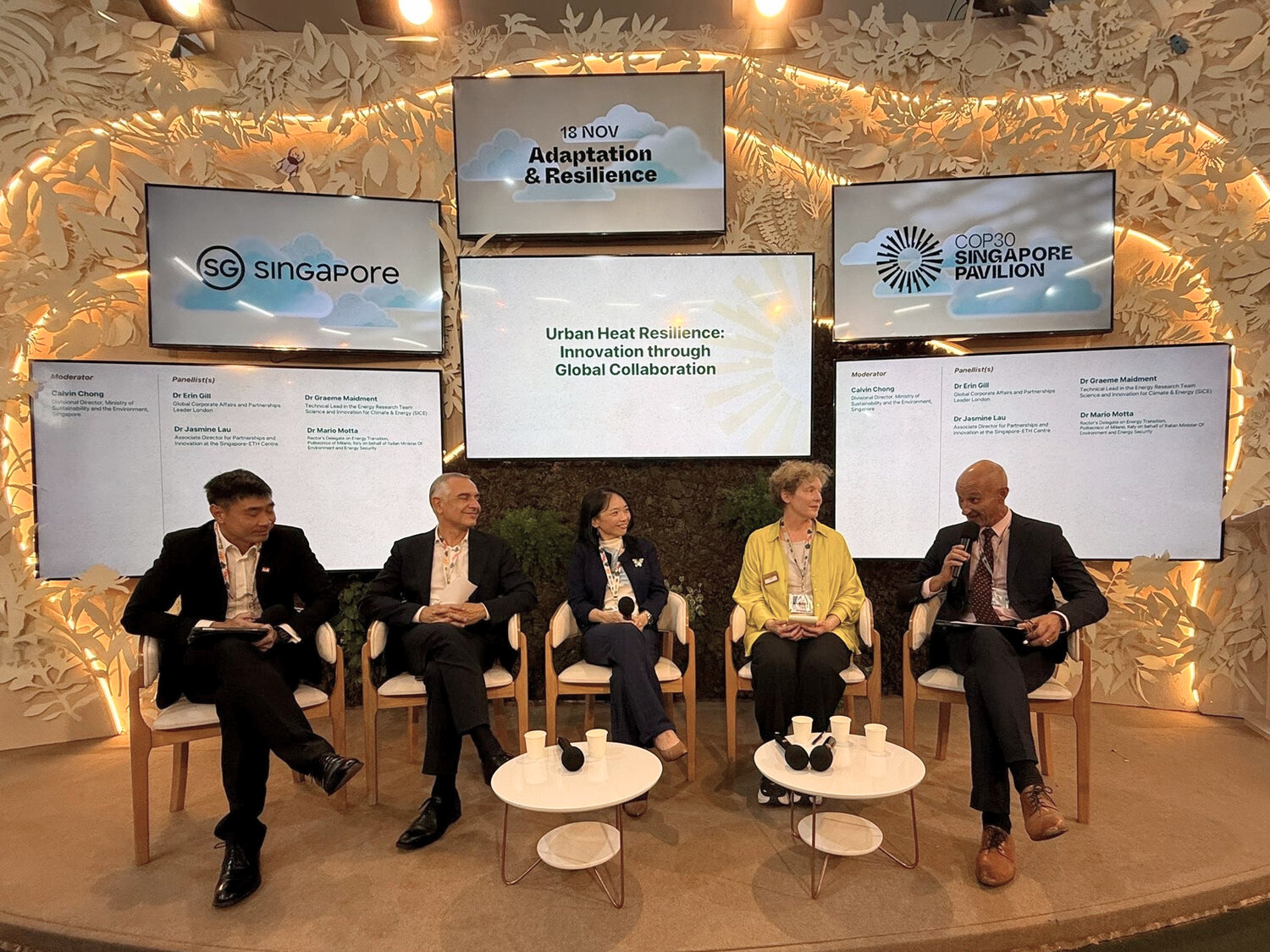
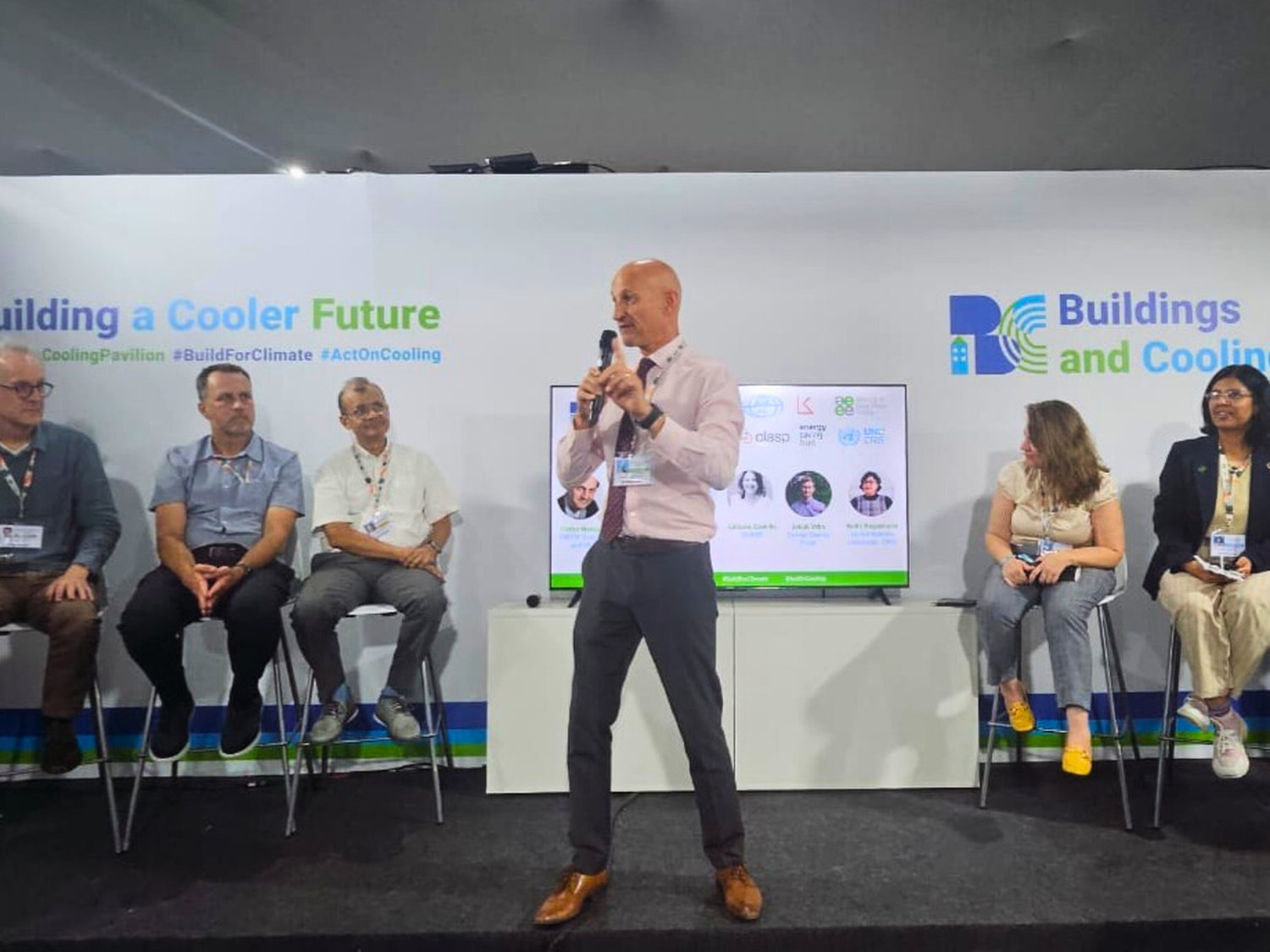
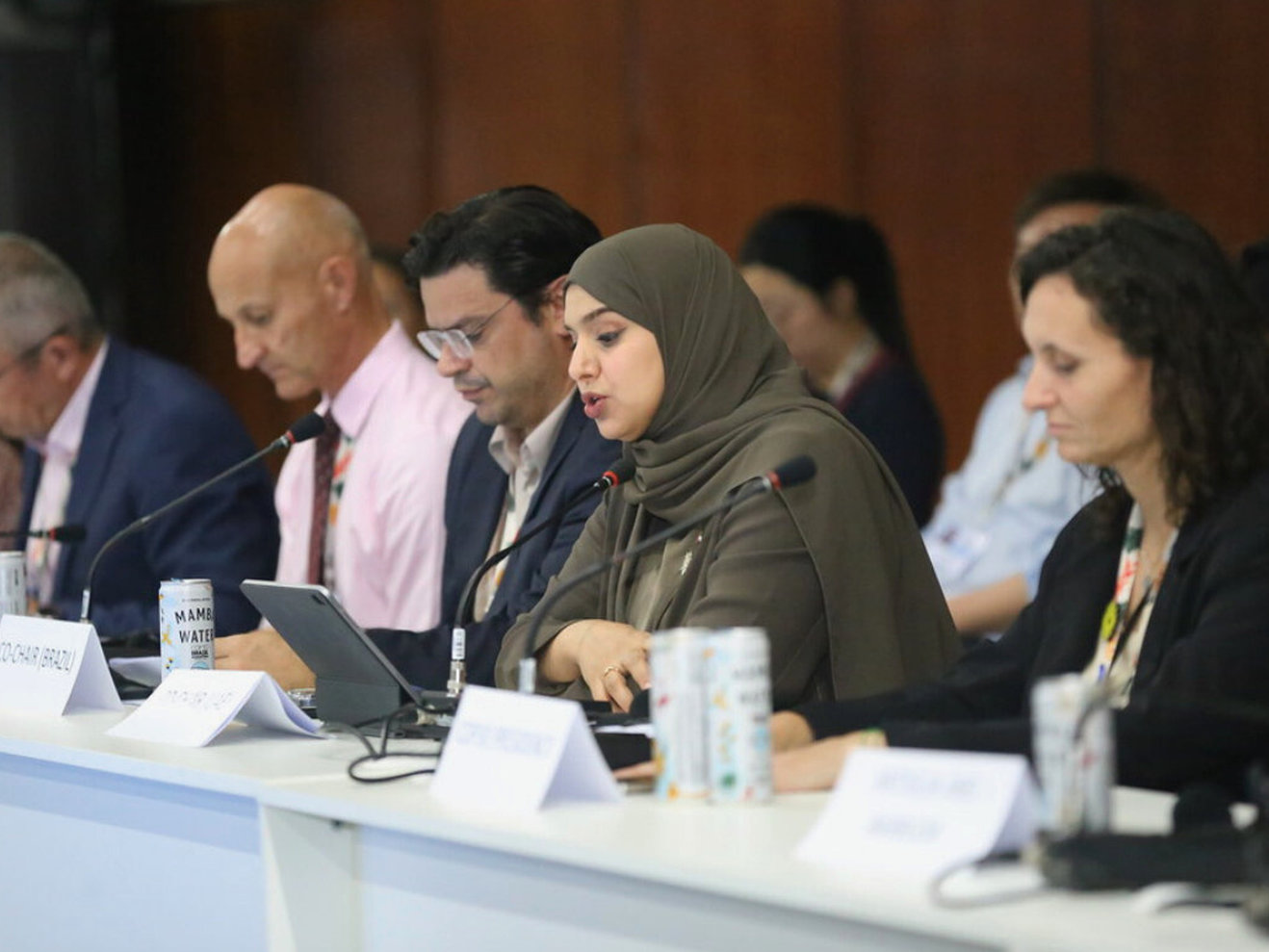
Throughout COP30, Professor Maidment chaired events in the UK Pavilion and the Buildings and Cooling Pavilion, spoke on panels in the Singapore, UNEP and Solar Alliance Pavilions, and co-moderated the Ministerial Intergovernmental Committee for Cooling (IGCC). He also presented a high-level statement for the International Institute of Refrigeration and attended the launch of the Global Cooling Watch report, which referenced LSBU’s TICR project (Transport, Industrial and Commercial Refrigeration), led by Dr Catarina Marques.
“COP is intense and fast-paced, but it’s an incredible opportunity to connect with global leaders, share ideas and showcase LSBU’s research impact. I was privileged and honoured to be there to represent others including my amazing colleagues from LSBU. This can lead to partnerships and strengthen our reputation internationally,” he added.
Real-world solutions for climate change
Participation in COP30 reinforces LSBU’s commitment to real-world solutions for climate change and provides tangible evidence of research impact for the Research Excellence Framework (REF). LSBU’s role in shaping the Global Cooling Pledge and contributing to global climate strategies highlights the University’s leadership in sustainable cooling and refrigeration — areas critical to achieving net zero.
“Our involvement at COP30 demonstrates LSBU’s ability to influence policy and deliver research that matters. It’s about reputation, collaboration and impact – and we’re proud to be part of the global conversation on climate action,” Professor Maidment concluded.
Next year's COP31 is in Turkey, where LSBU plans to continue playing a key role in advancing sustainable cooling solutions worldwide.