
From Christmas trees to construction: LSBU’s role in turning waste into opportunity
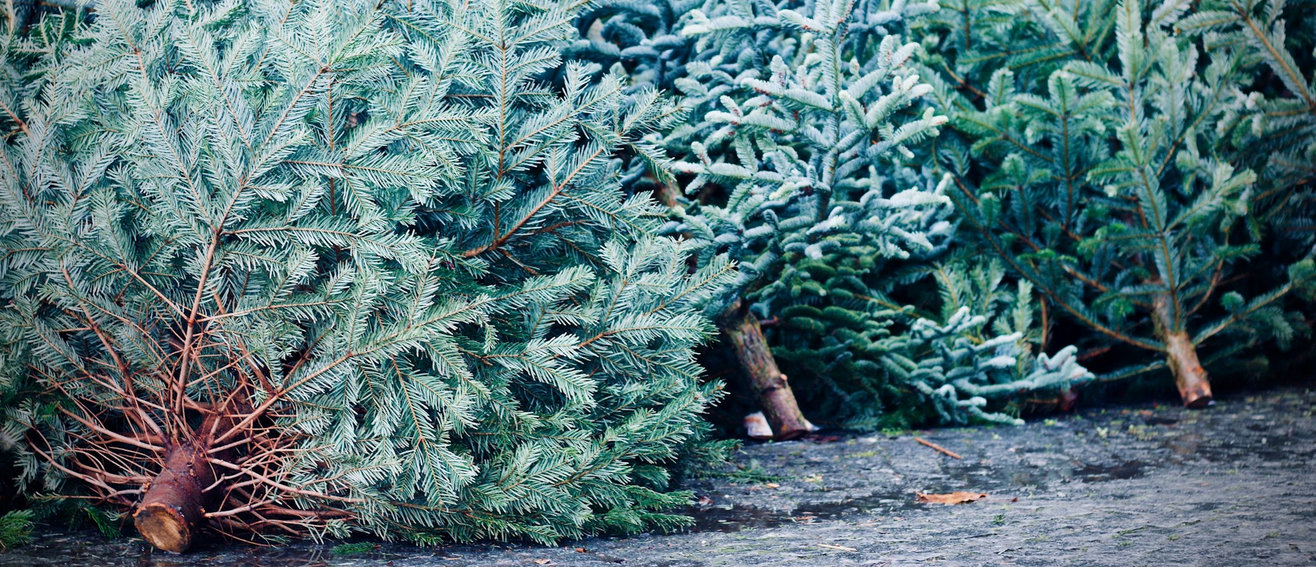
As the festive season ends and real Christmas trees pile up for collection, one South London business sees more than waste. ORNA is pioneering a way to transform discarded trees into sustainable construction materials, and London South Bank University has been instrumental in making that vision a reality.
How a seasonal business sparked a sustainable innovation
ORNA was born out of founder Hugo Knox’s seasonal Christmas tree delivery business. Witnessing thousands of trees discarded after the holidays sparked an idea: could this overlooked waste stream become something valuable? That question set ORNA on a path to develop patent-pending processes that transform tree waste into sustainable construction materials.
Today, the company is creating circular construction materials from needles and woodchips, products that not only reduce landfill waste but also offer a homegrown alternative to imported timber. With over 300 British Christmas tree farms and millions of trees discarded each January, the potential feedstock is significant.
ORNA’s approach not only diverts waste from landfill but also reduces emissions and creates a circular solution for the built environment. It’s a bold response to two challenges: the surge of seasonal tree waste and the UK’s reliance on imported timber.
LSBU support: expertise, testing and connections
Since taking part in LSBU’s Circular Economy programme (delivered via the BIG South London initiative), ORNA has worked closely with the University on developing its products.
LSBU academics, including Dr Olubisi Ige, Senior Lecturer in Construction Project Management, have supported material testing and guided ORNA through regulatory considerations; essential steps for any new construction product.
Dr Ige said: “Working with ORNA has been an exciting challenge. The core innovation, if successfully implemented will achieve a critical environmental breakthrough by intercepting the waste that would otherwise be landfilled, turning a liability into a stable supply chain input. Testing these novel materials and exploring their potential for sustainable construction is exactly the kind of innovation we want to see in the sector.”
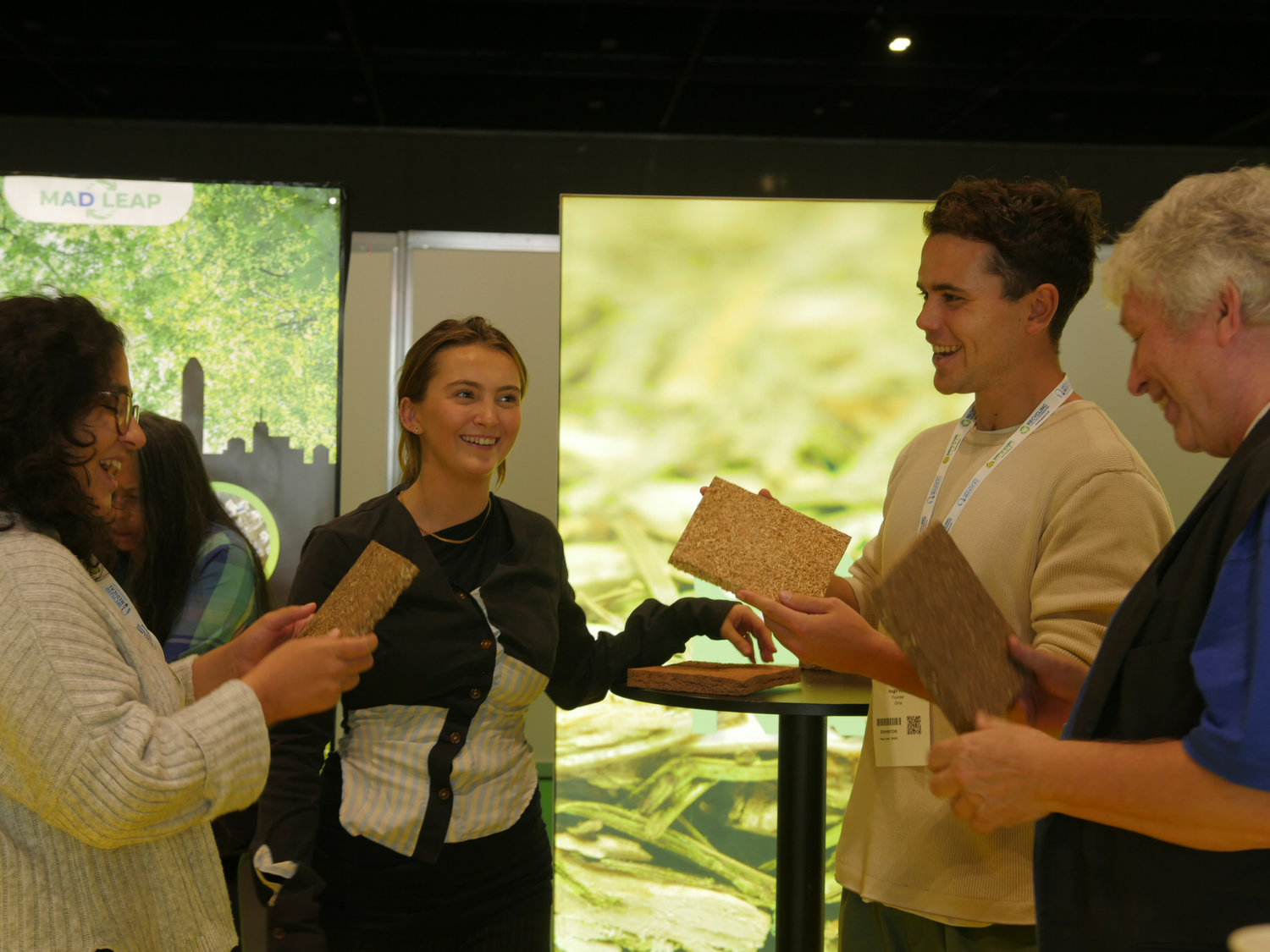
Founder Hugo (pictured above, third from left) described the experience as transformative: “LSBU staff have been brilliant, super helpful and supportive. They understood the challenge and ambition of a business in its infancy,” he added.
Alongside technical input, LSBU helped refine ORNA’s production process and introduced the team to local authorities, sustainability bodies and sector experts. Those connections have saved time and built credibility at a critical stage. Southwark Council has also been part of the journey, providing grant support and linking ORNA to local networks, an example of how partnerships can accelerate innovation.
Looking ahead, ORNA is applying for a grant in collaboration with LSBU to accelerate testing and scale-up, with a decision expected in February. Success would mark another milestone in a story that began with festive waste and now points to a greener future for construction.
Hugo is clear about the ambition: to become the leading innovator in repurposing Christmas tree waste, then expand into other overlooked waste streams. “We’re tackling a big problem and encouraging people to reimagine what waste could be,” he said.
As ORNA moves toward patent approval and commercial rollout, LSBU will continue to provide expertise and connections, helping ensure that trees once destined for January waste collections can find a second life as part of tomorrow’s buildings.