
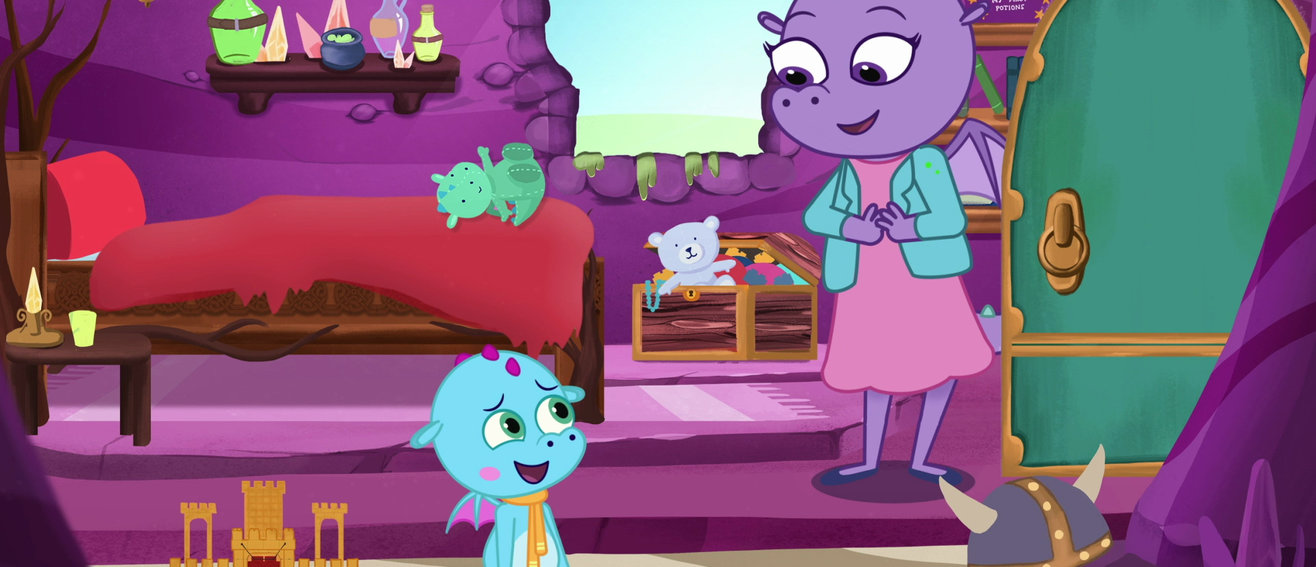
Digital early intervention could help children avoid specialist mental health support
A major new study by London South Bank University (LSBU) has found that a digital programme for young children can move them from clinically concerning mental health scores to below the threshold for CAMHS referral — suggesting early digital tools could help families before difficulties escalate to specialist services.
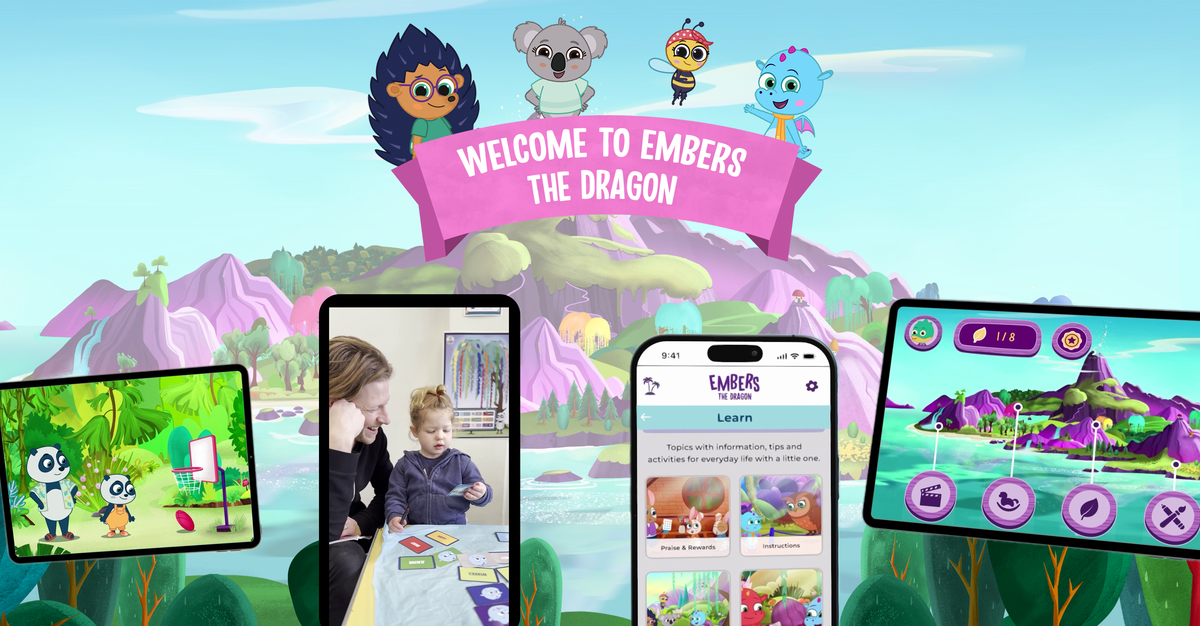
The independent EMERGENT trial, funded by the National Institute for Health and Care Research (NIHR), evaluated Embers the Dragon, a digital programme designed to teach emotional literacy to children aged four to seven.
More than 456 families took part in the 24‑week study during 2024 and 2025, making it one of the largest independent evaluations of a digital early‑years mental‑health intervention in the UK.
It has been published in Frontiers in Psychology, an open access peer-reviewed journal covering research across the psychological sciences.
Meaningful reductions in children’s emotional and behavioural difficulties
The Embers programme features a variety of accessible mental health tools, suitable for young children and those that care and support them. The tools include an app, with activities to work through, and an animation series featuring the voices of Jo Brand, Zoë Wanamaker, Penelope Wilton, Giovanna Fletcher and more.
Families were randomly assigned either to use Embers or continue without it. LSBU researchers monitored children’s emotional and behavioural wellbeing at eight‑week intervals using the widely recognised Strengths and Difficulties Questionnaire (SDQ), alongside measures of parental confidence.
Parents using Embers reported significant improvements in their children’s emotional and behavioural regulation over the course of the study, with progress exceeding that seen in the comparison group.
Many Child and Adolescent Mental Health Services (CAMHS) use the SDQ as part of their referral process.
LSBU's Professor Dan Frings, who co-led the EMERGENT trial, noted: “In this trial, children using Embers, on average, moved from scores considered clinically concerning to levels no longer requiring a CAMHS referral, suggesting that accessible early digital support could help families before difficulties escalate.”
Trial co-leader Professor Paula Reavey added: “Our findings show that early digital support can make a meaningful difference for families before challenges reach crisis point. What’s striking is that we saw improvements not just in children’s emotional and behavioural scores, but also in parents’ confidence and their ability to navigate difficult moments together. By providing families with accessible tools earlier, it can help reduce the pressure on specialist services like CAMHS while supporting children’s wellbeing in everyday life.”
A shared emotional space for families
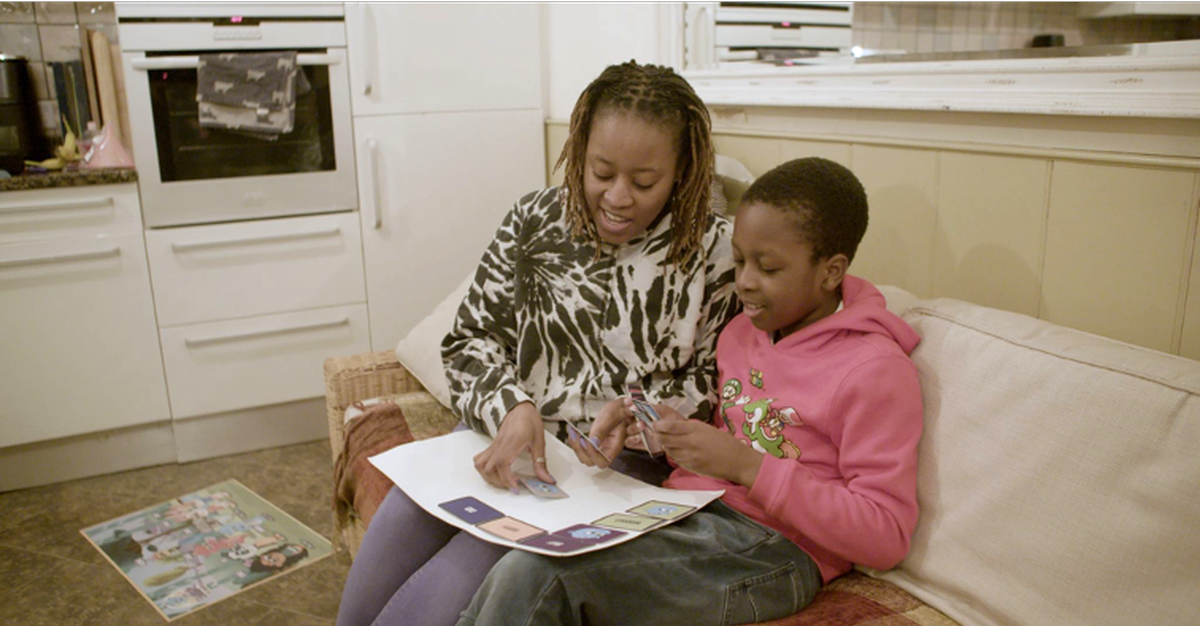
One of the strongest findings from LSBU’s research was the programme’s role in encouraging meaningful parent–child interaction. Parents did not see Embers as “screen time”, but as a shared emotional experience that helped them reflect, talk about feelings and bond with their children.
Very few digital mental‑health tools include interactive activities designed for both parents and children. Embers’ unique relational approach, blending storytelling, games, expert advice and emotional‑literacy activities, was often described by parents as “special time” and a source of support during everyday challenges.
One parent who took part in the study said: “It makes me think of things from a different point of view, looking at how [my children] react and I think ‘well yes, I could try that myself’, so it helps me mentally to realise what is happening...to calm situations in our home…[and] stay more calm and patient.”
High likelihood of better outcomes at lower cost
LSBU’s health‑economic analysis showed that Embers is a cost-effective intervention delivering better outcomes at a lower cost than typical support routes such as GP or school‑based services.
Families who received Embers incurred average out‑of‑pocket costs of £272, significantly lower than the £392 faced by families accessing standard care. These costs can include lost income from taking time off work to support children or expenses such as taxi fares to medical appointments.
The analysis suggests that investing in early, targeted interventions like Embers has the potential to reduce wider costs linked to healthcare use, social services involvement and parental spending on support for their child’s wellbeing.
Taken together, the findings indicate that early digital emotional‑literacy tools could help ease pressure on overstretched public services by supporting families sooner and preventing needs from escalating.
Emma Taylor, Co-Founder and Chief Clinical Officer in the Embers the Dragon team, said: “LSBU’s independent evaluation has given us invaluable insight into how families use Embers in real life and where early digital support can make the biggest difference. We’re grateful for LSBU’s rigorous approach, which has strengthened the evidence base behind Embers and will help shape its future development.”
Joanna Smart, Programme Director of the NIHR Invention for Innovation Programme, added: "This NIHR-funded evaluation provides a compelling example of the potential for digital tools to support young children as they face mental health challenges. We are pleased to see such encouraging findings, which demonstrate how accessible, evidence-based tools can deliver tangible benefits for families, while helping to reduce the pressure on our specialist services.”
Read the published paper here: An online randomised controlled trial to evaluate the effectiveness of an online intervention for parents/guardians of children aged 4-7 years old who are concerned about their children’s emotional and behavioural development: EMERGENT study.