

Biomedical Imaging, Monitoring and Treatment Research Group
Founded in January 2011 at London South Bank University (LSBU), targets to be a globally acknowledged interdisciplinary research centre of excellence.- On 10-13/10/2022 Dr Sevan Harput (Program Chair) and Dr Enrico Grisan (General Chair) are co-organizing the IEEE International Ultrasounics Symposium (IUS 2022).
- On 11-13/10/2022 Hossam H Sultan (PhD student) and Dr Sevan Harput are presenting at the IEEE International Ultrasounics Symposium (IUS 2022).
- On 08-09/09/2022 Hossam H Sultan (PhD student), Valentina Vadori (PhD student), Dr Michael Berthaume, and Prof Perry Xiao are presenting at the BioMedEng22.
The Biomedical Imaging, Monitoring and Treatment Research Group (former SABER), founded in January 2011 at London South Bank University (LSBU), is a growing hub for multidisciplinary research, involving collaborations with all schools at LSBU, international universities and research centres. As an interdisciplinary research centre, South Bank Applied BioEngineering Research provides advanced research and training in a wide range of areas including: Microwave Imaging, Ultrasound Imaging, PET/CT Imaging, Skin Imaging, Wearable Technologies and AI for Image and Signal Analysis.
Did you know? Bioengineering is a highly interdisciplinary field, at the interface of technology, engineering, biology and healthcare. Its main goals are improving the understanding of biological systems and developing technologies, models as well as diagnostic, therapeutic and rehabilitation devices.

The Biomedical Imaging, Monitoring and Treatment Research Group is led by Dr Sevan Harput.
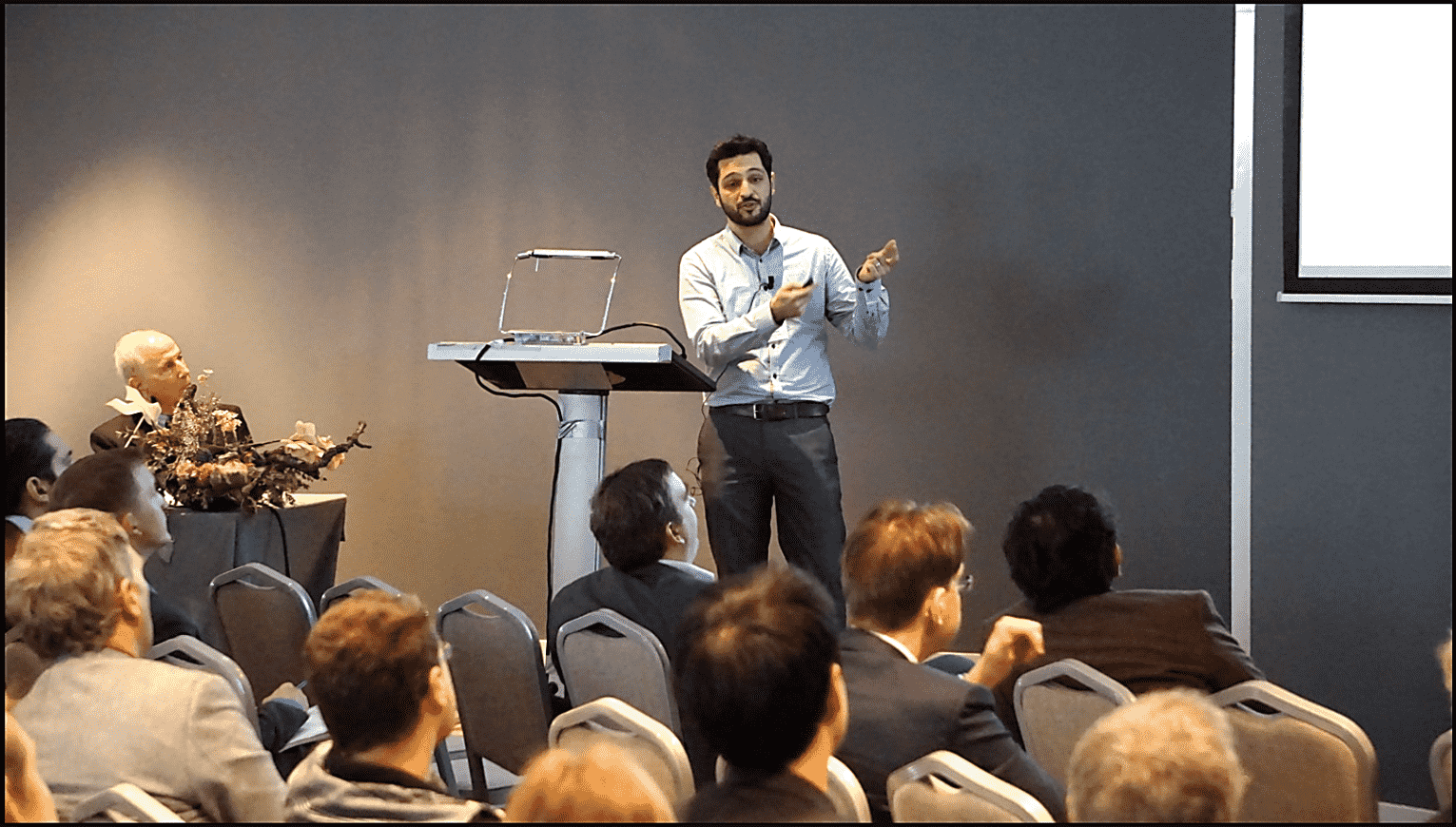
Sevan Harput is an Associate Professor in the division of Electrical and Electronic Engineering. Before joining LSBU, Sevan worked at Imperial College London (postdoctoral researcher), King’s College London (visiting researcher) and University of Leeds (research fellow).
His research expertise are in high frame-rate ultrasound imaging, super-resolution imaging, ultrasound contrast agents, signal processing for biomedical imaging, nonlinear acoustics, ultrasound sensor modeling, and biomedical device development. In addition to his academic work, he has been providing technical consultancy for SMEs and start-ups for over 10 years. He worked as an Associate Editor (2018-2022) for the IEEE T-UFFC. He has presented his research in several invited talks and seminars, including the STEM for Britain at the UK parliament.
Our Mission & Values
- to preform internationally leading research in bioengineering;
- to deliver excellence, professionalism, integrity, inclusivity and creativity in bioengineering research, as explained by our EPIIC values;
- to facilitate the development of colleagues and early career researchers (ECR);
- to respond to the changing research landscape;
- to promote training and innovation;
- to enhance PhD cohort;
- to contribute to teaching and education at every level (BSc, BEng, MSc, MEng, MRes); and
- to promote industrial engagement.

Join us for work or study! Use our facilities! Get consultancy!

Contact us and follow us about:
Working with us, using our facilities, geting consultancy service, collaborating on big projects, joining as a PhD or postdoctoral researcher, becoming an associate member, or learning about new opportunities.
Did you know? You might be able to use our facilities for free or collaborate on projects while your expenses are paid. Contact us to find out more about Knowledge Transfer Partnerships (KTP), Innovate UK grants and other opportunities.

Research
UWB imaging (breast, brain and skin cancer), ultrasound imaging (overall human body including bone and microvascular imaging), PET/CT imaging, infrared and electronic sensing technologies for skin measurements, wireless sensor networks for biomedical applications, indoor radar and artificial intelligence for image and signal analysis.

Our flagship projects:
| Funder | Duration |
|---|---|
| EPSRC | 2022 – 2025 |

Chewing efficiency, i.e. the ability to break foods down into smaller pieces, is directly linked to nutritional intake, physical well-being, and quality of life. Health conditions can lead to muscle weakness, and as a consequence many individuals experience reduced chewing efficiency. Two such groups include individuals who have experienced a long-term eating disorder and individuals with dementia. At the moment, chewing efficiency is overlooked by the healthcare services, with no long-term treatment plans to help prevent or improve deterioration. As a consequence, preventable premature deterioration is leading to significant negative impacts. Individuals are experiencing decreased physical and psychological well-being linked to shorter lifespan, decreased quality of life, and social isolation. Their loved ones also experience significant physical and mental stress. Service users in these groups report feeling forgotten and overlooked by the healthcare service. We propose a solution to help address this. Our novel system will provide users with a simple, accessible, non-invasive solution to remotely measure their chewing efficiency from the comfort of their own home.
| Funder | Duration |
|---|---|
| Leverhulme Trust | 2022 – 2025 |
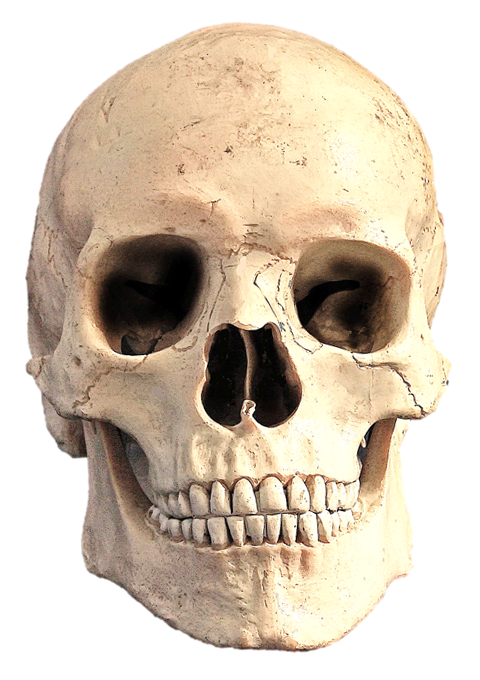
The mammal skull performs numerous critical functions, from prey capture and feeding to protecting the brain to fighting. These functions impose enormous pressures which are buffered by the skull’s shock absorbers: cranial sutures. These highly variable joints between skull bones are intimately linked with ecology and development, but their complex 3D anatomy makes them tricky to capture. As a result, we know almost nothing about their evolution. Bridging imaging, machine learning, cranial function and evolution, this project will reconstruct suture evolution and its role in one of the most important events in the history of life: the rise of mammals.
| Funder / Programme | Duration |
|---|---|
| Innovate UK (10004690) | 2021 – 2024 |
HAWKSBI focuses on existing power grid monitoring technologies that are unable to provide the precision and timeliness required to effectively manage and support increased adoption of renewable energy. Solar generation can cause numerous unwanted grid effects including voltage fluctuations and low-fault currents, whilst wind generation can cause oscillation and voltage issues for the broader electricity grid. Additionally, next-generation heating, ventilation, and air-conditioning systems and electric-vehicle charging, introduce electrical load demands which differ considerably from those that legacy controls were designed to manage. With legacy systems, energy producers and grid operators are resigned to act after the fact, unable to respond to grid fluctuations in time or to predict pending inverter, transformer, switchgear, and cabling failures.
| Funder / Programme | Duration |
|---|---|
| H2020 – MSCA-RISE (872752) | 2020 – 2025 |
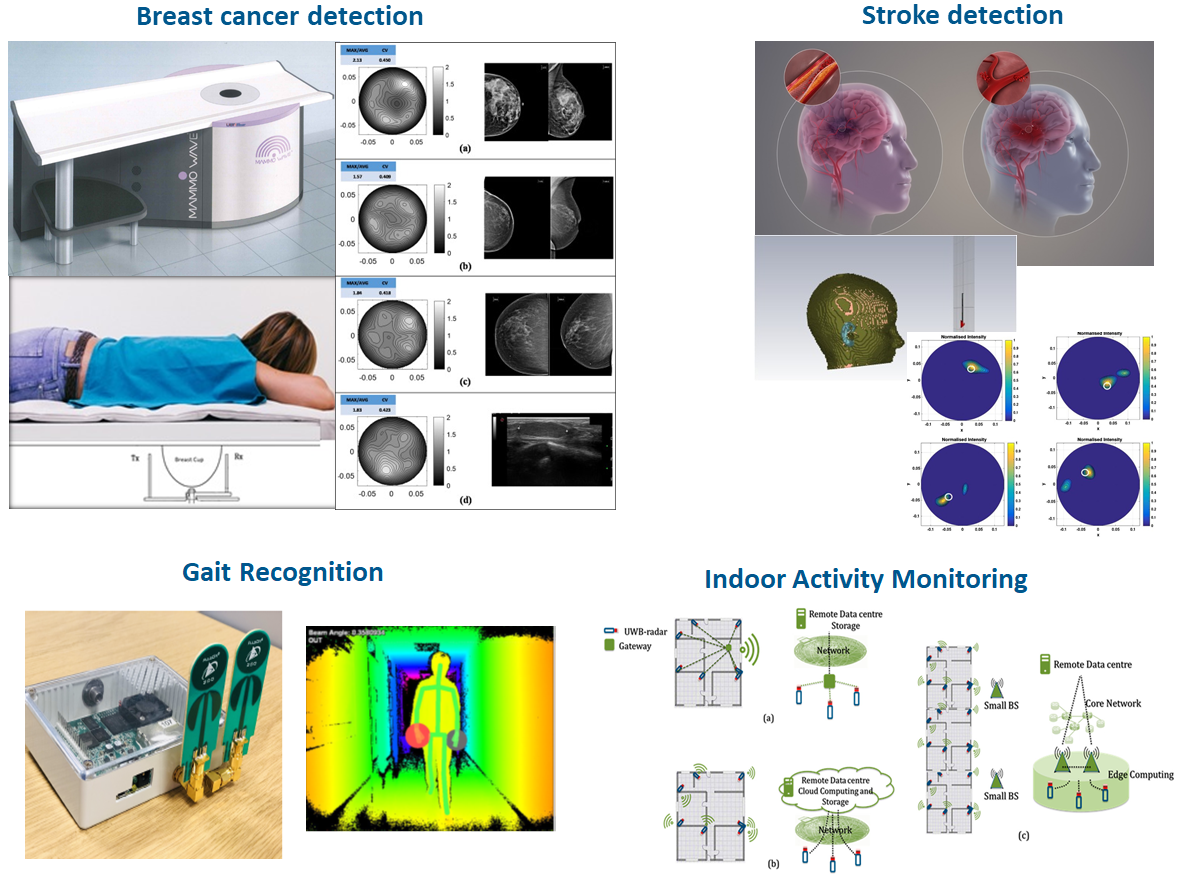
The ROVER is seeking to develop novel solutions and procedures for international adaptation of complex non-invasive on-body and in-body wireless systems for healthcare devices. It enables a natural route from profound basic research to health-related applications facilitating the commercialization of wireless technology innovations for international markets. The ROVER is capable of contributing to all levels of the Research, Development and Innovation (RDI) process of new end-to-end approaches. The system architecture that the team envisions as the ultimate outcome of the four-year project is increasingly seamless, dependable, energy-efficient and secure. Our team is also capable to take into account all the features coming from 5G health vertical roadmap due to the existing research activities we have. The system architecture to be developed relies on pivotal expertise in multidisciplinary areas of engineering, physics, medicine, computer science and product development. The end to end ROVER architecture described implements non-ionizing diagnostics and monitoring augmented by secure data transfer at all levels with medicinal involvement does not currently exist. Individual as well as pivotal collaborative research and innovations are required to create user-required backward compatible systems beyond state-of-the-art.
| Funder | Duration |
|---|---|
| Royal Society | 2021 – 2023 |
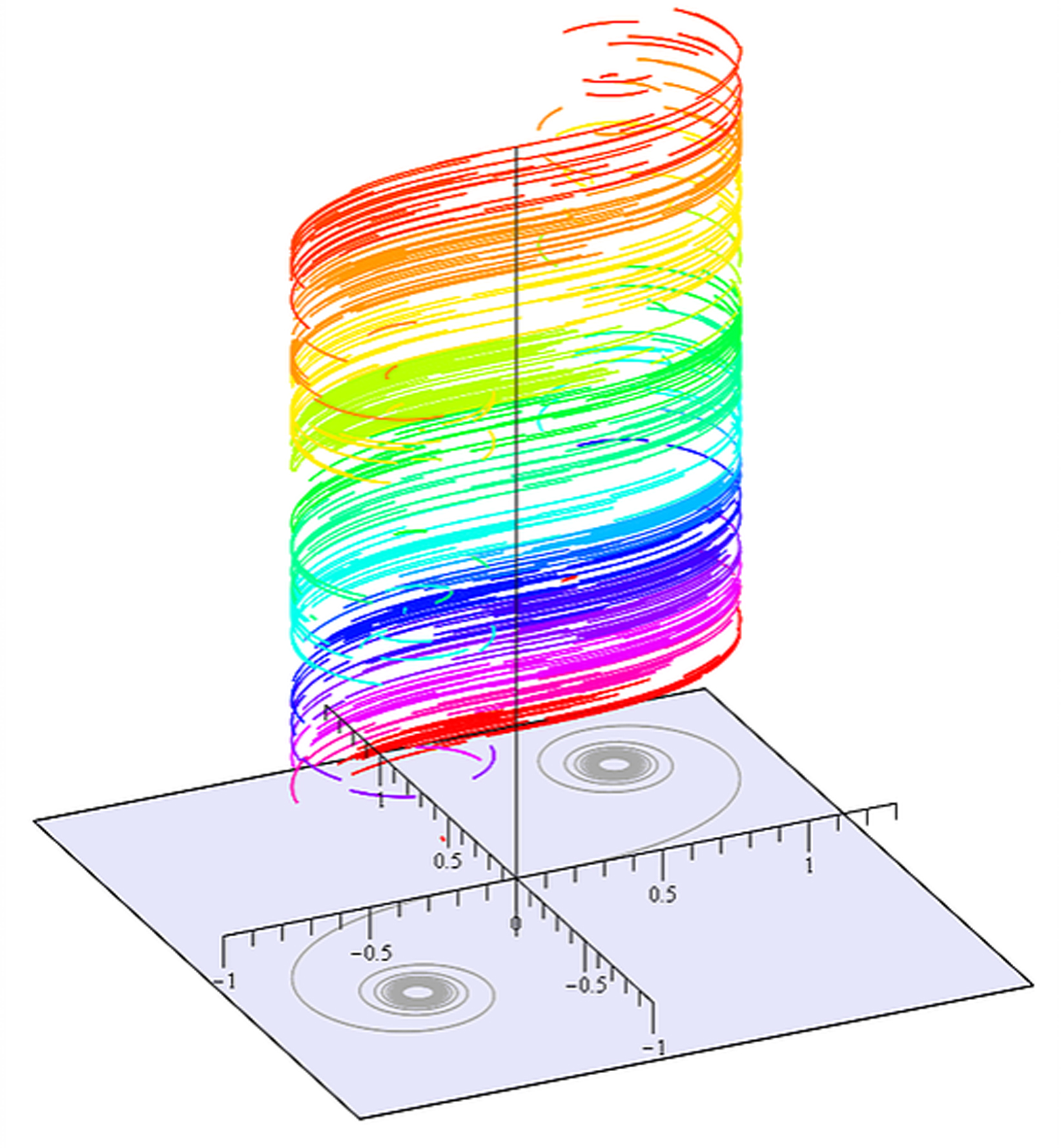
Most mammals have whiskers - specialised touch-sensitive hairs that guide navigation, locomotion and foraging. Across mammals, whisker numbers, arrangements, shapes and lengths are diverse, and we do not really understand why this is. Differences in whisker shape are likely to affect the mechanics of the whisker, and hence the sensations within the follicle. It is these sensations within the follicle that are used by the brain to identify what the whiskers have contacted and where it is. While these sensations are really important for whisker touch sensing and neural coding, we do not truly understand how whisker shape might affect whisker mechanics, and hence, the resulting whisker sensations. Our project will explore the effect of whisker shape on whisker mechanics using novel mathematical algorithms. We will also test our theories of whisker shape and positioning on robot platforms and in behaving animals. Therefore, we will make recommendations for tactile robot sensor design and control. This has applications for robotic exploration in environments where visual information is either unreliable or restricted, such as may arise in marine archaeology, environmental monitoring, and search and rescue operations. We will also be working with zoos and aquaria to develop sensory enrichment devices that encourage natural whisker positioning and movements in captive mammalian species. Therefore, while this project will improve our understanding of mammalian sensory biology, it will also develop novel mathematical algorithms and help inform robotic sensor design and sensory enrichment protocols in captive mammals.
It is a continuation of the multidisciplinary project, MMEAW, lying at the interface between structural engineering, robotics and comparative animal physiology. It aims to extend our understanding and knowledge of how whiskers are adapted to their function and apply that understanding to applications in engineering.
The rat's Euler whiskers. The Science Breaker (2020)
Whisker sensing by force and moment measurements at the whisker base. Soft Robotics (2022)
Full list of projects:
- (2023 - 2027) HORIZON-MISS-2021-CANCER-02 (101097079): Innovative and safe microwave-based imaging technology to make breast cancer screening more accurate, inclusive and female-friendly
- (2023 - 2024) Royal Society: Bioinspired Grippers for gentle handling and effective manipulation.
- (2022 - 2025) Leverhulme Trust: Evolution's edge: How sutures shaped the diversification of the mammal skull.
- (2022 - 2025) National Nuclear Laboratory (NNL), UK: Joint PhD studentship on Ultrasonic Testing and Data Analysis for Nuclear Industry.
- (2022 - 2025) EPSRC: Guiding treatment for individuals with eating disorders and dementia using masticatory efficiency.
- (2022 - 2024) EPSRC NetworkPlus: A green, connected and prosperous Britain.
- (2022 - 2023) IOP: Physics Based Digital Technology Hands-on Programme.
- (2022 - 2024) Royal Society: Biomechanics of polymorphic mandibles in understudied Taiwanese stag beetles.
- (2022) TIDAL N+ feasibility funding: An affordable and flexible prosthetic socket
- (2022) British Council: Meeting the Challenges of Providing Therapeutic Footwear for People with Diabetes Mellitus.
- (2022) Greater London Authority: Net Zero Futures.
- (2021 - 2024) Innovate UK (10004690): High-resolution, Acquisition, Waveform, Kontinuous and Synchronous Big-data Instrument (HAWKSBI) device development for improving renewable energy and power grid efficiency.
- (2021 - 2023) Royal Society: Evolutionary noise in biomechanical data: what does it look like?
- (2021 - 2023) Royal Society: MMMMammalWhiskers: Morphology, Mechanics and Movement of Mammalian Whiskers.
- (2021) NHS England: HSC_AI Lab Award Evaluation NHSX.
- (2021) General Electric Healthcare: Stats and Machine Learning Services in Support of Predictive Diagnosis Projects.
- (2020 - 2025) H2020- MSCA-RISE (872752): Reliable Technologies and Models for Verified Wireless Body-Centric Transmission and Localization (ROVER).
- (2020 - 2023) Umbria Bioengineering Technologies (UBT), IT: Microwave Imaging for Diagnostic Applications.
- (2020-2022) Royal Society: Human Ear-inspired Ultrasonic Transducer (HEUT) with a Spiral-shaped Acoustic Lens for 3D Localization of Sparse Scatterers.
- (2020) Innovate UK: Provision of Innovative Flexible Prosthetic Devices to Limb-Difference Patients in Sri Lanka.
- (2018-2020) H2020-MSCA-IF (793449): UWB Wearable Apparatus for Bone Fracture Imaging and Recovery Monitoring.
- (2018-2020) Innovate UK KTP (511183): SENSE Smart Ear protectioN in noiSy Environments (Eartex Limited).
- (2018-2019) Innovate UK (133283): Intelligent ear protection to address occupational hearing loss for use in heavy industry.
- (2017-2020) EPSRC (EP/P030203/1): Modelling the MEchanics of Animal Whiskers (MMEAW).
- (2016-2018) Innovate UK (101392): Sub-Surface Produce Imager Utilising microwave Technologies.
- (2014-2017) EPSRC/TSB (EP/M506734/1): Energy Management and Analysis Exploiting Existing Building Management Systems Infrastructure and Data.
- (2012-2017) EPSRC (EP/K002473/1): Energy Efficiency in Buildings programme: DANCER (Digital Agent Networking for Customer Energy Reduction).
- Skin Bioengineering projects: Continuous Mean Arterial Pressure (cMAP), measurements, epiTherm Ltd, UK, Mobile skin measurement device, Biox Systems Ltd, UK, Digital spiky neuron network, Silicon Thoughts, UK, Capacitive skin imaging, Biox Systems Ltd, UK.
Our aim is to create a long-term positive change that benefits the society, the economy and the environment.
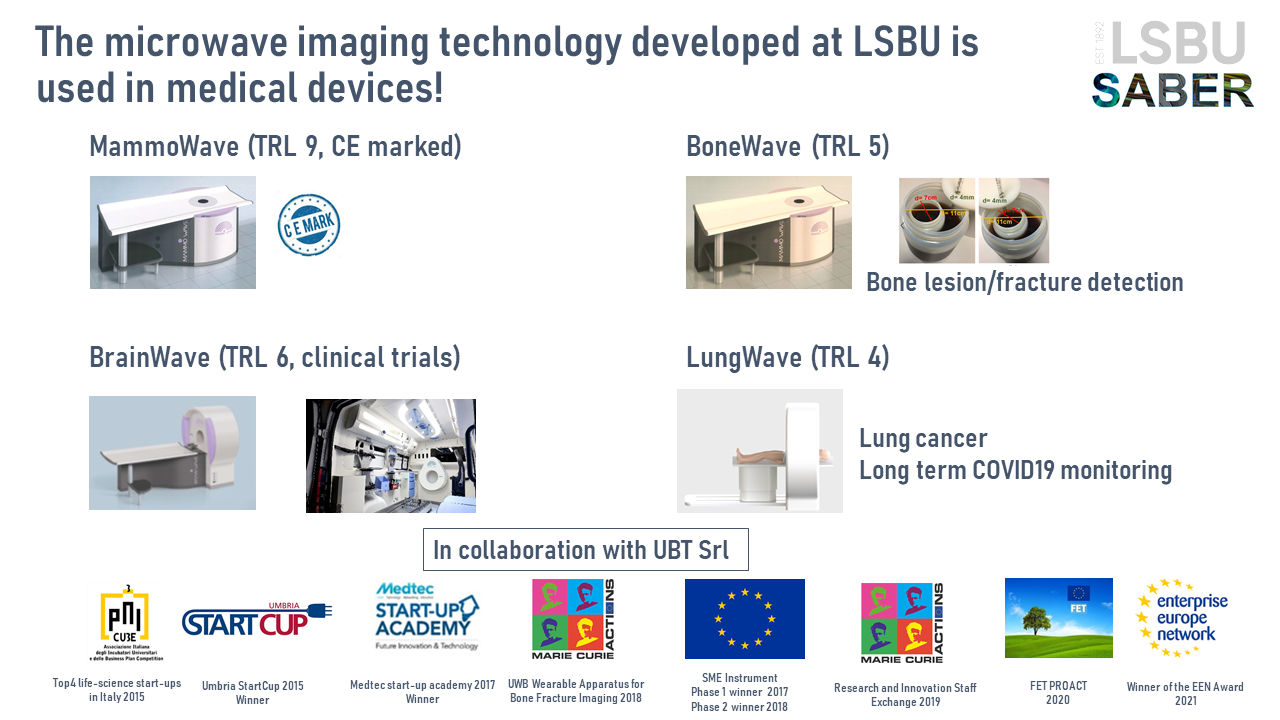
To achieve real world impact, our members leverage their high-quality academic research by actively collaborating with national and international institutions and industrial partners. These collaborative activities have led to over 5 million pounds of funding, research visits, new partnerships and joint publications.
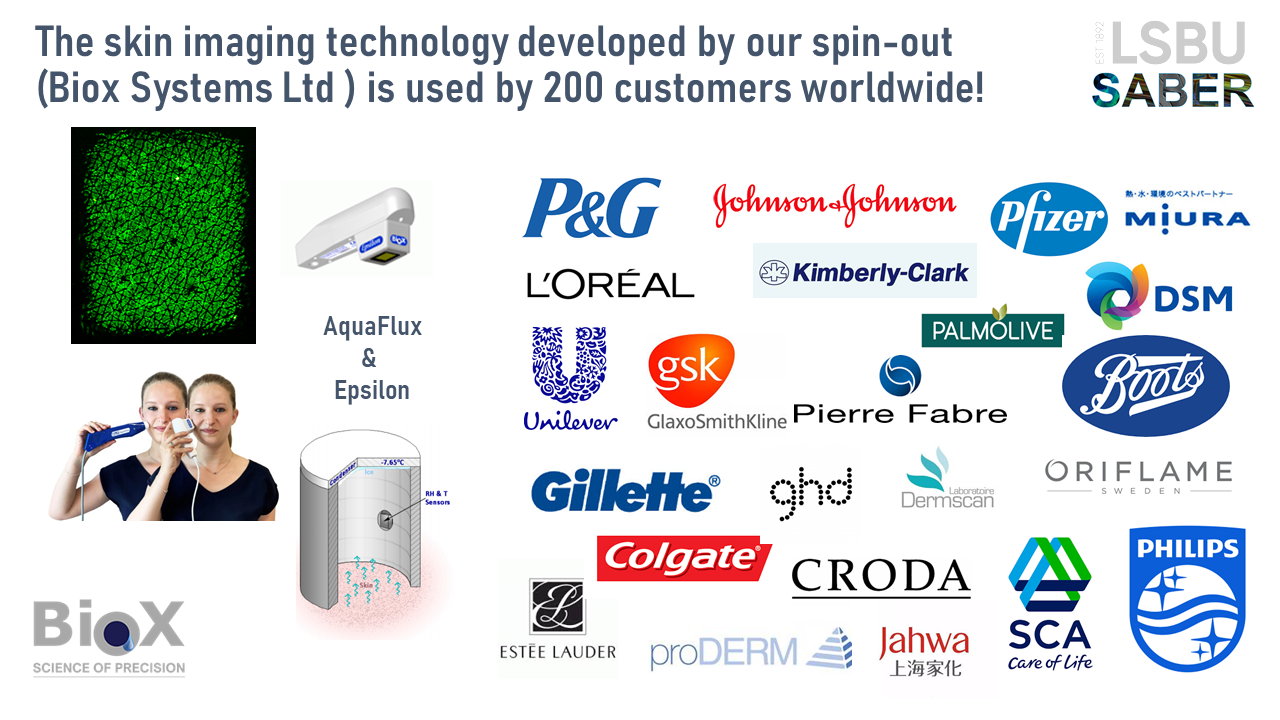
Within the last decade, our members involved in joint research projects that resulted in new technologies, real world products and world-leading research outputs in various areas of bioengineering.
Examples of our impact:
Publication Highlights:
Prof Sandra Dudley-McEvoy
L Hajderanj, D Chen, E Grisan, and S Dudley-McEvoy (2020). Single- and Multi-Distribution Dimensionality Reduction Approaches for a Better Data Structure Capturing. IEEE Access 8:207141. https://doi.org/10.1109/access.2020.3038460
Prof Mohammad Ghavami
B Khalid, B Khalesi, N Ghavami, L Sani, A Vispa, M Badia, S Dudley, M Ghavami, and G Tiberi (2022). 3D Huygens Principle Based Microwave Imaging Through MammoWave Device: Validation Through Phantoms. IEEE Access 10:106770. https://doi.org/10.1109/ACCESS.2022.3211957
Dr Enrico Grisan
L Squarcina, FM Villa, M Nobile, E Grisan, and P Brambilla (2021). Deep learning for the prediction of treatment response in depression. Journal of Affective Disorders 281:618. https://doi.org/10.1016/j.jad.2020.11.104
Dr Sevan Harput
S Harput, K Christensen-Jeffries, J Brown, Y Li, KJ Williams, AH Davies, RJ Eckersley, C Dunsby, and MX Tang (2018). Two-stage motion correction for super-resolution ultrasound imaging in human lower limb. IEEE transactions on ultrasonics, ferroelectrics, and frequency control 65:803. https://doi.org/10.1109/TUFFC.2018.2824846
Prof Perry Xiao
P Xiao (2018). Designing Embedded Systems and the Internet of Things (IoT) with the ARM mbed. John Wiley & Sons.
Dr Mehran Taghipour Gorjikolaie (Associate Member)
M Yazdani-Asrami, M Taghipour-Gorjikolaie, W Song, M Zhang, W Yuan (2020). Prediction of nonsinusoidal AC loss of superconducting tapes using artificial intelligence-based models. IEEE Access 8:207287. https://ieeexplore.ieee.org/abstract/document/9257413
Dr Gianluigi Tiberi (Associate Member)
DÁ Sánchez-Bayuela, N Ghavami, G Tiberi, et al. (2023). A multicentric, single arm, prospective, stratified clinical investigation to evaluate MammoWave’s ability in breast lesions detection. Plos one 18:e0288312. https://journals.plos.org/plosone/article?id=10.1371/journal.pone.0288312
Dr Michael A. Berthaume (Associate Member)
MA Berthaume, S Barnes, KK Athwal, and L Willinger (2020). Unique myological changes associated with ossified fabellae: a femorofabellar ligament and systematic review of the double-headed popliteus. PeerJ 8:e10028. https://doi.org/10.7717/peerj.10028
Dr Philip Howes (Associate Member)
A Suea-Ngam, PD Howes, and AJ deMello (2021). An amplification-free ultra-sensitive electrochemical CRISPR/Cas biosensor for drug-resistant bacteria detection. Chemical Science 12:12733.
Key facilities
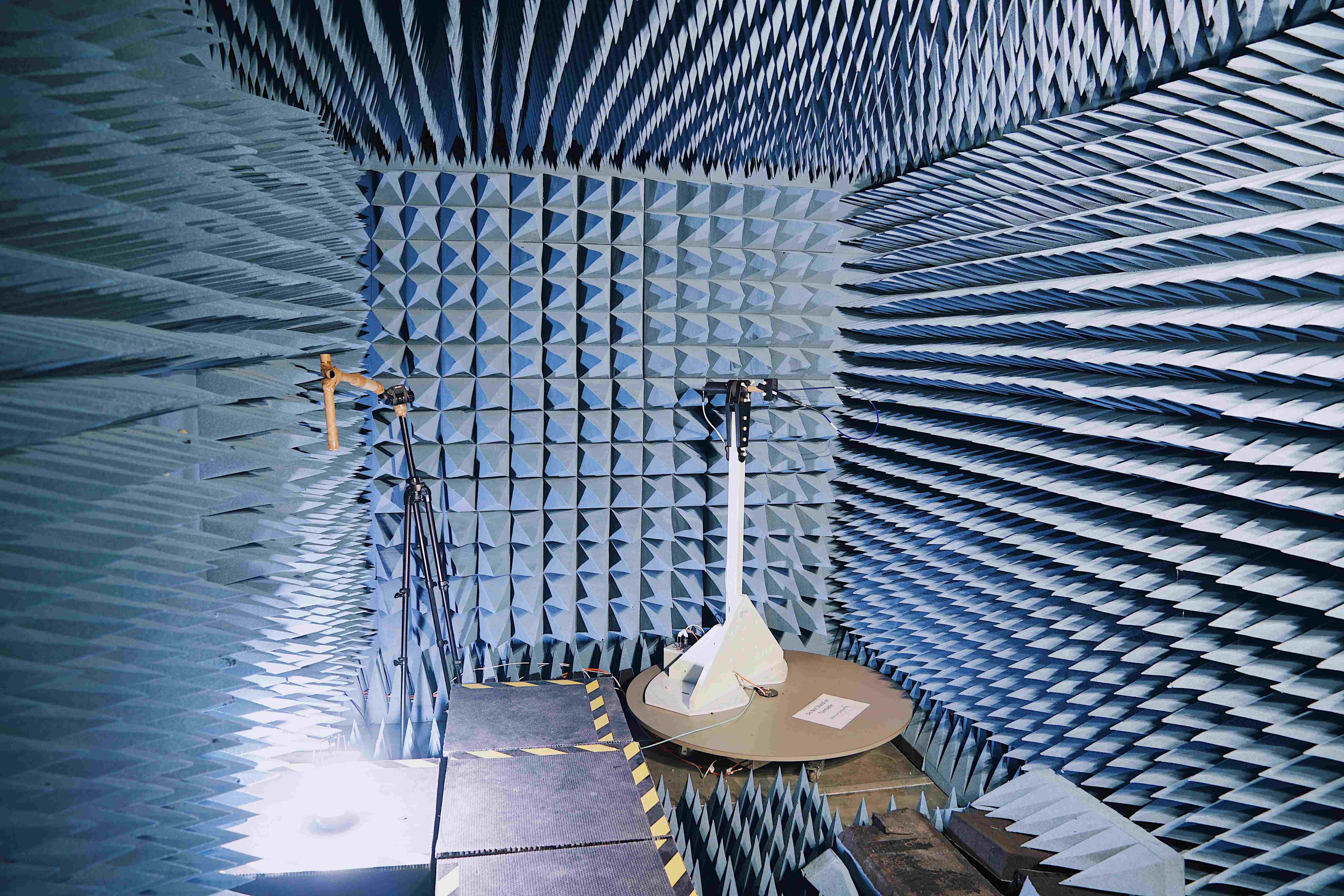
Microwaves: 40GHz Anechoic Chamber and Test Equipment
- A radio frequency (RF) anechoic chamber at LSBU is one of the finest in London. This can test devices radiation emission up to 40GHz alongside associated test equipment.
- There are also PCB production facilities for circuit design, probing stations for device characterisation and software enabling intensive circuit and antenna design, circuit simulations.
Skin Measurments: AquaFlux and Epsilon
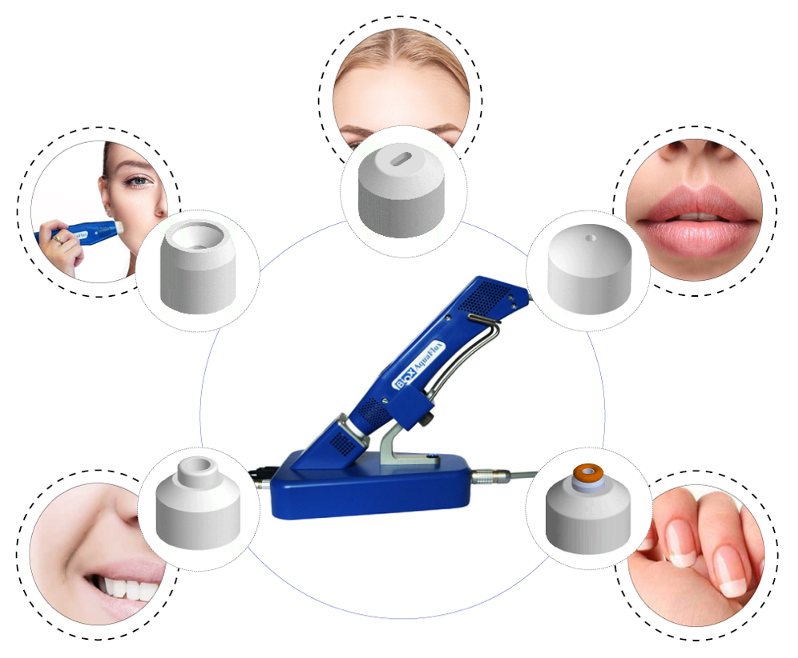
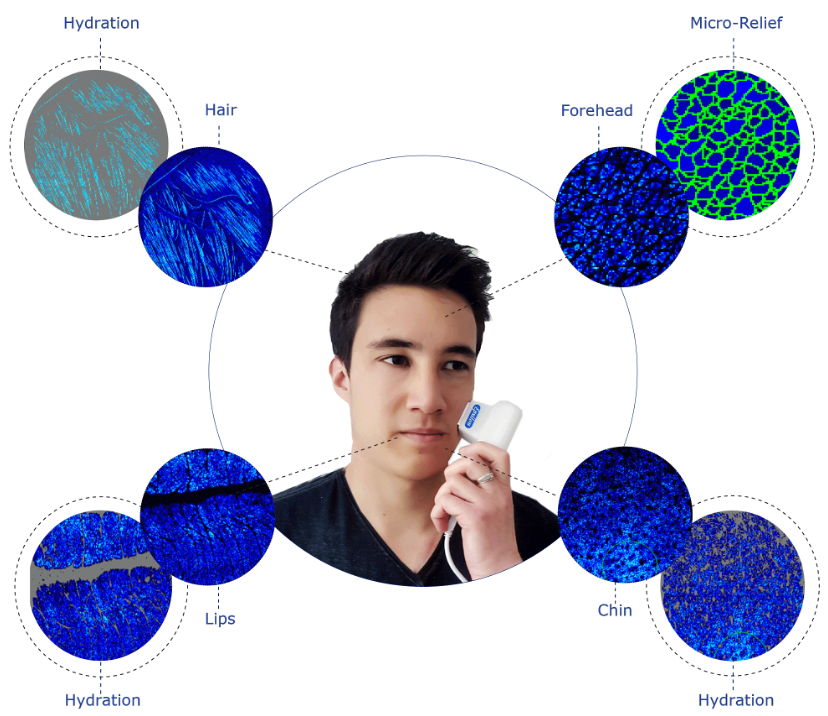
AquaFlux™ evaporimeter and the Epsilon™ contact imaging system are the state of the art skin measurement technologies that were originally developed at London South Bank University and later converted into commercial instruments through the university spin-out company - Biox Systems Ltd (www.bioxsystems.com). AquaFlux™ and the Epsilon™ measure quantities such as TEWL, SSWL, hydration, perspiration, membrane integrity, wrinkles & skin topology (micro-relief).
The Epsilon™ is a contact imaging system that responds to capacitance. Its proprietary technology maps the sensor’s non-linear response onto a linear scale with a capacitance range from air to water. Its calibration ensures that every pixel in the image provides a reproducible measurement that can be interpreted in terms of hydration.
The AquaFlux is a TEWL measurement device with a unique patented technology that overcomes challenges of the closed measurement chamber through a condenser that continuously removes water vapour by converting it to ice. AquaFlux out-performs all its competitors in terms of accuracy, sensitivity, repeatability, reproducibility and versatility (supported by numerous studies available).
High Speed Ultrasound System
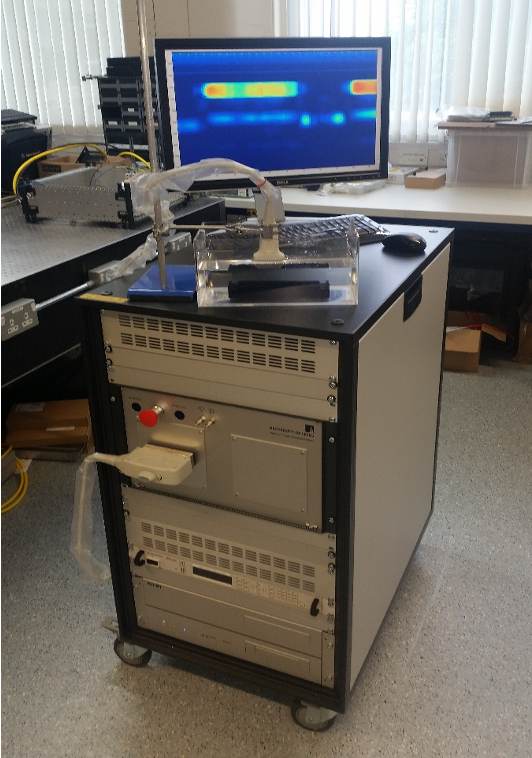
A next generation ultrasound imaging system is not available in the clinic yet. It is equivalent of a slow-motion camera that can capture more data than any commercially available ultrasound system. It can be used for medical and industrial applications. For example; high resolution imaging, cancer imaging, ultrasound treatment, bone imaging, pipeline inspection, flow measurements, defect detection in composite materials and several others.
UARP-II is a state-of-the-art ultrasound research imaging systems with 256 channels designed for fast acquisition times. It can acquire at a rate of 20,000 fps and has a data transfer rate of 64 GB/sec. Receiver front end has a capability of 80 MSPS with 12-Bit ADCs. Available with trigger inputs and output for synchronizing with other devices.
This equipment is the most advanced imaging system and it is currently used for following research projects: ultrasound bone characterisation, super-resolution ultrasound, microvascular imaging, ultrasound elastography, and blood flow measurements.
Ultrasound Pressure Calibration
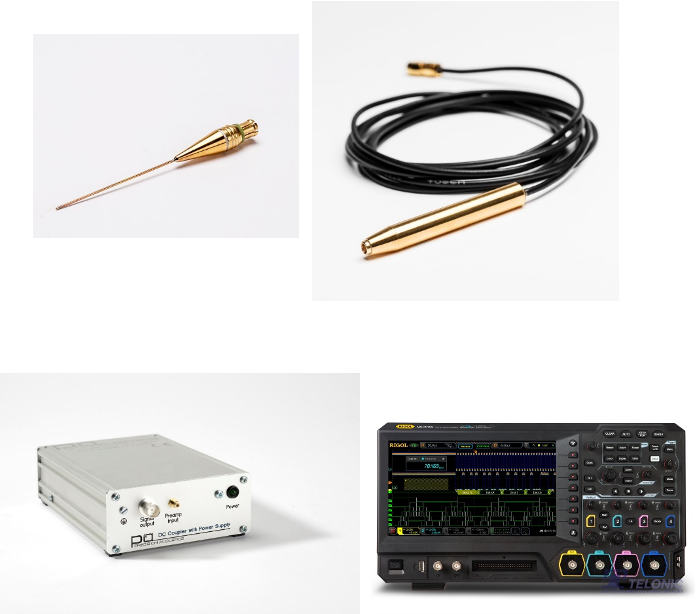
This is a specialised high precision ultrasound pressure calibration setup. It is equivalent of an underwater microphone. High-speed ultrasound system and the ultrasonic testing system are regularly calibrated using this setup. It can be used for medical and industrial applications. For example; measuring microbubble response, cavitation detection, testing liquid composition, calibrating ultrasound systems.
This calibration system consists of a needle hydrophone that can operate 1 – 25 MHz range. The sensor material is a 9 micron thick gold electroded Polyvinylidene fluoride (PVDF) film with a typical probe sensitivity of 55nV/Pa. It is mounted on a CNC system for scanning a full 3D ultrasound field.

Ultrasound Wave Simulations
3D ultrasound wave simulations require high processing power and memory. We have the required software and the necessary processing capabilities to successfully run models. This simulation environment can be used for medical and industrial applications. For example; designing a high strength bolt (by simulating ultrasound waves in a heavy duty bolts used in bridge construction see left bottom figure) or designing new ultrasonic sensors (by estimating the ultrasound pressure and the ultrasonic field).
The simulation environment uses Matlab and specialised C scripts to simulate ultrasound wave propagation in hard and soft materials. It can perform linear and non-linear wave propagation simulations by running Field II, K-wave or Simsonic tools. It can be used to estimate harmonic generation through nonlinear propagation and shock waves. Microbubble oscillations under ultrasound excitation can be simulated.
This high-end simulation environment is used for the 3D super-resolution ultrasound, ultrasound bone imaging and needle pressure sensor for compartment syndrome projects.
To discover more regarding ultransound research please visit Dr Sevan Harput's SPE3D (/speed/) Ultrasound Research Lab.
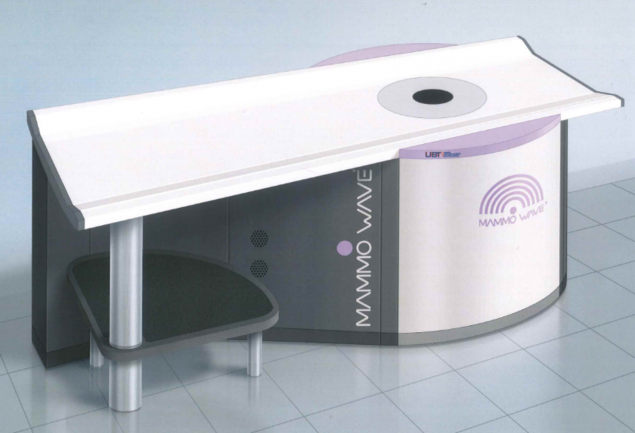
MammoWave Microwave Medical Imaging Apparatus
In 2019, SABER acquired a newly developed device by the UBT Tech Srl, called MammoWave which allows illumination of the breast using electromagnetic fields to measure the correspondent scattered electromagnetic fields and to process the measured field through a dedicated algorithm, obtaining the image of the breast and highlighting tissues inhomogeneties.
Additional Equipment
- Lasers and detectors:Er:YAG laser, Nd:YAG laser, OPO laser, He -Ne laser, Nitrogen laser, MCT detectors, laser energy monitor, optical tables/benches.
- Mechanical testing: nano-indenters, pressure sensors, stress-strain measurment.
- TimeDomain’s PulsON 400 (x3) PulsON 410 (x20) Impulse Radio Ultra Wideband IR-UWB ranging, communication and radar modules
- Vector Network Analyser (VNA), Vector Signal Analyser (VSA), Spectrum and Impedance Analyser
- Precise LCR components Analyser
- PCB Prototyping machine
- Generic equipement: HP Digital Oscilloscopes, Picoscopes, HR Proscopes, multimeters, signal generators, IBM x3400 servers, Fingerprint sensors.