
Search our site...
Search module
Research
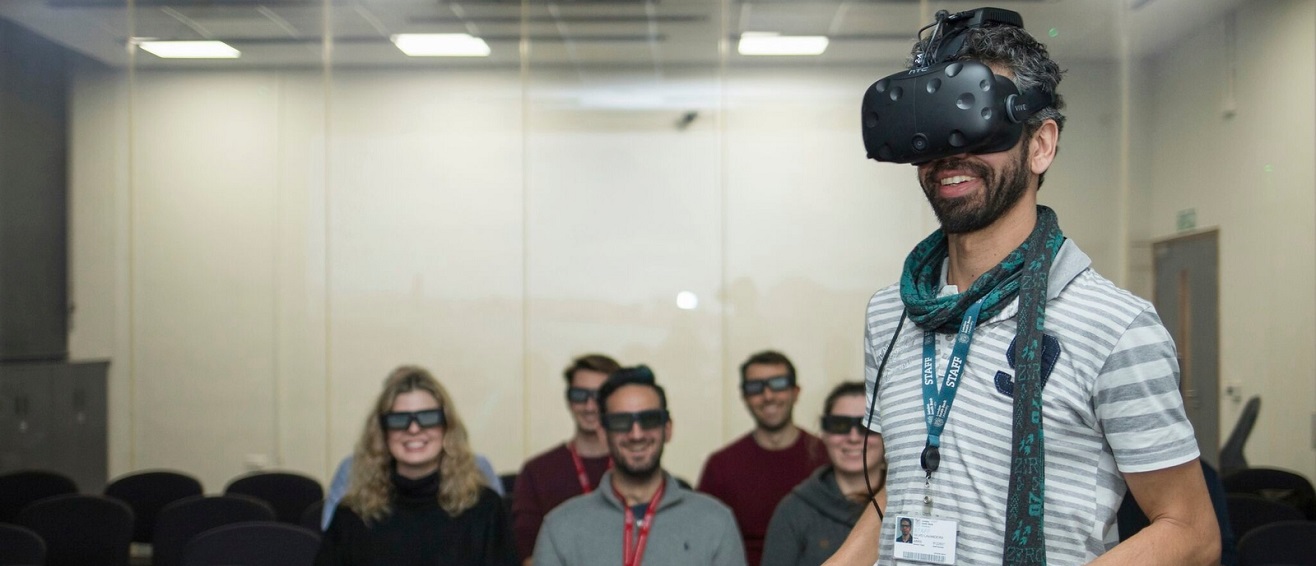
LSBU has a thriving community of more than 200 academic researchers working in a diverse range of areas in over 38 research centres and groups. With a focus on health, social justice and sustainability in an increasingly digital environment, our research has a positive impact on your world250+
research students currently enrolled at LSBU
95%
of our research is world-leading, internationally excellent or internationally recognised
£25m+
afforded to us in grants for research, delivering cultural benefits and improving lives




LSBU RESEARCH BLOG
LSBU Research Blogs showcases blogs about LSBU’s world leading research and new writing from academics on a range of important contemporary issues, including equality, health, environment and sustainability, pathways and digital. In the past year LSBU’s research has appeared across the national media including:
- The Metro which covered Professor Karin Moser’s LSBU research which identified ‘Zoom fatigue where remote working led to falls in energy.
- The Guardian which reported on Covid Anxiety Syndrome which was identified by Professor Marcantonio Spada’s LSBU research.
- The BBC which ran a story about UK-first where barbershops being trained to test their customer’s blood pressure to improve public health in a research study led by LSBU Professor, Nicola Thomas.
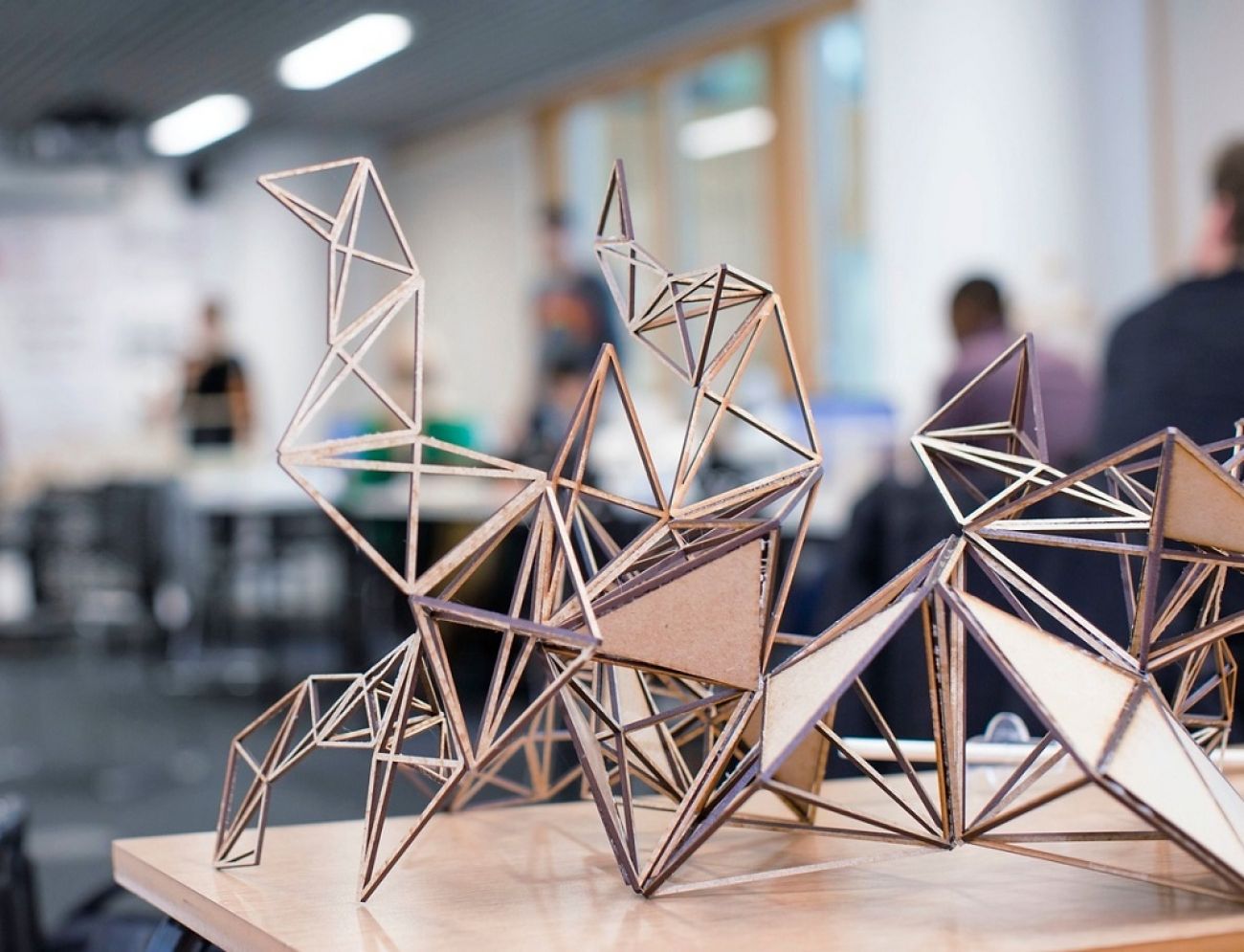
Creating a positive impact on your world

Allen Carr’s Easyway Trial
Run by the Centre for Addictive Behaviours Research, this trial compares the efficacy of the Allen Carr Easyway to stop smoking service and Lambeth NHS stop smoking counselling service. This randomised controlled trial involved allocating 620 people who wished to stop smoking randomly to one or other intervention. We then tracked the progress of our participants for six months, seeing who managed to both quit and stay that way.

Balanced Energy Network (BEN)
The Balanced Energy Network (BEN) is a £4 million project part-funded by Innovate UK. The BEN consortium brings together cross-sector supply chains to deliver integrated energy solutions at different scales to meet the energy systems challenges of achieving a low-carbon economy: secure, affordable, sustainable energy.
PHIRST South Bank
A multidisciplinary, cross school, collaborative centre that works with local authorities to deliver local, yet scalable, evaluations that will feed into the wider public health evidence base. The Centre is a collaboration between the five LSBU Research Centres.

Crime, Harm & Justice Research Group
Our Crime, Harm & Justice Research Group is committed to conducting research to make a difference to criminalised and/or marginalised individuals and groups, especially those who are already vulnerable or experiencing inequality. Its research looks at different forms of violence, including state violence and harmful practices within and beyond the criminal justice process. It also critically engages in the analysis of processes of criminalisation, victimisation and/or exclusion, and the relation between power, harm, justice, politics and inequalities.

SocialTruth
Run in partnership with our Cognitive Sytems Research Centre, SocialTruth provides an innovative and distributed way to achieve both content and author credibility verification and detection of fake news increasing, thus, the trust in Social Media. SocialTruth solution along with the implementation of Digital Companion can be used to detect fake news by both professionals (i.e. journalists) and individuals (daily social media users), allowing for improved governance and information veracity in Social Media.
Research degrees
Become an expert in your subject with transferable skills including self-discipline, analytical and critical thinking.

Honorary Graduate Dame Carol Black discusses…
Dame Carol Black is an Honorary Doctor of Health and Social Care at LSBU

Stephen Addison BEM, honorary doctor of lette…
Stephen Addison has been made an honorary doctor of letters.

Honorary Doctor David Oyelowo OBE on the figh…
David Oyelowo OBE is one of this year’s Honorary Doctors in LSBU's School of the Arts and Creative Industries.
PhD student Carolyn Defrin on collaborating w…
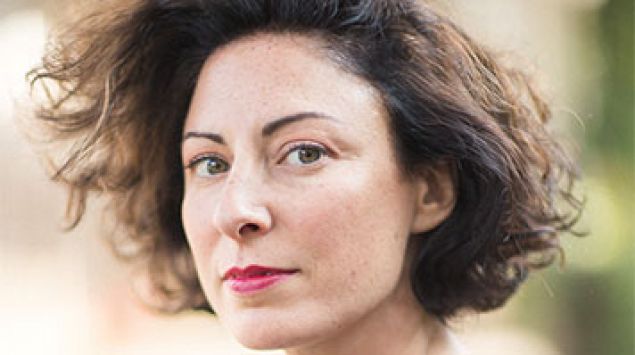
Student and freelance artist, Carolyn Defrin, tells us about her collaborative research with Hammersmith United Charities and gives crucial advice to ...

Afua Hirsch strikes out on her own
Afua Hirsch receives an honorary doctorate of letters.

London-based designer Lozana Rossenova undert…
Designer and PhD student, Lozana Rossenova, discusses her research in collaboration with not-for-profit arts organisation, Rhizome, which focuses on t...
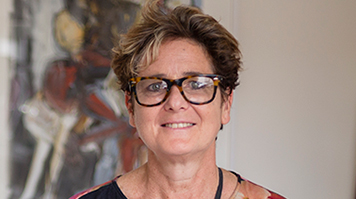
Rachel Gadsden talks openly about disability
Acclaimed artist Rachel Gadsden is an Honorary Doctor of LSBU. Her work explores universal themes of fragility, survival and hope, drawing on her own ...

Knowledge Transfer Partnership: increasing re…
The Daycare Trust decided to undertake a Knowledge Transfer Partnership (KTP) to improve their ability to generate new income through research and con...
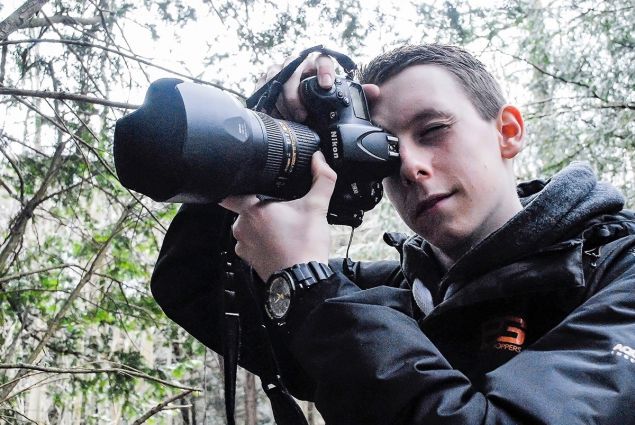
Oliver Spier, Photography Technician
Olivier Spier, a photography technician and TSS team member, discusses his role at LSBU and the new working group he's setting up for arts technicians...
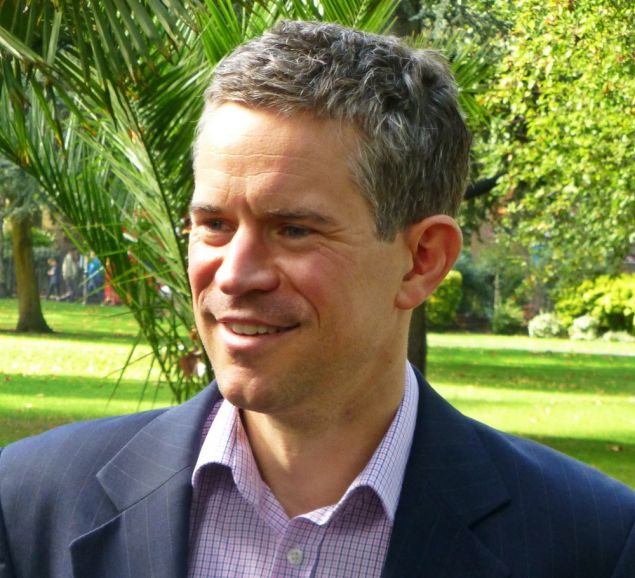
Dr Mark Williamson, honorary doctor of letter…
Dr Mark Williamson has been made an Honorary Doctor of Letters.

LSBU Chiropractic Clinic
The Croydon Chiropractic Clinic is run by our experienced fourth year students with the aim of providing therapy for fellow students, academics and th...

Zeta Kolokythopoulou on studying a PhD whilst…
Recent PhD graduate and Journal Development Specialist at Frontiers, Zeta Kolokythopoulou, discusses the obstacles she had to overcome to complete her...

Acoustics research helps improve safety and q…
Collaborative Urban Engineering applied acoustics research project with Transport for London to develop and install a high quality system to evacuate ...
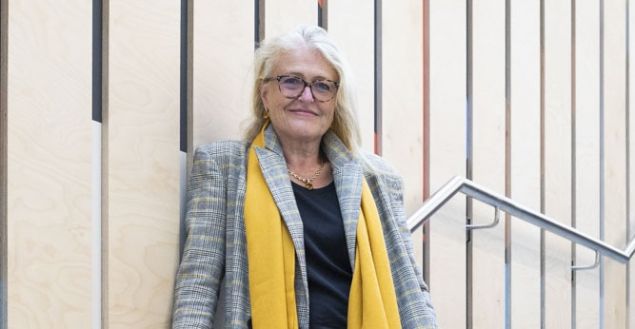
Laura Sandys CBE, Honorary Doctor of Engineer…
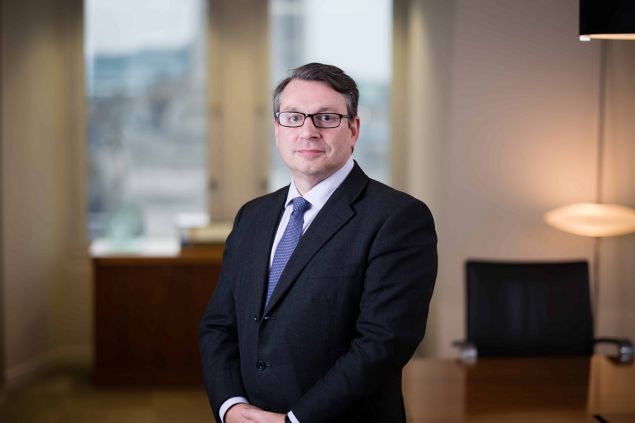
Kevin McGrath DL OBE, honorary doctor of lett…
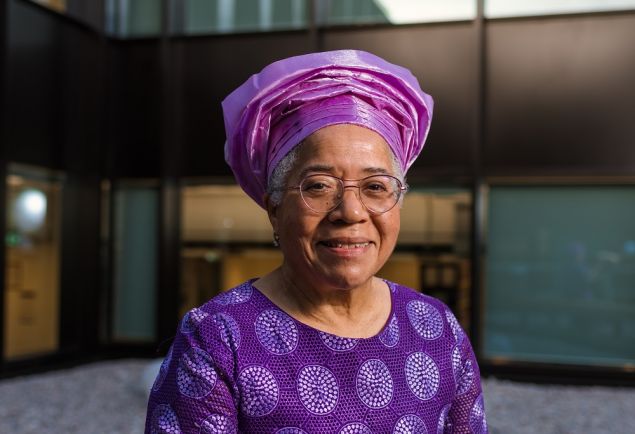
Dame Elizabeth Nneka Anionwu CBE OM DBE FRCM,…
Dame Elizabeth Nneka Anionwu CBE OM DBE FRCM has been made an Honorary Doctor of Science.
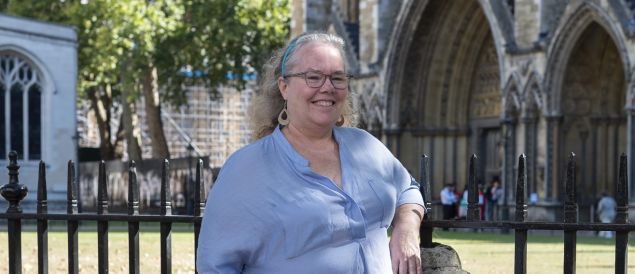
Carrie Rutherford, Principal of LSBU Business…
Carrie Rutherford is the Principal of LSBU Business School at our Croydon Campus.
Institute of Refrigeration: a Knowledge Trans…
A priority for the Institute of Refrigeration (IOR) is the growing sensitivity regarding the environmental impact of medium and large-scale refrigerat...